Thinking about buying a Victorian or rowhome in Curtis Park? You are not just shopping for square footage. You are buying into one of Denver’s oldest residential areas, where block-by-block history, renovation choices, and historic district rules can shape both your daily life and your long-term costs. This guide will help you understand what to look for, what questions to ask, and how to make a smarter move in Curtis Park. Let’s dive in.
Why Curtis Park Feels Different
Curtis Park stands out because it is one of Denver’s oldest and most intact residential neighborhoods. Denver preservation materials describe it as the city’s first streetcar suburb, with much of its early growth tied to the building boom after the railroad arrived in 1870.
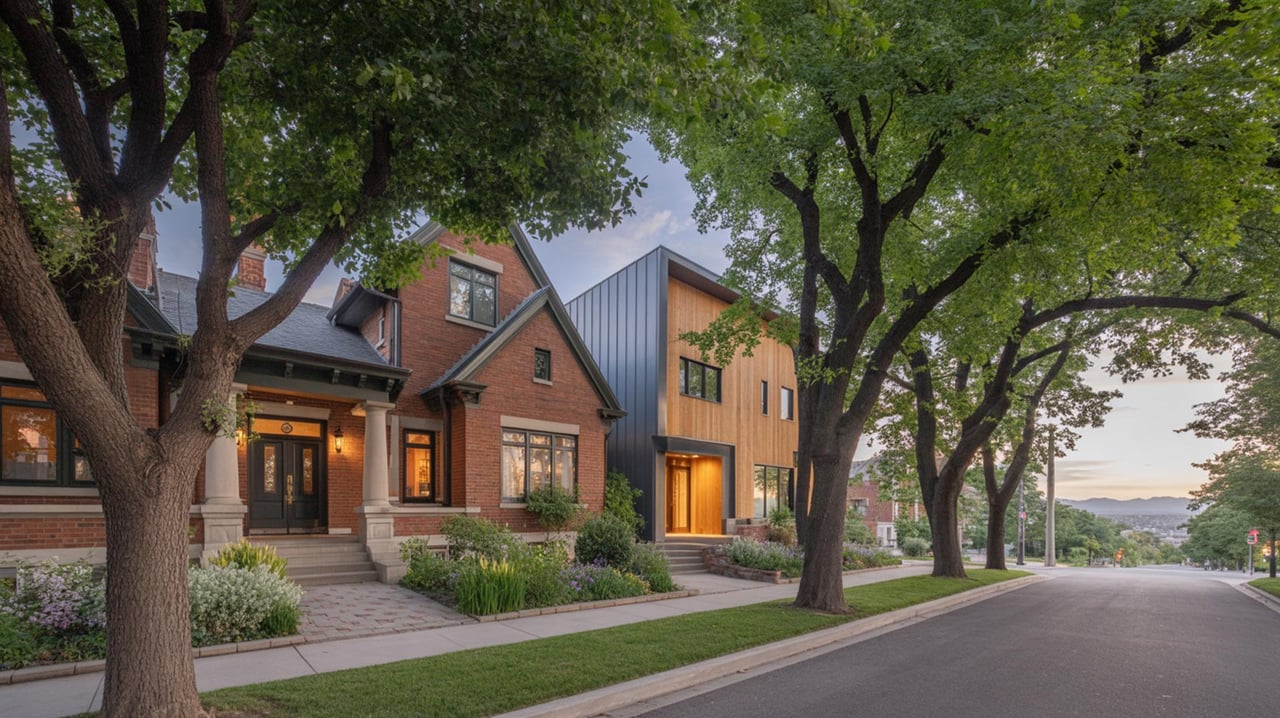
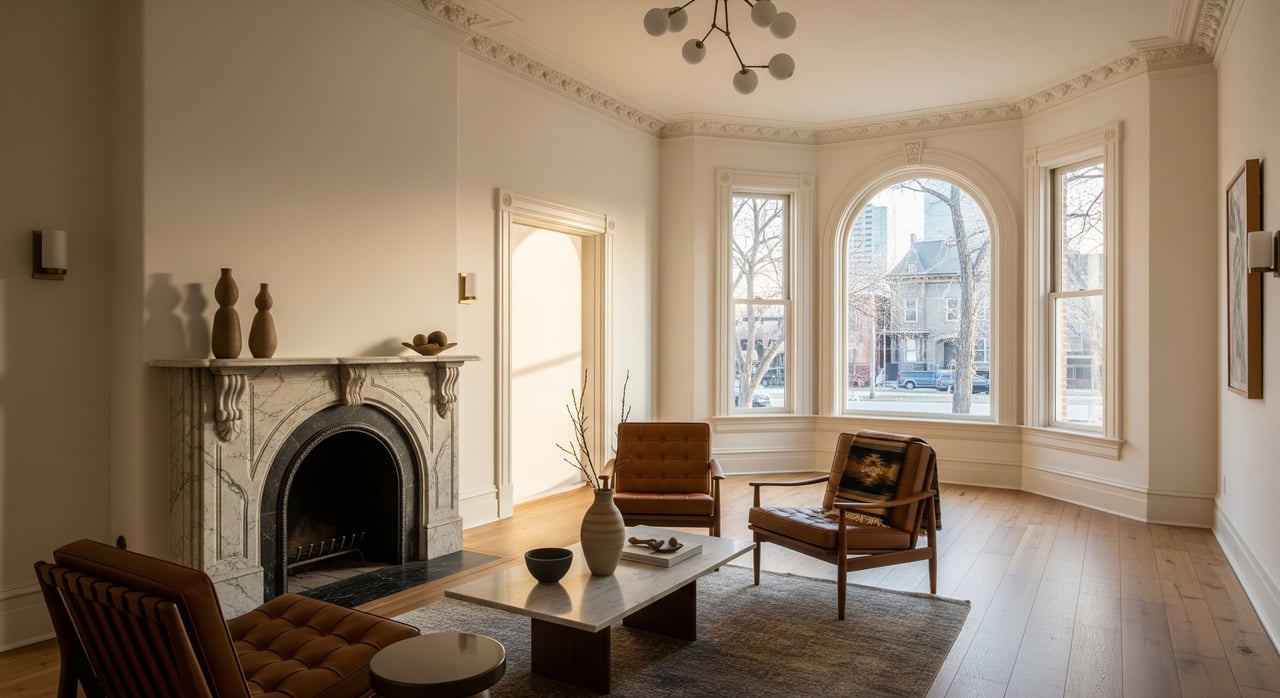
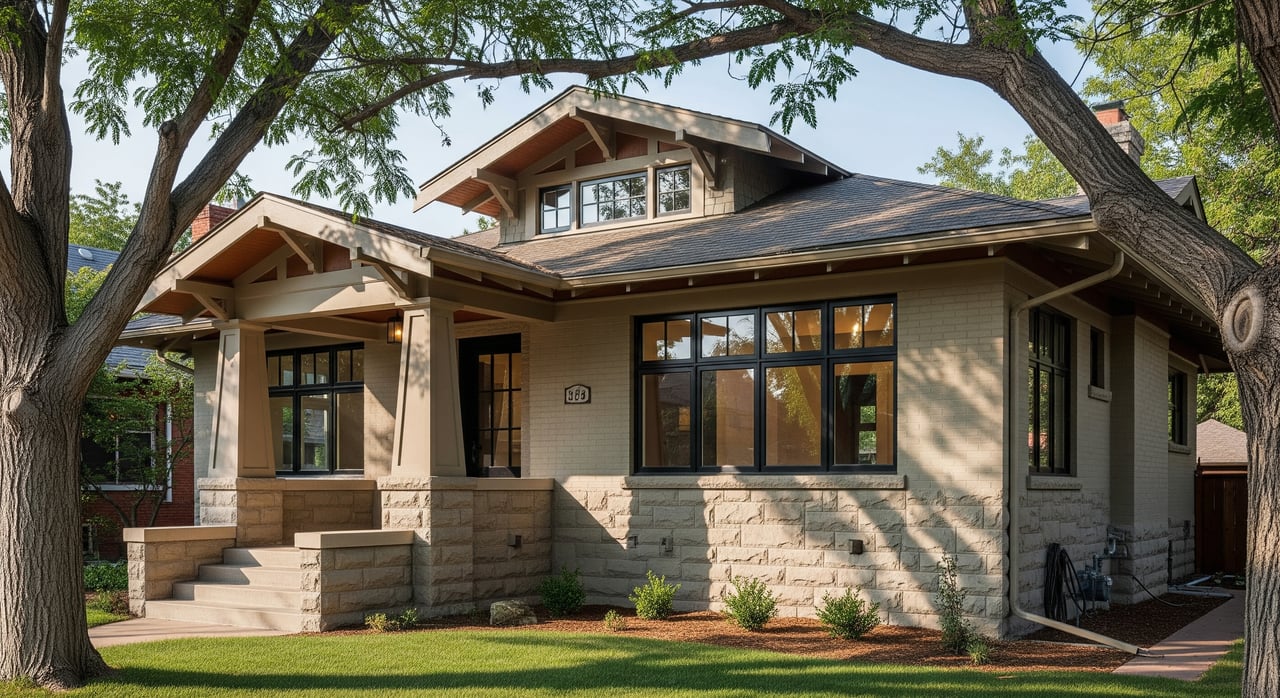
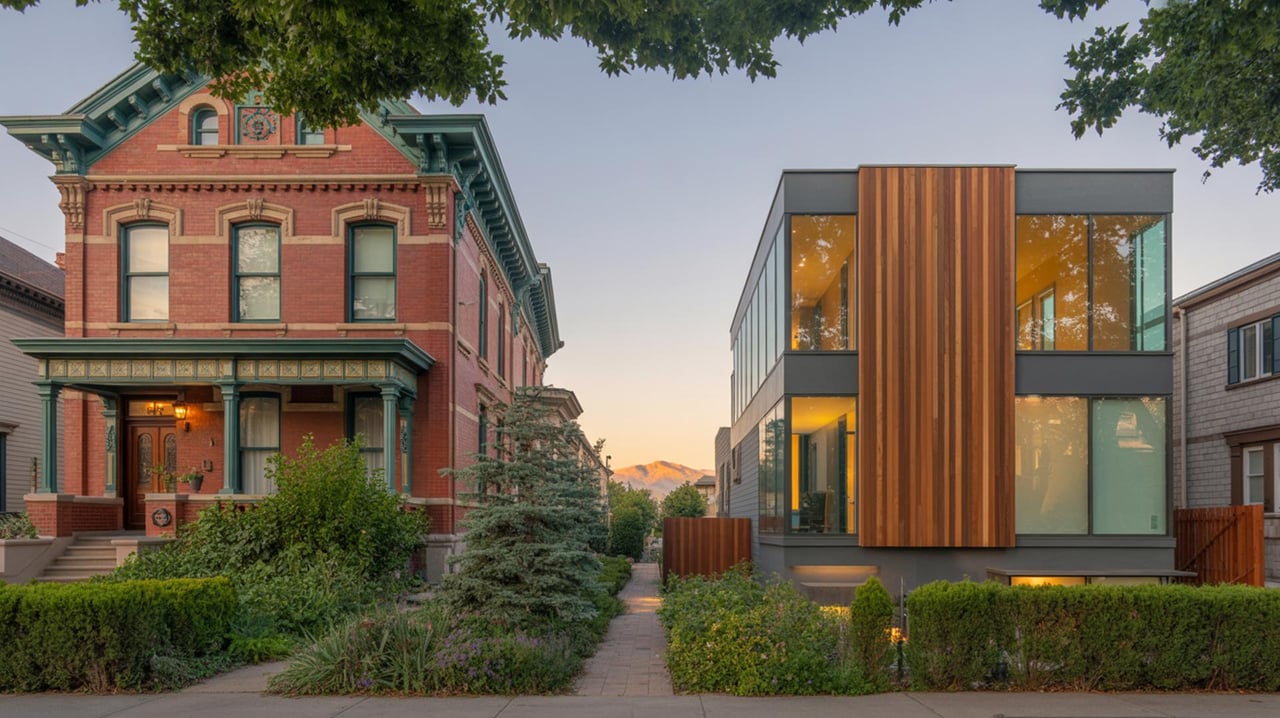
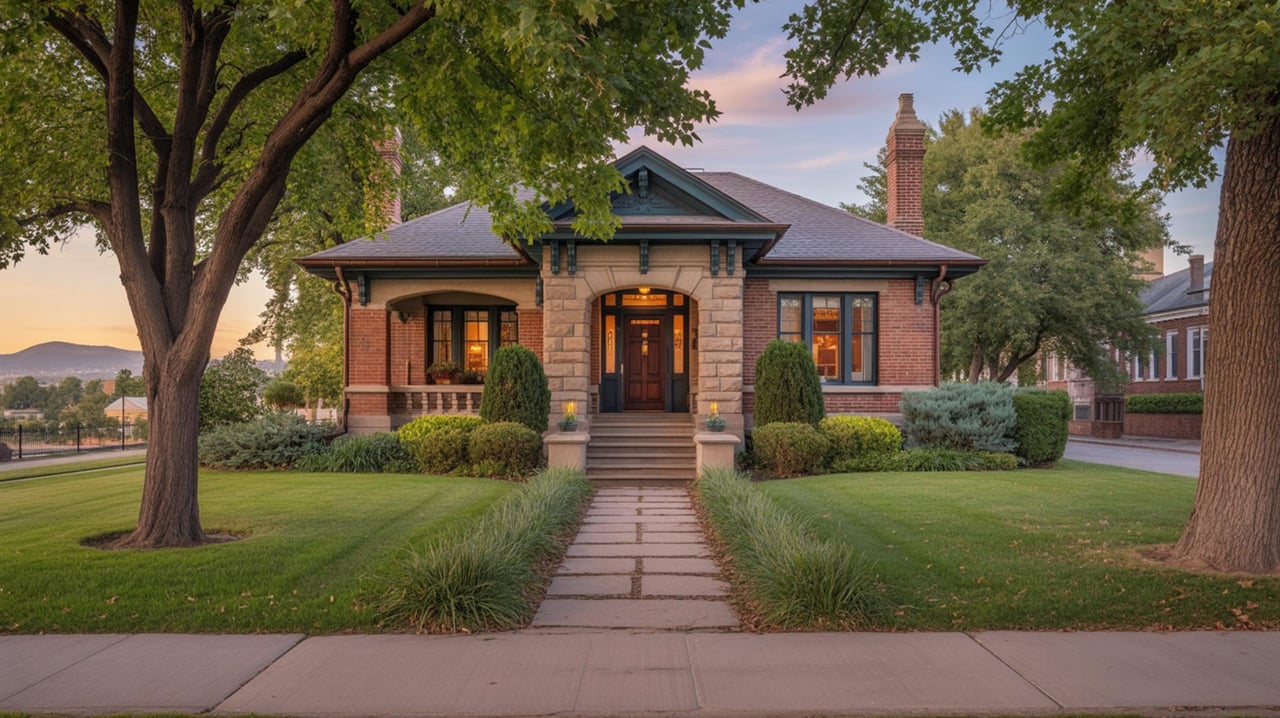
That history still shows up in the homes you see today. Instead of one uniform housing type, Curtis Park includes large residences, cottages, duplexes, and rowhouses in a mix of Italianate, Eastlake, Queen Anne, Victorian eclectic, Bungalow, and Classical Denver foursquare styles.
For you as a buyer, that means two nearby homes can look similar online but offer very different ownership experiences. One may be carefully preserved, while another may have gone through decades of changes, unit conversions, or partial restoration.
Know The Historic District First
One of the first things to confirm is whether the property sits inside a Curtis Park landmark historic district. Curtis Park is divided into multiple Denver landmark districts, including Curtis Park A through H, and each district has its own ordinance and period of significance.
That matters because the exact historic context and review rules can vary depending on the block and designation. If you are planning exterior changes now or later, that detail is not minor. It can affect how straightforward or complex your project will be.
Denver requires design review for properties in historic districts. Exterior alterations, additions, new construction, signs, and non-vegetative site work are reviewed under the city’s design standards and guidelines, and roofing and siding work also need Landmark Preservation approval first.
What Curtis Park Victorians Often Look Like
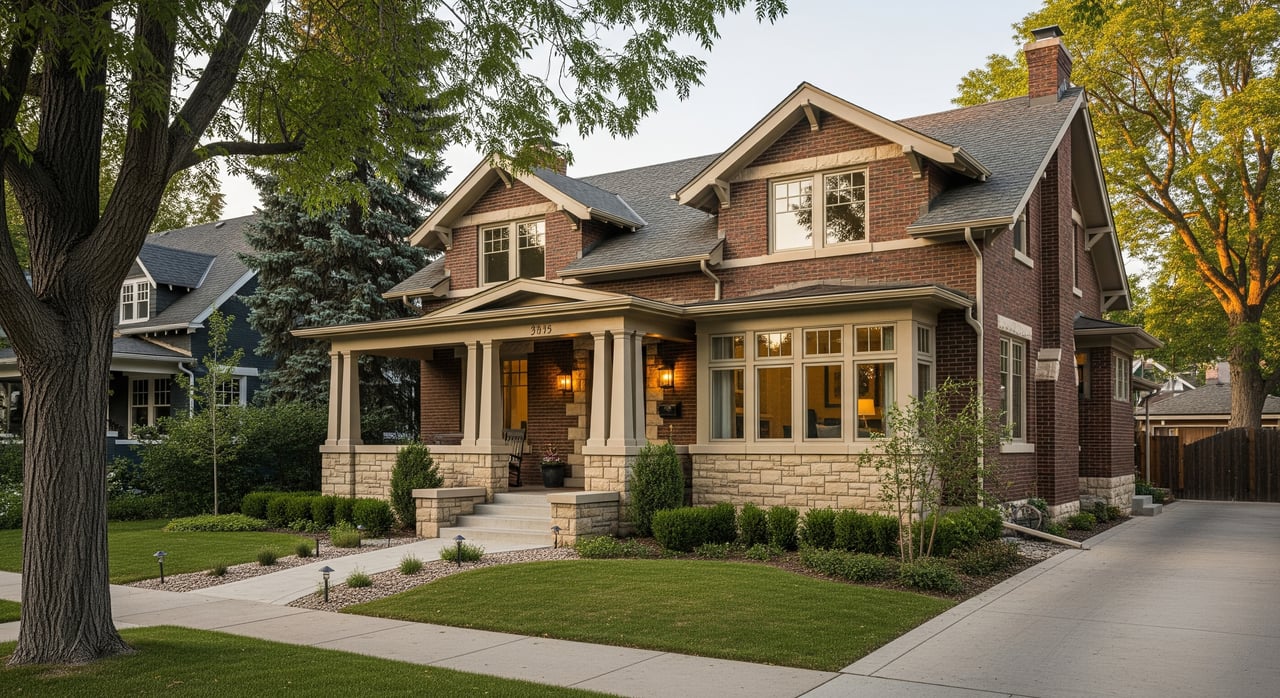
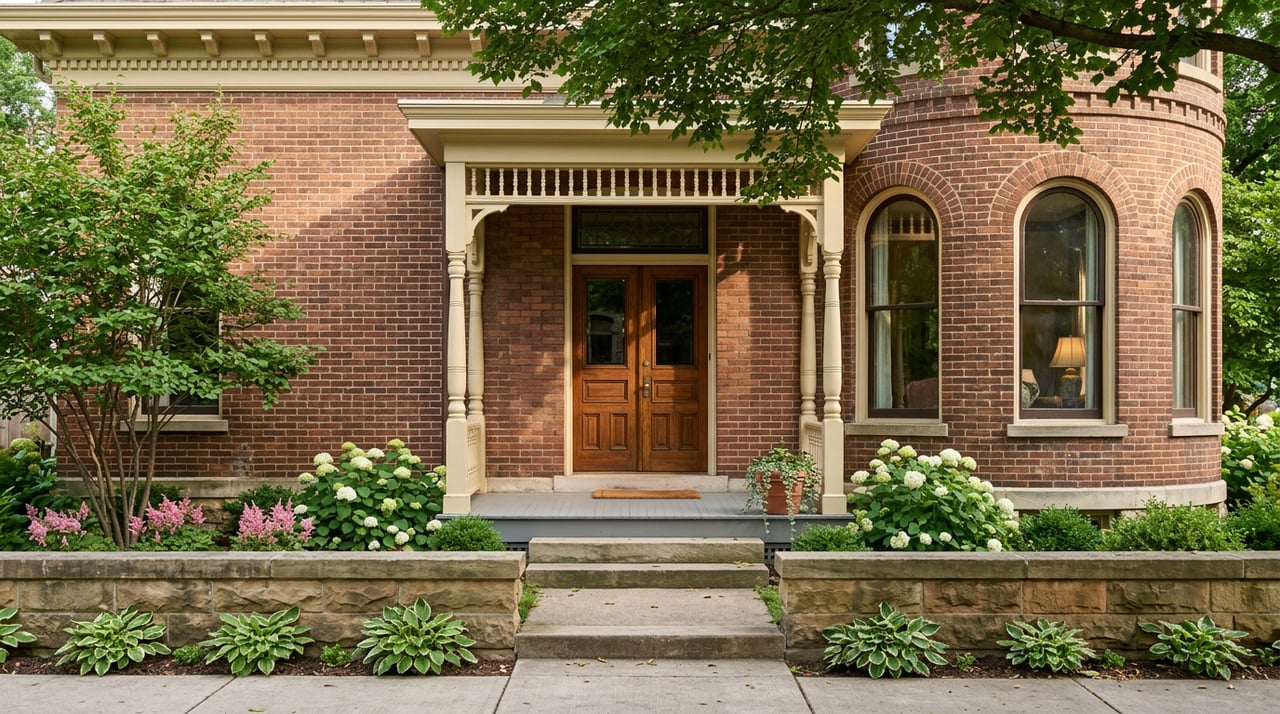
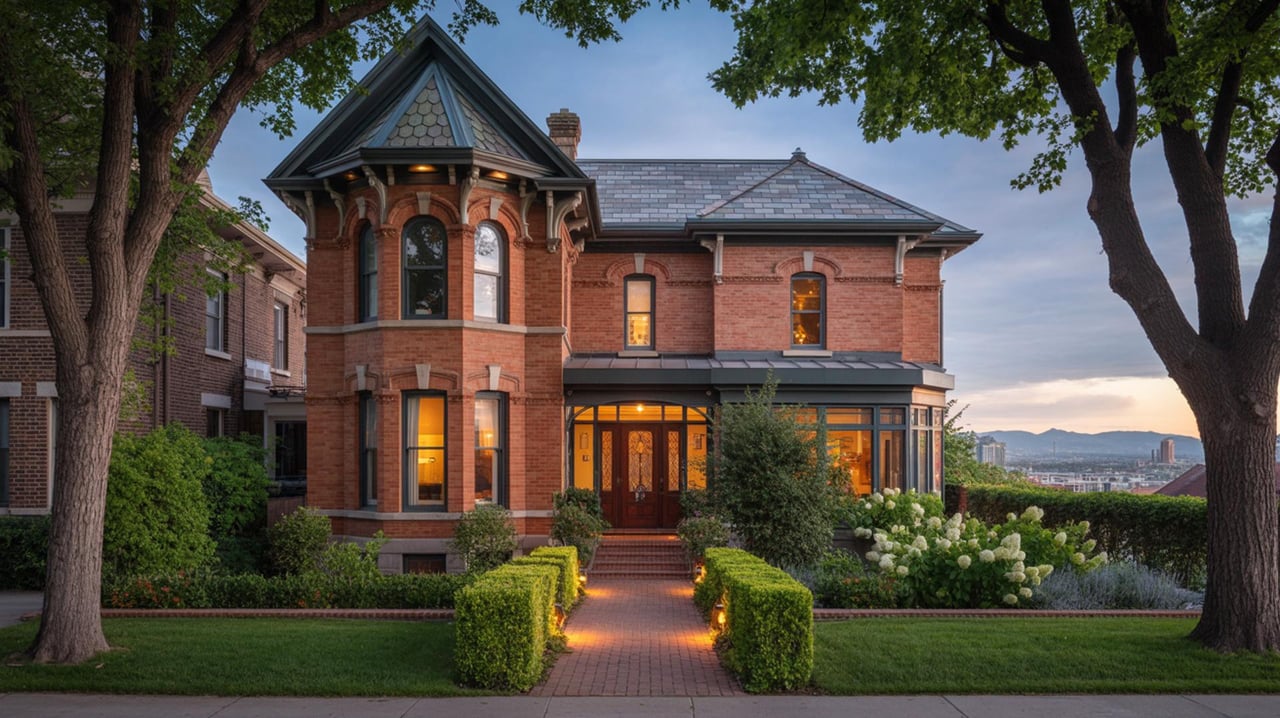
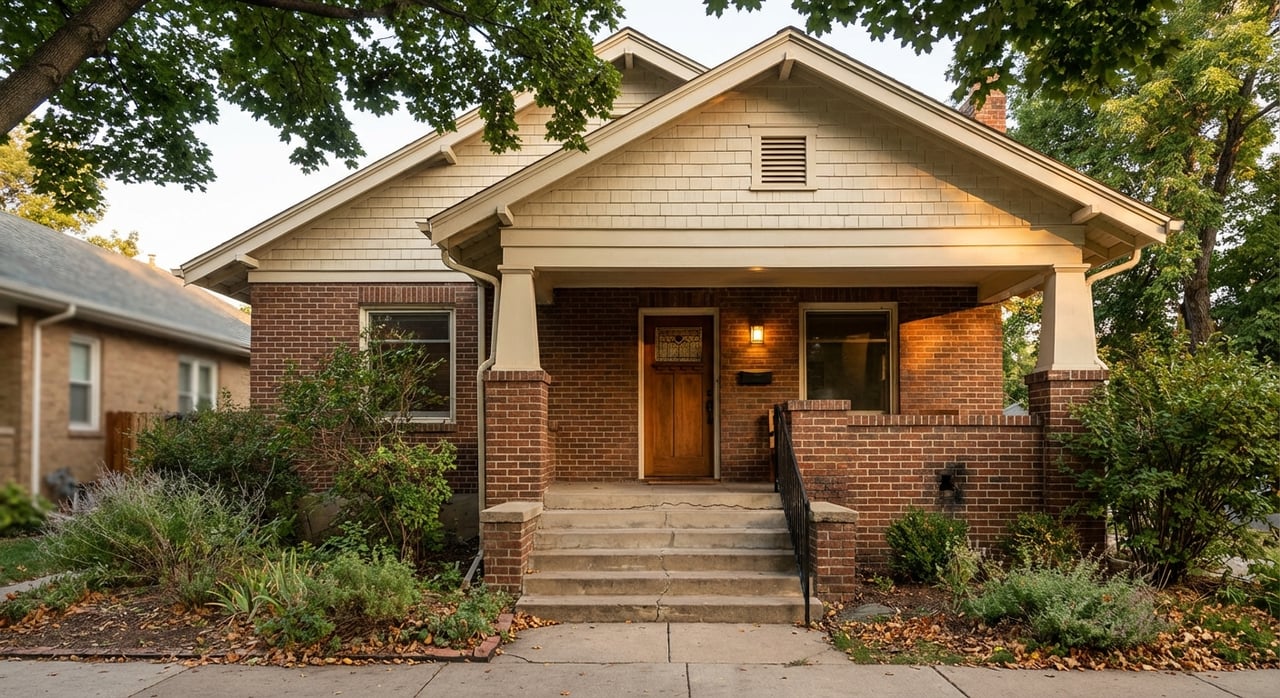
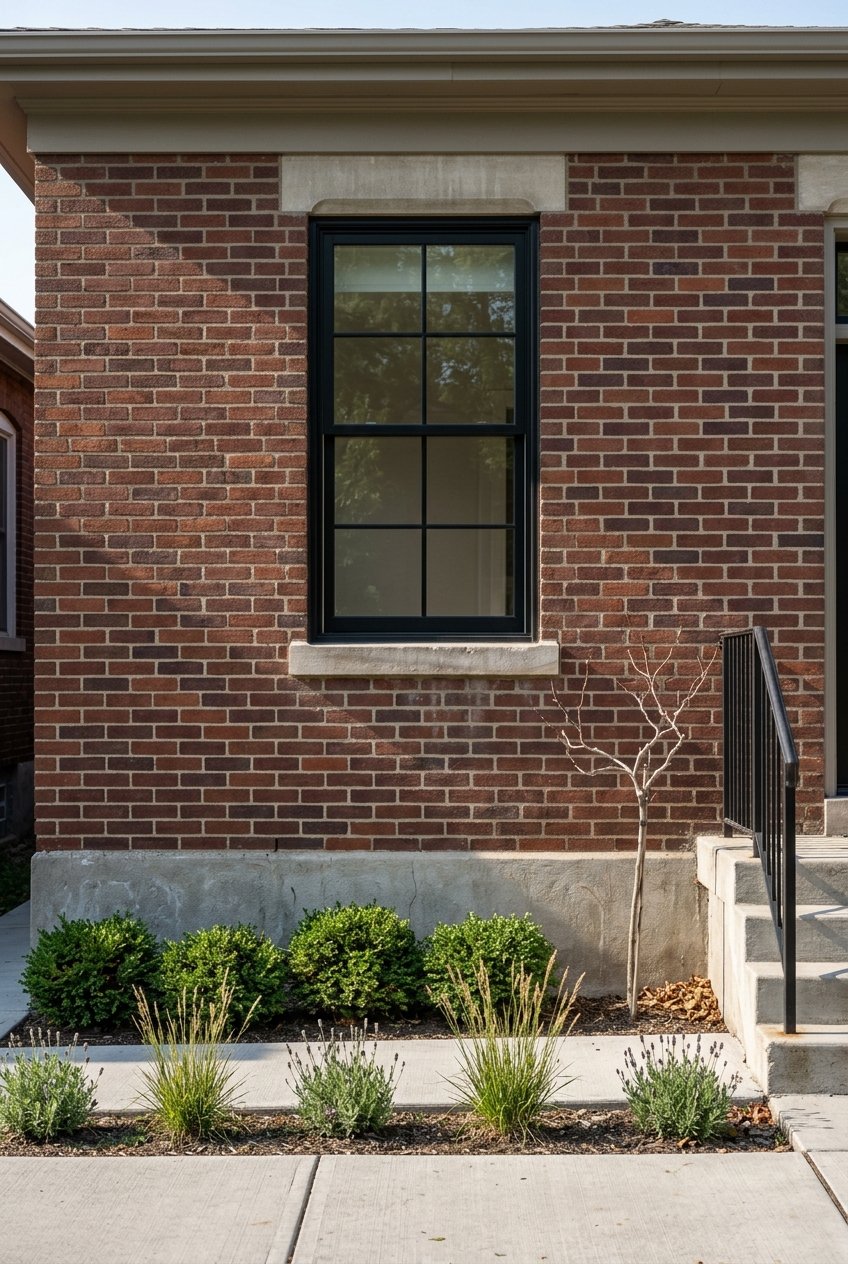
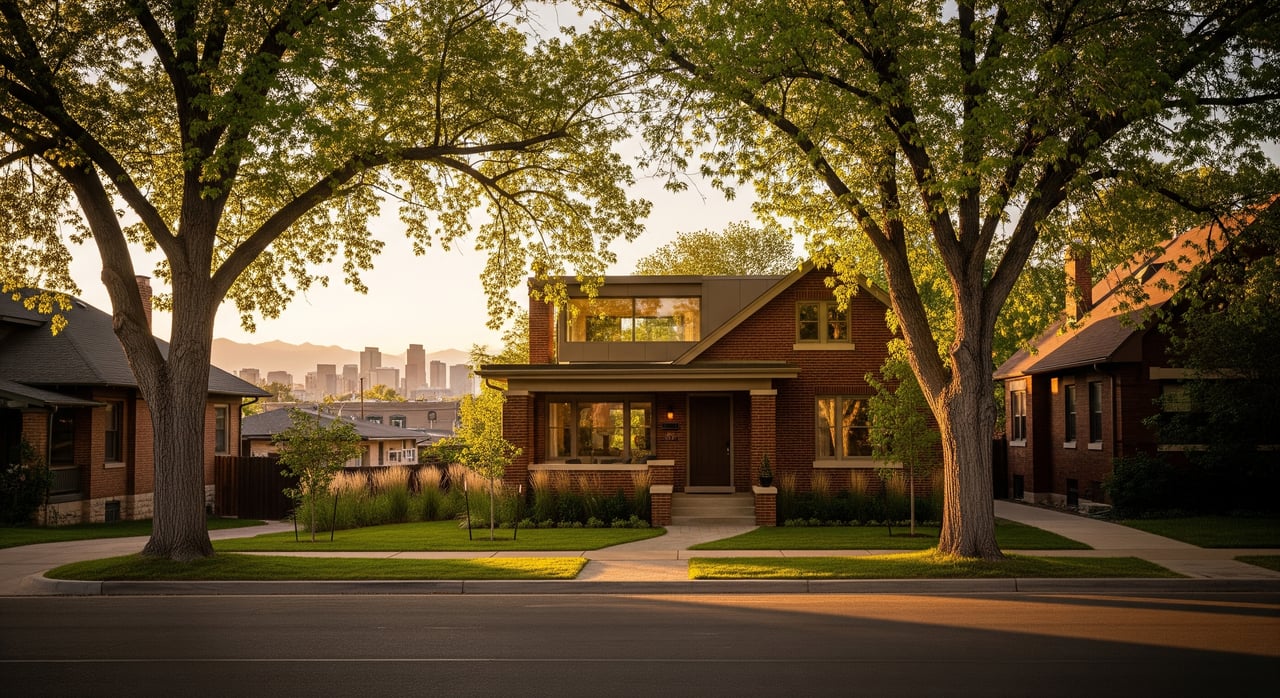
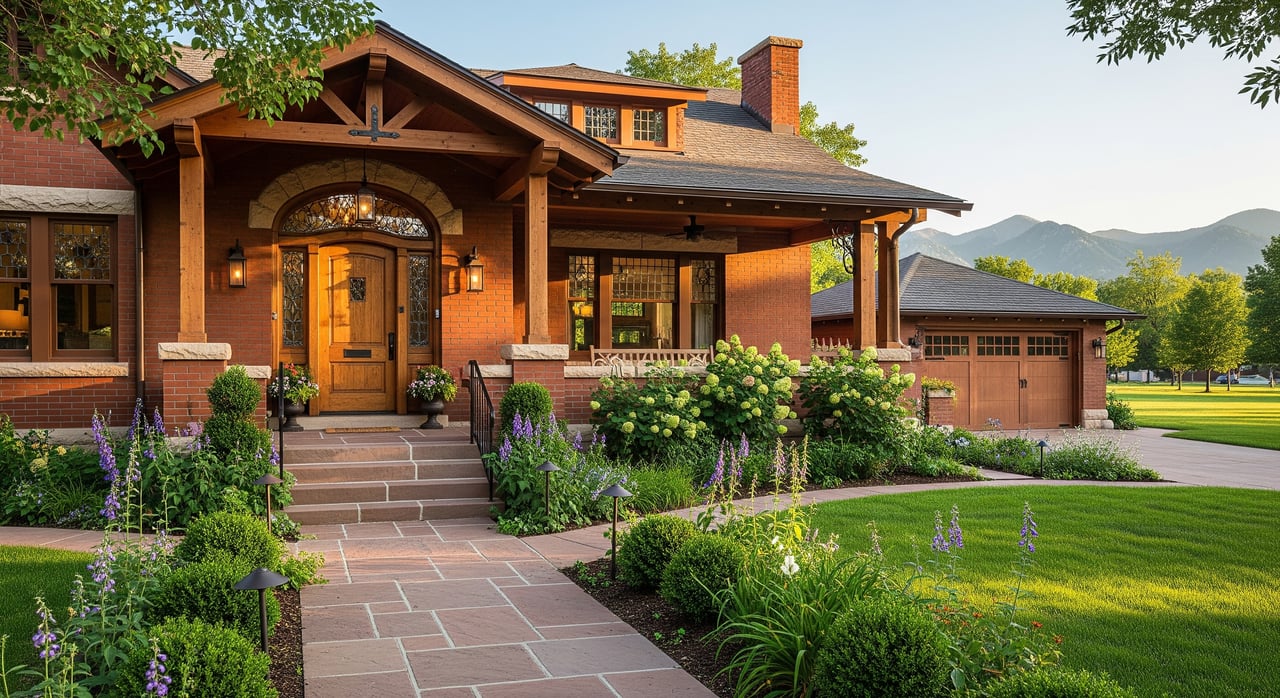
Victorian homes in Curtis Park commonly run one to two stories and often sit on raised foundations. You will frequently see blocky or rectangular shapes, brick or stone foundations, and offset front entries reached by raised porches.
Rooflines can offer clues about style. Queen Anne and Eastlake homes often have front-gabled roofs, while Italianate homes more often feature hipped or flat roofs with broad eaves and decorative brackets.
Windows are another detail worth studying during showings. Many historic homes here have tall, narrow, wood-framed windows, often in one-over-one double-hung patterns. Original window size, shape, and material can tell you a lot about how much of the home’s historic character remains.
What Curtis Park Rowhomes Usually Offer
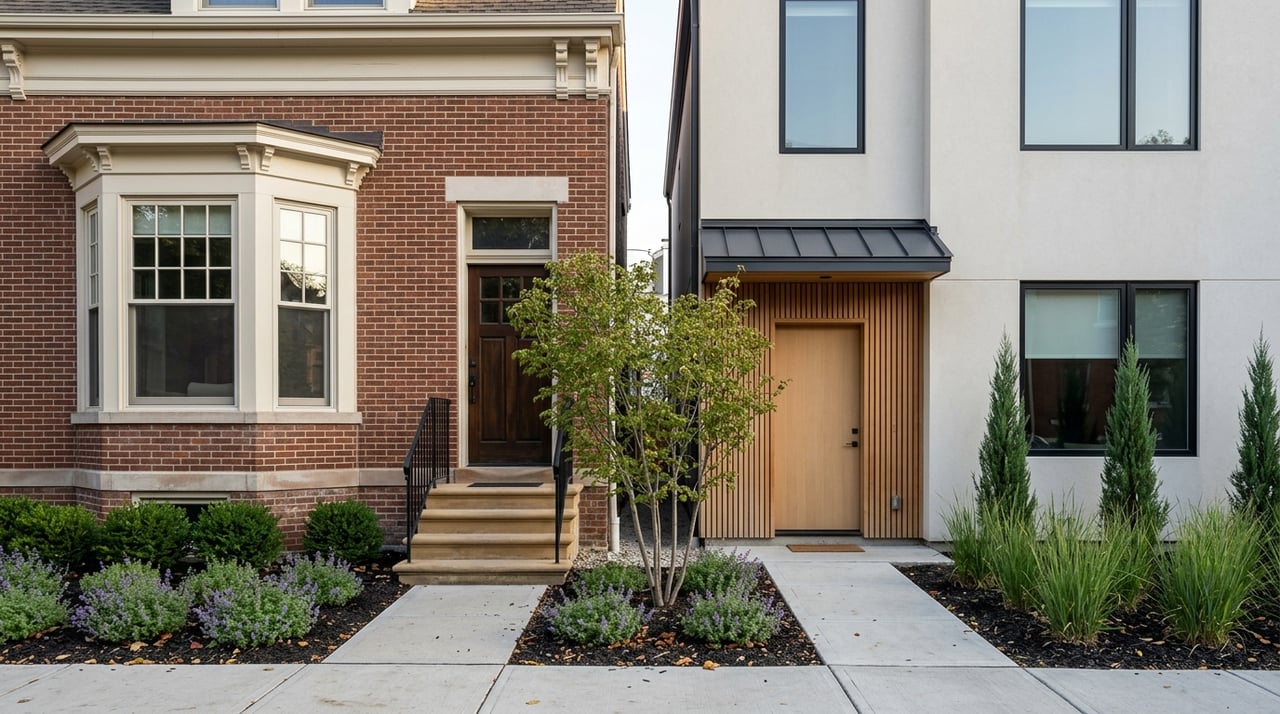
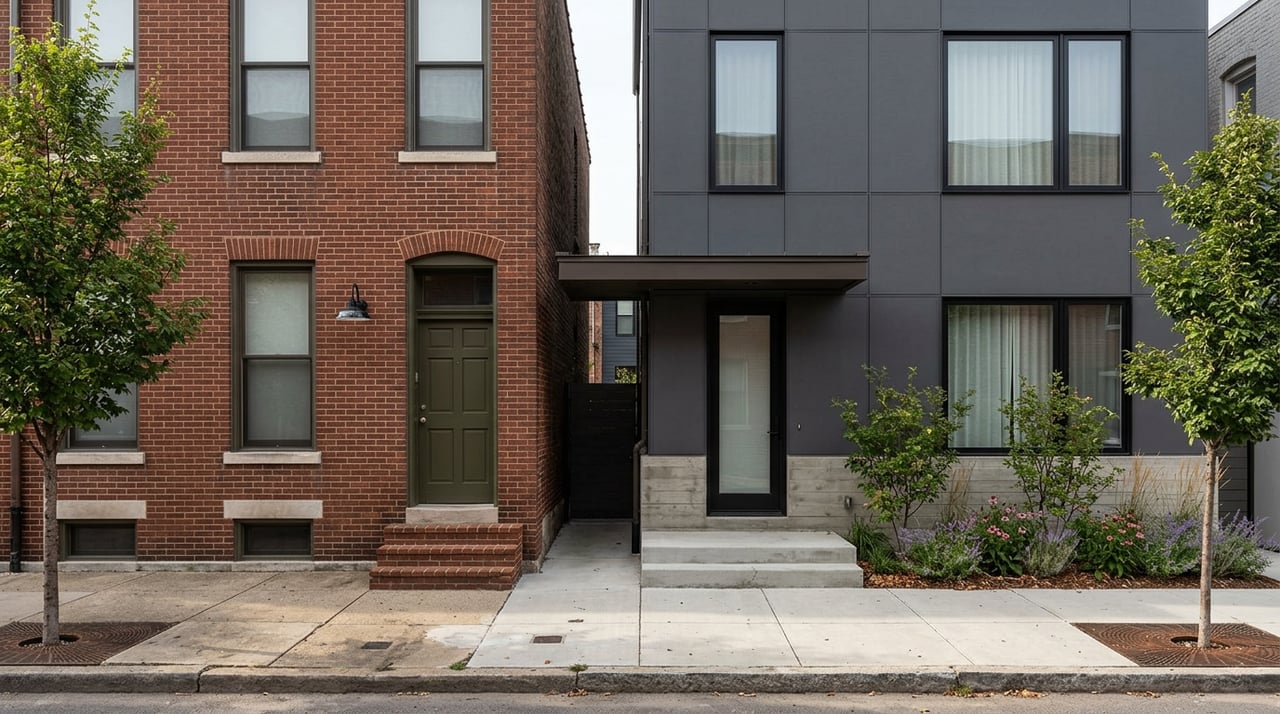
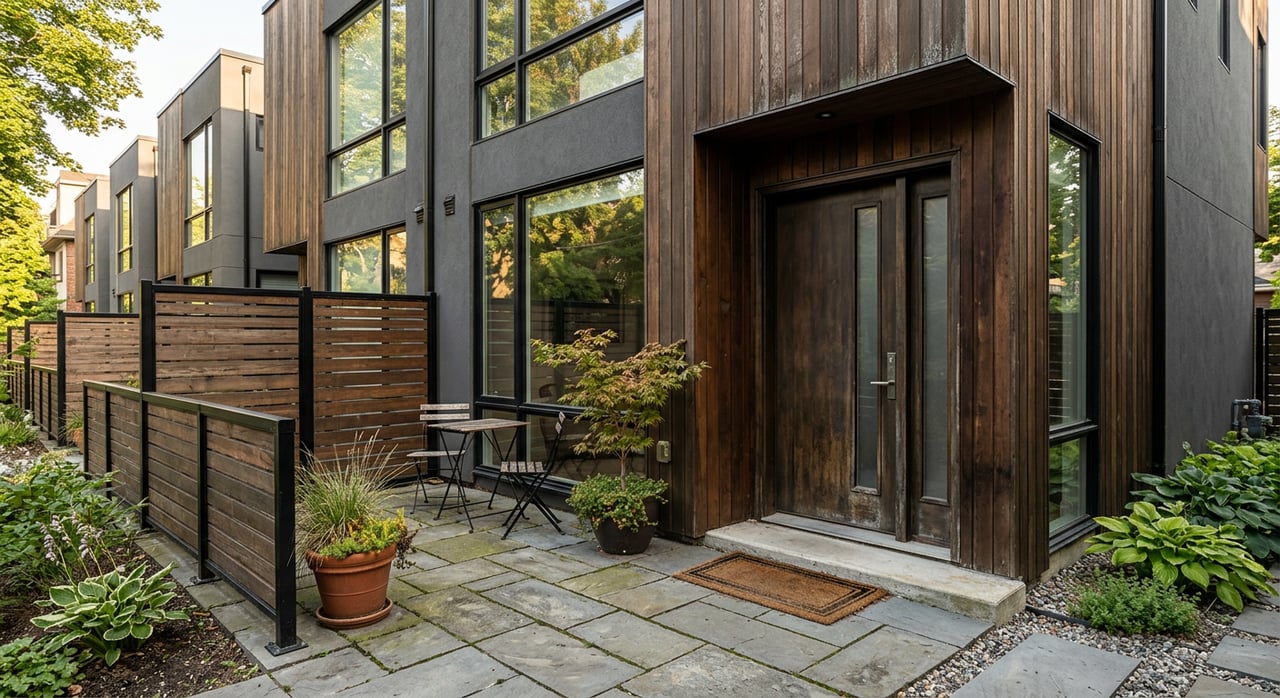
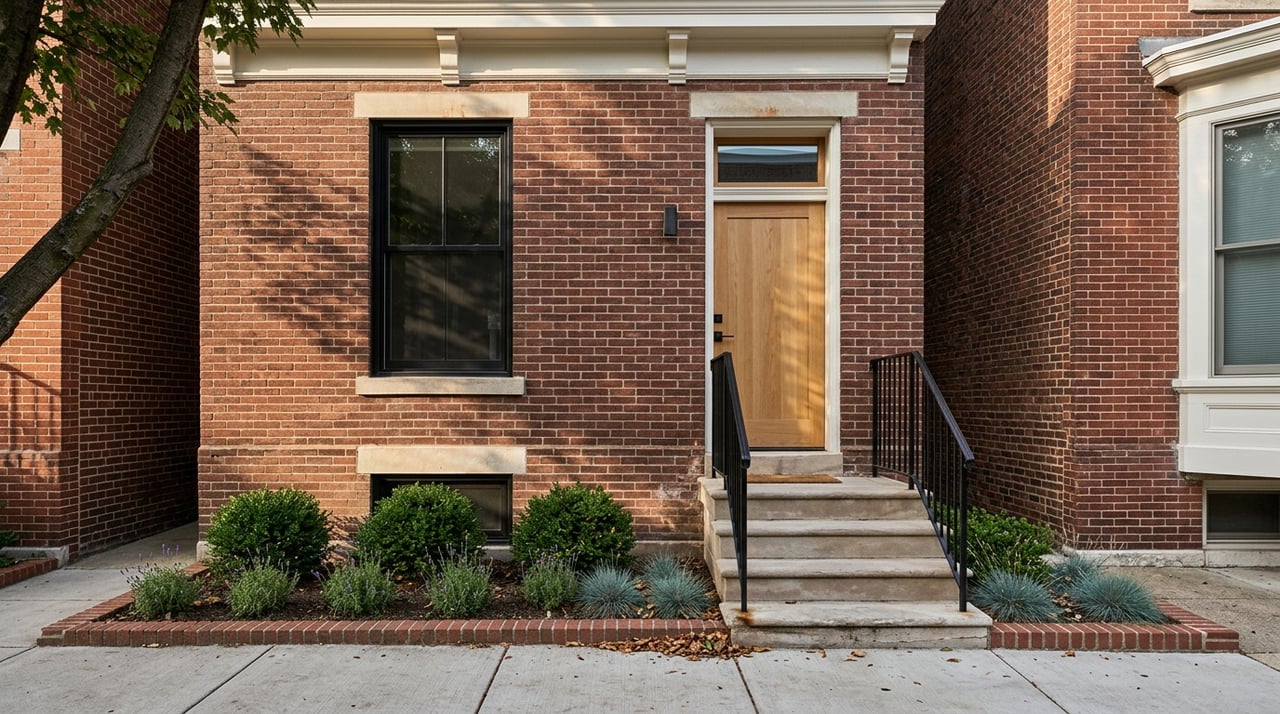
Attached rowhomes and duplexes in Curtis Park tend to be more rectangular in form. They often have flat roofs and raised parapets, which gives them a different street presence than detached Victorians.
The lot pattern shapes how these homes live. Many lots are about 25 by 125 feet, with shallow front yards, narrow side yards, and larger rear yards. That can affect your privacy, outdoor use, and the practicality of future additions.
Smaller homes and rowhouses often face numbered streets, while corner buildings may orient porches or entries toward the secondary street. If curb appeal and entry flow matter to you, that small detail is worth noticing during your search.
Why Porches Matter So Much
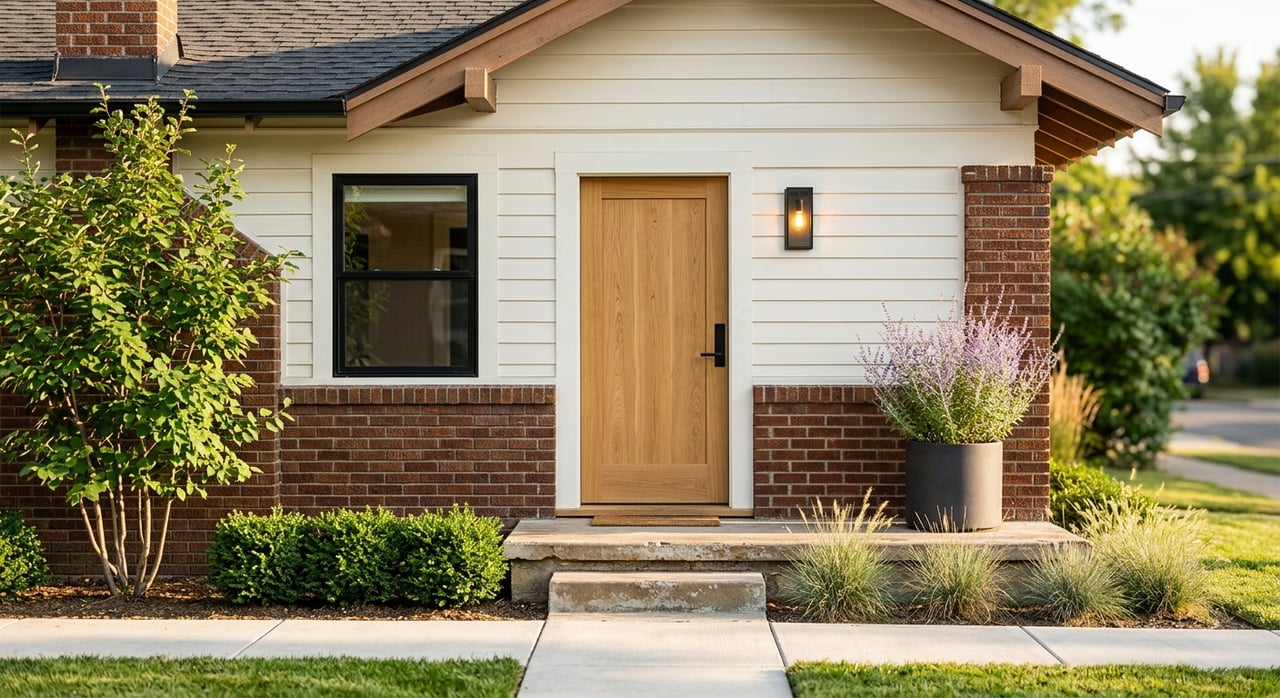
In Curtis Park, the porch is more than a charming feature. It is often a key part of the home’s architectural identity.
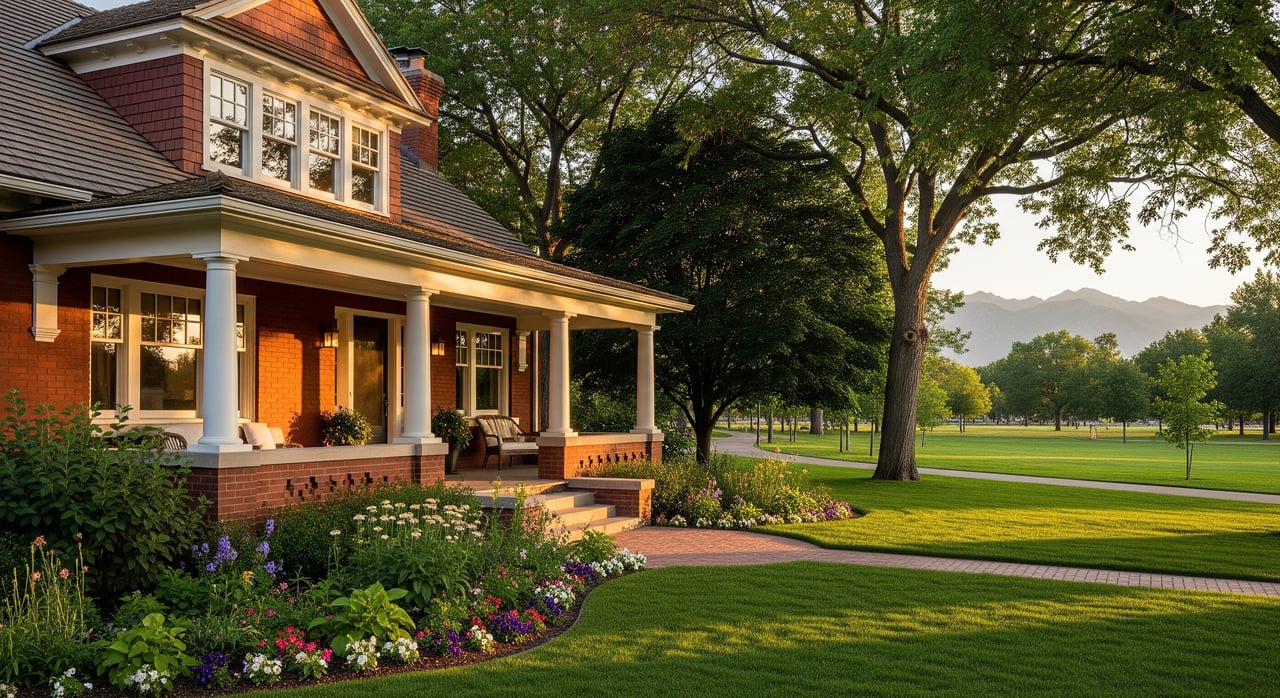
According to Denver’s Curtis Park guidelines, many homes are missing their original porches or have heavily altered ones. Queen Anne homes often originally had partial-width or wraparound porches, while Italianate homes typically had full or partial-width porches.
If you are comparing listings, look closely at whether the porch appears original, rebuilt, enclosed, or simplified. A restored porch may support the home’s historic character, while a major alteration can change both appearance and future restoration options.
Renovated Does Not Always Mean Consistent
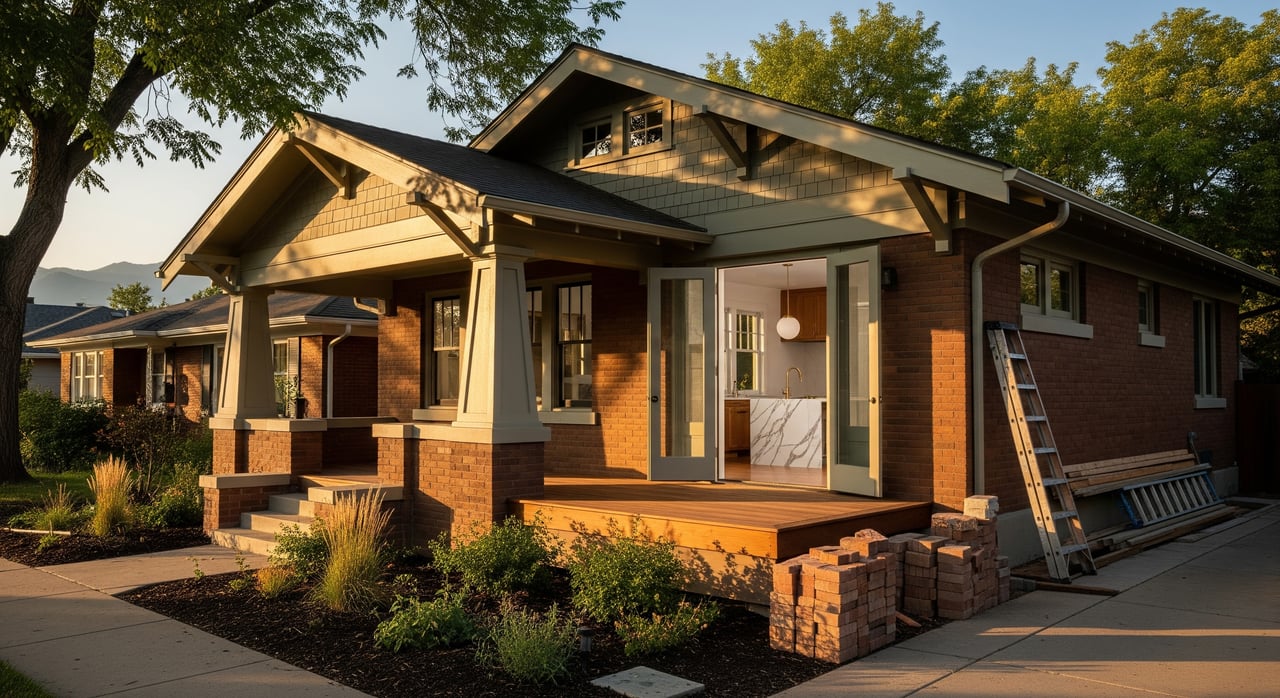
One of the biggest buyer mistakes in Curtis Park is assuming that updated automatically means well-resolved. In a neighborhood with this much history, renovation work often happened in stages across different decades.
Denver Public Library notes that many homes were divided into smaller living units or boardinghouses over time. Some were boarded up or demolished in the 1960s and 1970s before later reinvestment, which helps explain why condition can vary so widely today.
In practical terms, you may find newer mechanical systems paired with older windows, restored facades with heavily altered interiors, or attractive finishes covering a floor plan that was reworked long ago. If authenticity matters to you, renovation history should be part of the value story, not just the finish selections.
What To Check During Showings
When you walk through a Curtis Park Victorian or rowhome, try to look past staging and cosmetics. Focus on the pieces that are harder to change, more expensive to repair, or more relevant to historic character.
Here are smart questions to keep in mind:
- Is the property inside a Curtis Park historic district, and which one applies?
- Which original features appear to remain, especially the porch, windows, roofline, doors, and masonry?
- Has exterior work been permitted or approved through Denver Landmark Preservation?
- Does the current layout suggest past subdivision or major interior reconfiguration?
- Are there signs of settlement, moisture issues, or deferred exterior maintenance?
This kind of checklist can help you compare homes more clearly. It also gives you better talking points when you move into due diligence.
Inspection Priorities For Older Homes
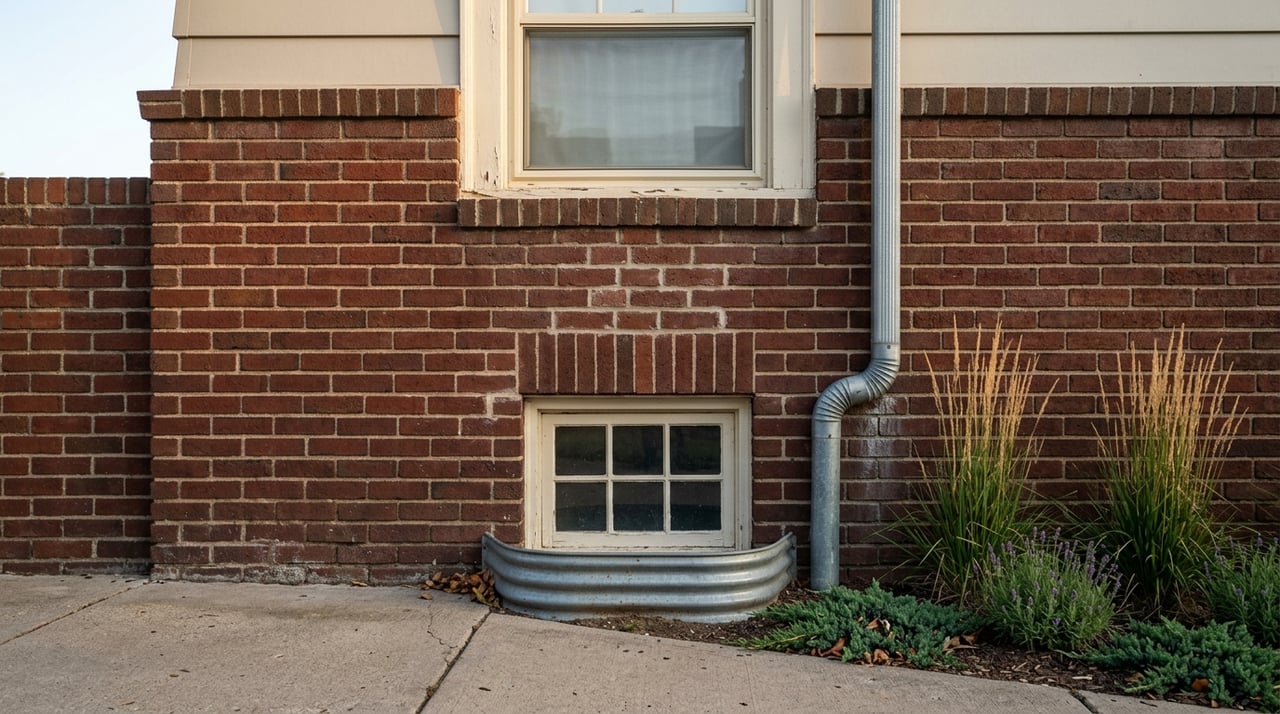
Because Curtis Park homes are predominantly brick with brick or stone foundations plus wood porches and trim details, your inspection strategy matters. A standard general inspection is important, but older homes like these may also call for targeted specialists.
A careful older-home inspection should pay close attention to masonry, settlement, roof flashing, porch framing, and moisture intrusion. Those areas are especially relevant given the neighborhood’s age, building materials, and the fact that many porches have been altered or lost over time.
Depending on the property, it may also make sense to bring in specialists for foundations, masonry, or roofing. If a home has visible cracking, unusual floor slopes, or patched exterior materials, specialist input can give you a clearer picture before you close.
Lead, Radon, And Asbestos Matter Here
Older homes can come with environmental due diligence that newer buyers sometimes overlook. If a Curtis Park property was built before 1978, it is more likely to contain lead-based paint, and the federal Lead-Based Paint Disclosure Rule applies to most pre-1978 housing.
If you plan to remodel, lead-safe practices are especially important because disturbing lead paint can create significant lead dust. EPA recommends using lead-safe certified contractors for renovation work in pre-1978 homes.
Radon should also be high on your list in Colorado. The Colorado Department of Public Health and Environment says high radon levels have been found in all parts of the state, about half of Colorado homes are above the EPA action level of 4 pCi/L, and the age or type of home does not determine whether radon is present.
Asbestos can also appear in older building materials such as floor and ceiling tiles, pipe wrap, and insulation. If remodeling is part of your plan, testing before work begins can help you avoid expensive surprises.
Build The Right Buyer Team
Buying in Curtis Park usually goes more smoothly when you have the right professionals involved early. This is especially true if you are comparing historic homes with different levels of restoration or considering a property that may need updates.
A practical team often includes a buyer’s agent who understands Denver historic districts, a home inspector familiar with older houses, and specialists as needed for masonry, roofing, foundations, lead, or radon. For pre-1978 renovation work, lead-safe certification should be part of the conversation.
This kind of support helps you move from “This house looks great” to “I understand what I’m buying.” That difference can protect both your budget and your long-term plans for the property.
How To Compare Victorians And Rowhomes
If you are deciding between a detached Victorian and an attached rowhome in Curtis Park, the best choice often comes down to priorities rather than style alone.
| Feature | Victorian Home | Attached Rowhome |
|---|---|---|
| Street presence | Often more architectural detail and porch character | Often more linear and compact street-facing design |
| Layout history | May have more signs of subdivision or reconfiguration | May offer a more straightforward footprint |
| Outdoor space | Can include more distinct yard separation | Often shaped by tighter side spacing and rear yard use |
| Exterior details | More likely to include style-specific trim, windows, and roof forms | Often simpler massing with flat roof and parapet |
| Future exterior work | Historic details may require more careful review and matching | Still subject to review in historic districts, but details may be simpler |
Neither option is automatically better. The right fit depends on how much historic detail you want, how much maintenance you can take on, and whether you plan to restore, simply maintain, or renovate over time.
A Smarter Way To Buy In Curtis Park
Curtis Park homes can be rewarding to own because they offer real architectural personality and a strong sense of place. At the same time, they ask more of you as a buyer than a newer, more standardized home might.
The smartest approach is to slow down and ask better questions. Confirm the historic district, study what is original, review exterior approval history where possible, and line up inspections that match the home’s age and materials.
If you want help sorting through Curtis Park Victorians, rowhomes, or other older Denver properties, the team at Luxe Realty can help you evaluate the details with a local, client-first approach.
FAQs
What makes Curtis Park homes different from other Denver neighborhoods?
- Curtis Park is one of Denver’s oldest residential neighborhoods and includes a mixed historic housing stock of Victorians, cottages, duplexes, and rowhouses rather than one uniform home type.
What should you ask before buying a Curtis Park Victorian?
- You should ask whether the home is in a specific Curtis Park historic district, which original features remain, what exterior work was approved, and whether inspection or environmental testing is needed.
What do Curtis Park rowhomes usually look like?
- Curtis Park rowhomes and duplexes are typically rectangular attached homes with flat roofs, raised parapets, and lot layouts that often include shallow front yards and larger rear yards.
Why does historic district status matter in Curtis Park?
- Historic district status matters because Denver reviews exterior alterations, additions, roofing, siding, and certain other work under Landmark Preservation rules and guidelines.
What inspections matter most for older Curtis Park homes?
- Buyers should pay close attention to masonry, foundations, settlement, roof flashing, porch framing, moisture intrusion, and specialist inspections when conditions call for them.
Should you test for lead or radon in a Curtis Park home?
- Yes, pre-1978 homes may contain lead-based paint, and Colorado has high radon potential statewide, so both issues deserve early attention during due diligence.