Thinking about buying a historic home in Curtis Park? It can be an exciting move, but it also comes with a different set of expectations than buying a newer property. In this neighborhood, charm and character often go hand in hand with mixed-age updates, preservation rules, and repair decisions that need a closer look. This guide will help you understand what to expect, what to check, and how to plan with more confidence before you buy. Let’s dive in.
Curtis Park Has Deep Historic Roots
Curtis Park is one of Denver’s oldest residential areas. The Denver Public Library neighborhood history guide describes it as Denver’s first streetcar suburb, with development dating back to the city’s late-19th-century growth after the railroad arrived in 1870.
That long history matters when you shop for a home here. Many properties sit within one of several Curtis Park historic districts, with periods of significance stretching from the 1870s into the 1920s, according to Denver’s historic district documentation. That means two homes on nearby blocks can look similar at first glance but have very different levels of original detail, alteration, and renovation history.
Expect Character and Variation
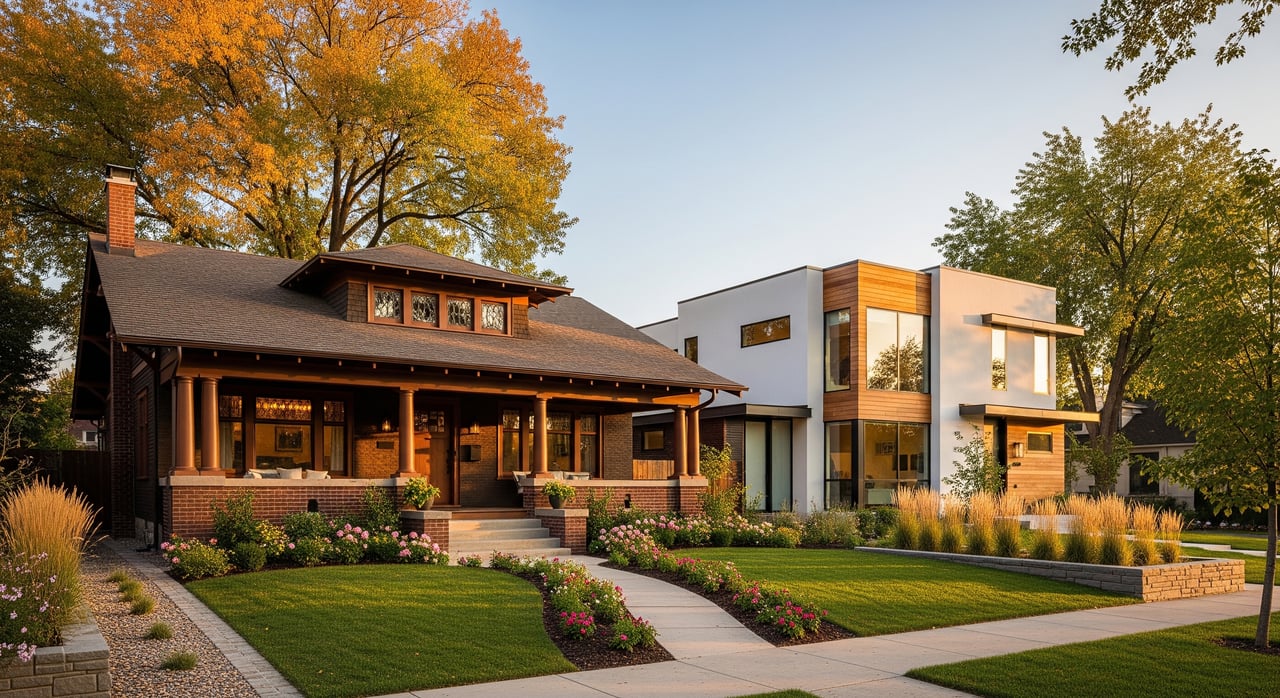
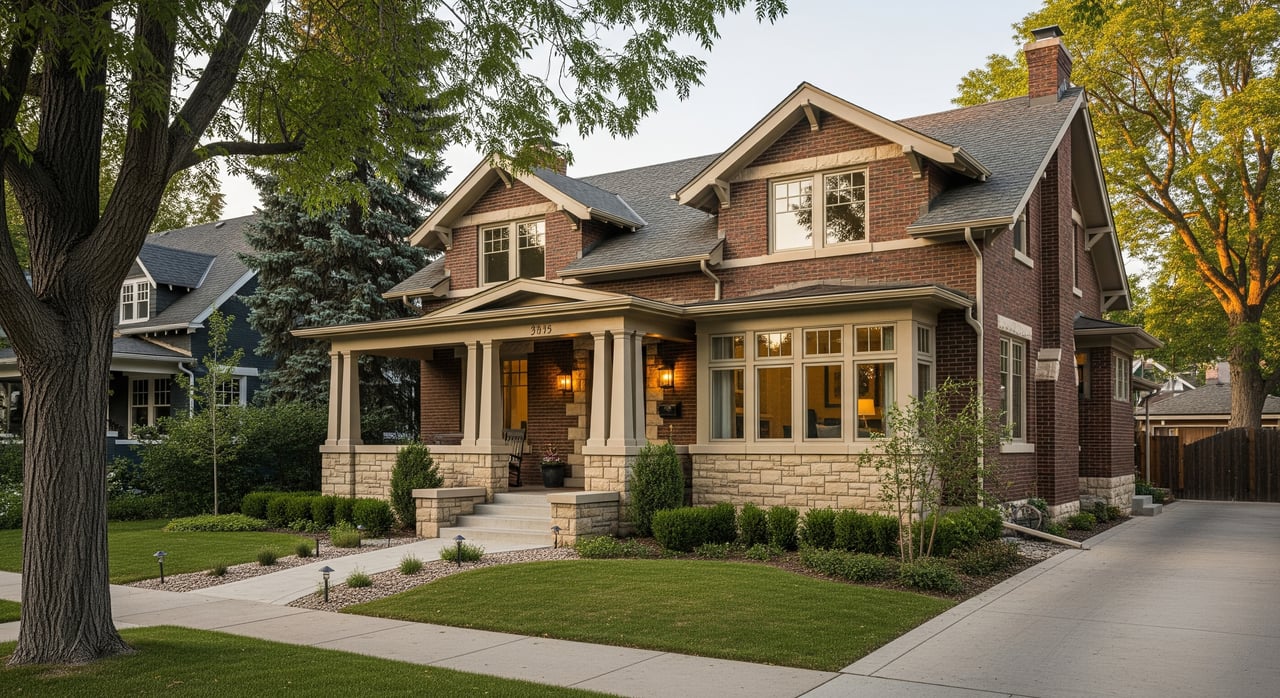
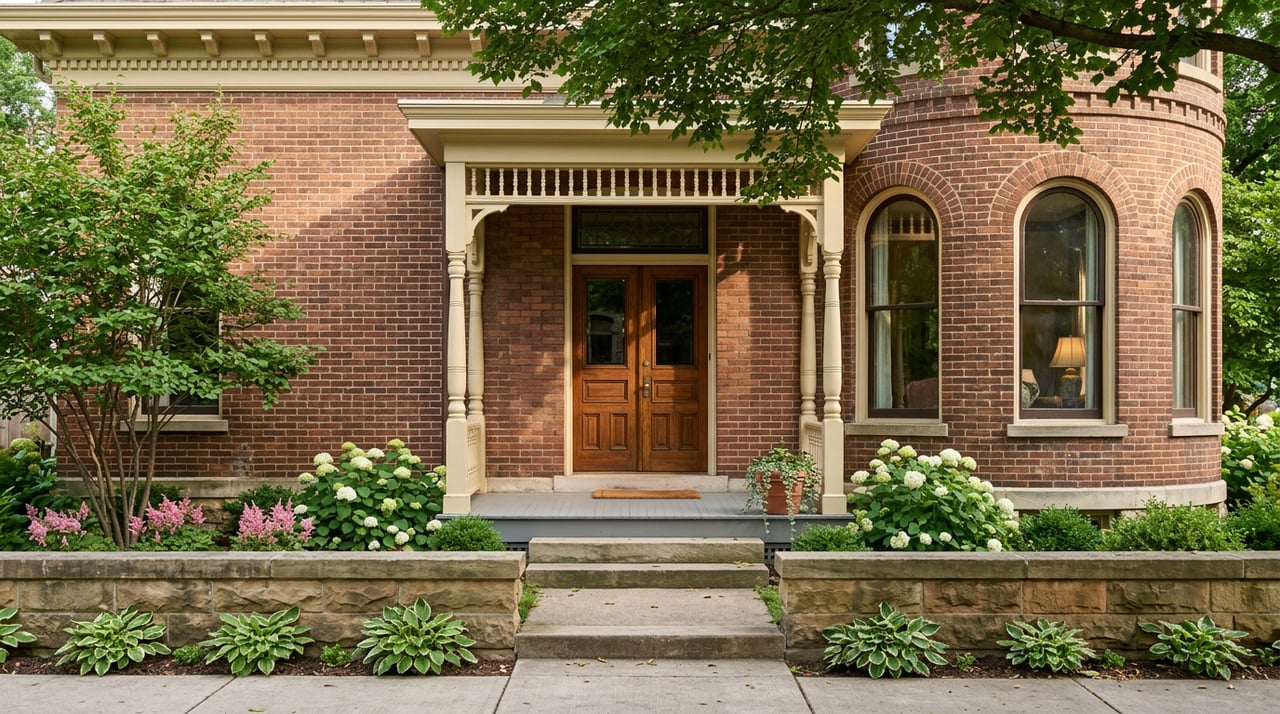
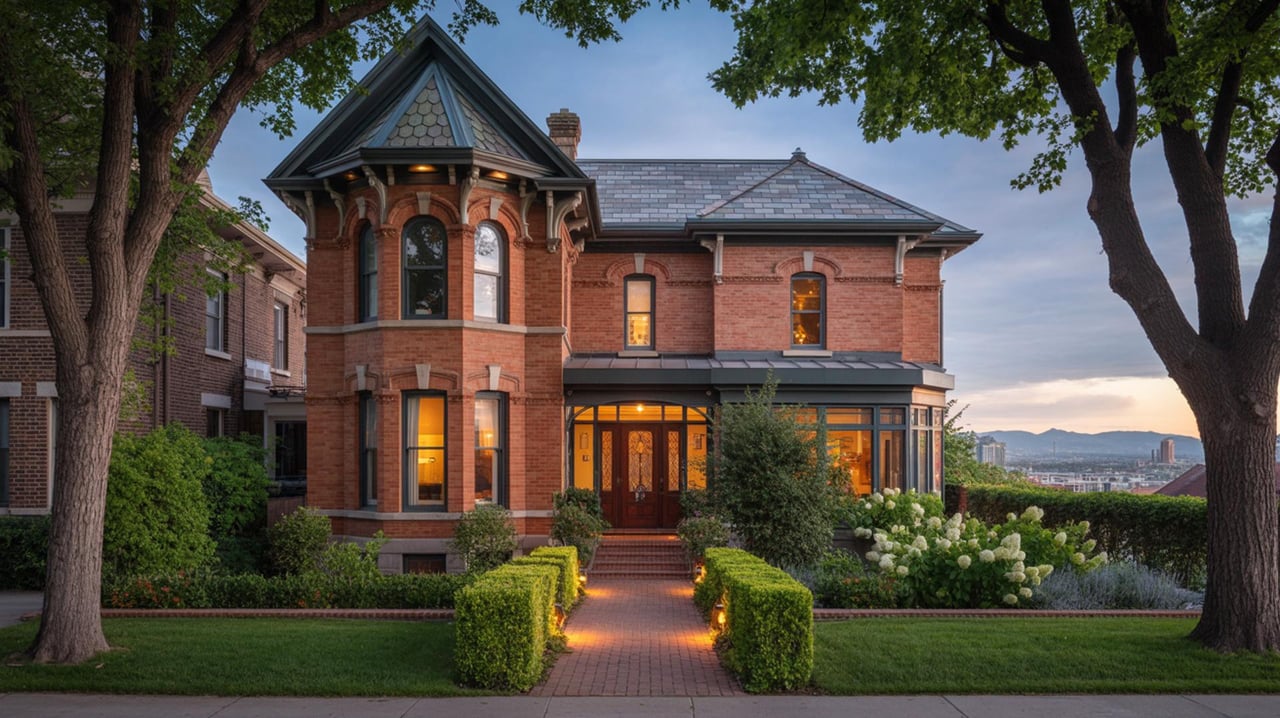
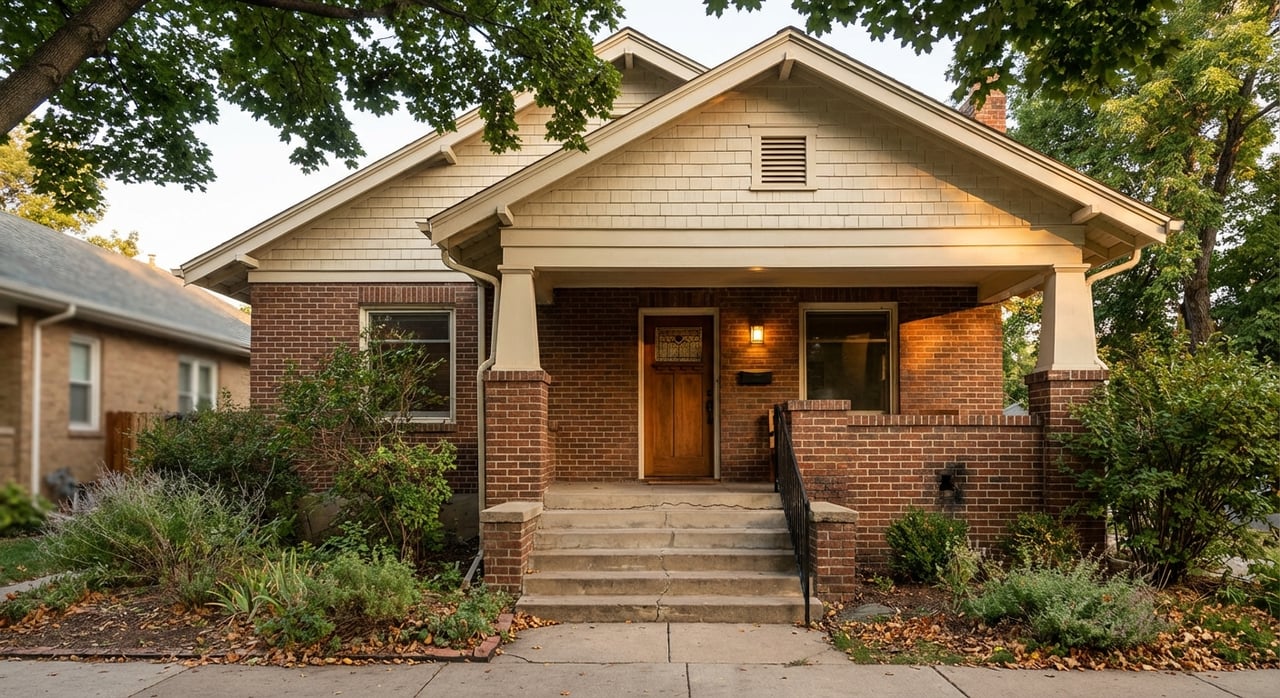
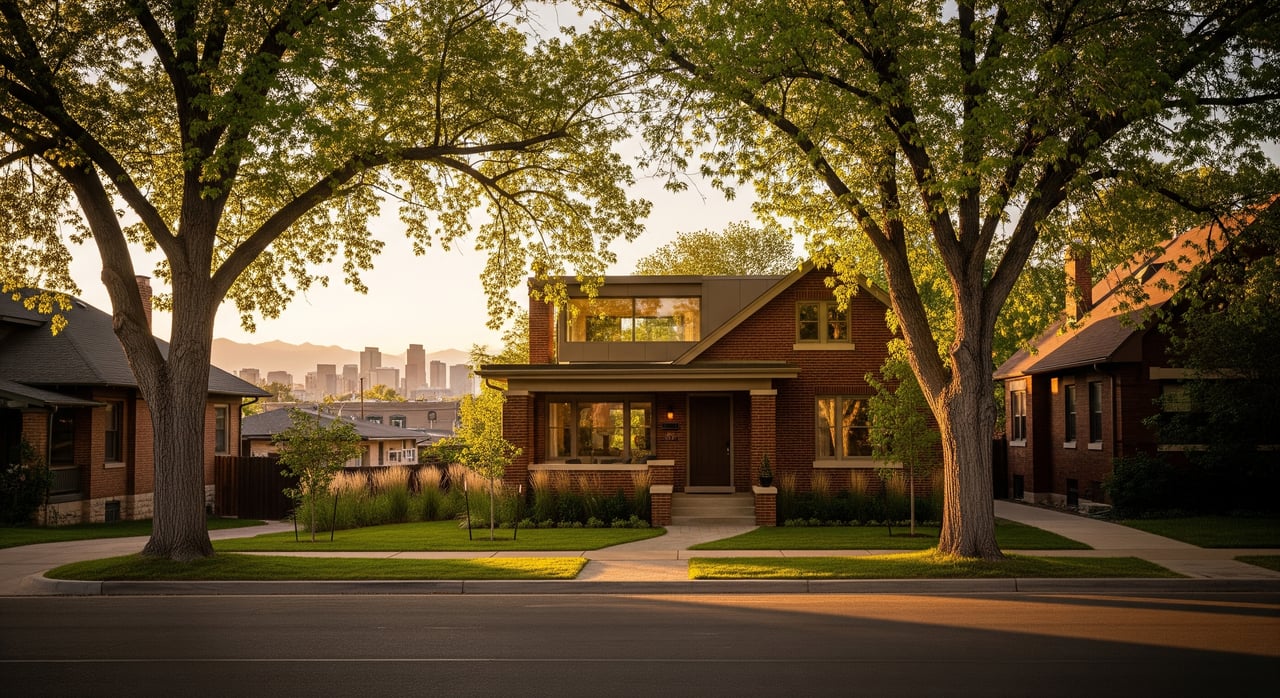
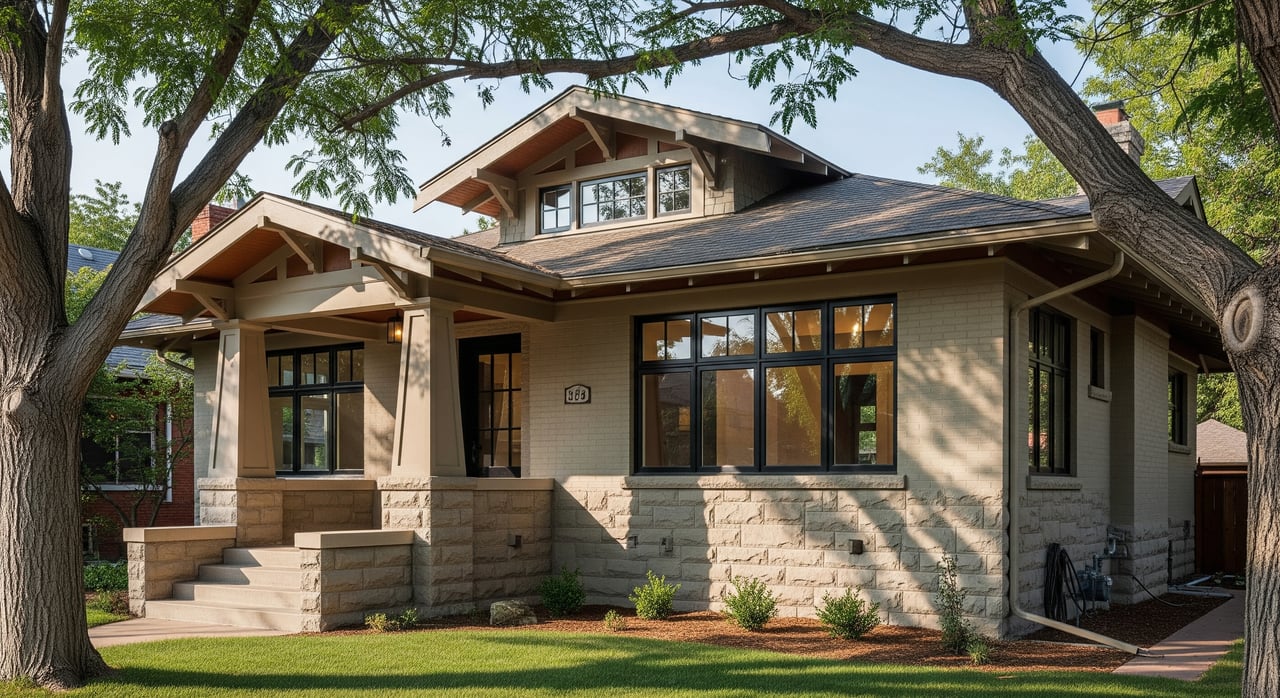
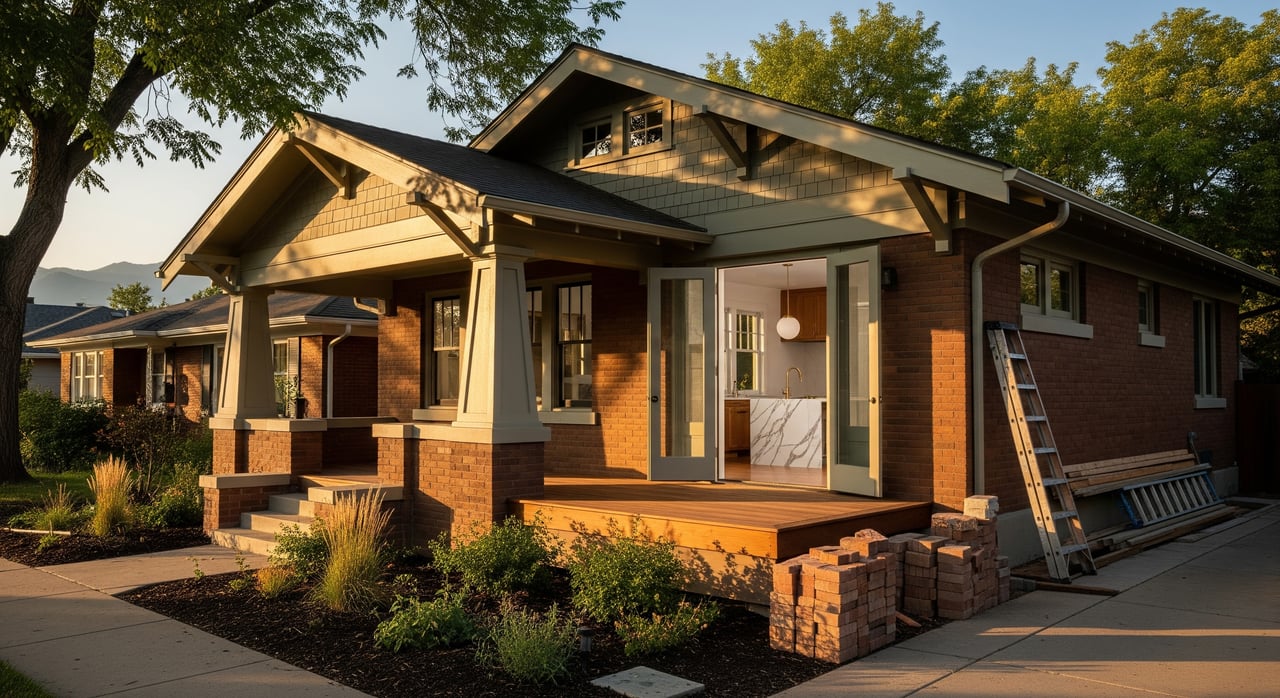
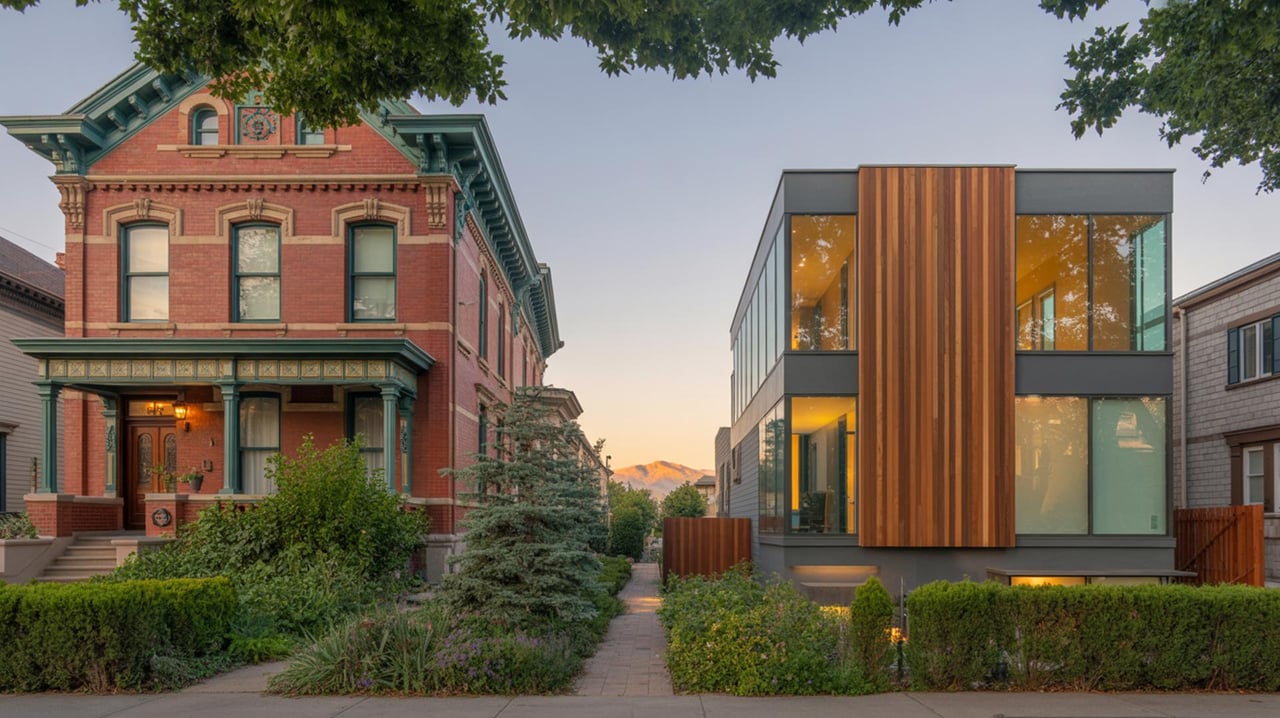
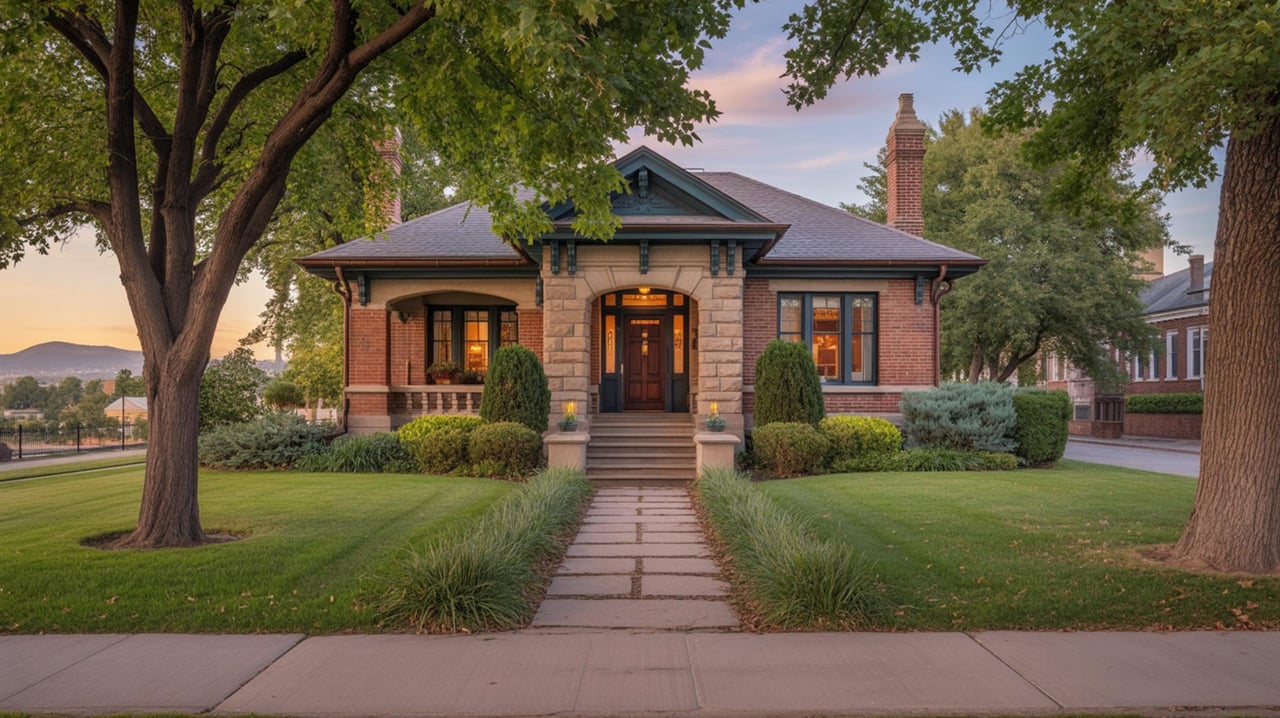
One of the biggest things to know about buying in Curtis Park is that there is no single “standard” older home here. The neighborhood includes Italianate, Eastlake, Queen Anne, Victorian eclectic, Romanesque, French Second Empire, Gothic Revival, bungalow, and Denver Foursquare homes, based on the city’s character-defining features document.
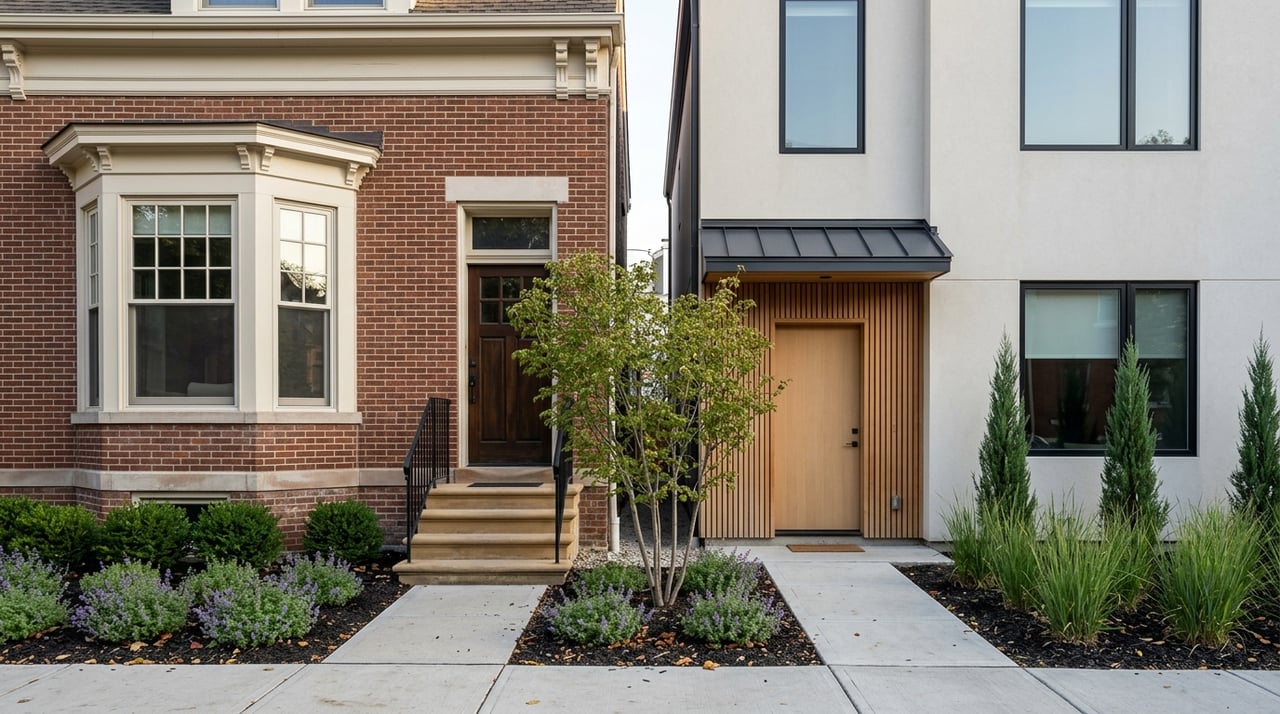
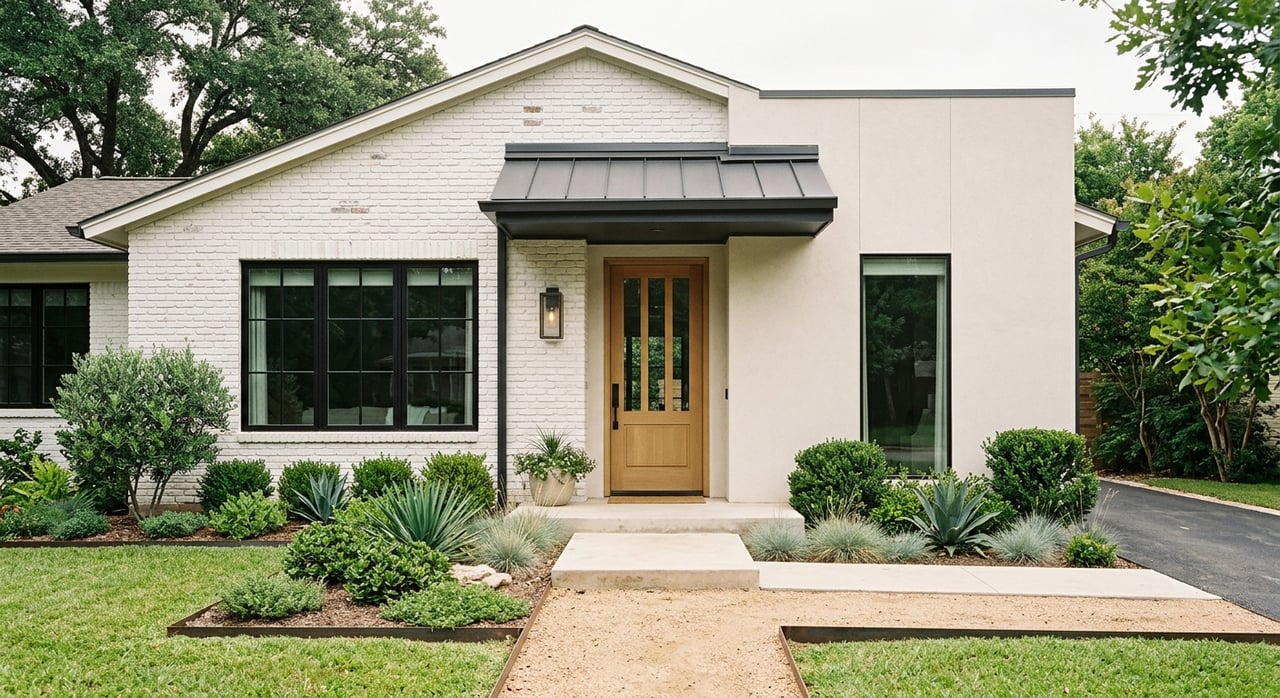
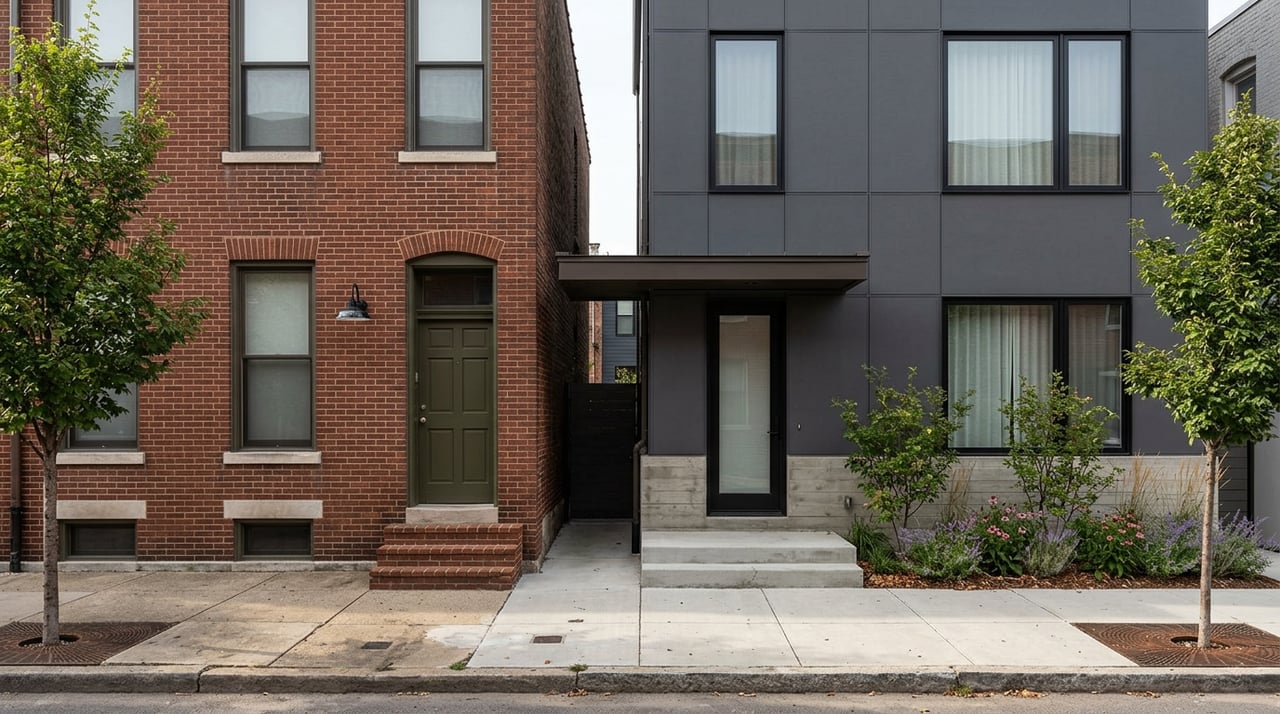
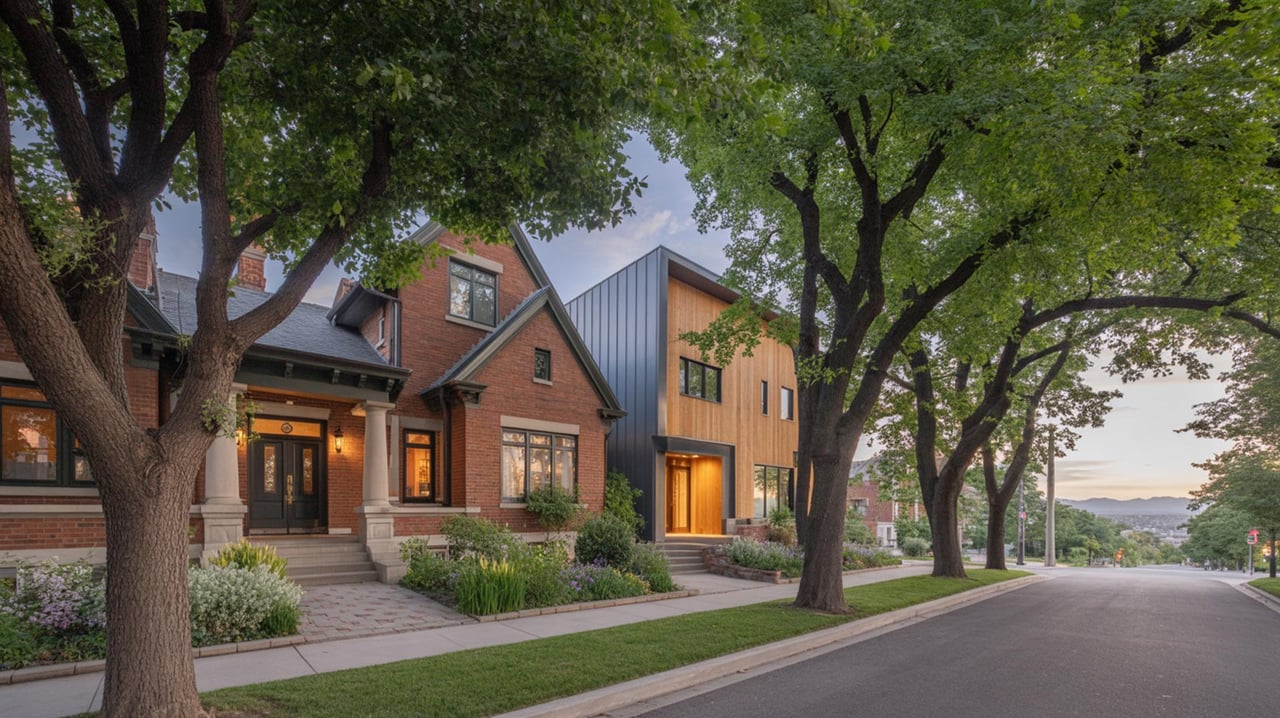
You may also see cottages, duplexes, rowhouses, and later infill mixed into the streetscape. Some homes still show original brick or wood construction, porches, windows, and roof forms, while others have altered interiors, additions, or layouts that were changed over time. In practical terms, that means you should evaluate each property on its own merits instead of assuming homes of a similar age will have the same condition.
What Older Homes Commonly Include
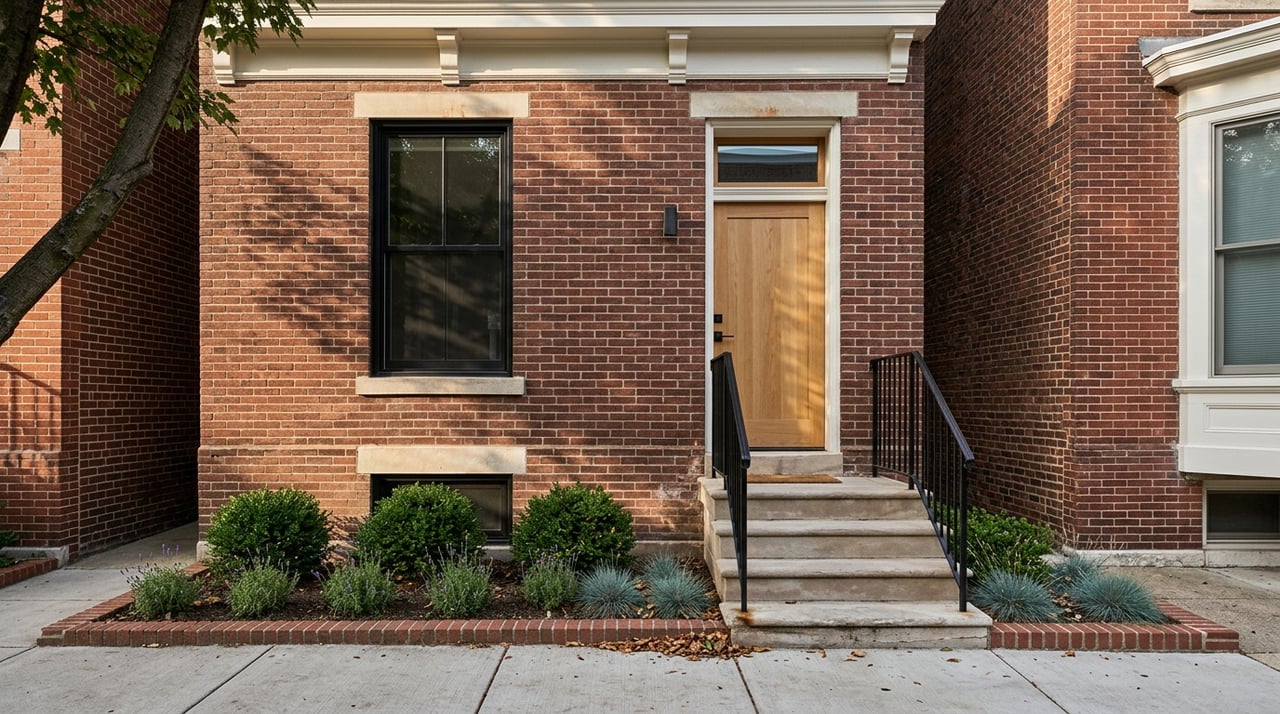
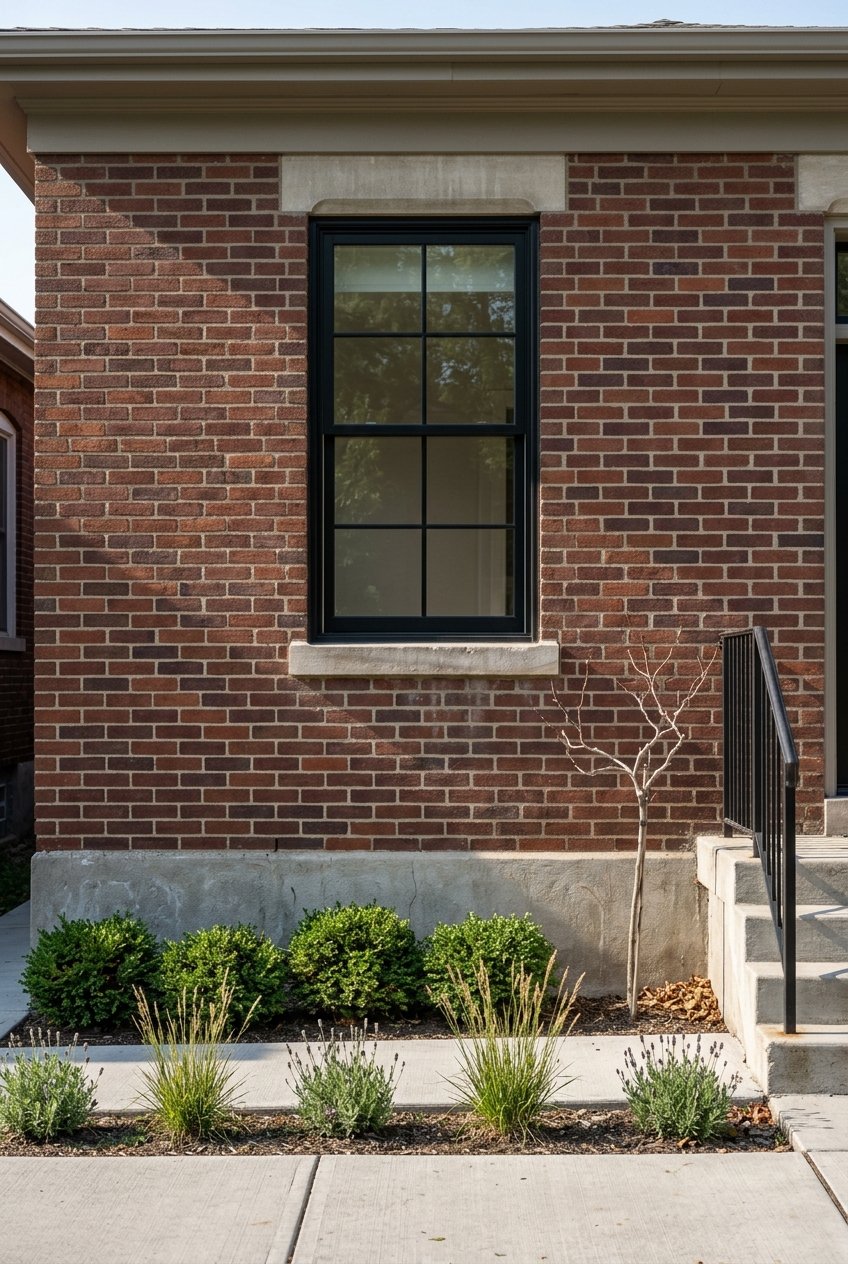
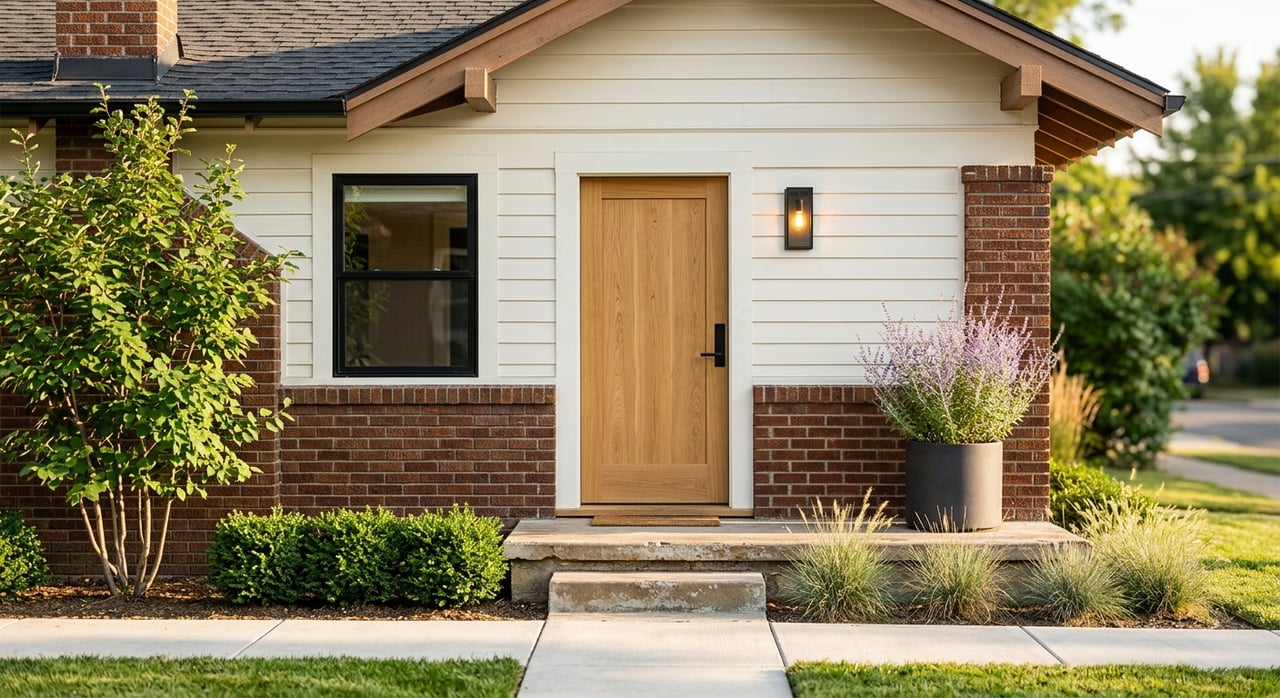
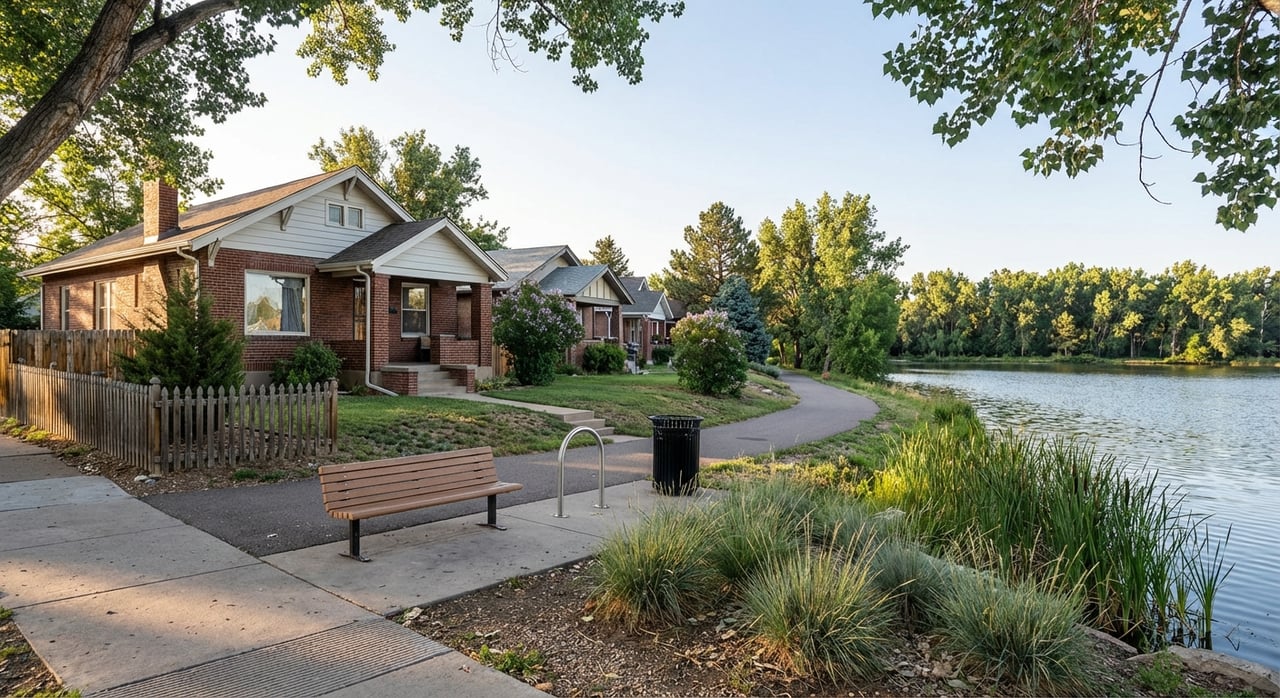
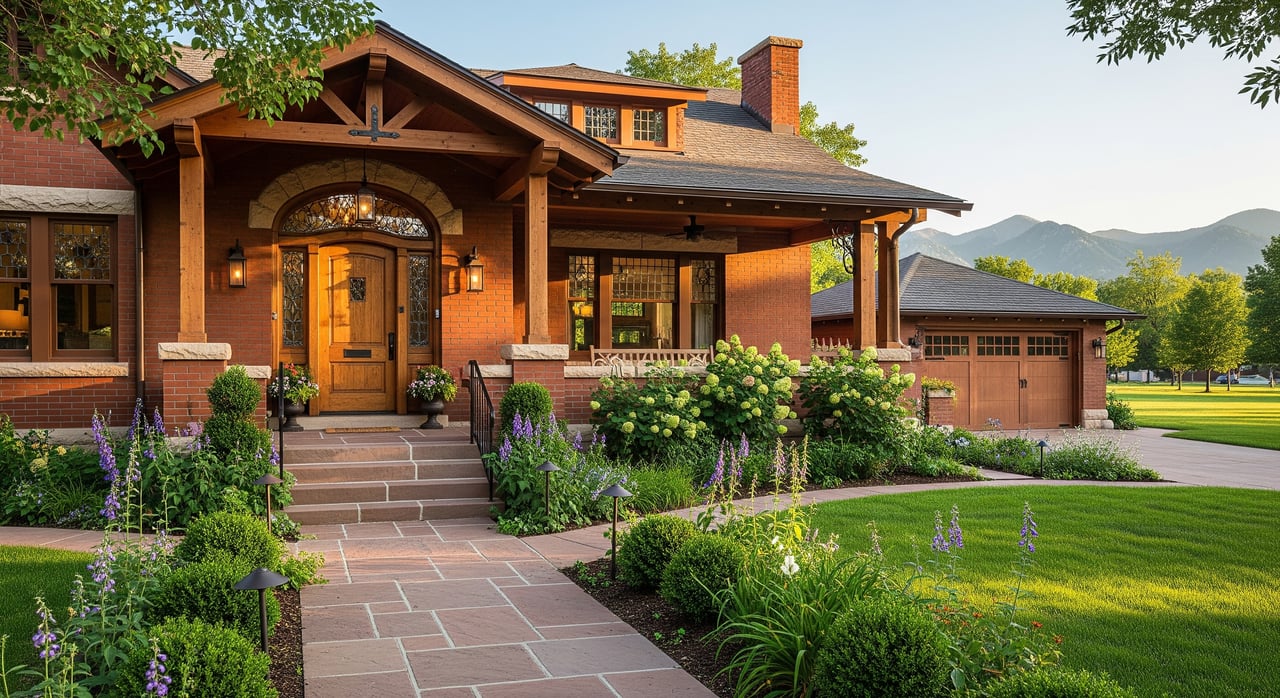
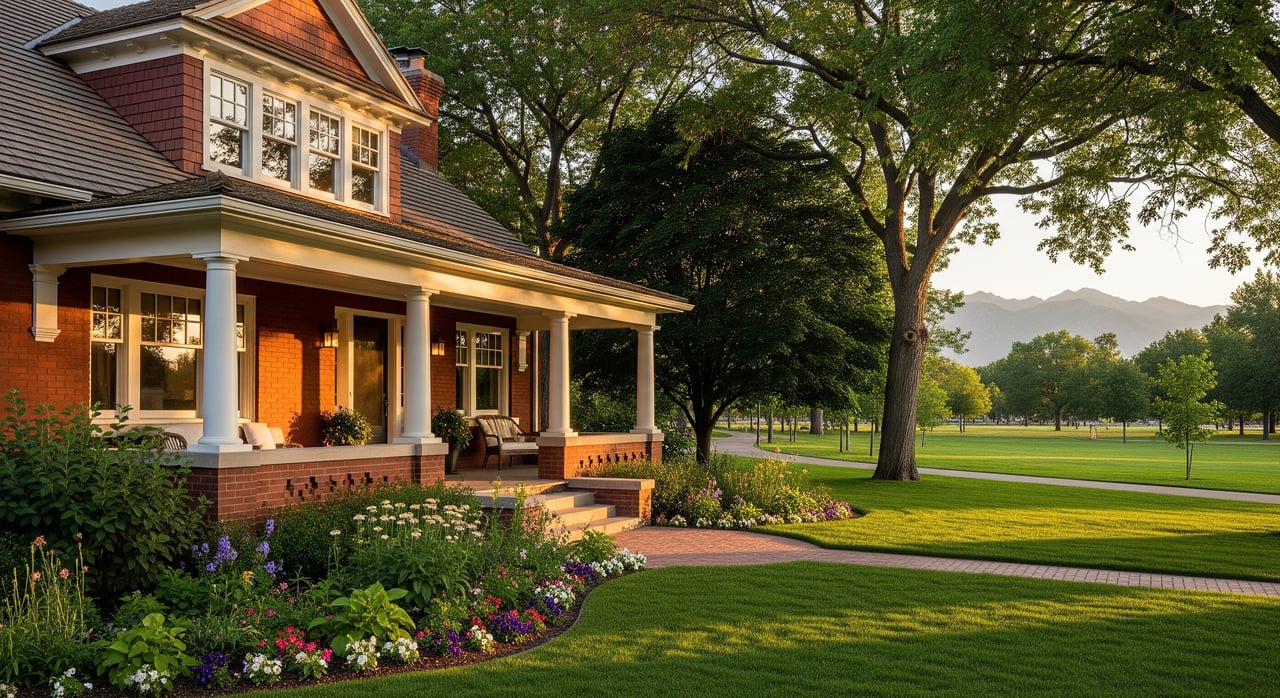
In Curtis Park, older homes often come with details that many buyers love, like tall narrow windows, front porches, decorative rooflines, and original exterior materials. The neighborhood’s physical form also tends to include narrow lots, shallow front yards, alley access, mature trees, and historic sandstone curbs and sidewalks.
Those features can be a big part of the appeal, but they can also affect your future plans. If you are hoping to add hardscaping, replace windows, or change outdoor features later, the historic setting may shape what is possible and what review steps are required.
Condition Can Be Mixed
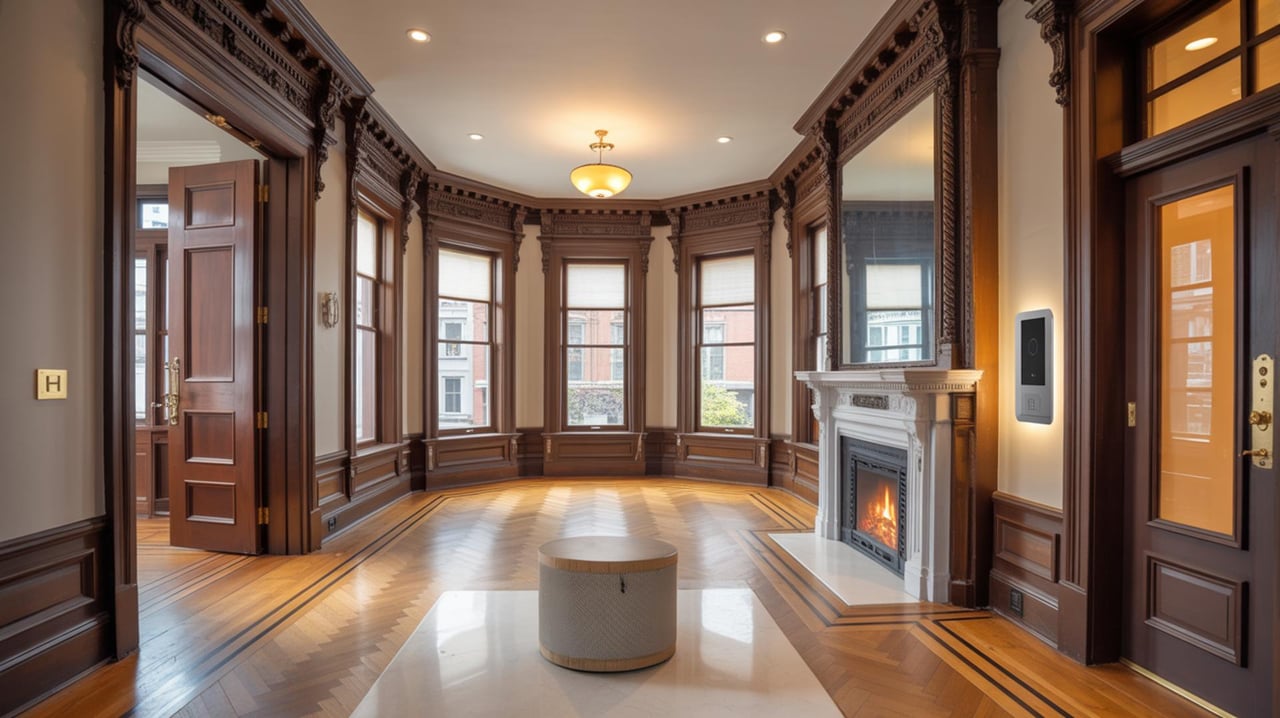
A home can be beautiful and still need a careful review. Because many Curtis Park homes are more than 100 years old and have been updated in phases, you should expect a mix of original features and later repairs instead of one clean renovation timeline.
Freddie Mac notes that older homes often have components updated at different times, which makes condition assessment more complex. A standard inspection is especially important because it helps you separate normal aging from deferred maintenance, identify likely repair costs, and prioritize updates after closing.
Your Inspection Matters More Here
When you buy an older home in Curtis Park, an inspection is not just a box to check. It is one of your best tools for understanding how the property has been maintained over time.
Since many homes have had repairs, remodels, or partial updates over the years, the inspection can help you spot where systems and finishes may be from different eras. It can also give you a clearer sense of which issues are cosmetic, which may need short-term attention, and which could affect your budget more significantly.
Lead Paint Should Be Part of Your Planning
If the home was built before 1978, lead-based paint is an important topic. The EPA explains that many homes built before 1978 have some lead-based paint, and buyers have a right to receive lead disclosures before signing.
This matters even more if you plan to renovate. The EPA also recommends using lead-safe certified contractors for renovation, repair, and painting work that could disturb older painted surfaces, especially around windows or during sanding and cutting. If you are budgeting for improvements, it is smart to include lead-safe work in your cost expectations.
Historic District Rules Can Affect Renovations
This is one of the biggest surprises for buyers. In Denver, properties located within a historic district are subject to design review, and exterior work on a landmark or historic-district property generally requires a Certificate of Appropriateness before you submit a permit application.
According to the city’s historic preservation guidance, a minor interior remodel with no exterior modifications is the main exception. If you are considering a specific property, it is wise to confirm its status using Denver’s official historic-landmarks map before you assume your future project will be simple.
Window and Door Changes Need Extra Attention
In many Curtis Park homes, windows and front doors are part of what gives the property its historic look. Denver reviews window and door replacement work on historic-district properties and strongly encourages retention of historic character windows and front façade doors.
The city’s window and door design review page explains that some common replacements may be approved administratively if they meet guidelines. Still, if you are thinking, “I’ll just replace the windows after closing,” it is best to assume there will be a review step first.
Outdoor Projects May Be More Limited
Buyers sometimes focus on the house and forget to ask about the lot. In Curtis Park, exterior site work can also be reviewed more closely than you might expect, especially in historic districts.
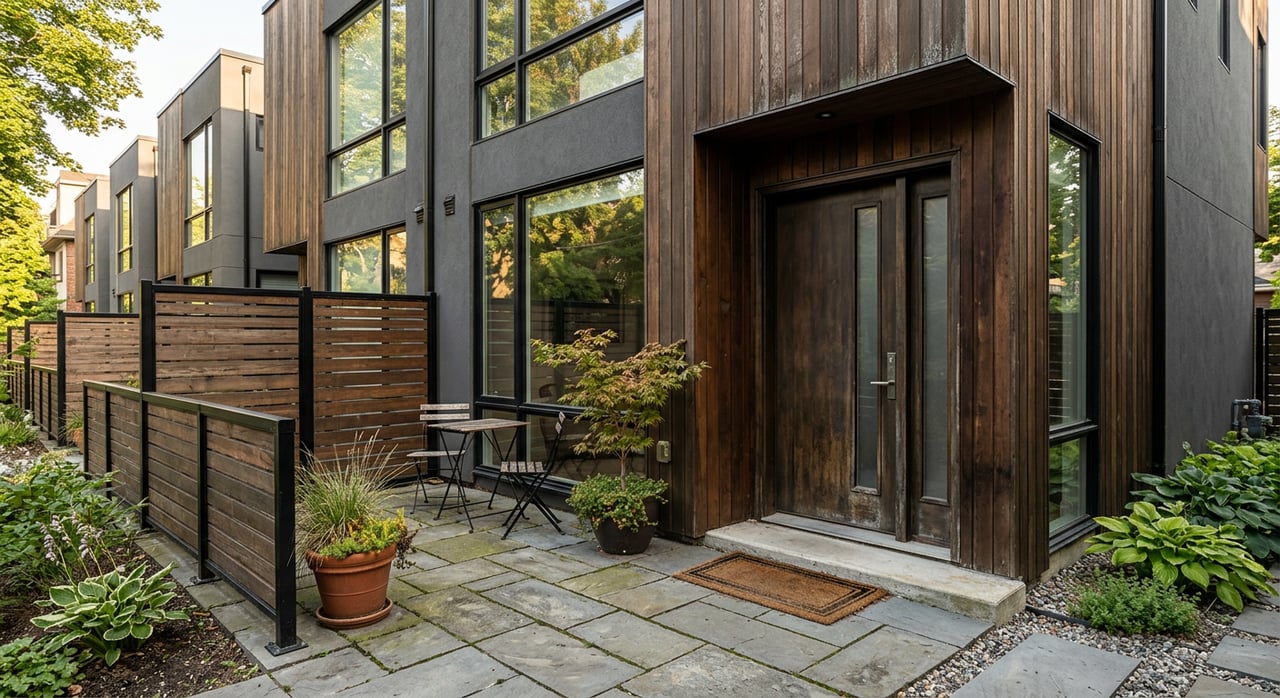
Denver reviews fences, retaining walls, walkways, decks, patios, pergolas, trellises, and lighting in these areas. The city’s fence and site work guidelines note that front-yard fences can be no more than 4 feet high and must be more than 50% open, while rear-yard fences can be no more than 6 feet high. Vinyl, PVC, and chain-link fences are not allowed in most historic districts and individual landmarks.
ADUs and Accessory Structures Have Rules Too
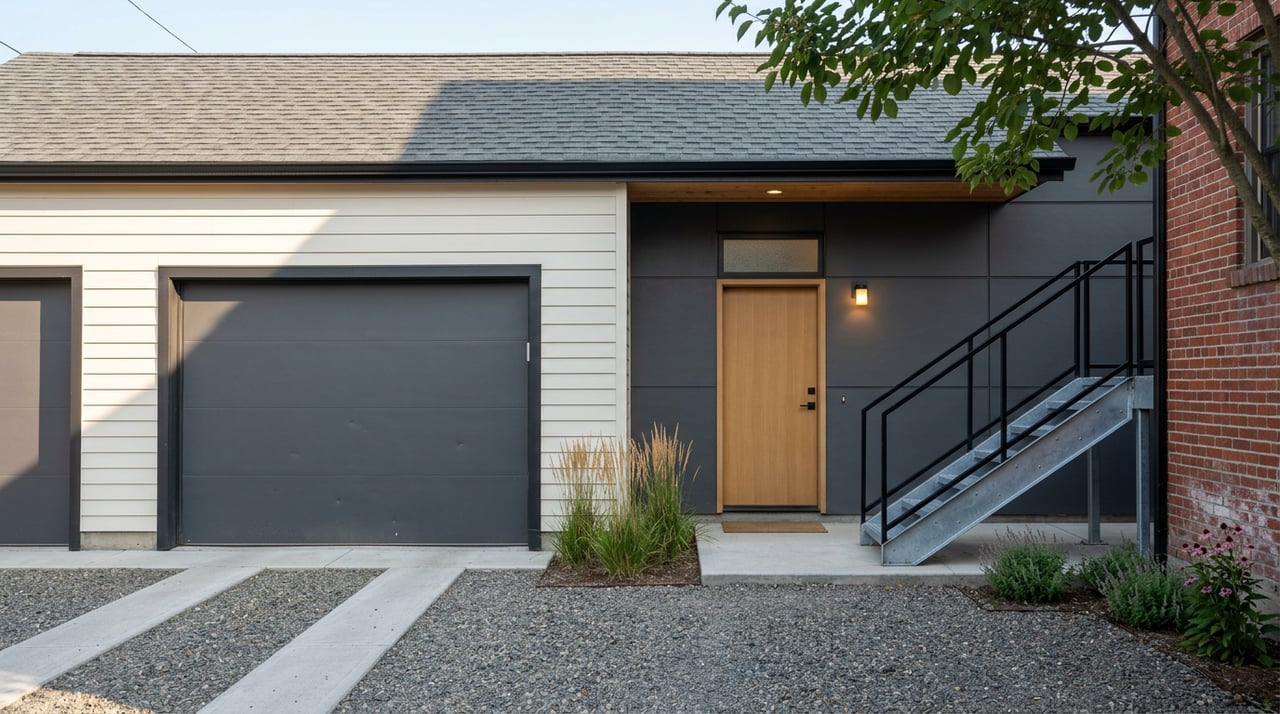
If you are buying with a future ADU, garage update, or accessory structure project in mind, do your homework early. Denver Landmark Preservation reviews those projects in historic districts, and material rules can affect design choices.
For example, the city’s ADU design review guidance says vinyl windows, vinyl siding, and faux-wood-grain products are not allowed for these projects in historic districts. Demolition of an accessory structure in a historic district also requires landmark approval.
Interior Work Is Often Easier, But Not Always Permit-Free
Many buyers assume interior remodeling is simple if they are not changing the exterior. In reality, interior work can still trigger permits depending on what you want to do.
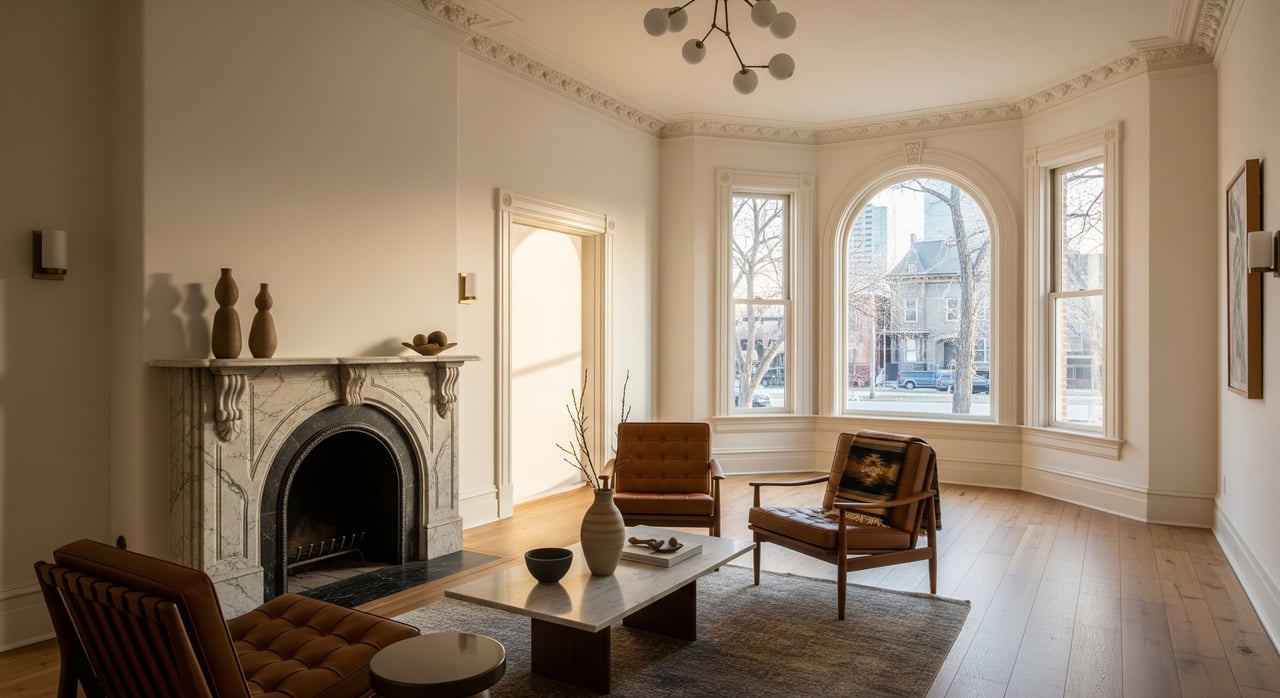
Denver’s residential interior remodel rules state that permits are required for changes to doorway openings, new or resized windows, egress windows, structural work, ductwork, and new or relocated plumbing or electrical fixtures. If the home has an older layout that you want to rework, this is important to factor into your budget and timeline.
Questions to Ask Before You Buy
If you are serious about a Curtis Park property, these questions can help you make a better decision:
- Is the home inside a historic district or individually designated?
- Which exterior features appear to be original, and which were changed later?
- Have windows, doors, porches, or fences been replaced, and if so, were they reviewed or permitted if required?
- Are there signs of phased updates that may point to different ages of repair work?
- If you want to renovate after closing, what city review steps could apply?
- Was the home built before 1978, and if so, how will you plan for lead-safe work?
These questions will not answer everything, but they can help you move from “This house is charming” to “This house fits my budget, goals, and renovation plans.”
Why Local Guidance Helps
Buying an older home in Curtis Park is rarely just about square footage and finishes. You are also evaluating historic status, renovation flexibility, and the real cost of maintaining or improving a property with age and character.
That is where local guidance can make a big difference. A neighborhood-focused brokerage can help you ask better questions, spot issues that deserve a second look, and think through how a home fits your goals now and later. If you want a steady, local guide as you explore older homes in central Denver, connect with Luxe Realty for personalized support.
FAQs
What should buyers expect from an older home in Curtis Park?
- You should expect a mix of original features and later updates, with condition varying from property to property rather than following a single pattern.
What historic district rules apply to Curtis Park homes?
- If a property is in a historic district, exterior work usually goes through design review and often requires a Certificate of Appropriateness before permit submission.
What should buyers know about replacing windows in Curtis Park?
- Window replacement on historic-district properties is reviewed by Denver, and buyers should assume there will be a review step before ordering new windows.
What lead paint concerns come with buying an older Curtis Park home?
- Homes built before 1978 may contain lead-based paint, and buyers should review disclosures and budget for lead-safe renovation practices when disturbing painted surfaces.
What permits are needed for interior remodeling in a Curtis Park home?
- Permits may be required for structural changes, resized openings, egress windows, ductwork, and new or relocated plumbing or electrical fixtures.
Can buyers add a fence, patio, or ADU to a Curtis Park property later?
- Often yes, but in historic districts those projects are reviewed for compatibility, and city rules may limit materials, height, and design options.