If you are eyeing Sloan’s Lake for your next rental property, you are not alone. This west Denver neighborhood blends lakefront lifestyle, park access, and quick proximity to Downtown, which makes it easy to see why renters keep it on their radar. For investors, the opportunity is real, but so is the need for careful numbers, realistic rent expectations, and Denver-specific compliance. Let’s dive in.
Why Sloan’s Lake Attracts Renters
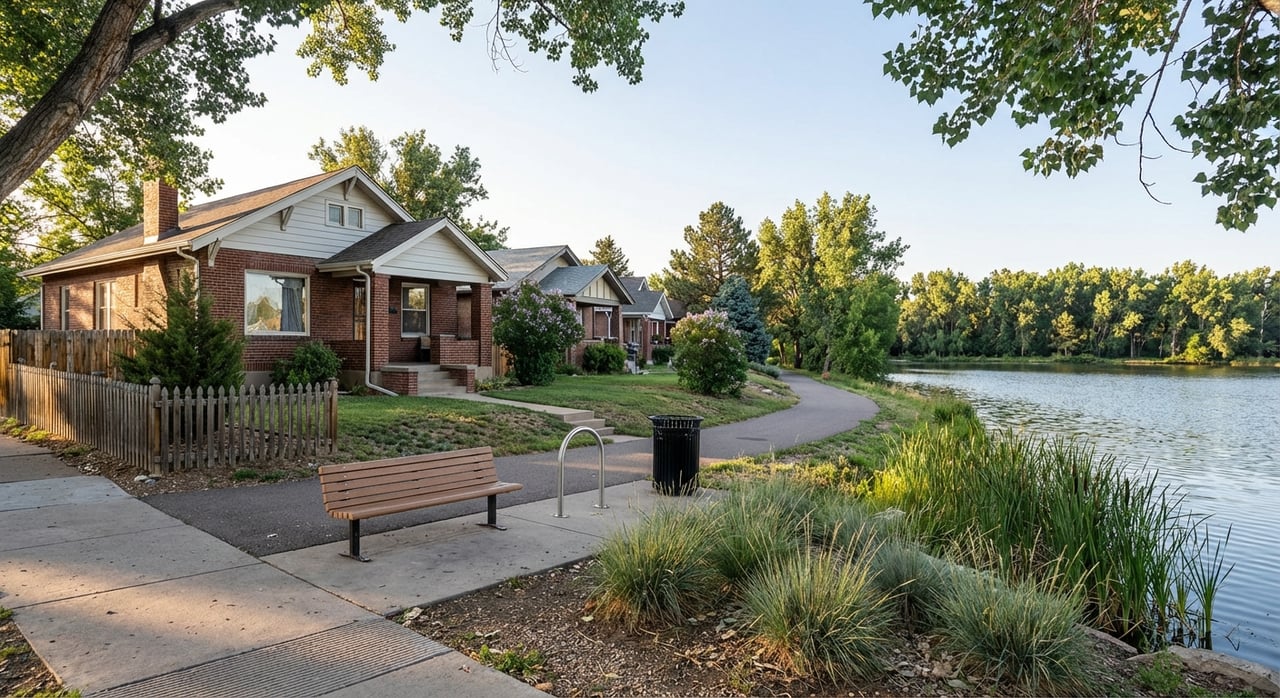
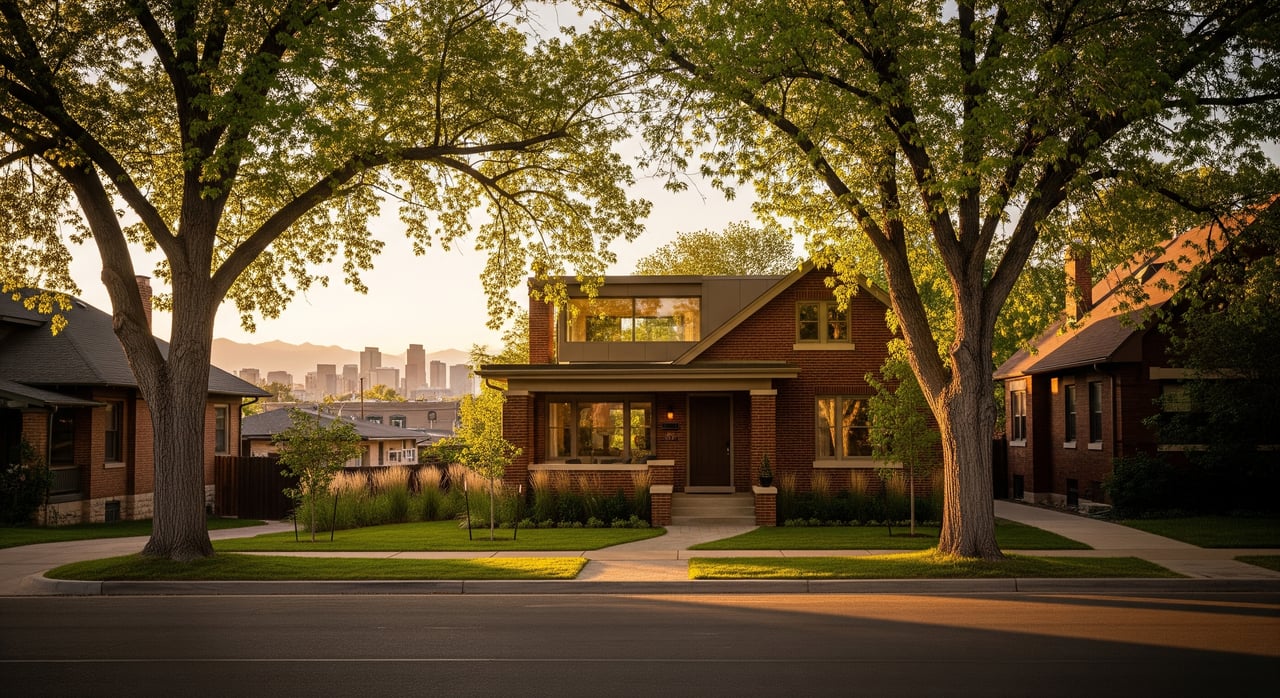
Sloan’s Lake sits about three miles from Downtown Denver, giving renters a location that feels connected without being in the middle of the city core. The neighborhood is widely known for walkability and for its connection to Sloan’s Lake Park, which continues to benefit from city attention and improvement projects.
That lifestyle piece matters. Renters drawn to Sloan’s Lake are often paying for more than square footage. They are also paying for park access, outdoor recreation, neighborhood character, and an easy route to work, dining, and daily errands.
Denver’s broader planning work in the west area also supports many of the features renters value here. The city has emphasized pedestrian safety, parks and open space, trails, transit facilities, and mixed housing choices near corridors, all of which support Sloan’s Lake’s appeal as a convenience-driven rental location.
What Makes the Area Different
Sloan’s Lake is not just another central Denver neighborhood with apartments. It has a strong identity tied to the lake and park, and that can create a premium feel for tenants who want a more active, outdoor-oriented lifestyle.
At the same time, it helps to understand the lake as it really is. Denver notes that Sloan’s Lake is a managed urban water body that receives substantial stormwater runoff, is shallow, and is monitored for water quality and blue-green algae. From an investor standpoint, that means the lake remains a major draw, but tenant perception can be influenced by seasonal conditions and public advisories.
Sloan’s Lake Rental Types to Consider
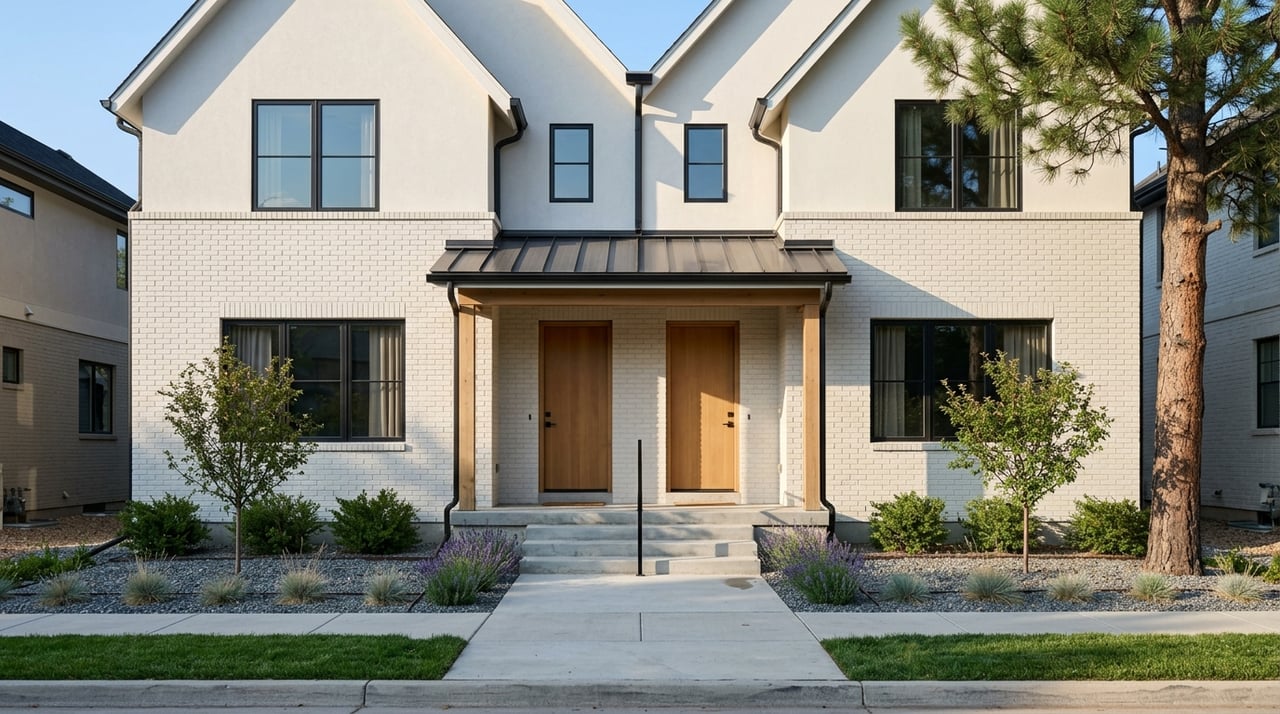
One of the strengths of this submarket is its range of rental product types. Current listings show apartments, condos, and townhomes in the neighborhood, which means you are not locked into a single renter profile or investment path.
As of May 2026, average apartment rents in Sloan Lake were reported at:
- Studio: $1,330
- One-bedroom: $1,719
- Two-bedroom: $2,360
- Three-bedroom: $2,743
The same source showed 338 rentals and rents down 1.9% year over year. That is important context if you are underwriting a purchase today.
Apartments and Smaller Units
Studios and one-bedroom units can appeal to renters who want location and lifestyle first. In a neighborhood like Sloan’s Lake, that often means people are willing to trade some space for walkability, park access, and an easy commute.
Smaller units may also offer a lower entry point for investors. Still, in a softer leasing market, they need to be priced carefully and presented well to compete with nearby supply.
Condos and Townhomes
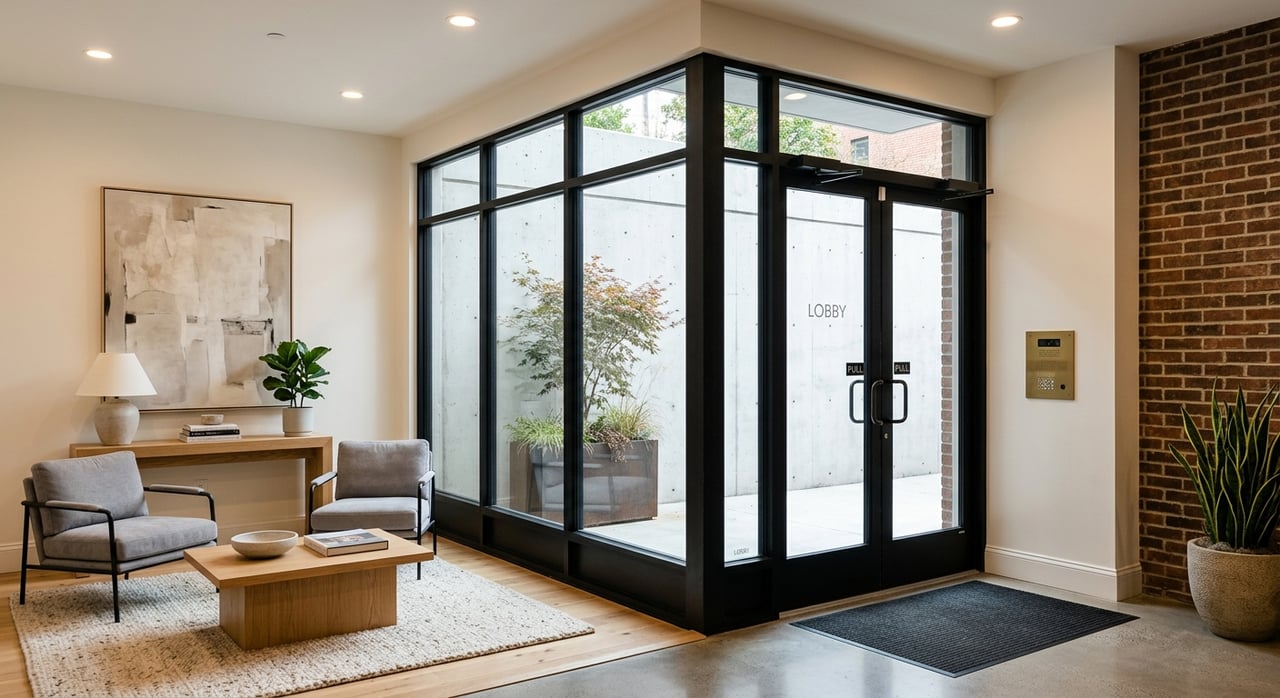
Condos and townhomes can open the door to renters who want more privacy, more functional layouts, or features like attached garages, patios, or extra storage. In Sloan’s Lake, that can fit the neighborhood’s lifestyle appeal well.
Before buying this type of property, HOA review is essential. In Colorado, associations may enforce leasing restrictions or minimum lease terms if their governing documents allow it, so investors should review those documents closely before closing.
ADU Opportunities
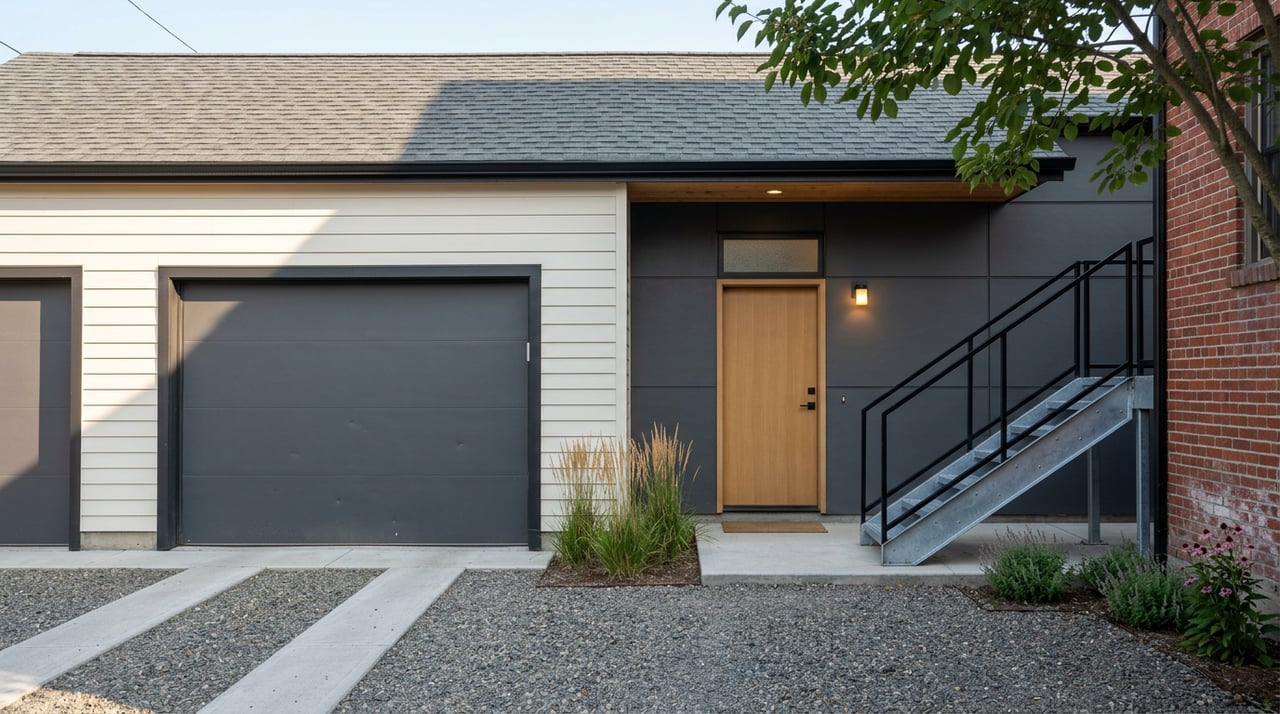
Accessory dwelling units can be especially interesting in Sloan’s Lake. Denver says the neighborhood was rezoned in 2021 to allow ADUs, and the city later expanded ADU access to all residential areas citywide.
Under current Denver rules, ADUs are allowed in any zone district that allows new single-unit dwellings. They must be built by a licensed contractor and require zoning, building, and sewer permits. In single-unit zone districts, the owner must live in the main house when applying for ADU permits unless the house and ADU are built at the same time.
For house hackers or owner-occupants, that can create a flexible path to rental income. For purely absentee investors, the details matter, so permit and occupancy rules should be reviewed early.
Long-Term Rentals Make the Most Sense
If you are thinking about a short-term rental strategy, Denver’s rules narrow that option quite a bit. The city requires a short-term rental license only for a primary residence.
That means a Sloan’s Lake Airbnb-style investment is usually not the straightforward path for an outside investor. By contrast, rentals of 30 days or more fall under Denver’s residential rental property license program, which makes long-term rental strategies the more practical fit for most investors here.
What the Market Data Means for Investors
Sloan’s Lake still has strong renter appeal, but this is not a market where aggressive assumptions make sense. The latest data points to a softer leasing environment across the Denver area.
AAMD reported Denver-area vacancy at 7.6% in May 2026. It also said roughly half of area buildings were offering aggressive concessions, while an earlier July 2025 report showed metro rents down 3.7% year over year and concessions averaging about 4.9% of gross rent.
For Sloan Lake specifically, the apartment data showed that 1.9% annual rent decline. That does not eliminate the neighborhood premium, but it does mean investors should build in more breathing room.
Underwrite Conservatively
In this kind of market, conservative assumptions can protect you from surprises. It is smart to plan for:
- Slightly longer vacancy periods
- Potential lease-up concessions
- Rent growth that is flat or modest
- Marketing and turnover costs that may run higher than expected
A deal can still work in Sloan’s Lake, but the margin for error is smaller if you overestimate rent or underestimate competition.
Focus on Unit Quality
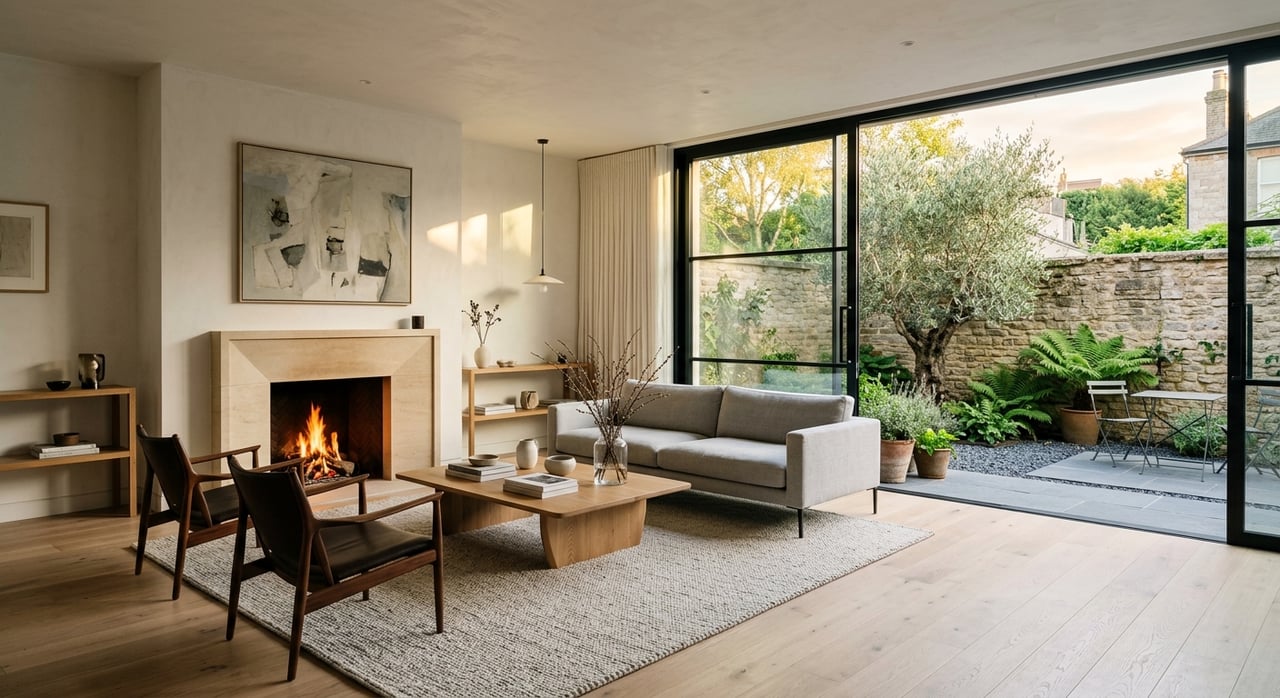
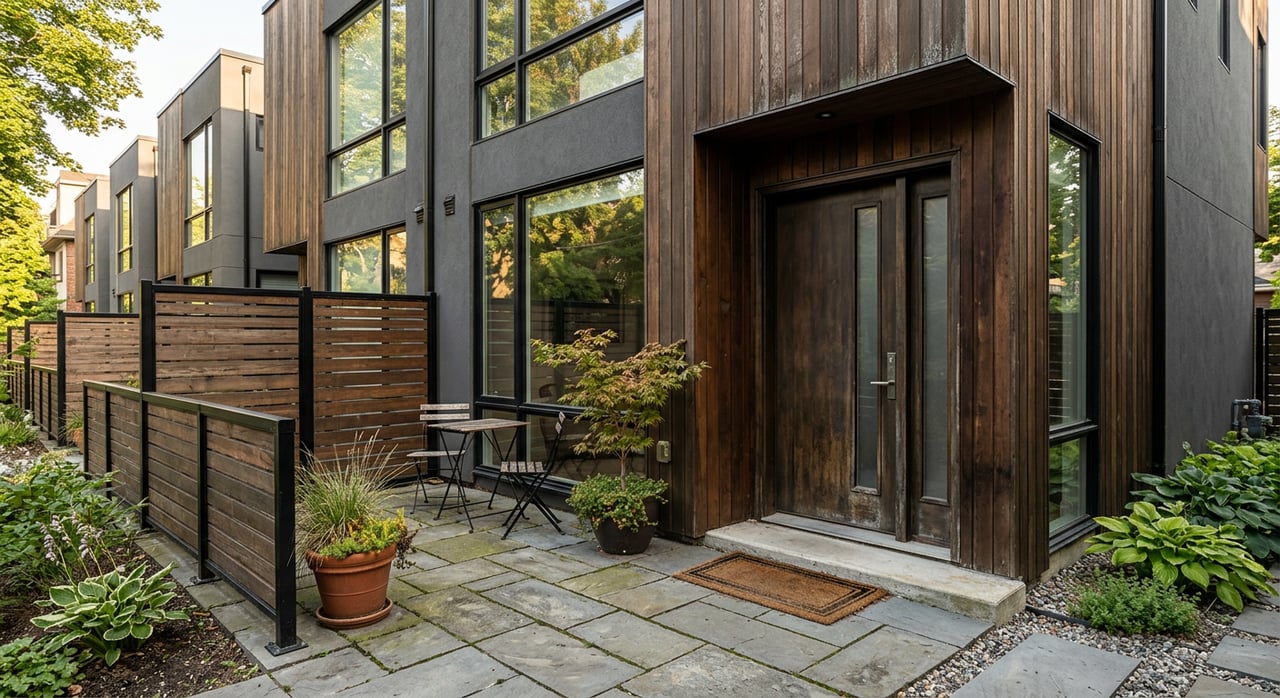
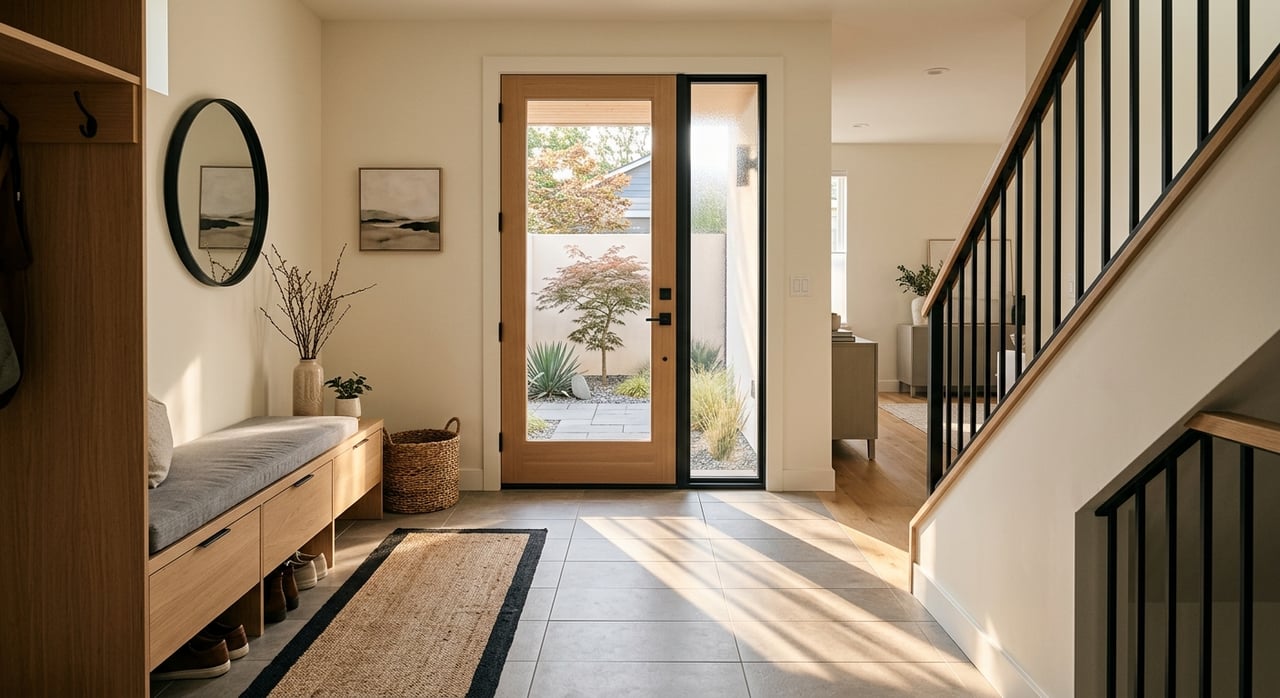
In a lifestyle-driven submarket, presentation matters. Units that tend to stand out are the ones that make daily life easy and comfortable.
That can include features like a functional layout, strong natural light, parking if available, storage, and finishes that clearly support the asking rent. When tenants have options, friction-free living becomes a real advantage.
Due Diligence Checklist for Sloan’s Lake Investors
Strong neighborhoods do not replace good diligence. Before you close on a Sloan’s Lake rental, it helps to run through a Denver-specific checklist.
Verify Rental Licensing
For rentals of 30 days or more, Denver requires a residential rental property license. The city says this license requires a passing inspection by a certified third-party home inspector, lasts four years unless ownership changes, and is non-transferable.
If a unit is rented without the required license, fines may apply. Investors should confirm the licensing timeline and inspection requirements before they plan occupancy or lease-up.
Plan for Tenant Document Rules
Denver also requires landlords to give tenants the Tenant Rights and Resources document when the lease is signed. The city says landlords must provide it again if a rent demand is served.
This is a simple step, but it should be part of your property management workflow from day one. Missing basic compliance items can create avoidable issues later.
Review HOA Rules Carefully
If you are buying a condo or townhome, do not stop at monthly dues. Colorado guidance makes clear that HOA restrictions can affect whether you can lease the property and how you can lease it.
Review the governing documents, lease restrictions, minimum lease terms, financial statements, reserve levels, meeting minutes, and any history of special assessments. Since the state says there is no regulatory oversight of HOAs, your own review matters even more.
Include Citywide Carrying Costs
Not every ownership cost shows up in your mortgage payment. Denver’s sidewalk program applies citywide, and for 2026 the annual sidewalk service charge is $150 for about 96% of property owners.
That fee is not unique to Sloan’s Lake, but it is part of the real carrying-cost picture for rental ownership in Denver. Small line items add up, especially when market rents are under pressure.
A Practical Sloan’s Lake Investment Approach
For many investors, the best Sloan’s Lake strategy is simple. Look for a property that fits the neighborhood’s lifestyle appeal, underwrite with caution, and make sure the property can compete on usability, not just location.
That may mean targeting a condo or townhome with strong layout and storage, or exploring an owner-occupied setup with ADU potential if that matches your goals. Either way, the neighborhood tends to reward thoughtful buying more than speculative buying.
The good news is that Sloan’s Lake still offers a clear renter story. People are drawn to the park, the lake, walkability, and the connection to central Denver. If you pair that demand with disciplined due diligence and realistic numbers, you can make better investment decisions with fewer surprises.
If you want help evaluating a Sloan’s Lake rental opportunity, comparing product types, or pressure-testing your numbers before you buy, Luxe Realty offers the local, hands-on guidance that can help you move with more confidence.
FAQs
What makes Sloan’s Lake attractive for Denver renters?
- Sloan’s Lake attracts renters with its park access, walkability, outdoor recreation, and location about three miles from Downtown Denver.
What rental property types are available in Sloan’s Lake?
- Sloan’s Lake has a mix of apartments, condos, and townhomes, giving investors several ways to match different renter needs and budgets.
What are average apartment rents in Sloan’s Lake in 2026?
- As of May 2026, reported average apartment rents were $1,330 for studios, $1,719 for one-bedrooms, $2,360 for two-bedrooms, and $2,743 for three-bedrooms.
Can you use an ADU as a rental in Sloan’s Lake?
- Often yes, but the property must meet Denver zoning and permitting rules, and long-term rental licensing requirements still apply.
Can an HOA restrict rentals in a Sloan’s Lake condo or townhome?
- Yes, Colorado guidance says HOAs may enforce leasing restrictions or minimum lease terms if their governing documents allow it.
Can you run a short-term rental investment in Sloan’s Lake?
- Usually not unless the property qualifies as your primary residence under Denver’s short-term rental rules.
What license do you need for a long-term rental in Denver?
- For rentals of 30 days or more, Denver requires a residential rental property license, which includes a passing inspection and must be renewed based on city rules.
How should investors underwrite a Sloan’s Lake rental in today’s market?
- Investors should use conservative rent assumptions, budget for possible concessions, and allow for longer vacancy due to softer Denver-area leasing conditions.