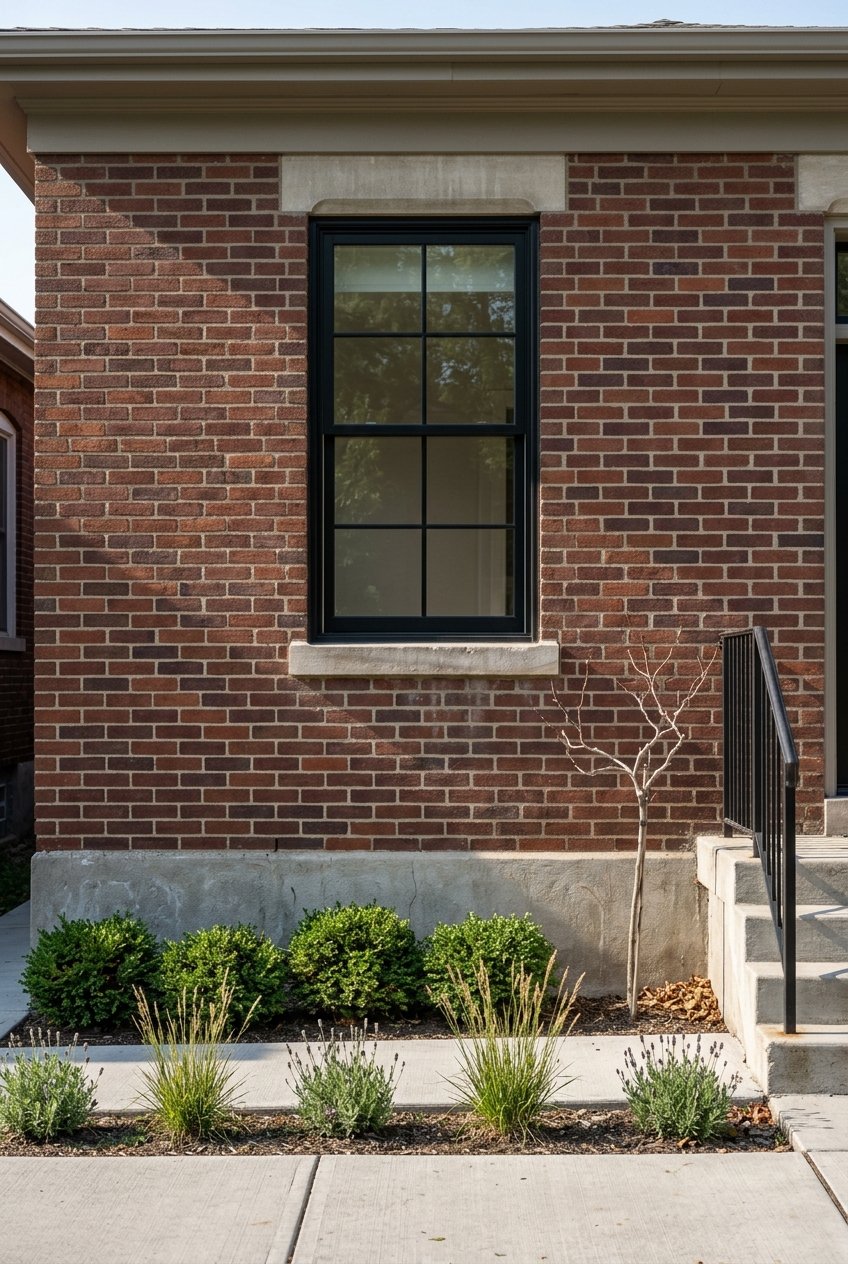
Wondering if that charming brick bungalow or porch-front Denver Square in the Highlands is a dream home or a future renovation puzzle? You are not alone. Buying a historic home in Denver’s Highlands or LoHi can be exciting, but it also comes with questions about preservation rules, maintenance, and what you can realistically change over time. This guide will help you understand what to look for, what to ask, and how to buy with confidence. Let’s dive in.
Why Highlands historic homes stand out
The Highlands began as the Town of Highlands in 1875 and was annexed into Denver in 1896. The area grew as a streetcar suburb, which helps explain the mix of late Victorian-era homes, compact lots, front porches, and neighborhood commercial strips that still shape the area today.
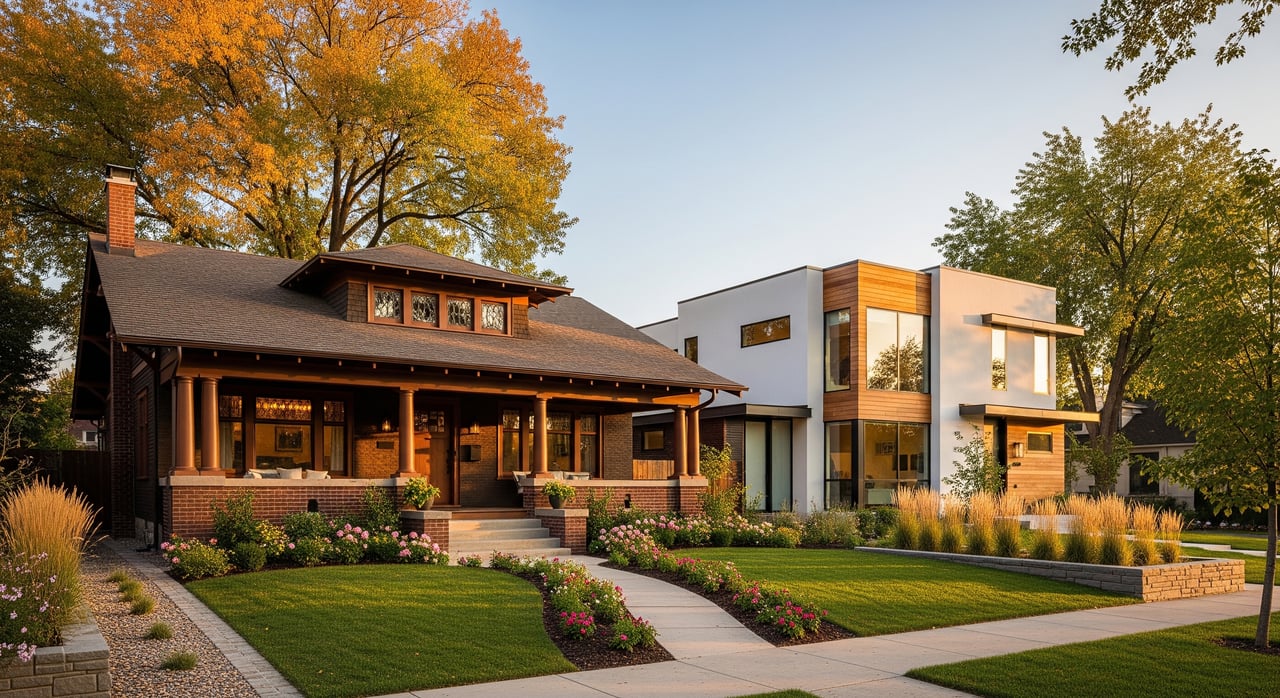
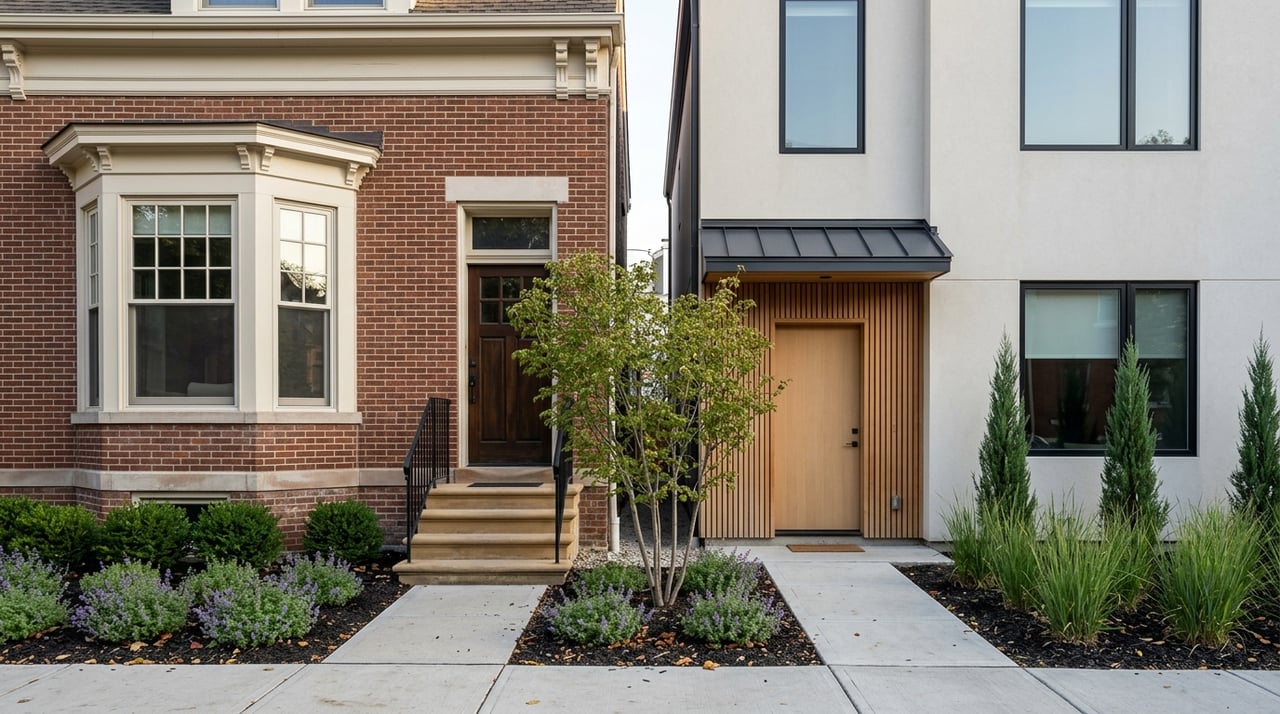
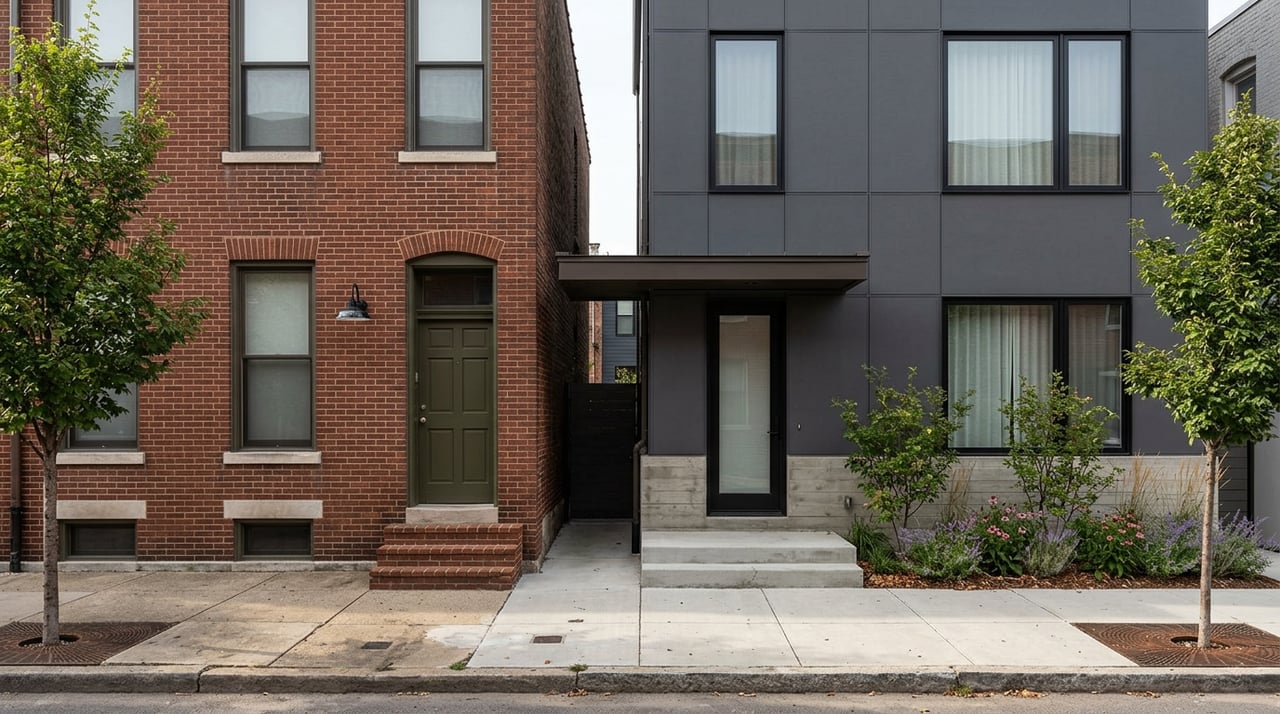
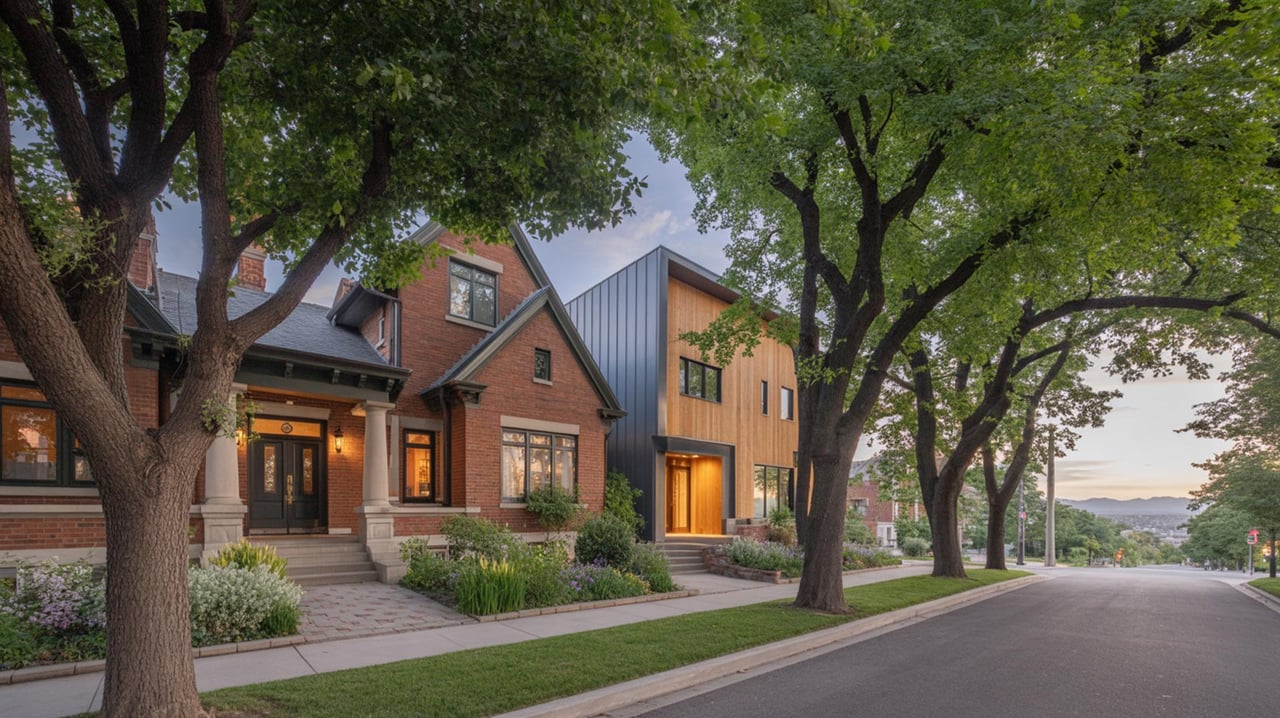
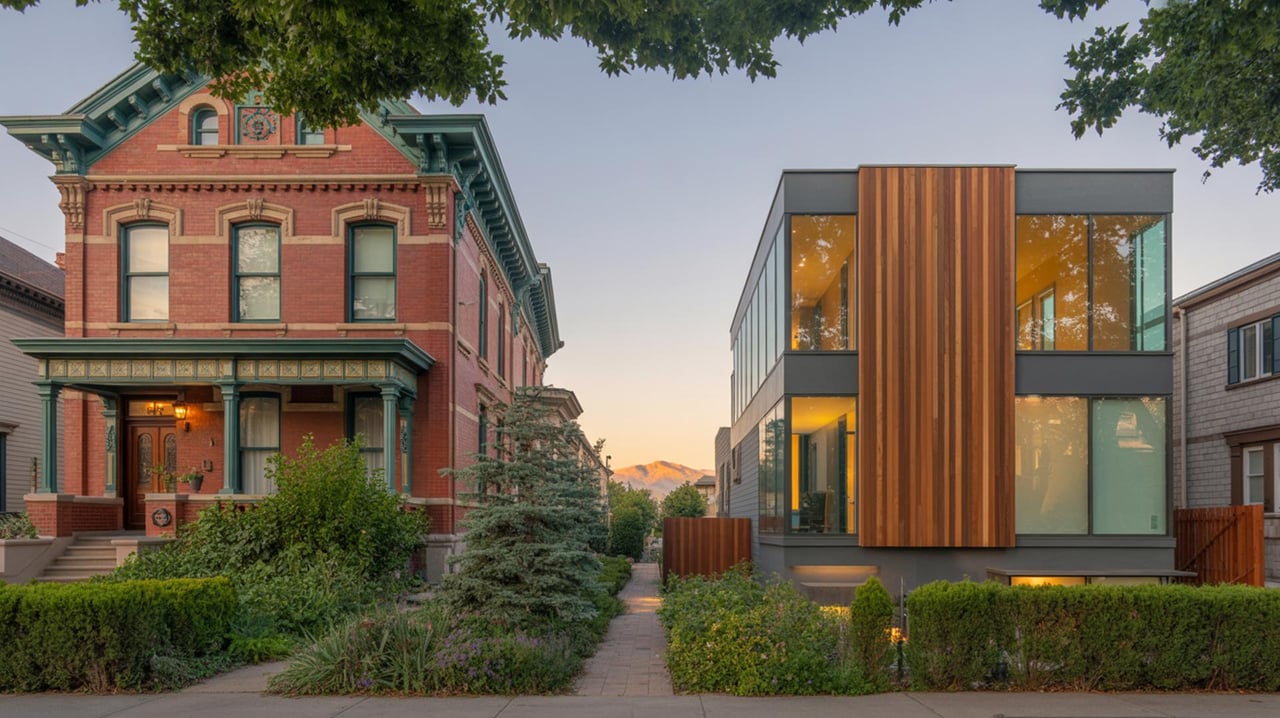
LoHi adds another layer to the story. It is known for a mix of older buildings and modern infill, so two homes just blocks apart can offer very different ownership experiences. One may sit in a protected historic area, while another may have fewer design restrictions.
Why parcel rules matter
One of the biggest mistakes buyers make is assuming the whole neighborhood follows the same rules. In reality, Denver distinguishes between historic districts, individual landmarks, and conservation overlays, and each can affect what you can do to a property.
Denver’s landmark records show several Highlands-area designations, including Potter Highlands, Allen M. Ghost, Wolff Place, and Old Highland Business. The city also notes thousands of historic buildings and conservation-overlay properties citywide, which is why it is so important to check the exact address before you make plans for updates or additions.
Historic district vs conservation overlay
These two designations are related, but they are not the same.
- Historic district: Exterior changes tied to permits are reviewed through Landmark Preservation.
- Conservation overlay: Zoning standards guide exterior remodels, additions, and new construction.
- Some properties may be affected by both: That can shape what is possible for massing, setbacks, height, dormers, garages, and roof features.
In Potter Highlands, for example, the overlay is used to maintain side setbacks, bulk-plane limits, taller dormer allowances, shorter flat-roof heights, and the absence of rooftop decks. If you are buying with remodeling in mind, these details matter early.
What homes you will see most
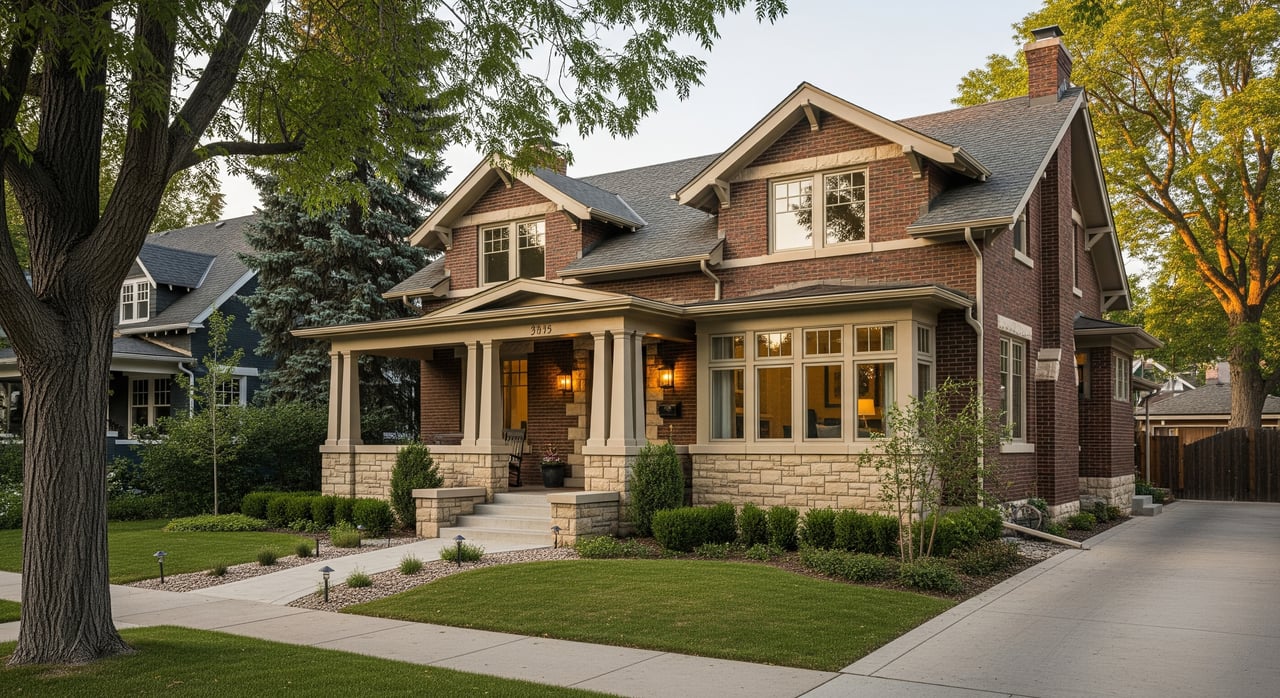
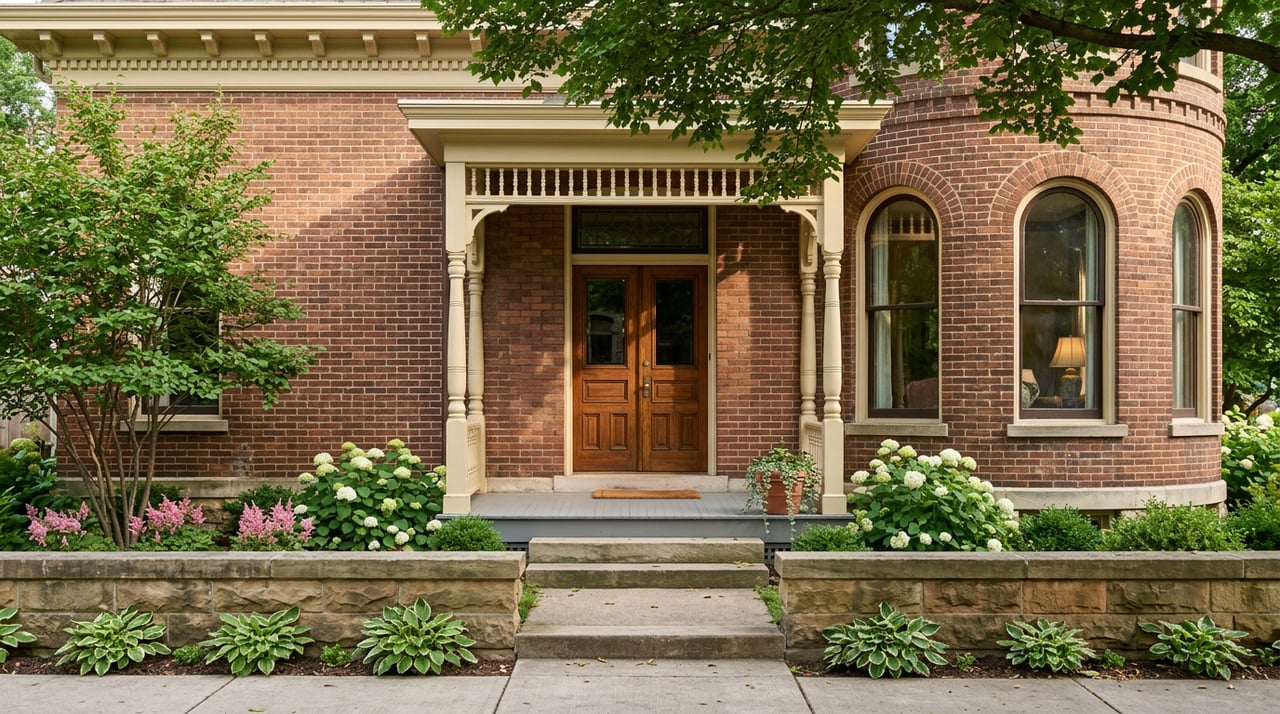
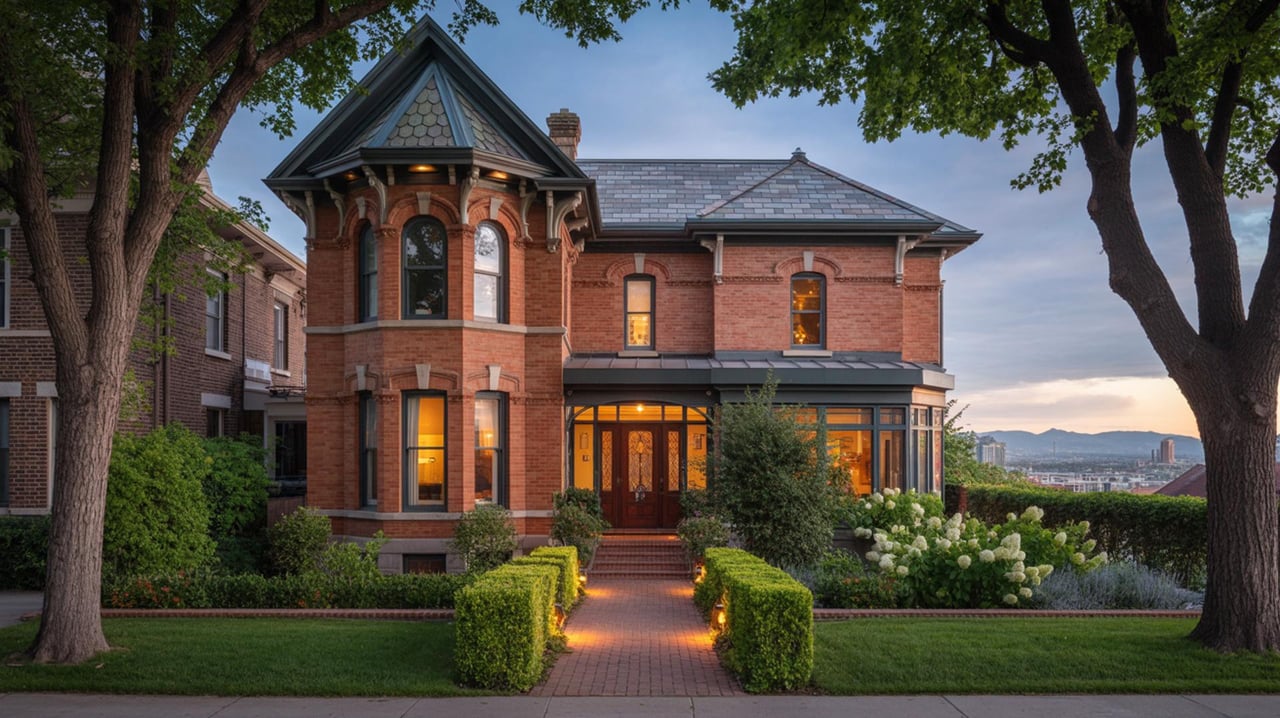
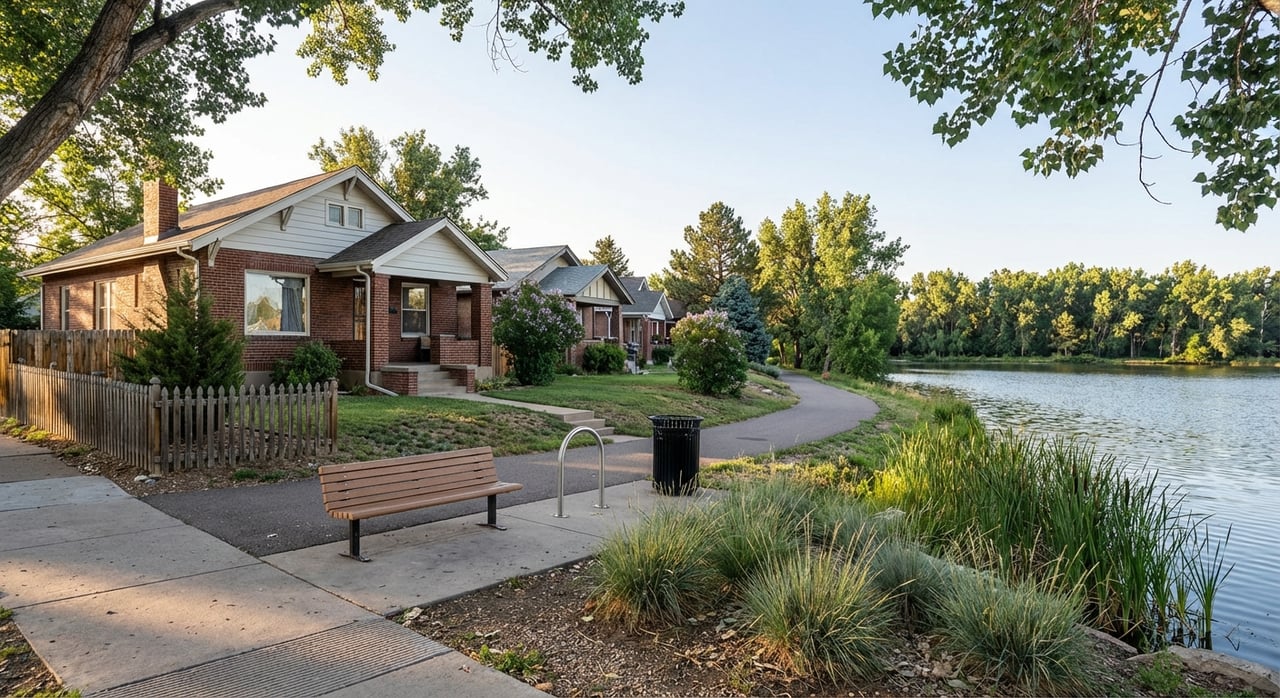
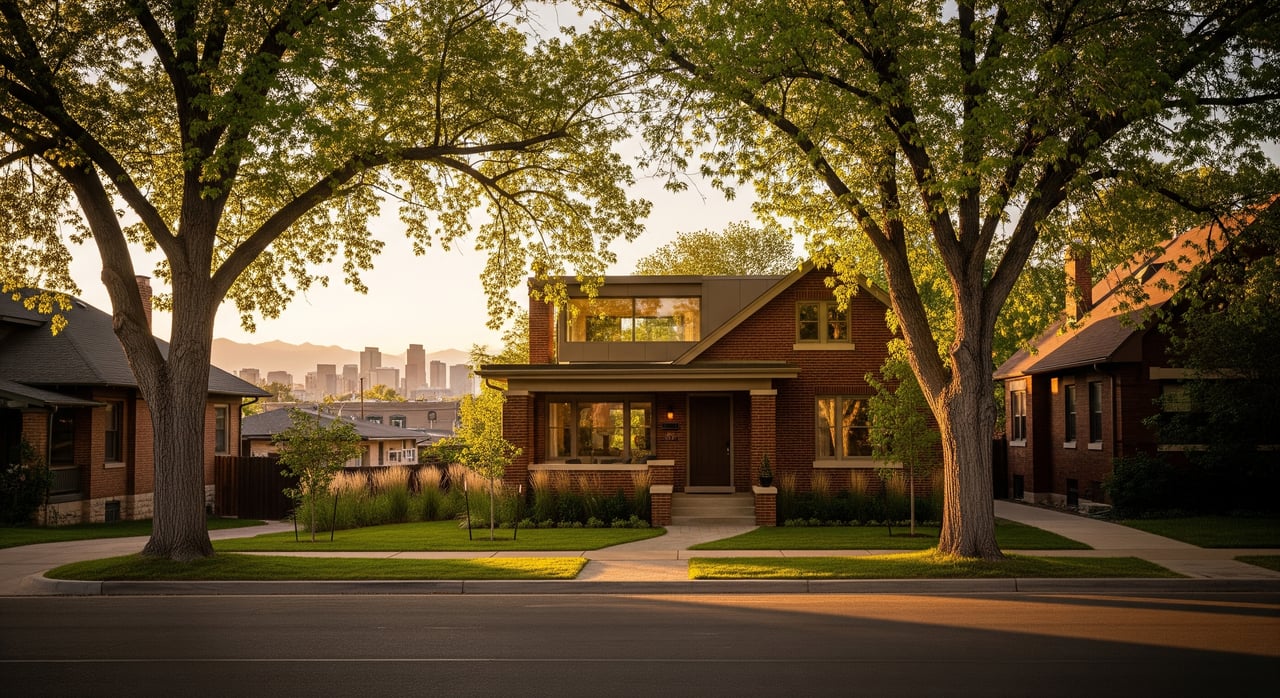
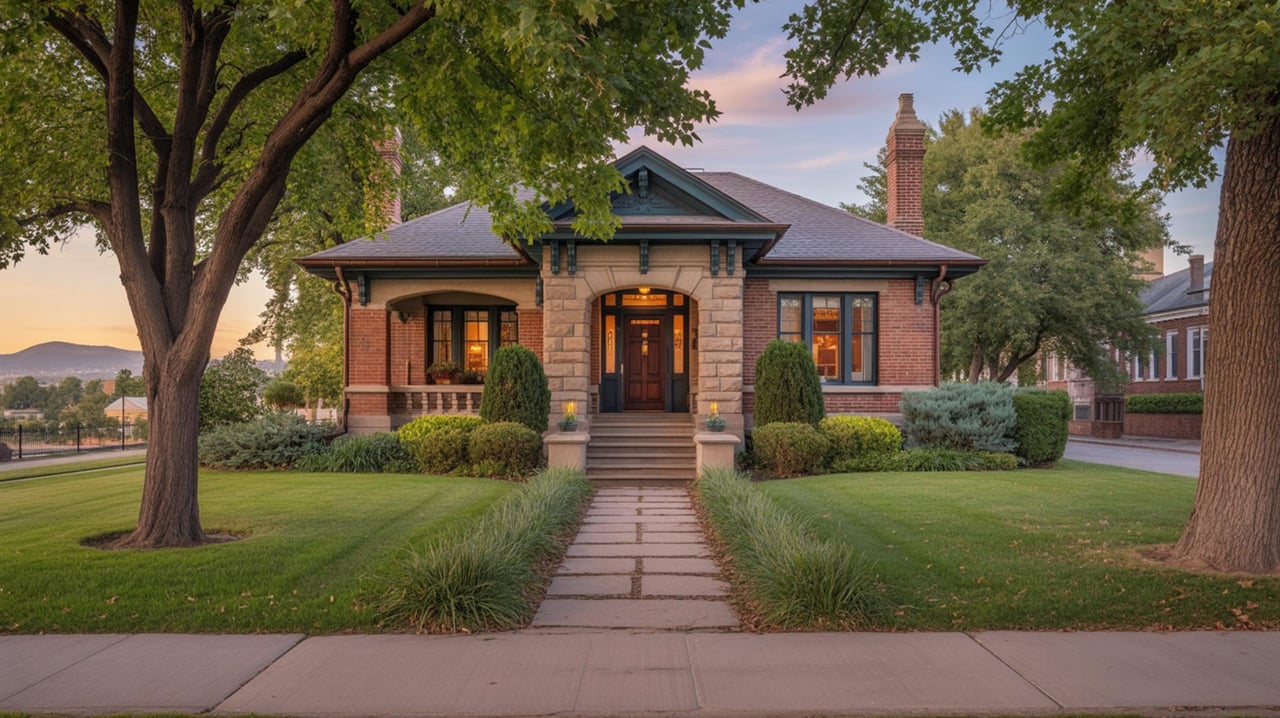
Historic homes in the Highlands often include Queen Anne, Craftsman Bungalow, Classic Cottage, Denver Square, Colonial Revival, Dutch Revival, Mission, and Prairie styles. In everyday terms, that usually means older masonry or wood construction, compact footprints, front porches, and architectural details that give each block a lot of visual character.
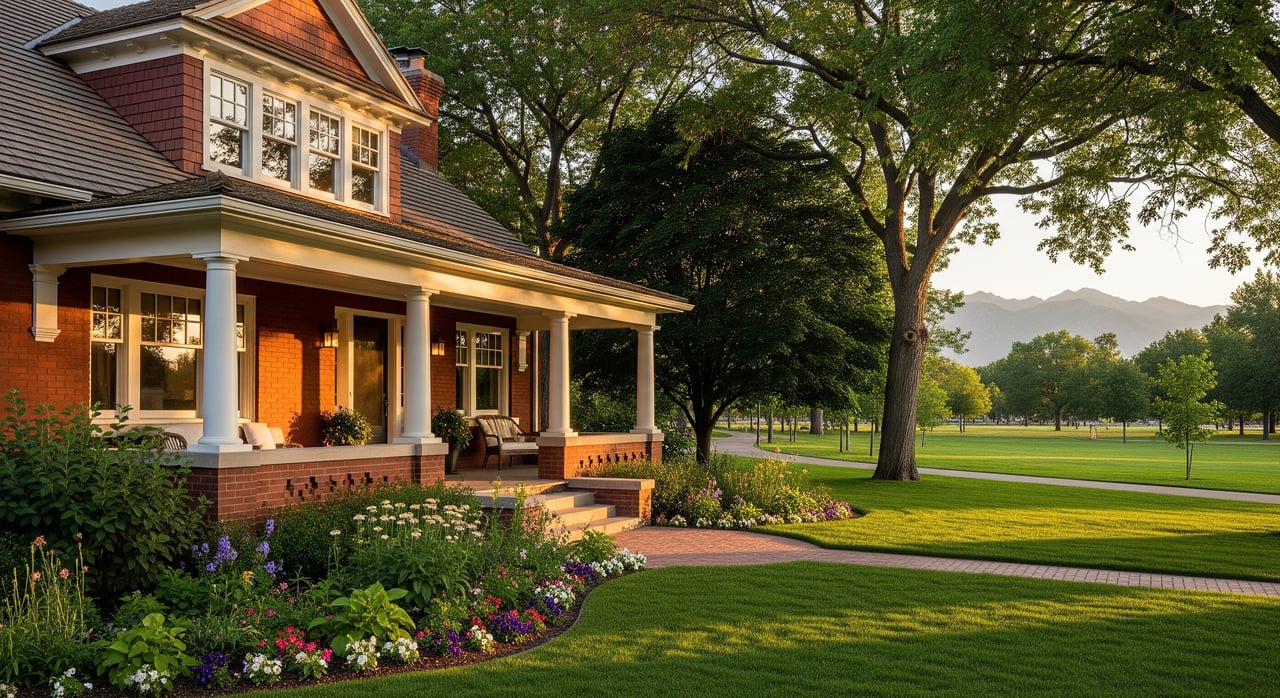
A Denver Square is one of the most recognizable house types in the area. It is usually a two-story, blocky home with four similar-sized rooms per floor, an offset entry, and a full-width porch. This style was especially common from the mid-1890s to about 1930.
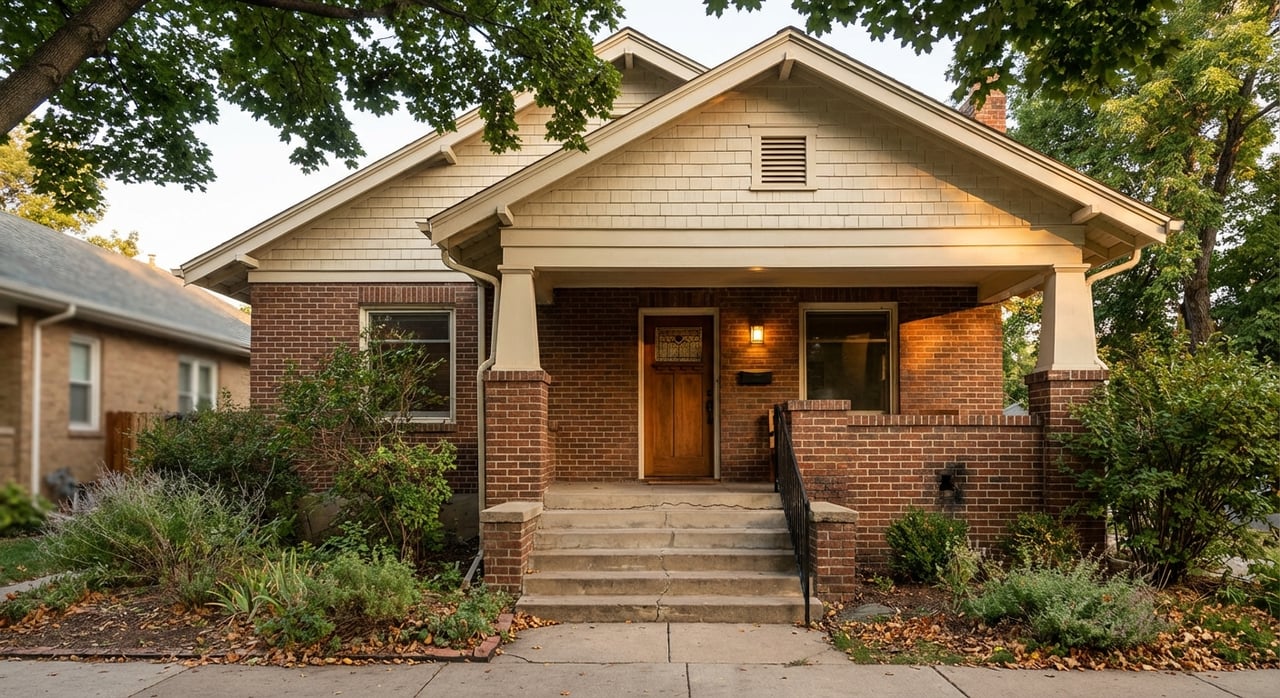
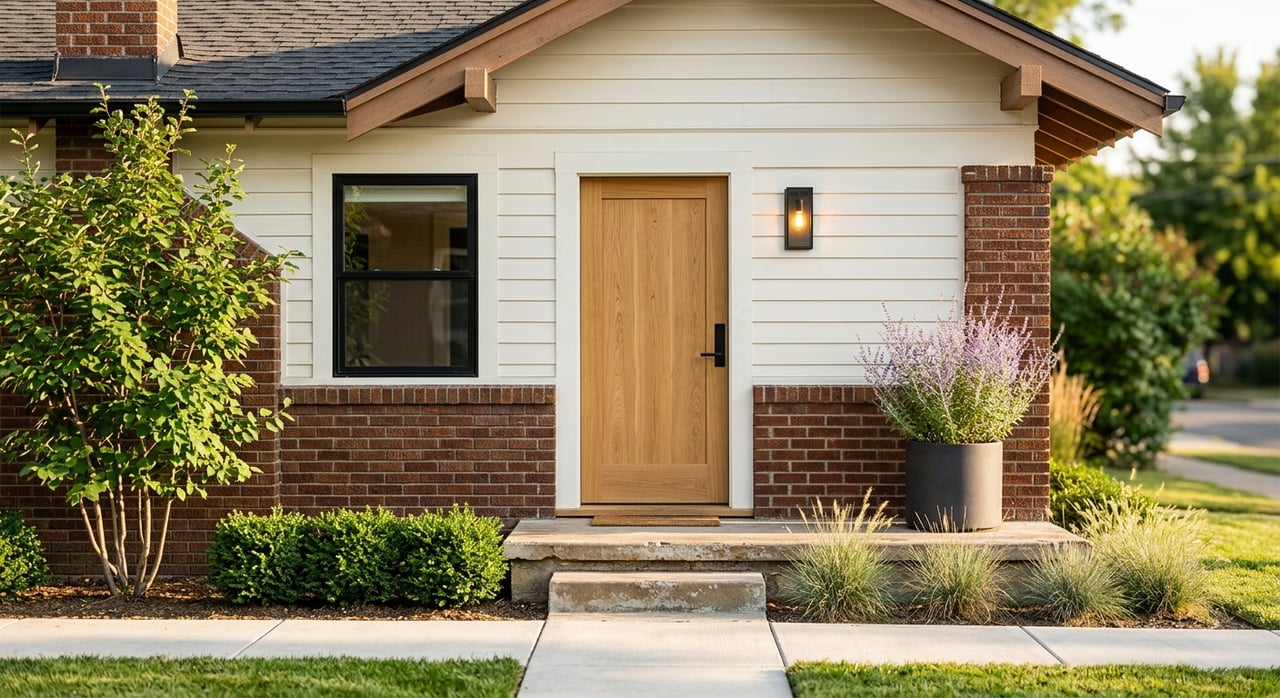
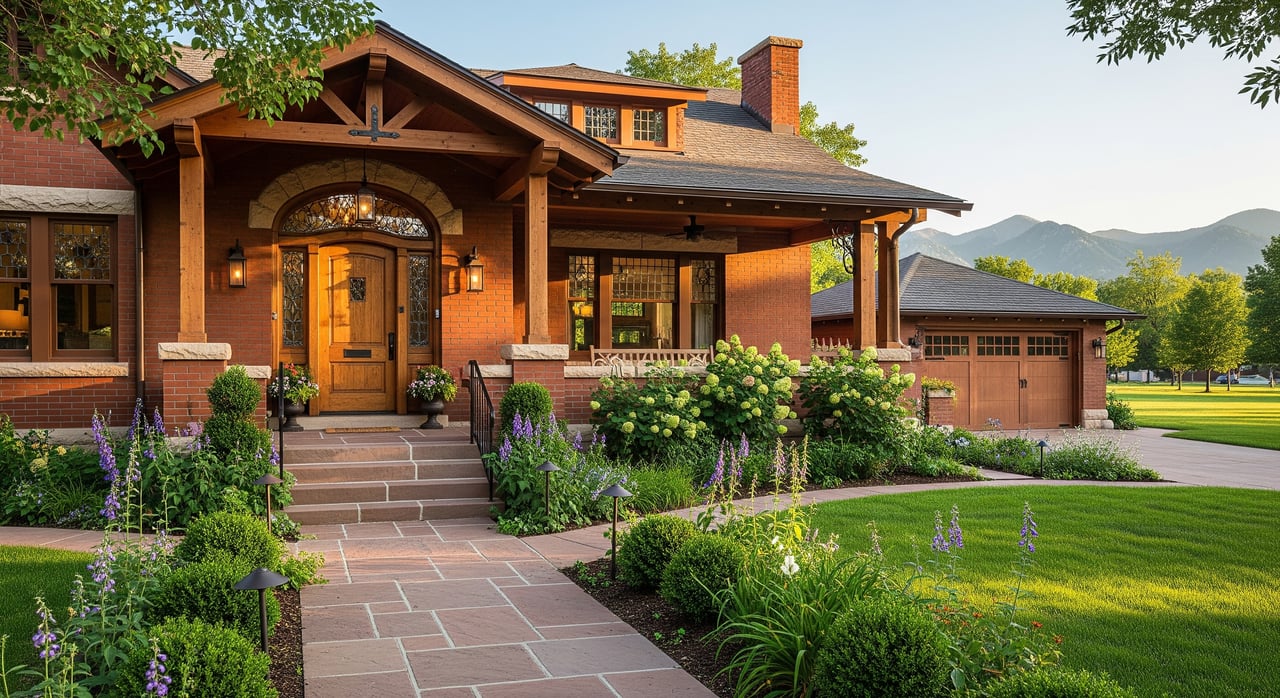
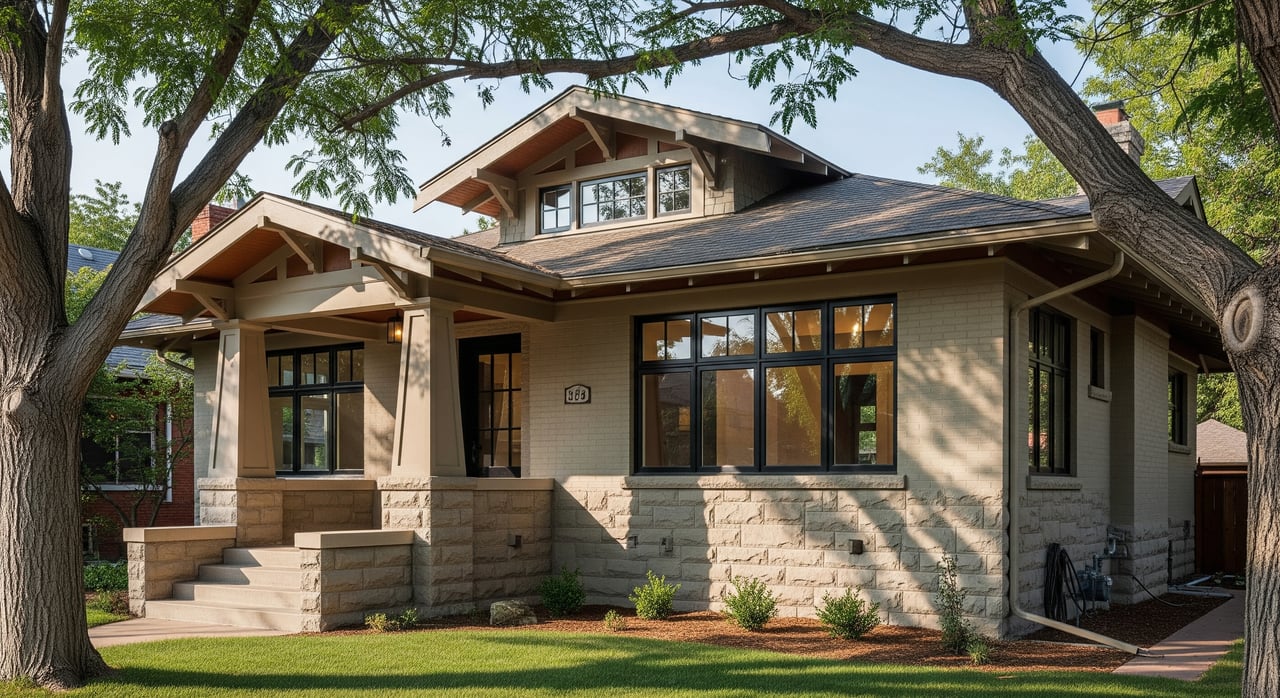
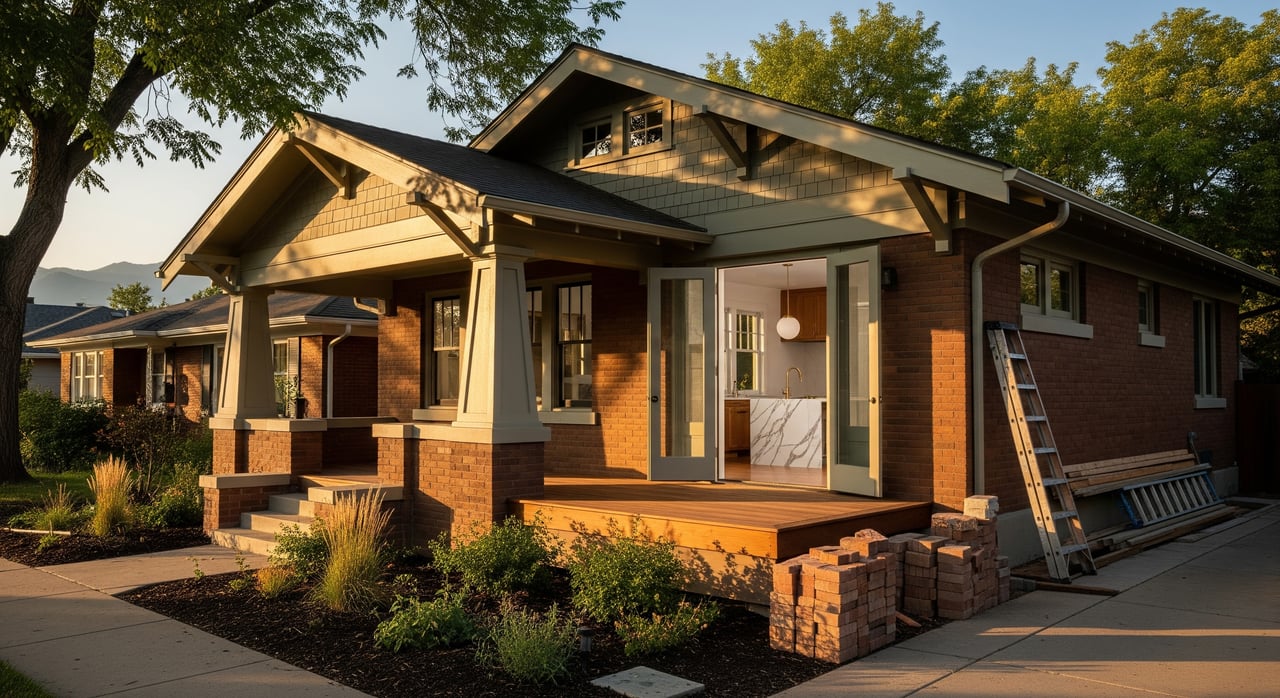
Craftsman bungalows are also common and tend to be one to one-and-a-half stories with low-pitched roofs, wide eaves, brackets or exposed rafter tails, and deep porches. Inside, they often feel efficient rather than sprawling, so it helps to look closely at layout and storage if you need flexible living space.
Potter Highlands as a buyer benchmark
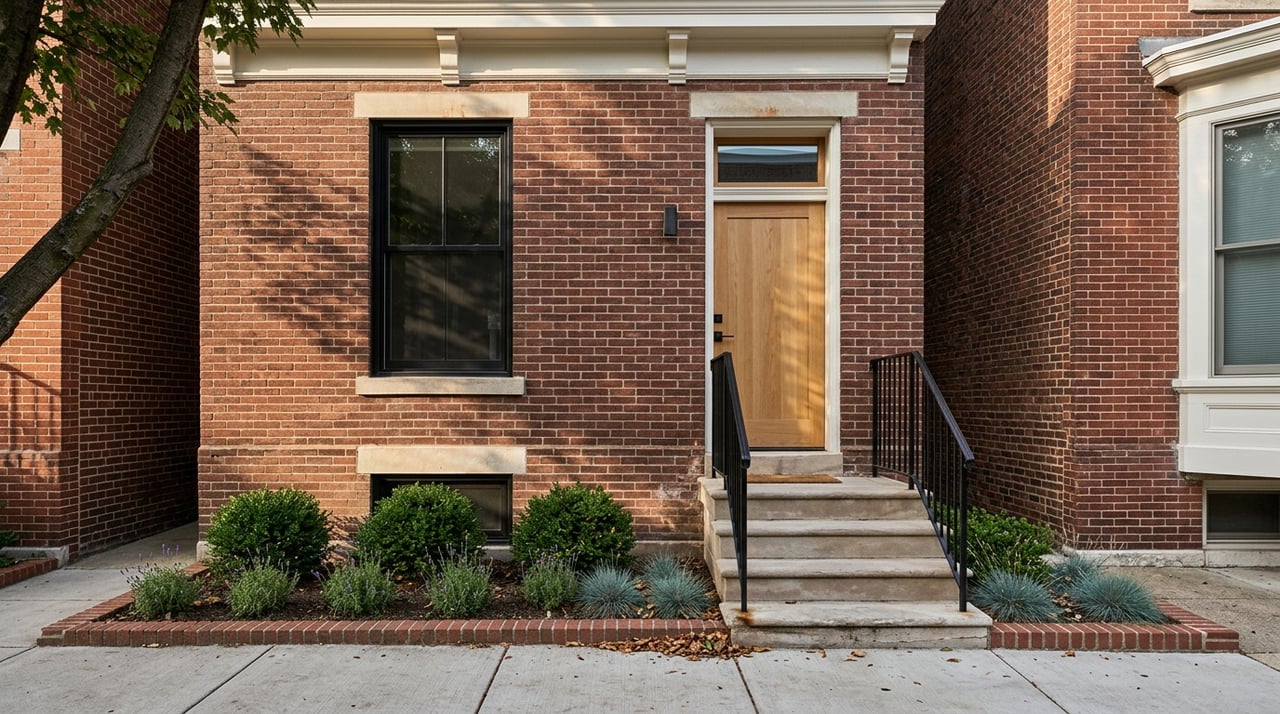
Potter Highlands is a helpful reference point for understanding what many buyers hope to find in this part of Denver. The district developed in two main periods and includes a range of styles, with many homes built in brick masonry on narrow lots that are often about 25 by 125 feet.
The neighborhood pattern also matters. Homes are generally one to two stories, with narrow side yards and larger backyards, and the blocks include historic interior carriage lots. If you are comparing homes, this context helps explain why additions often go to the rear and why lot coverage and access can become important in renovation planning.
Renovation plans need extra homework
Historic homes can absolutely be updated, but you need to understand the approval path before you budget for the work. In Denver, exterior changes on landmark or historic-district properties that require a permit are reviewed by Landmark Preservation.
That includes practical projects many buyers assume are simple. Roof and siding work must be approved first on those properties, and garages in historic districts or on designated landmarks need a certificate of appropriateness. Smaller projects are often reviewed administratively, while larger additions, pop-tops, infill, and historic window replacement may go to the Landmark Preservation Commission.
Common Highlands renovation patterns
In the Highlands, buyers often see the same update patterns again and again.
- Rear additions
- Pop-tops
- Garage rebuilds
- Roofing updates
- Siding updates
- Window replacement
This does not mean every project was approved the same way or done to the same standard. If a home has visible exterior updates, ask for permits and any certificates of appropriateness tied to the work.
Inspection items to prioritize
A historic home inspection should go beyond surface-level cosmetics. The goal is to understand condition, safety, and future maintenance so you can make a smart decision.
Here are a few key items to put high on your list.
Lead-based paint
In older Highlands homes, lead-based paint should be taken seriously. The EPA says 87% of homes built before 1940 contain some lead-based paint, and federal law requires disclosure of known lead-based paint and hazards before the sale or lease of most housing built before 1978.
That makes the seller’s disclosure package especially important. If lead inspection or risk-assessment reports exist, review them carefully before closing.
Radon testing
Radon belongs on the standard inspection list in Colorado. The Colorado Department of Public Health and Environment says about half of Colorado homes test above the EPA action level of 4 pCi/L.
For real estate transactions, CDPHE recommends testing the lowest inhabitable level or unfinished basement. In homes with basements, that is a practical step you should not skip.
Moisture and drainage
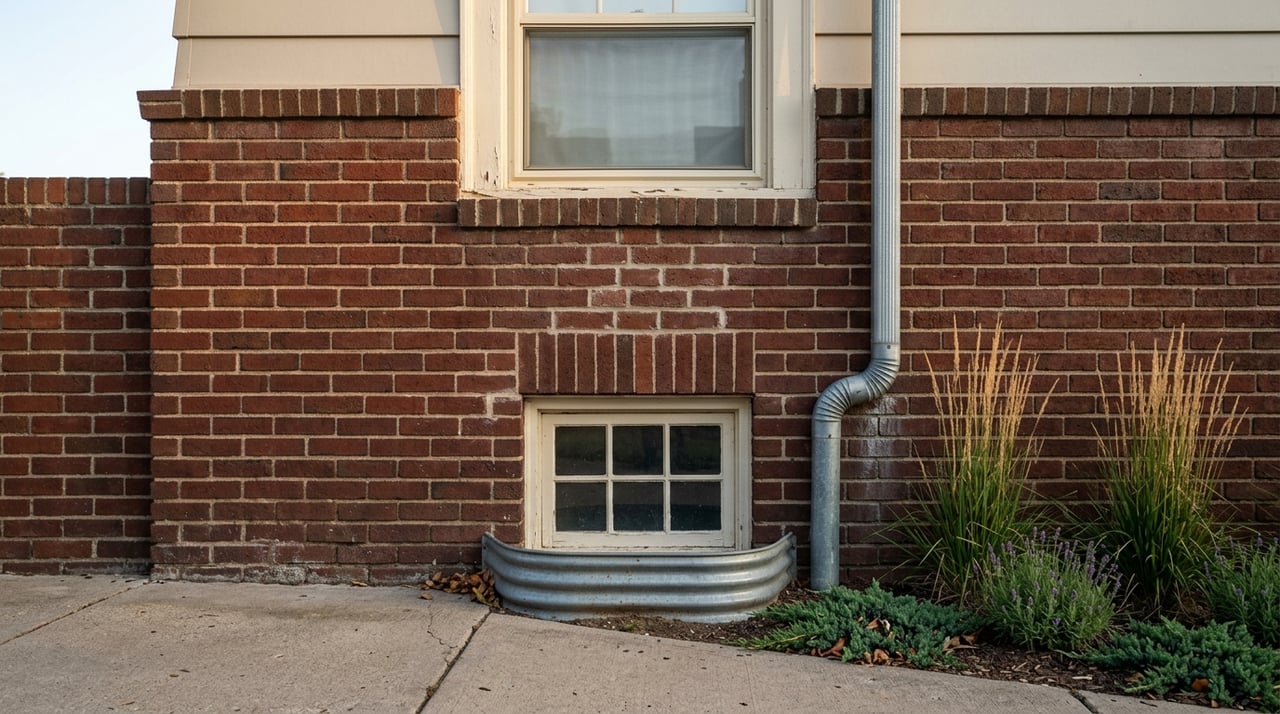
Moisture control is one of the biggest long-term upkeep issues in older masonry houses. Clogged or broken downspouts can oversaturate the soil around the foundation, which may lead to damp basements and deterioration over time.
Brick masonry can also crack due to settlement, thermal movement, moisture variation, freeze-thaw cycles, and hard mortar that is not compatible with the original material. That is why gutters, grading, drainage, and repointing quality often matter more than fresh paint or trendy finishes.
Windows and porches
Historic windows and porches are usually worth preserving when possible. Preservation guidance recommends repair as the first option for historic windows, and if replacement is necessary, the new windows should match the old in design, color, texture, and, where possible, materials.
If a home has newer windows or porch changes, ask whether they were repaired, replaced, or altered as part of a permitted project. Those details can affect both appearance and future approval options.
Asbestos concerns during remodeling
Older homes can also contain asbestos-containing materials. If future remodeling will disturb those materials, a trained and accredited asbestos professional should inspect or handle the work.
This may not affect day-one livability, but it can affect your renovation budget and timeline. If you are buying with plans to open walls, redo flooring, or remodel older areas, it is worth asking early questions.
Questions to ask before you buy
When you tour a historic home in the Highlands or LoHi, try to move past the charm and get specific. Good questions can save you time, money, and frustration later.
Ask the seller or listing side:
- Is the property individually landmarked?
- Is it in a historic district?
- Is it in a conservation overlay?
- What exterior work has been permitted?
- Are there certificates of appropriateness for additions, garages, roofs, or windows?
- Which features are original, repaired, or replaced?
- Has the seller disclosed lead hazards?
- Has the home been tested for radon?
- Are there known asbestos concerns?
Because Denver’s rules are parcel-specific, you should verify the exact address rather than assume the whole area is regulated the same way.
How to research a property
Before you fall in love with your renovation ideas, check the property’s historic status. Denver’s E-permits system directs users to the Development Services map to verify landmark or historic status, and the city notes that exterior work in a landmark or historic area cannot be permitted online.
That makes the city map one of the most practical first steps in your due diligence. It can help you decide whether a home fits your goals before you start pricing out additions, window changes, garage work, or roof alterations.
Local support can make ownership easier
Owning a historic home usually comes with a learning curve, especially if this is your first older property. Historic Denver offers building-owner resources that include contractor referrals for historic-home repair and renovation, plus educational materials on architectural styles, maintenance, living in a historic district or home, and researching historic properties.
That kind of local support can be helpful when you are deciding whether a home’s condition is manageable or whether a project may be more complex than it first appears. The right guidance can turn a confusing process into a clear plan.
What this means for you as a buyer
Buying a historic home in Denver’s Highlands is often about balancing character with practicality. You may get beautiful original brick, a deep front porch, and details that are hard to find in newer construction, but you also need to go in with clear eyes about permits, preservation review, and long-term upkeep.
If you understand the property’s status, inspect the right items, and ask good questions about past work, you can buy with much more confidence. That is especially true in Highlands and LoHi, where one block can feel very different from the next.
If you want help evaluating a historic home, comparing blocks in Highlands or LoHi, or figuring out whether a property matches your renovation goals, connect with Luxe Realty. You will get local guidance, clear communication, and hands-on support from a team that knows Denver block by block.
FAQs
What should you check before buying a historic home in Denver’s Highlands?
- Check whether the exact property is individually landmarked, located in a historic district, or covered by a conservation overlay, and ask for permits and approval records for past exterior work.
What is the difference between a historic district and a conservation overlay in Denver?
- A historic district triggers design review for permitted exterior changes, while a conservation overlay adds zoning standards for remodels, additions, and new construction.
What house styles are common in Denver’s Highlands neighborhood?
- Buyers often see Queen Anne, Craftsman Bungalow, Classic Cottage, Denver Square, Colonial Revival, Dutch Revival, Mission, and Prairie style homes.
What inspections matter most for older Highlands homes?
- Lead-based paint disclosure review, radon testing, and careful evaluation of moisture, drainage, masonry condition, windows, and any materials that may be affected during remodeling are all important.
Why do renovation rules vary so much in Highlands and LoHi?
- The rules are parcel-specific, and nearby homes may fall under different historic designations or overlays, so buyers should verify the exact address rather than assume the entire area is regulated the same way.