Are higher rates making you second-guess a move in Platt Park? You are not alone. Many Denver buyers and sellers are looking for simple ways to keep monthly payments manageable without derailing long-term plans. In this guide, you will learn how a 2-1 buydown works, what it costs, when it makes sense, and how to set one up the right way in Platt Park. Let’s dive in.
What is a 2-1 buydown?
A 2-1 buydown is a temporary interest-rate subsidy on a fixed-rate mortgage. Your rate is reduced by 2 percentage points in year 1 and 1 percentage point in year 2. In year 3, it returns to the full rate for the rest of the loan.
The subsidy is prepaid at closing. It can be funded by the seller, the buyer, a builder, or the lender. The goal is simple. Lower the payment in the first two years to ease you into homeownership or help a listing stand out.
How it works step by step
- Your lender sets the permanent note rate for your loan.
- They calculate the standard payment at that rate.
- They calculate the reduced payments for year 1 (note rate minus 2 percent) and year 2 (note rate minus 1 percent).
- The total subsidy equals the payment difference for year 1 times 12 plus the payment difference for year 2 times 12. Lenders may add small administrative fees.
- That subsidy is collected at closing and applied to your monthly payments for the first two years.
Illustrative example for context
- Purchase price: $600,000 with 20 percent down. Loan amount: $480,000 on a 30-year fixed.
- Note rate: 7.00 percent.
- Payment at 7.00 percent: about $3,193.45 per month.
- Year 1 at 5.00 percent: about $2,576.75 per month.
- Year 2 at 6.00 percent: about $2,877.84 per month.
- Savings:
- Year 1: about $616.70 per month (about $7,400 over 12 months).
- Year 2: about $315.61 per month (about $3,787 over 12 months).
- Estimated total subsidy: about $11,187 plus any lender fees.
This is only an example. Actual numbers depend on the loan size, rate, and lender calculations.
Who pays for it
You can fund a 2-1 buydown in several ways:
- Seller credit at closing. Common on resale homes when sellers want to reach more buyers.
- Buyer-paid at closing. Works if you want lower early payments and can cover the cost.
- Builder or lender incentives. More common in new construction.
A buydown usually counts as a seller-paid credit for loan purposes. Most loan programs limit seller concessions, and the cap can vary by down payment and loan type. Confirm the rules and caps with your lender before you write an offer or accept one.
Underwriting and what to expect
Lenders usually qualify you at the full note rate, not the temporary reduced rate. That means you must be able to afford the payment that starts in year 3. Some programs may allow qualification using the reduced payment for early months, but policies vary. Get written confirmation from your lender on how they will underwrite your file.
Taxes and accounting can vary too. A buydown is often treated as prepaid interest or a seller concession. Always speak with a tax professional about how this might affect you.
Pros and cons
Advantages
- Lower payments in years 1 and 2. Helpful if you expect income growth or plan to refinance.
- Strong listing tool. Sellers can attract buyers without a direct price cut.
- May help with qualification if a lender allows temporary payments in the calculation.
Disadvantages
- Bigger payment in year 3. You must plan for the note-rate payment.
- Some lenders still qualify at the note rate, which limits the benefit.
- The subsidy cost can be large. In some cases, a price reduction, permanent points, or a bigger down payment might be better.
- Seller concession caps can limit what is allowed.
Is it a fit for your plan?
A 2-1 buydown can be a smart move if you expect a raise soon, plan to refinance within one to three years, or want an easier start to homeownership in a high-demand area like Platt Park. Sellers might use it to widen the buyer pool when rates are high and monthly payment sensitivity is the main hurdle.
If you expect to keep the loan long term without refinancing, a permanent buydown might be more cost-effective. Your lender can help you compare.
Alternatives to consider
- Permanent buydown. Pay points to reduce the rate for the entire term.
- Lender credits. Lower closing costs in exchange for a slightly higher rate.
- Seller-paid closing costs or price reduction. Simple and flexible.
- Adjustable-rate mortgage. Lower initial rate with future adjustments that add uncertainty.
Platt Park context
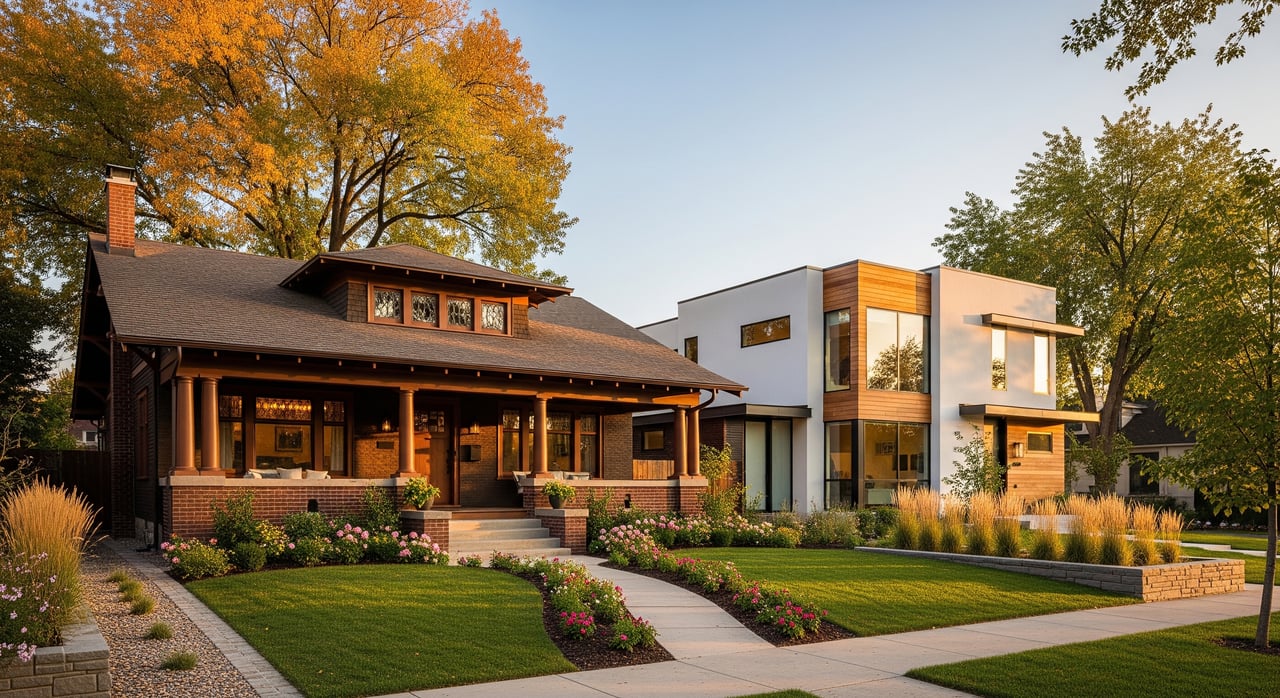
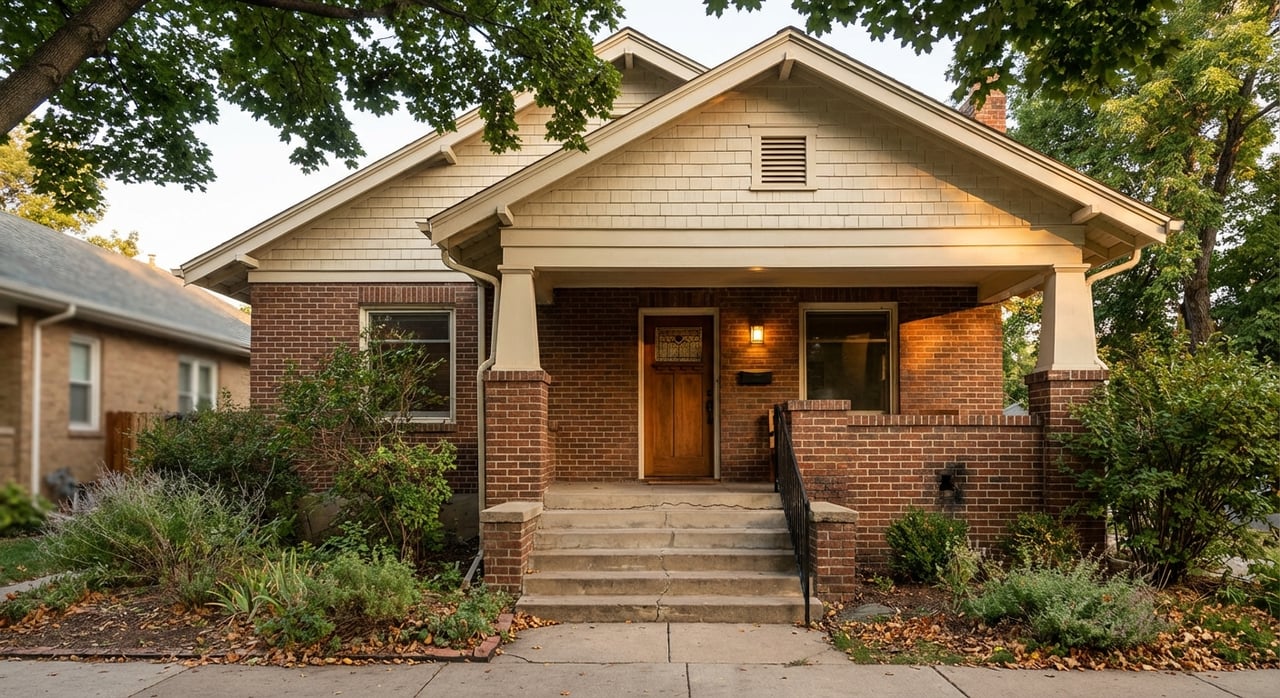
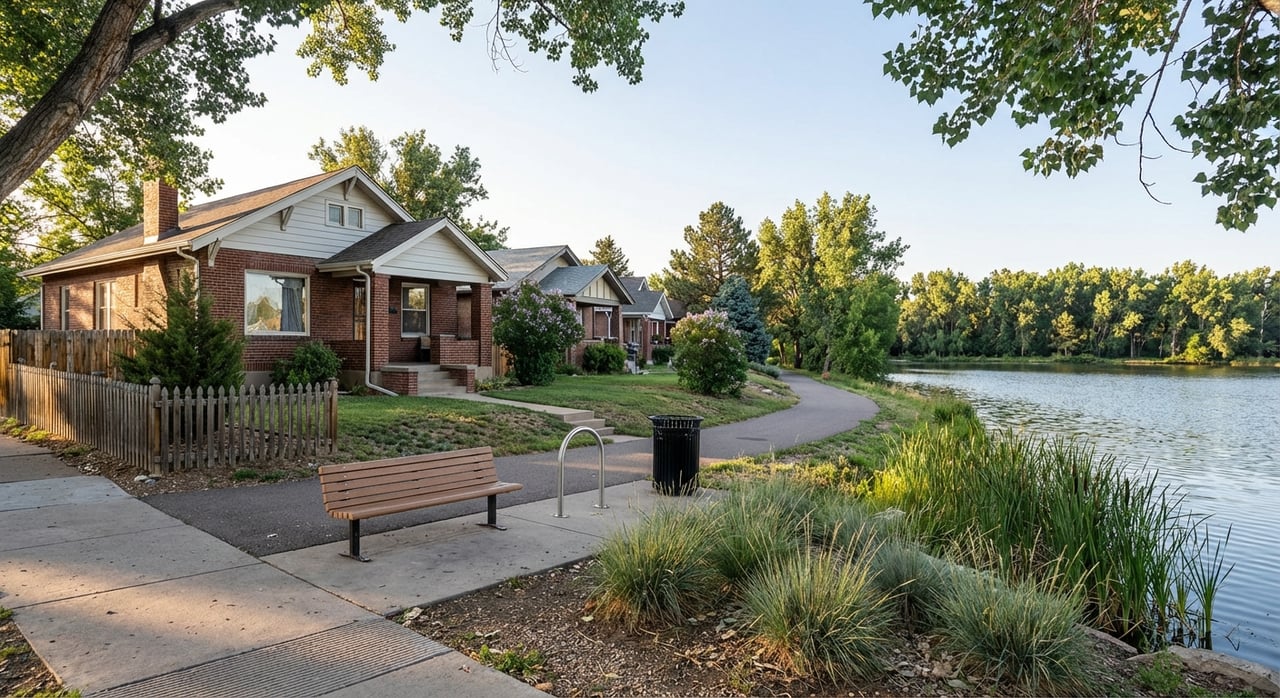
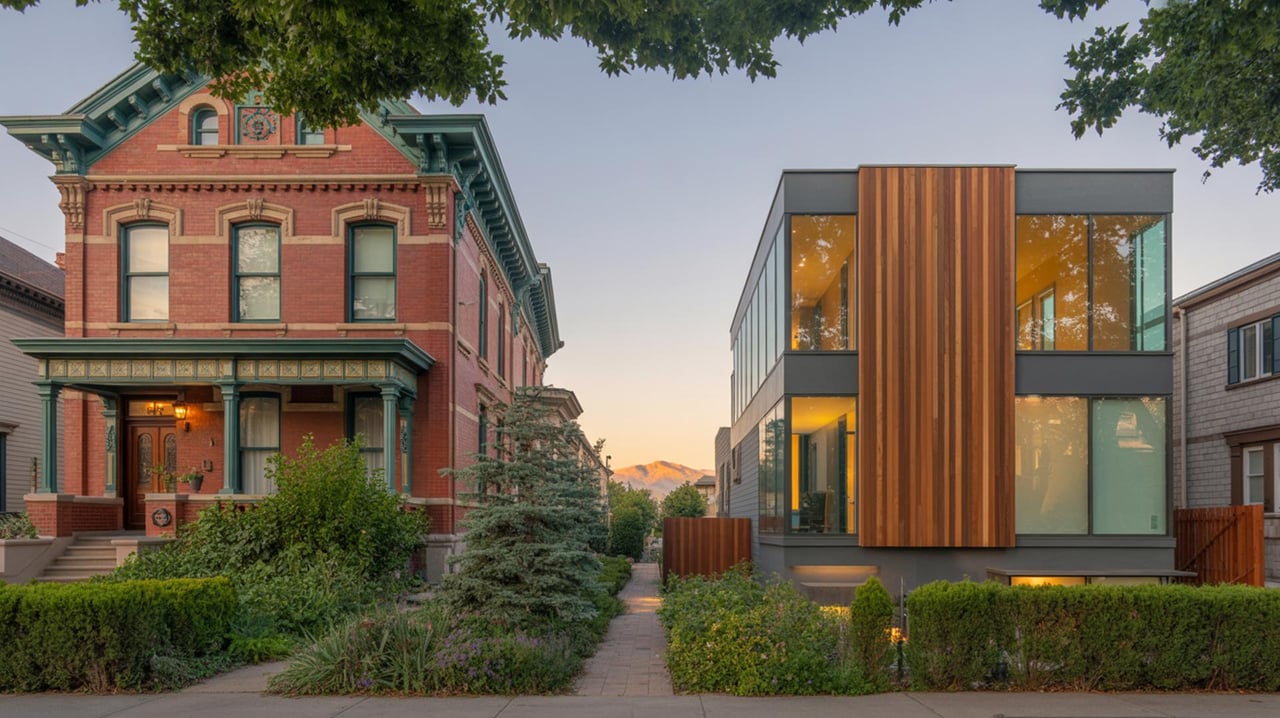
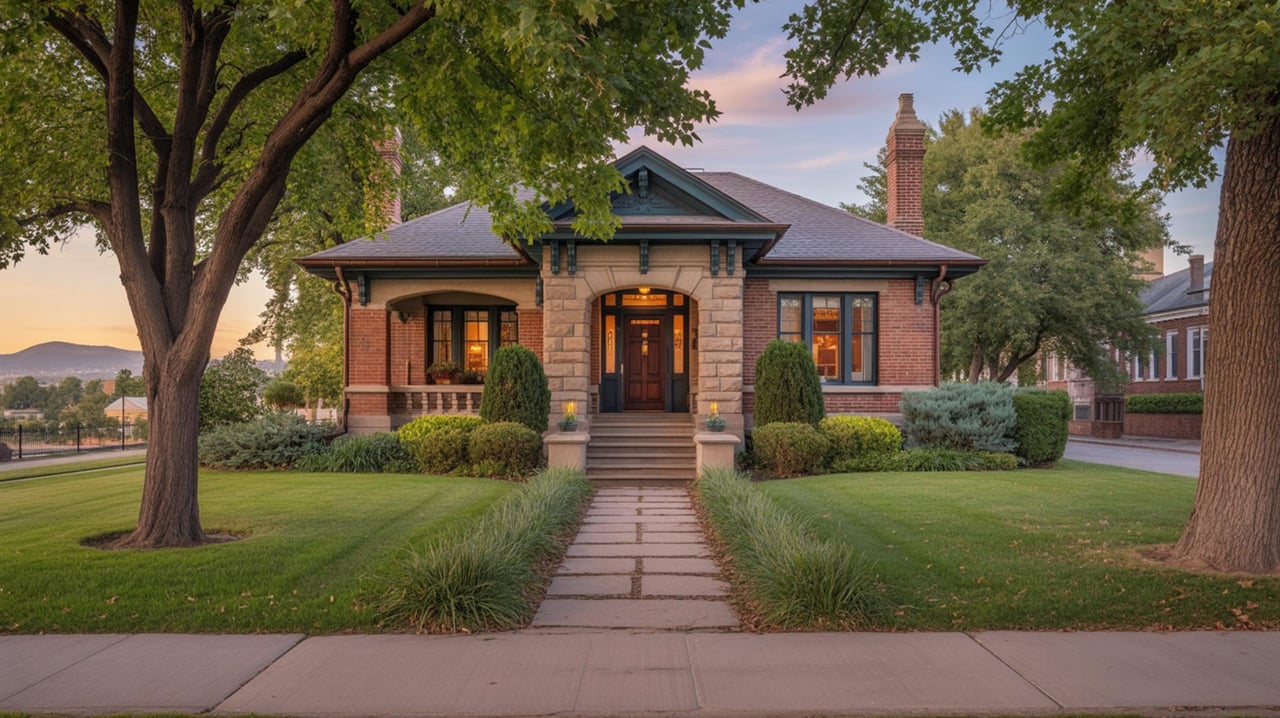
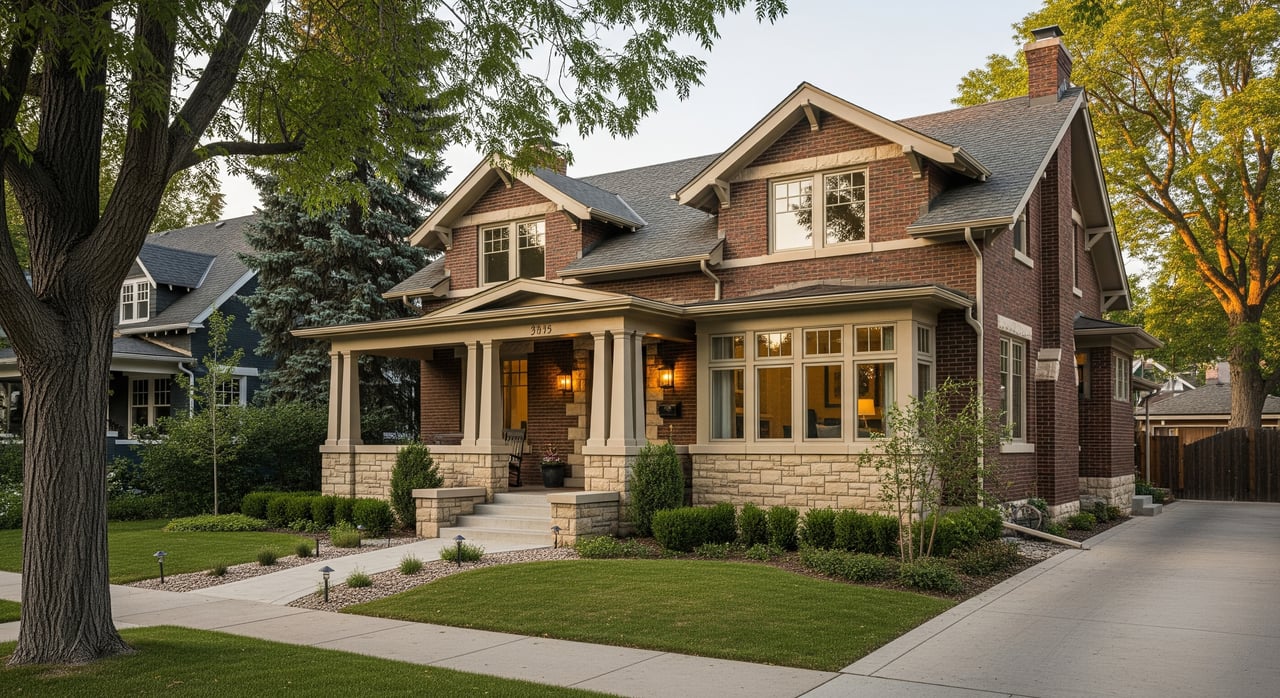
Platt Park sits in central-south Denver near South Pearl Street and the University of Denver area. You will find a mix of bungalows, single-family homes, duplexes, and some condos and townhomes. The neighborhood is known for its local retail and strong walkability.
Because Platt Park often commands a premium within the Denver metro, monthly affordability can drive decisions. Whether a buydown makes sense depends on current inventory and buyer demand. For up-to-date stats like median price or days on market, check trusted local sources such as the Denver Metro Association of Realtors, REColorado, and the Colorado Association of Realtors.
How to set one up
Follow this checklist to prepare a clean 2-1 buydown offer in Platt Park:
- Talk to your lender early. Get a written cost estimate for the buydown and confirm how they will qualify the loan.
- Put it in writing. Ask the lender to outline the buydown terms and funding requirements so title can apply funds correctly.
- Add clear contract language. Specify the dollar amount, who pays it, and when it will be delivered. Reference lender confirmation in the financing contingency.
- Verify concession limits. Make sure the planned subsidy fits the specific loan program caps.
- Review the payment timeline. Show sample payments for years 1, 2, and 3. Emphasize that you must be ready for the note-rate payment in year 3.
- Consider your timeline. If you plan to sell or refinance within two to three years, the temporary savings may align well with your goals.
For sellers: thinking about ROI
- Compare outcomes. Estimate the cost of the buydown versus a price reduction needed to create a similar monthly payment for buyers.
- Gauge market impact. In a tight market, the buydown can tip a buyer into action. If the market is slower, a price cut or closing cost credit might be more effective.
- Market the benefit clearly. Lead with the estimated first-year and second-year monthly payments to highlight real savings.
Ready to run the numbers?
A 2-1 buydown can be a practical, local strategy to make Platt Park more attainable for buyers and more marketable for sellers. The key is clear math, clean paperwork, and a plan for year 3. If you want help comparing a temporary buydown, permanent points, or a straight price strategy for a specific Platt Park address, we are here to help.
Connect with the neighborhood team that speaks Denver and keeps it simple. Reach out to Luxe Realty to map your options. ¿Prefieres hablar en español? Con gusto te ayudamos.
FAQs
What is a 2-1 buydown on a Denver mortgage?
- A 2-1 buydown is a temporary subsidy that lowers your fixed-rate mortgage by 2 percent in year 1 and 1 percent in year 2, then returns to the full rate in year 3.
How much does a 2-1 buydown cost in Platt Park?
- The cost equals the payment savings for year 1 plus year 2, calculated by your lender for your exact loan size and note rate, plus any lender fees.
Who can pay for the 2-1 buydown on a resale home?
- The seller, the buyer, a builder, or the lender can fund it, but seller-paid credits must fit within loan program concession limits.
Will I qualify using the reduced 2-1 buydown payment?
- Lenders usually qualify at the full note rate, not the reduced payment, so confirm the underwriting approach in writing with your lender.
What are the risks of a 2-1 buydown for buyers?
- The main risk is a higher payment starting in year 3; you should plan for that payment and consider alternatives like permanent points if you will keep the loan long term.