If you are drawn to neighborhoods with real history, strong street life, and architecture that tells more than one story, Five Points stands out. This is one of Denver’s oldest neighborhoods, and it offers a mix of historic buildings, cultural landmarks, transit access, and newer infill that can feel very different from a typical suburban experience. If you are thinking about buying or selling here, understanding how architecture and lifestyle connect can help you make a smarter move. Let’s dive in.
Why Five Points Feels Distinct
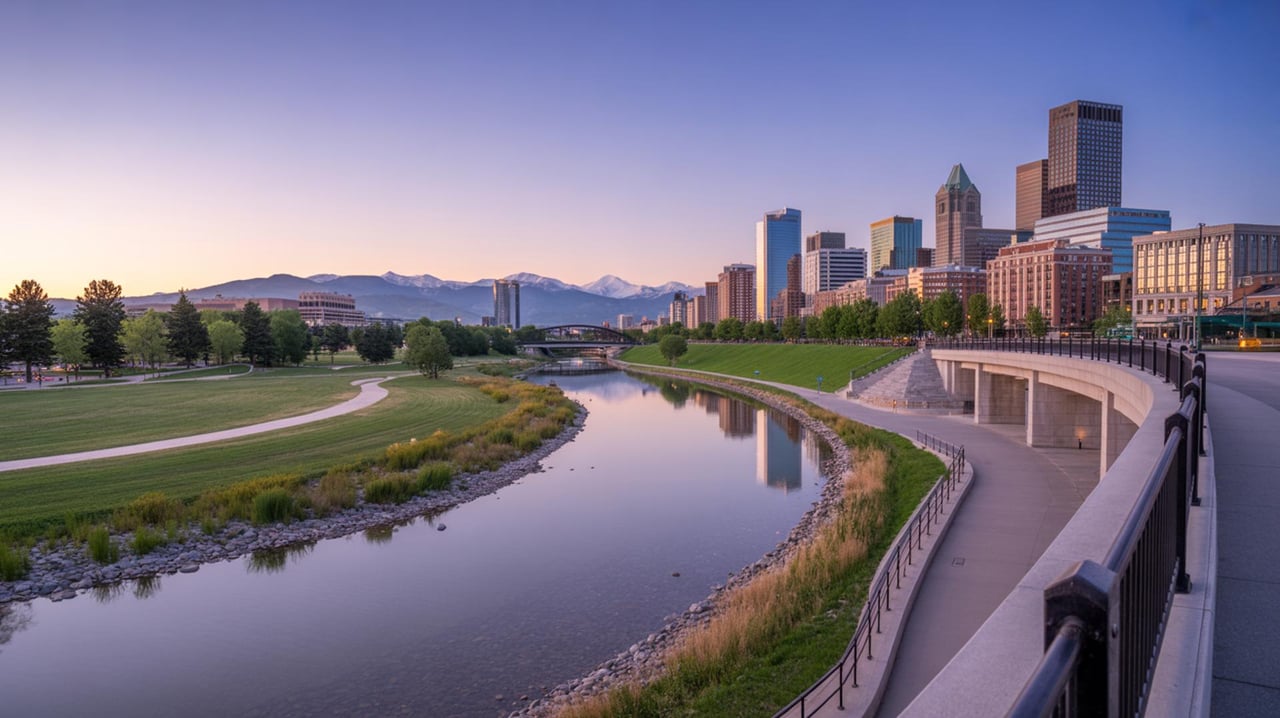
Five Points sits just northeast of downtown, where Denver’s downtown grid meets the city’s first suburban grid. Its name comes from the five-way intersection at Welton, Washington, 27th, and 26th, a stop that was shortened to “Five Points” in 1881. That location still matters today because it helps explain why the area feels connected, urban, and active.
The neighborhood grew quickly from the 1870s through the 1893 silver crash, with early land uses that blended homes, businesses, and industrial functions. By the 1920s, more than 90% of Denver’s African American population lived in Five Points and nearby Whittier, making this area central to Black civic, commercial, and cultural life in Denver. That history is a core part of the neighborhood’s identity, not just a backdrop.
Five Points is also a place shaped by continuity and change. Over time, the area has experienced segregation, disinvestment, preservation, and reinvestment. For you as a buyer or seller, that means the neighborhood is best understood as layered: historic, evolving, and deeply tied to Denver’s broader story.
Architecture in Five Points
Five Points does not read like a one-style neighborhood. Instead, you will see a collection of building types, eras, and uses that reflect how the area developed over time. That mix is a big reason the neighborhood can feel both rooted and in motion.
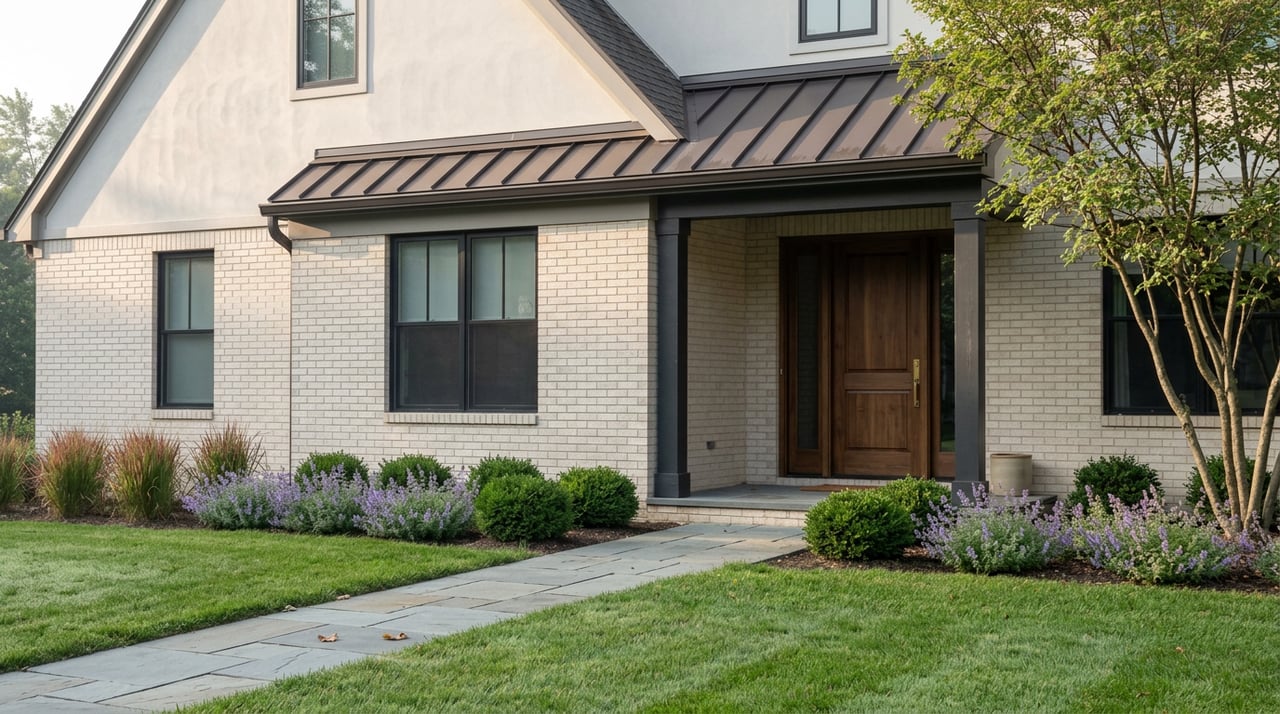
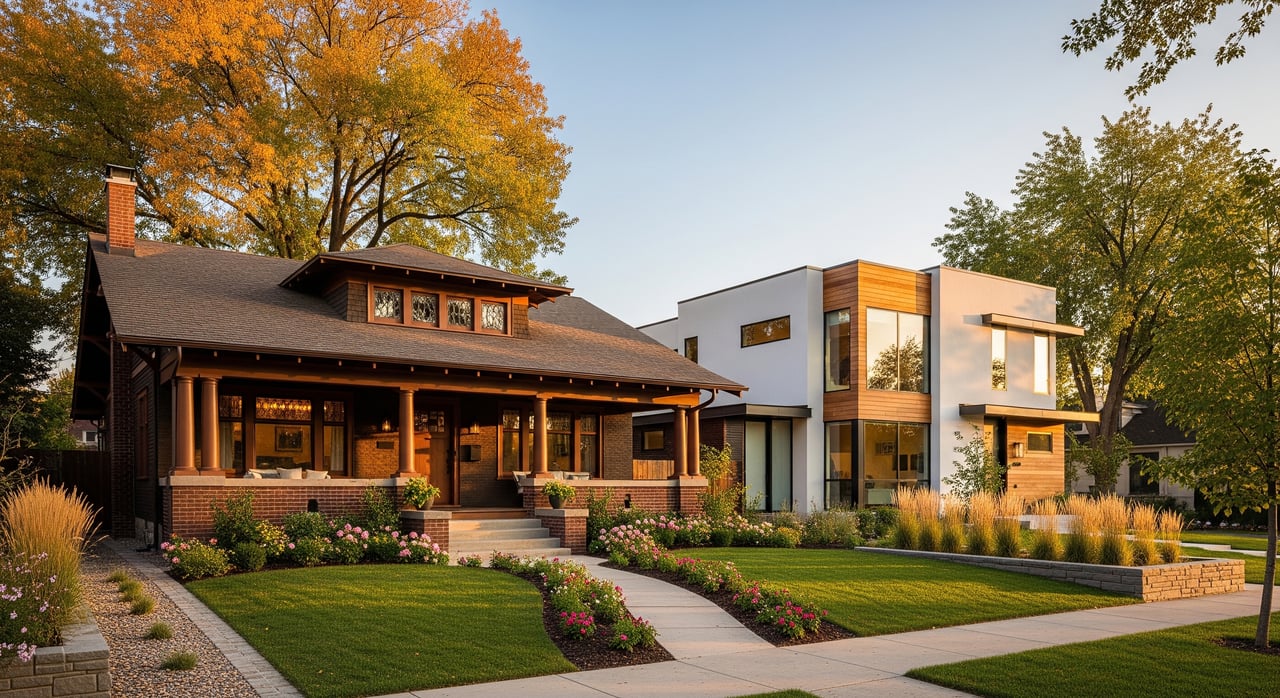
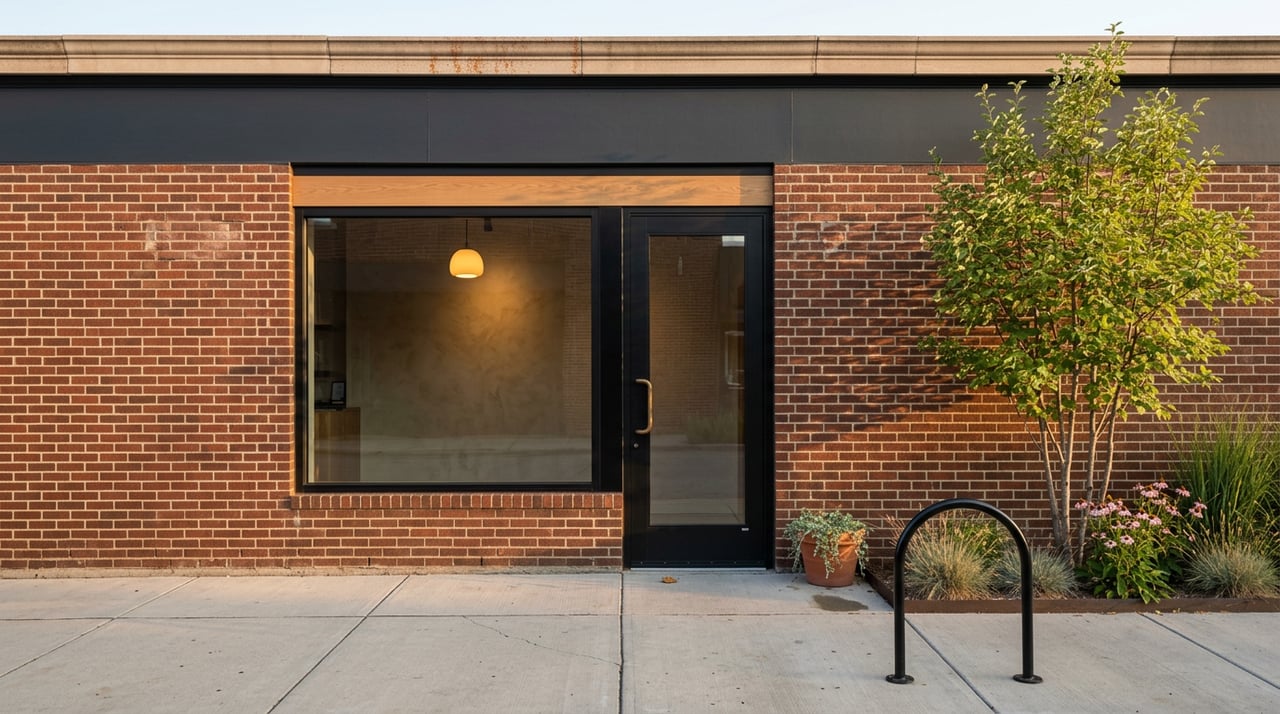
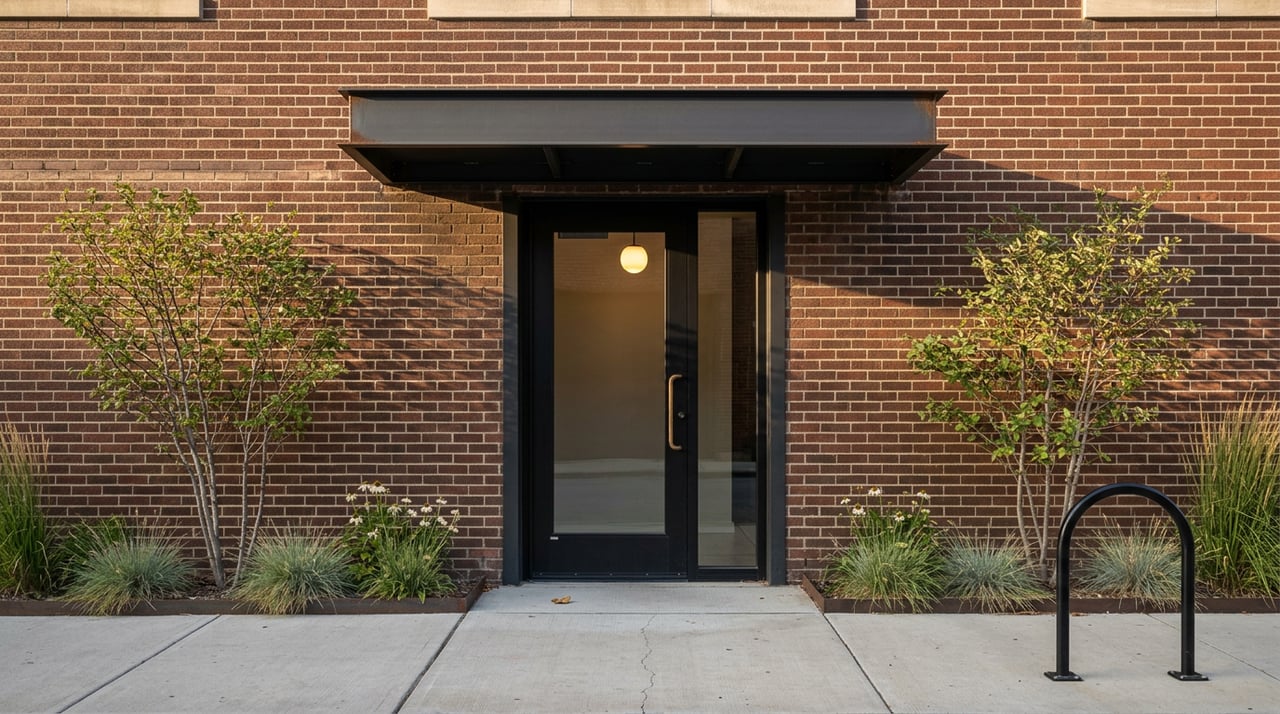
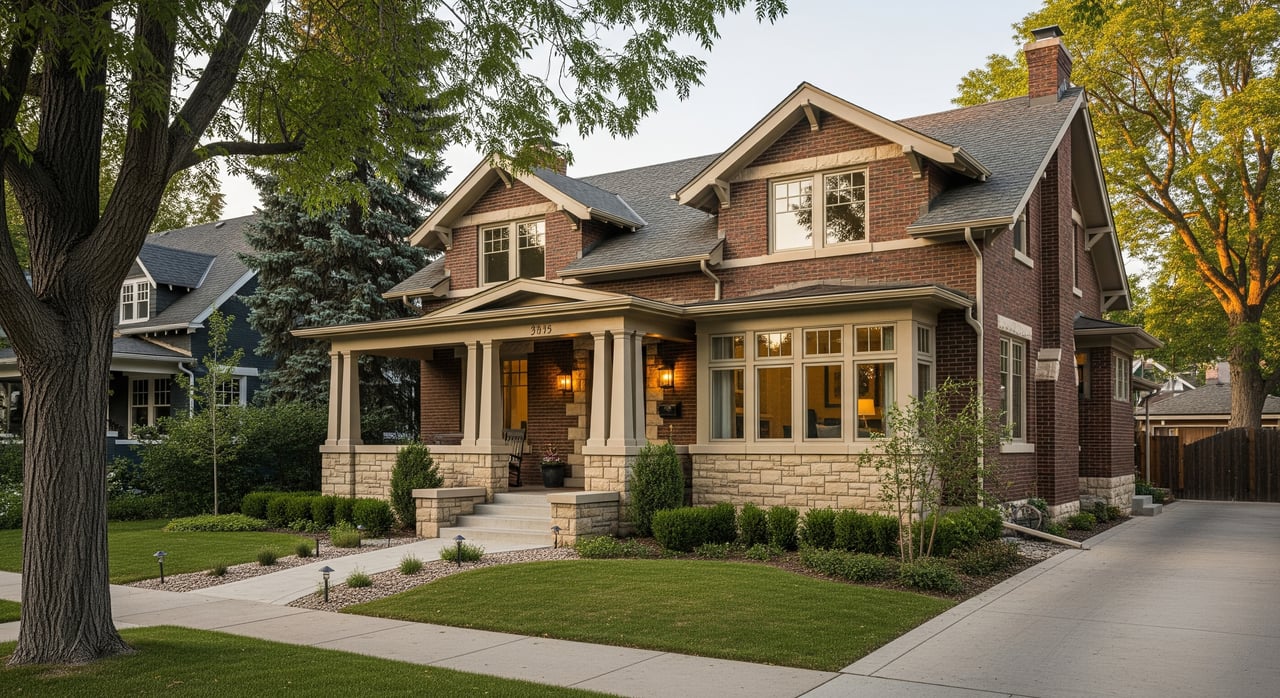
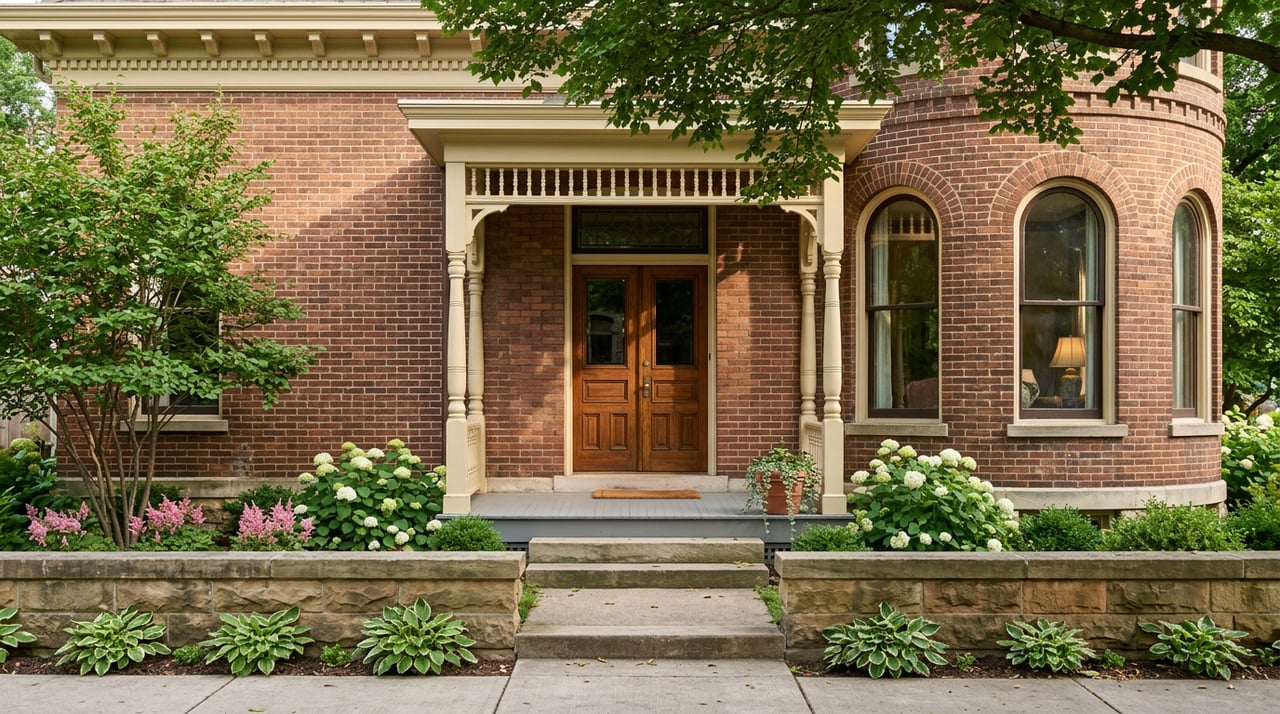
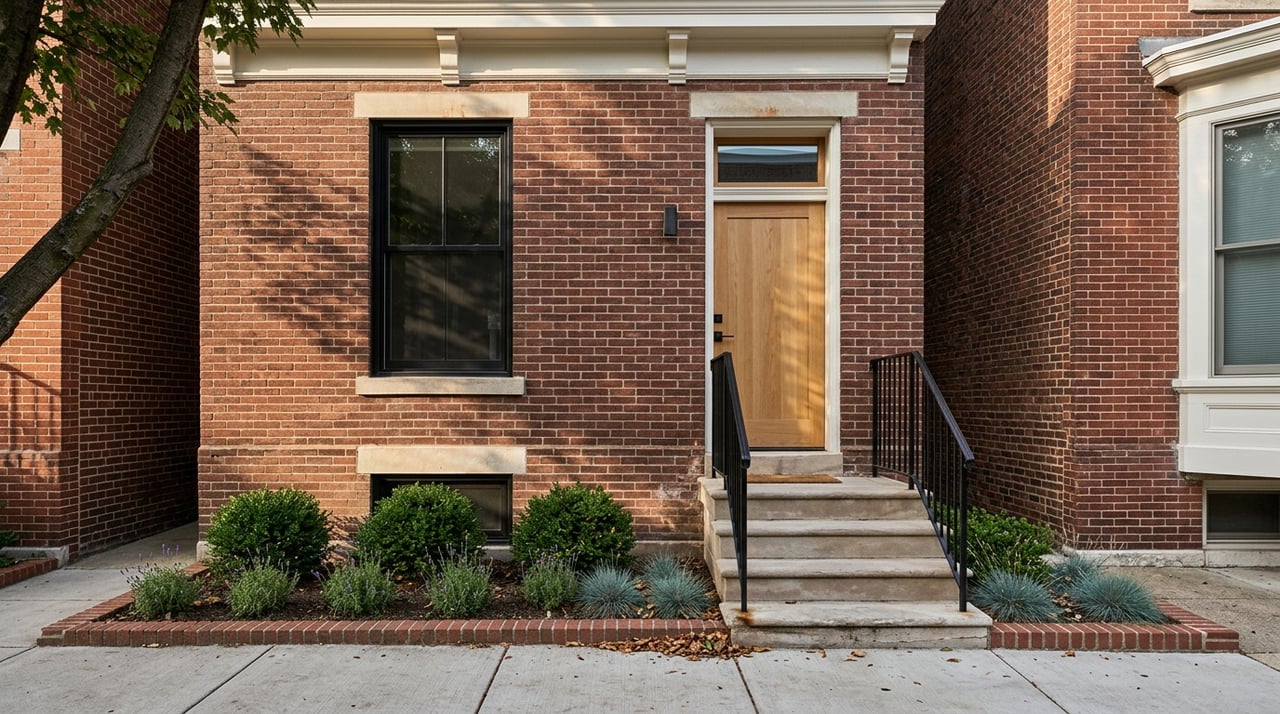
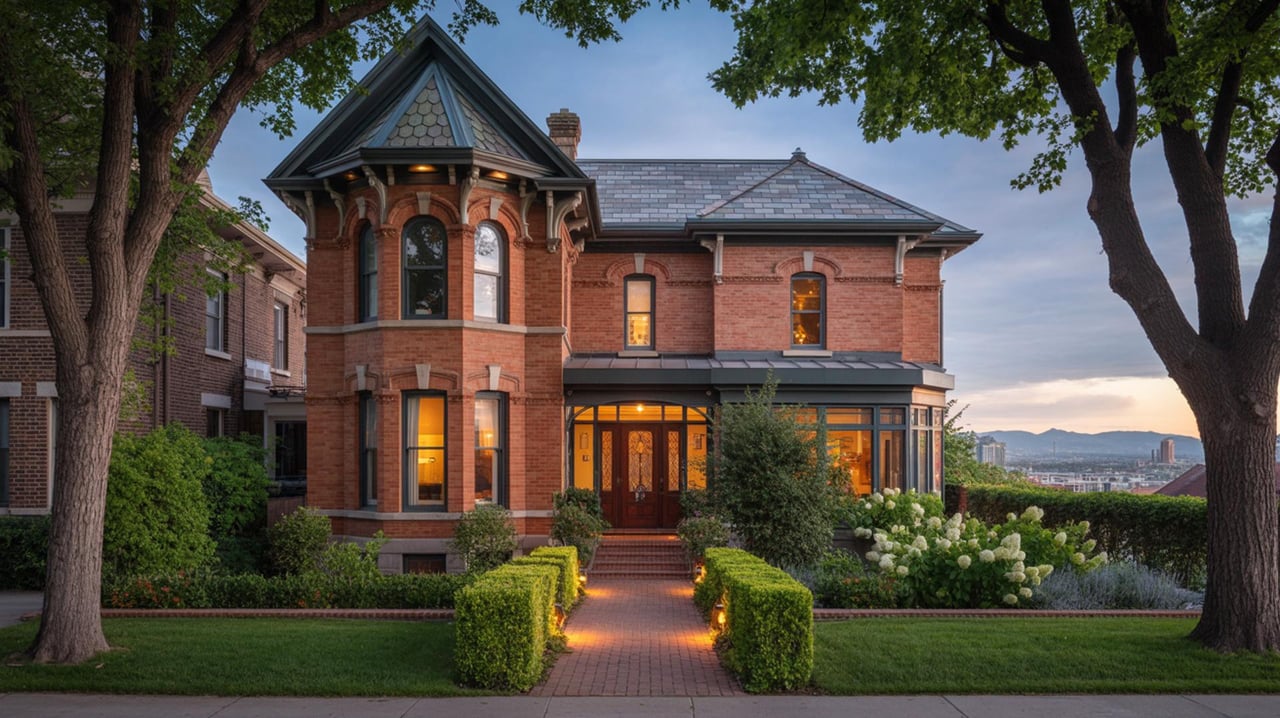
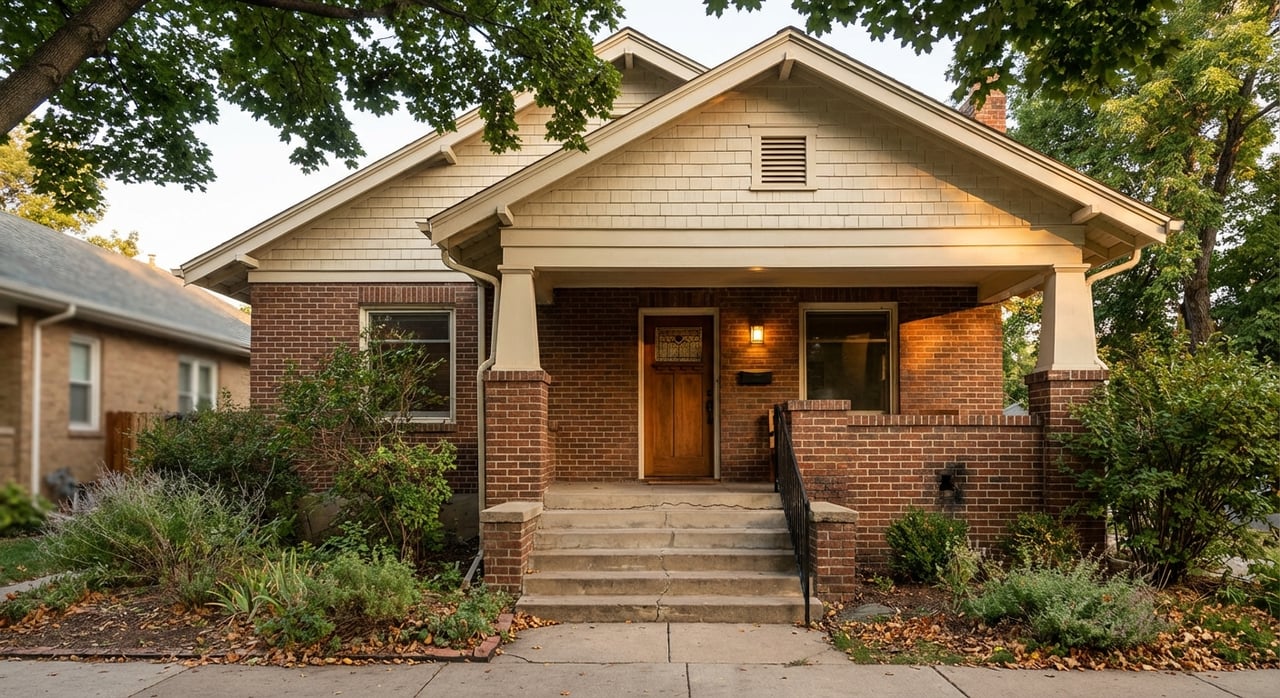
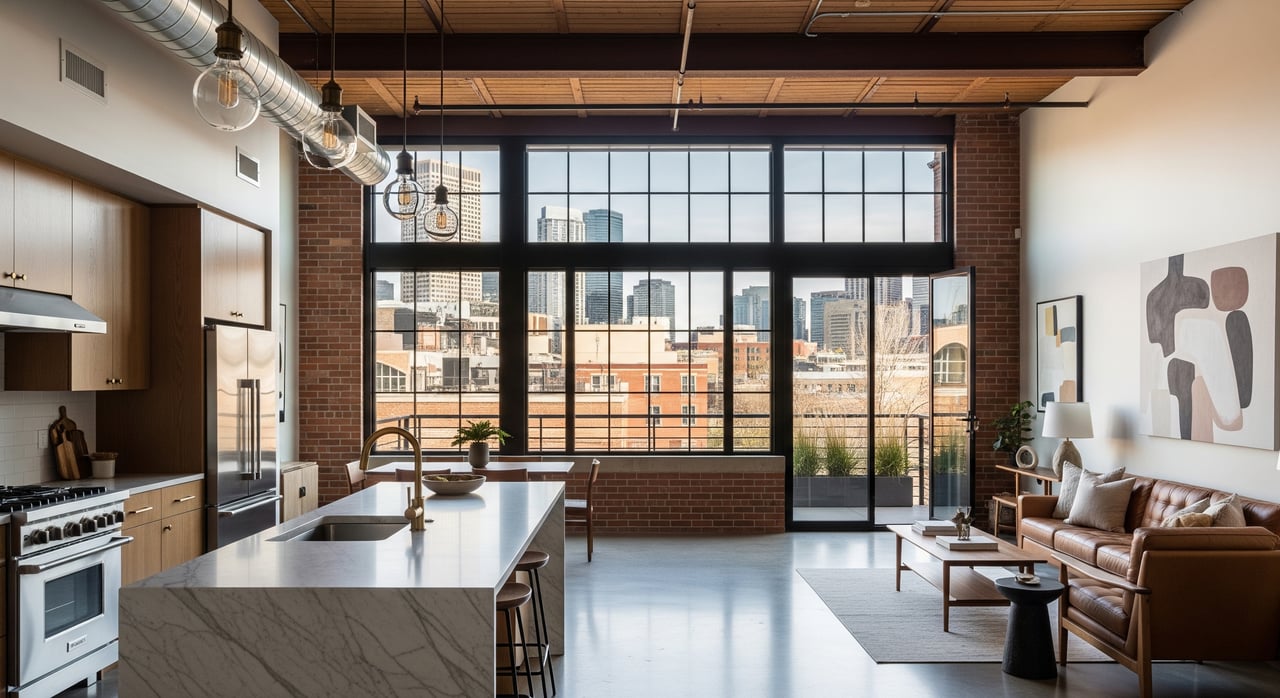
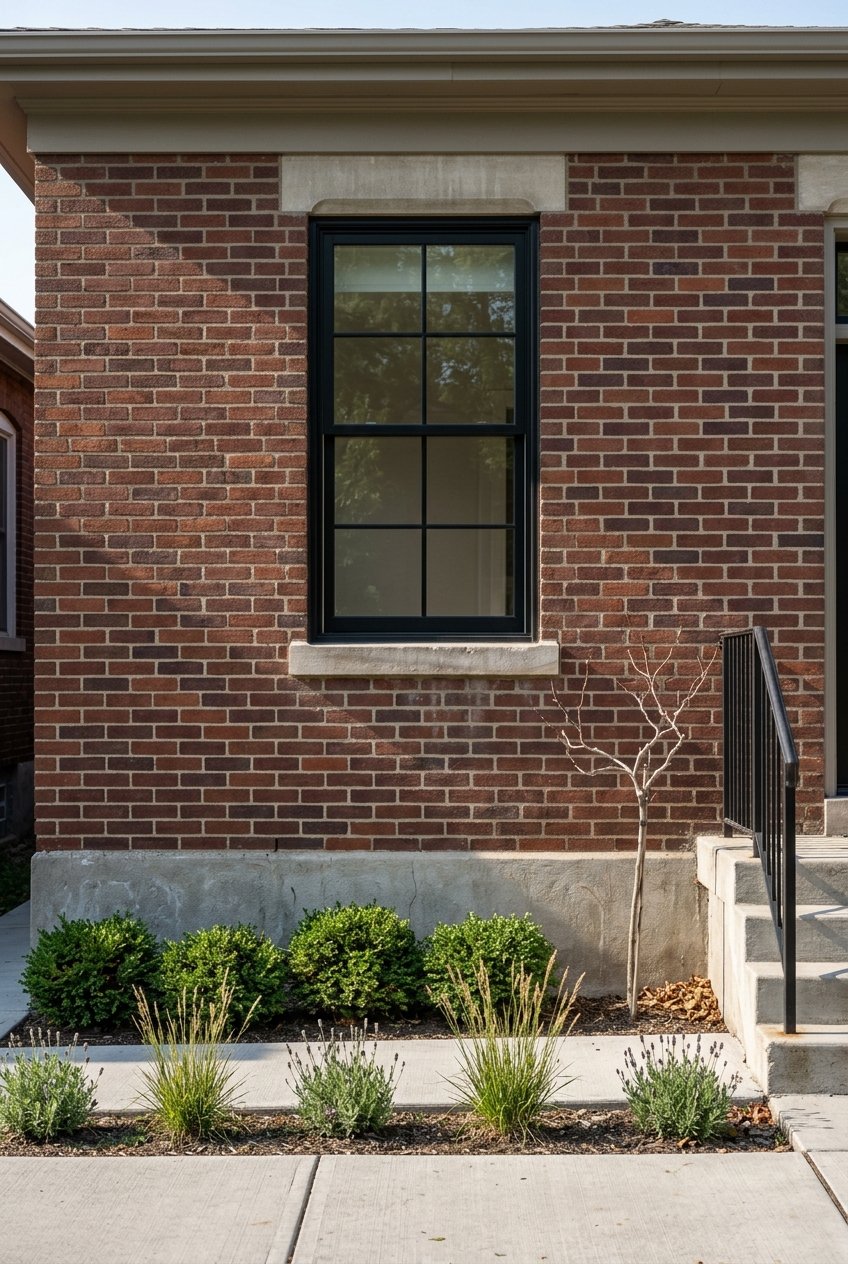
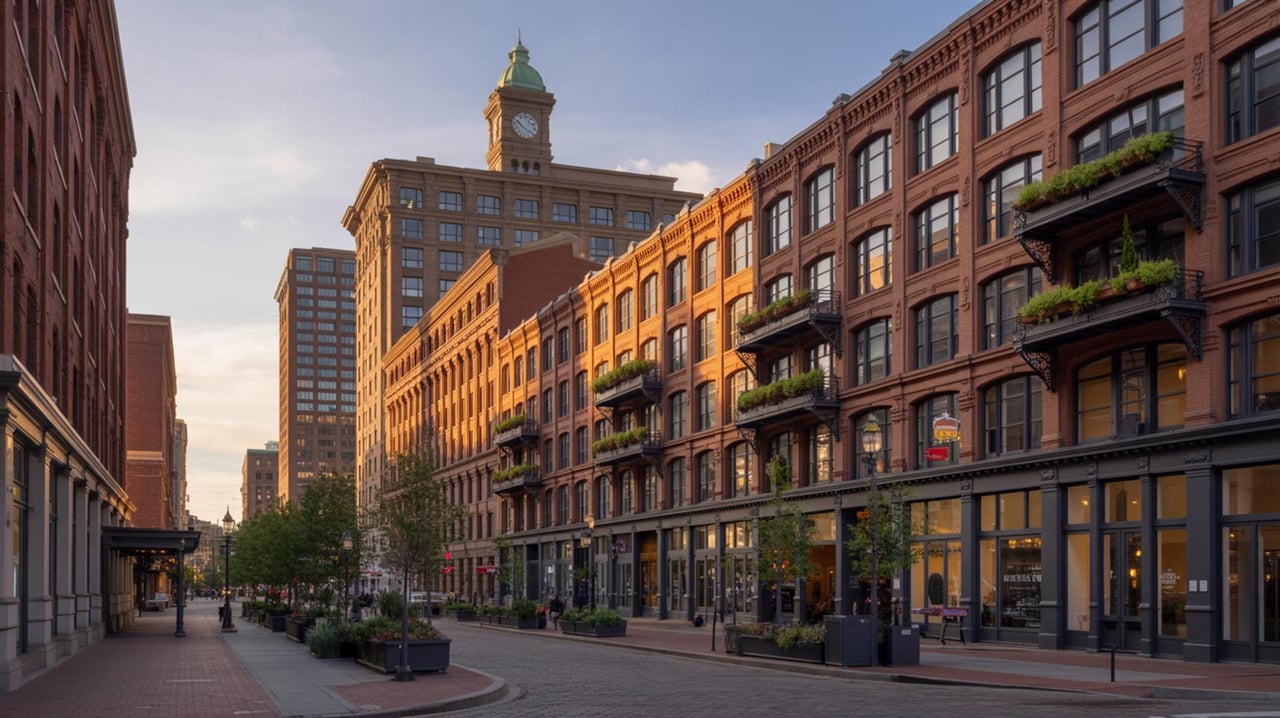
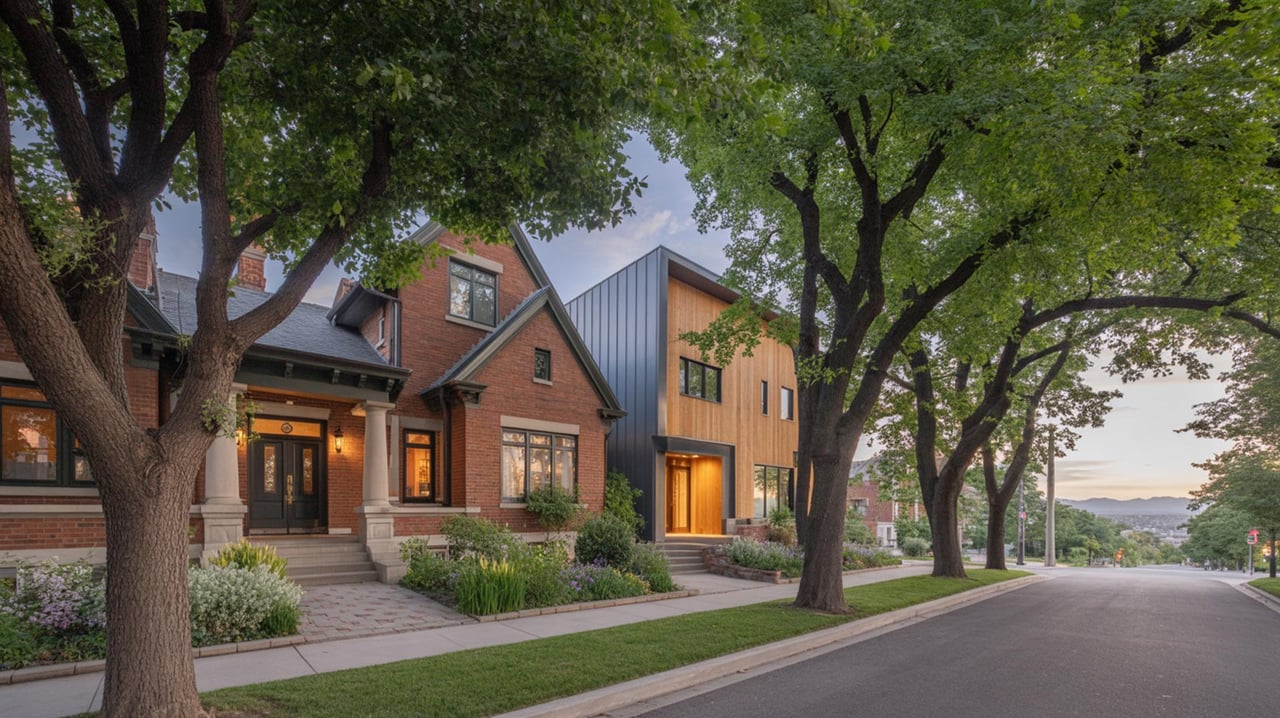
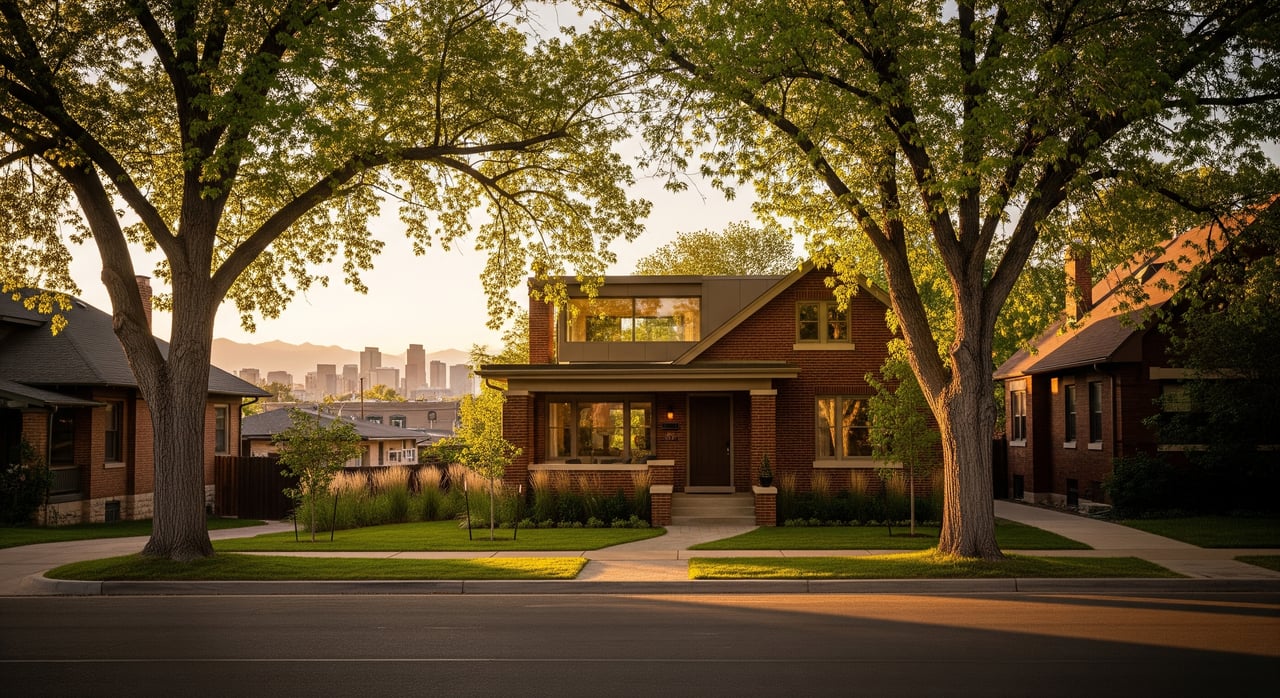
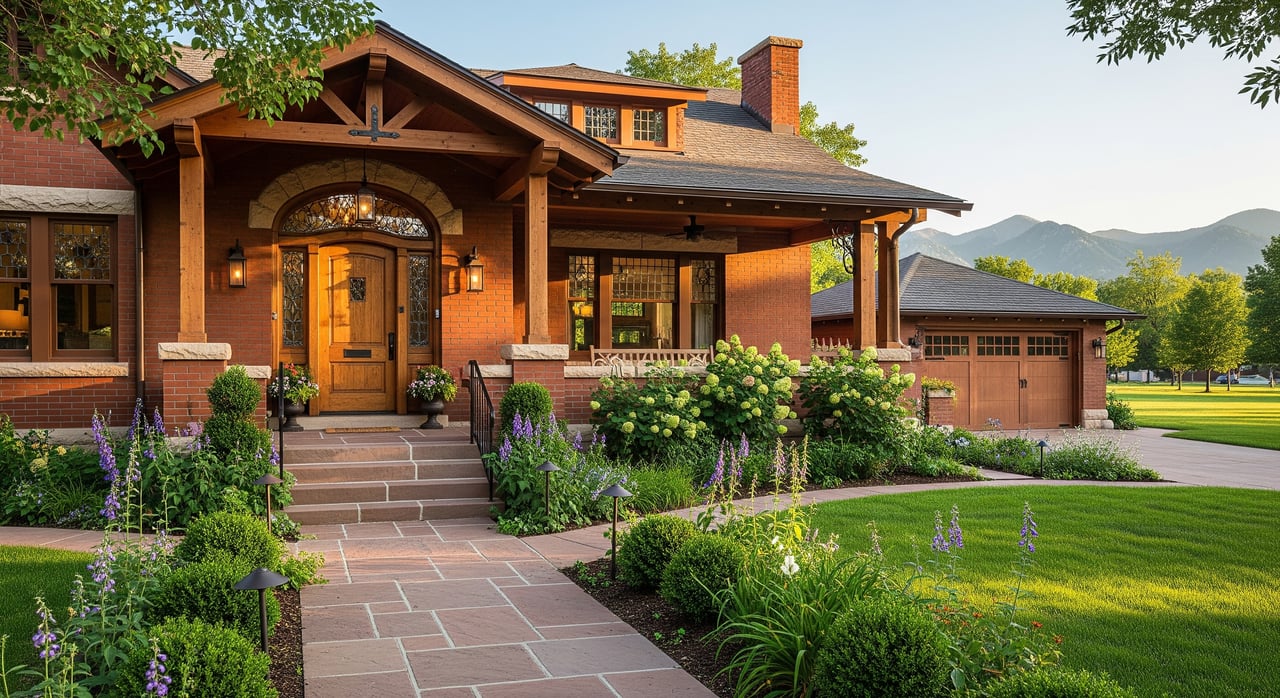
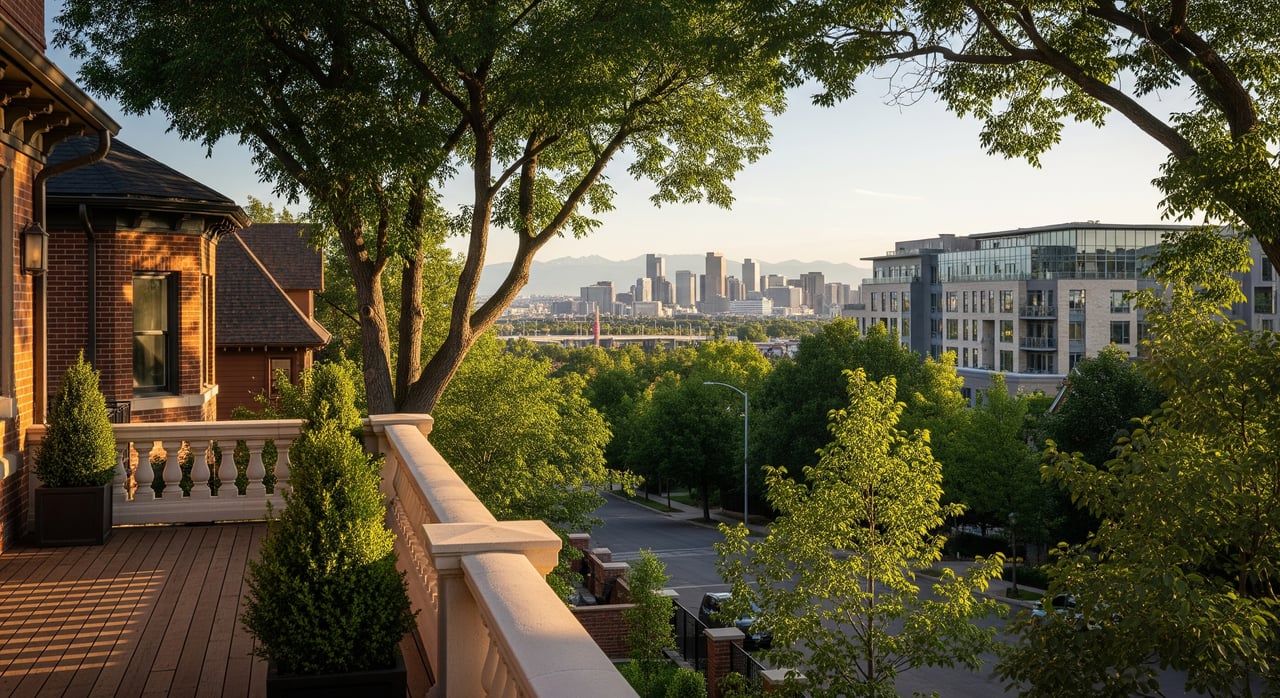
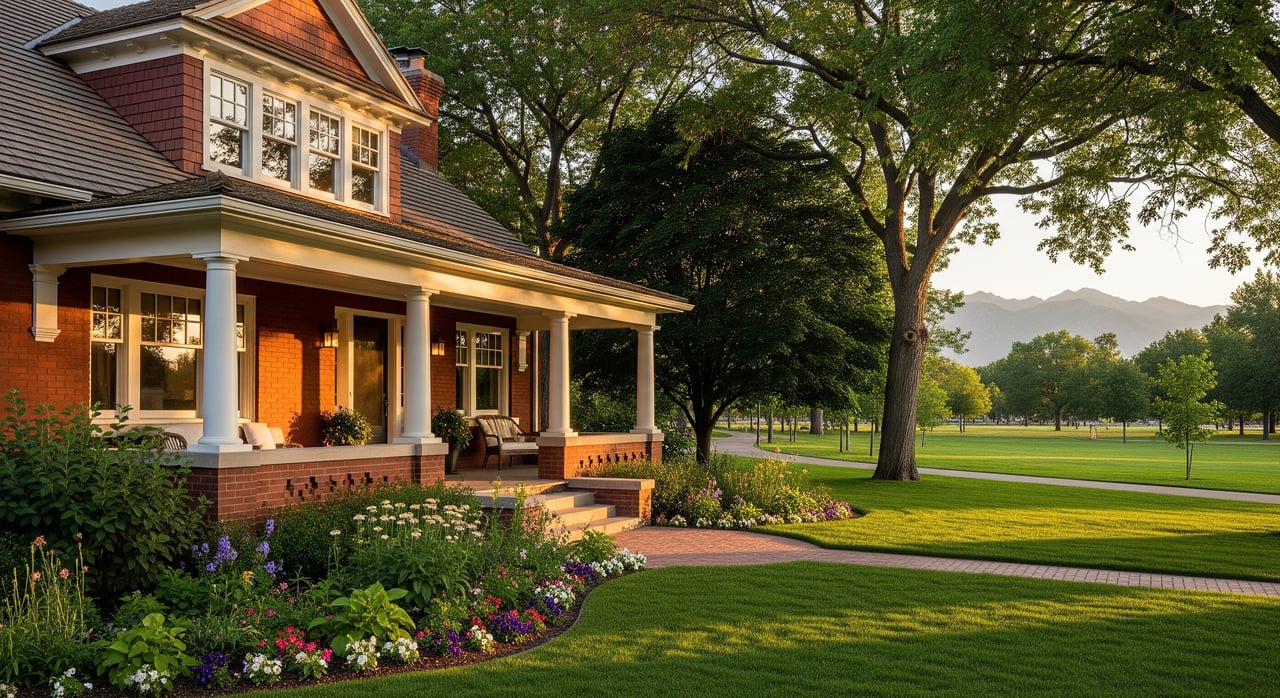
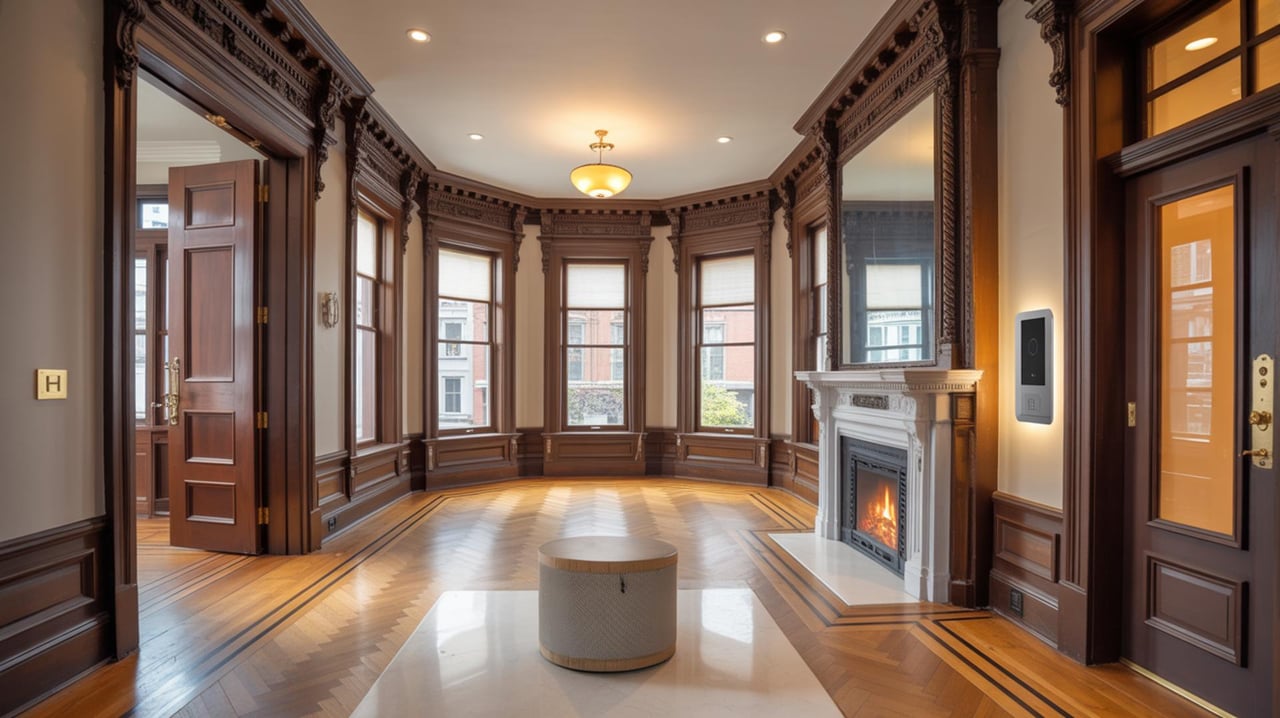
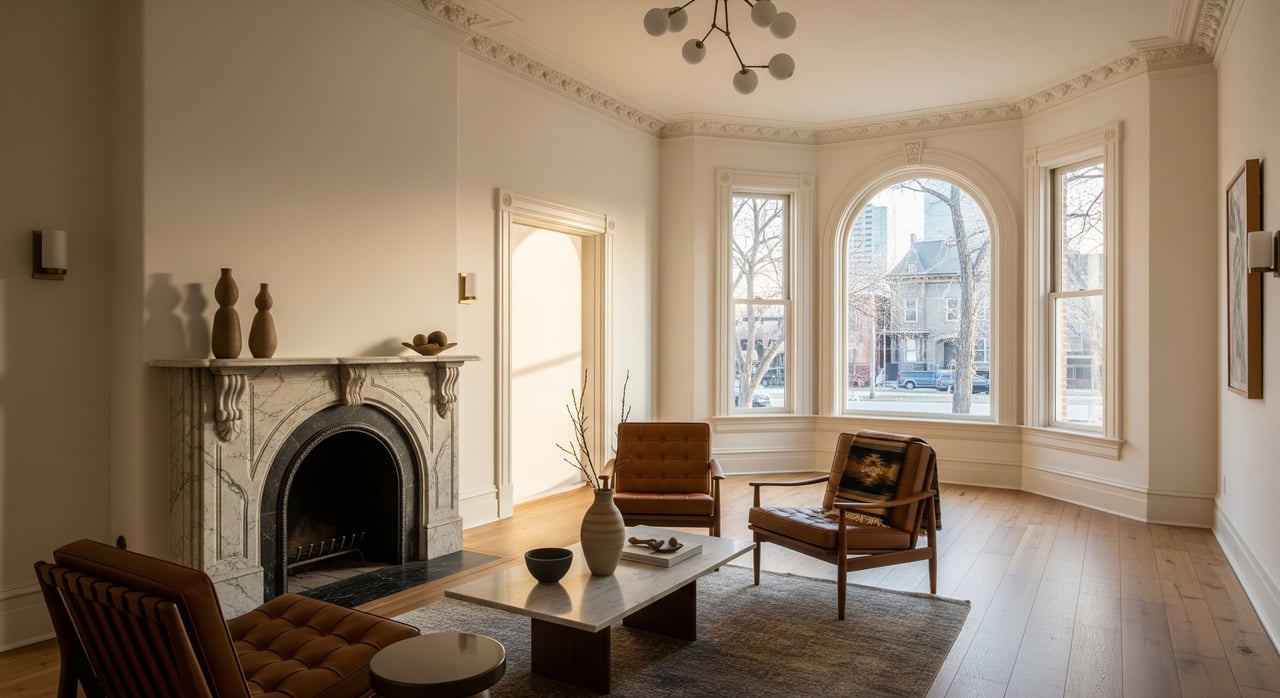
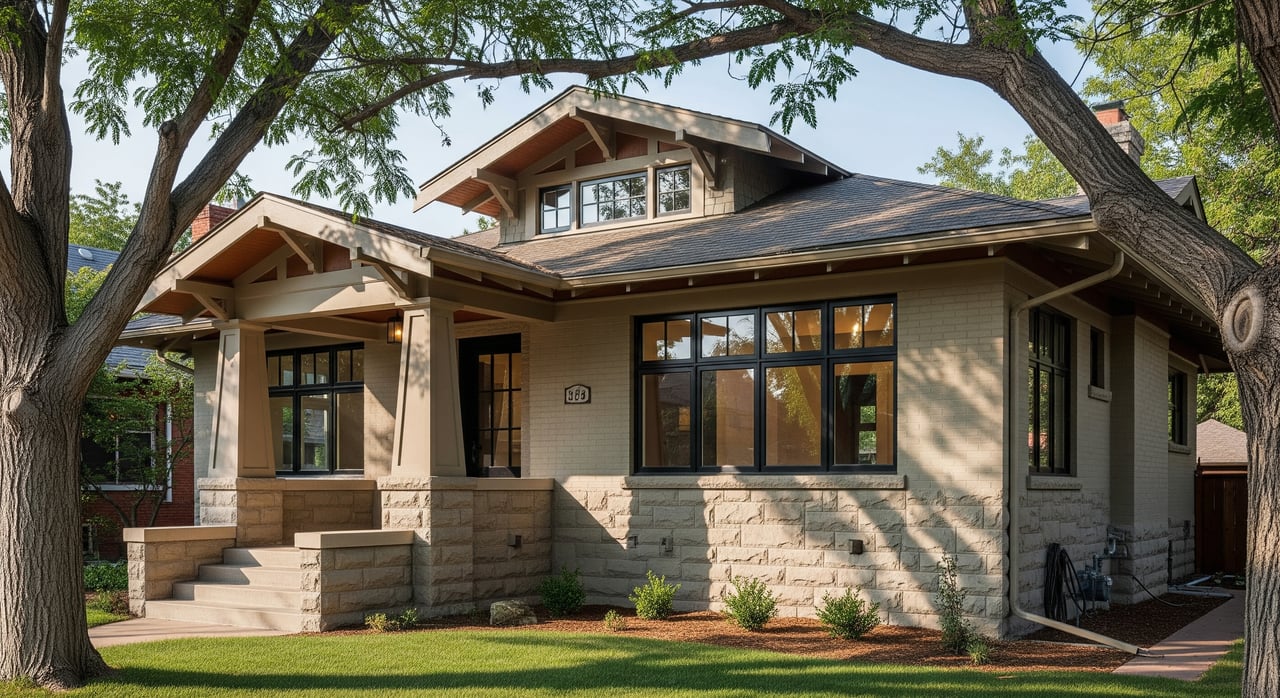
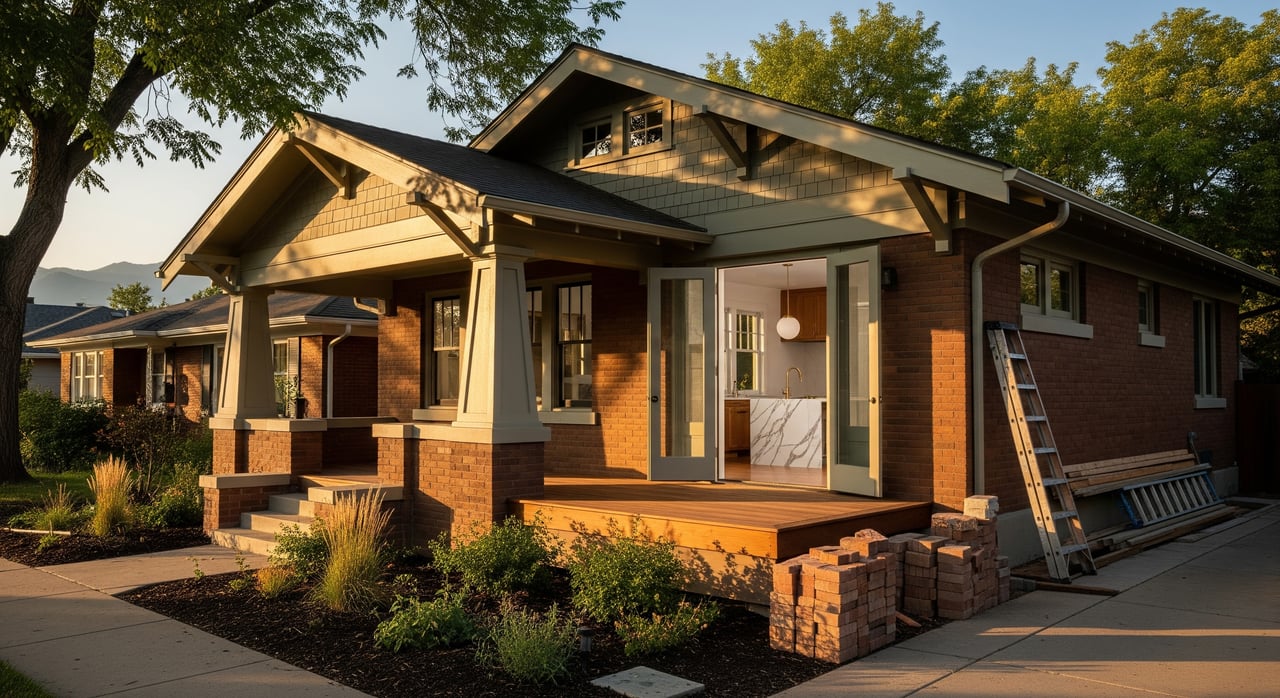
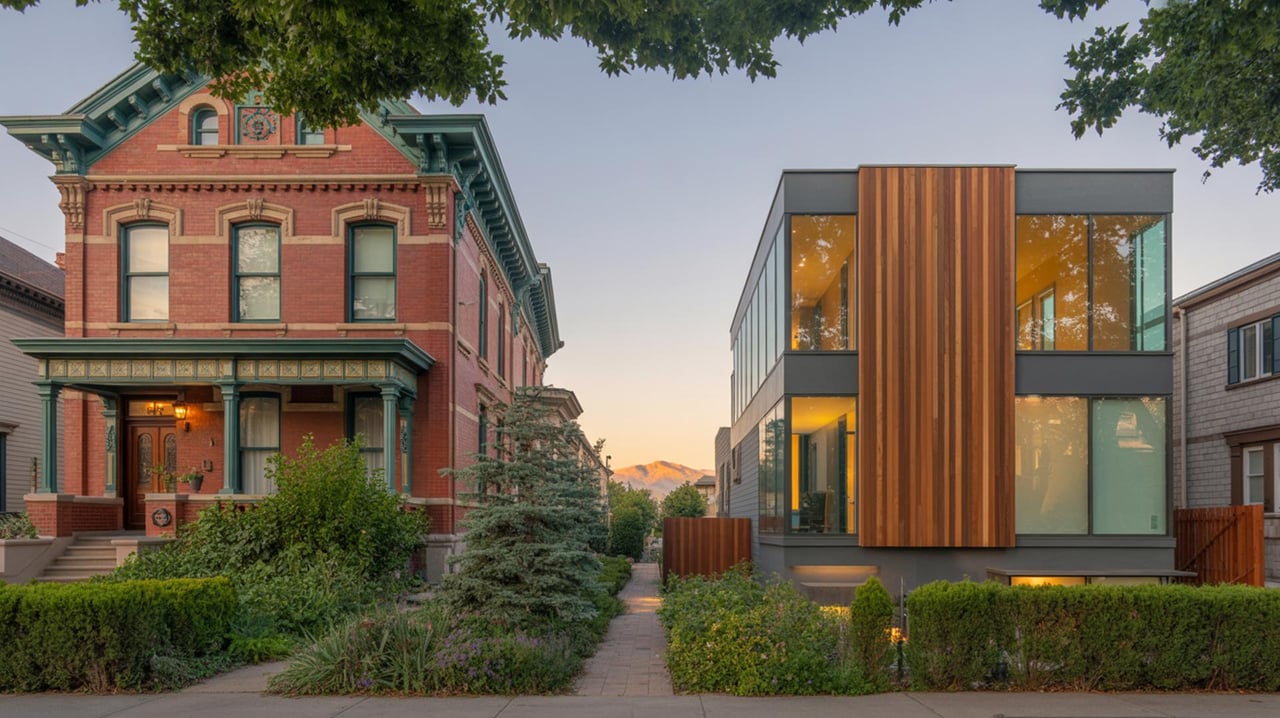
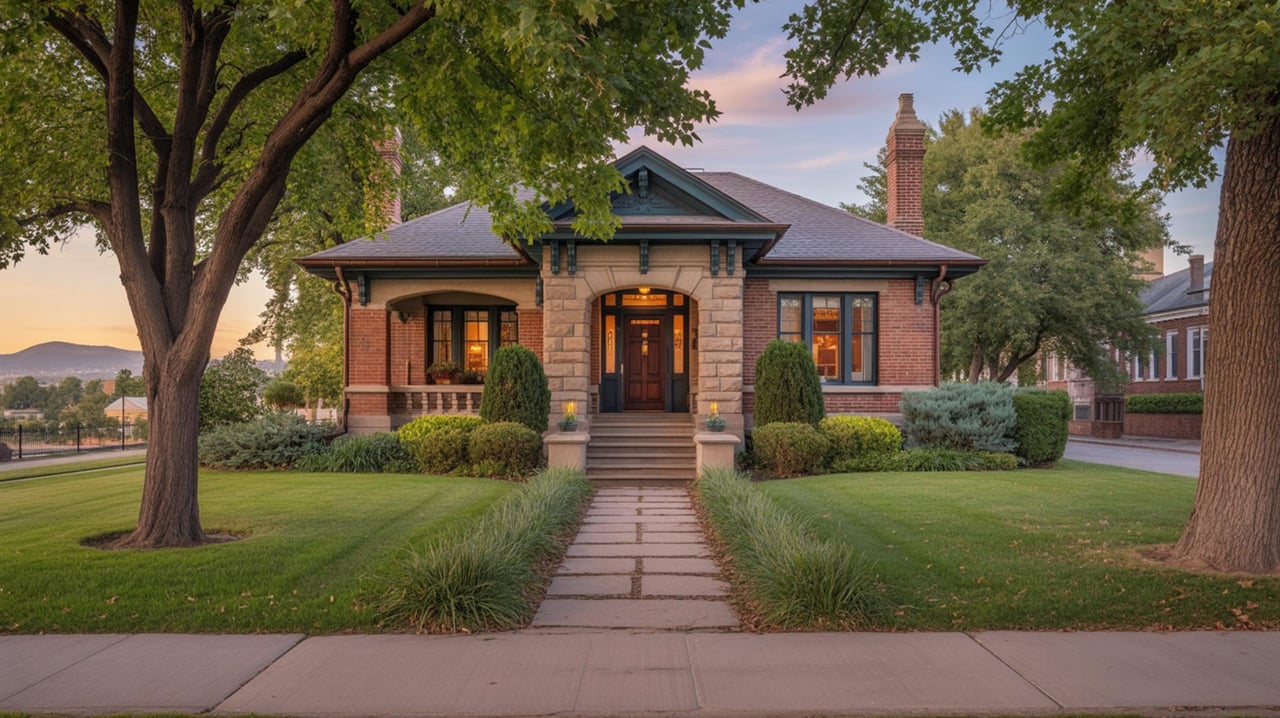
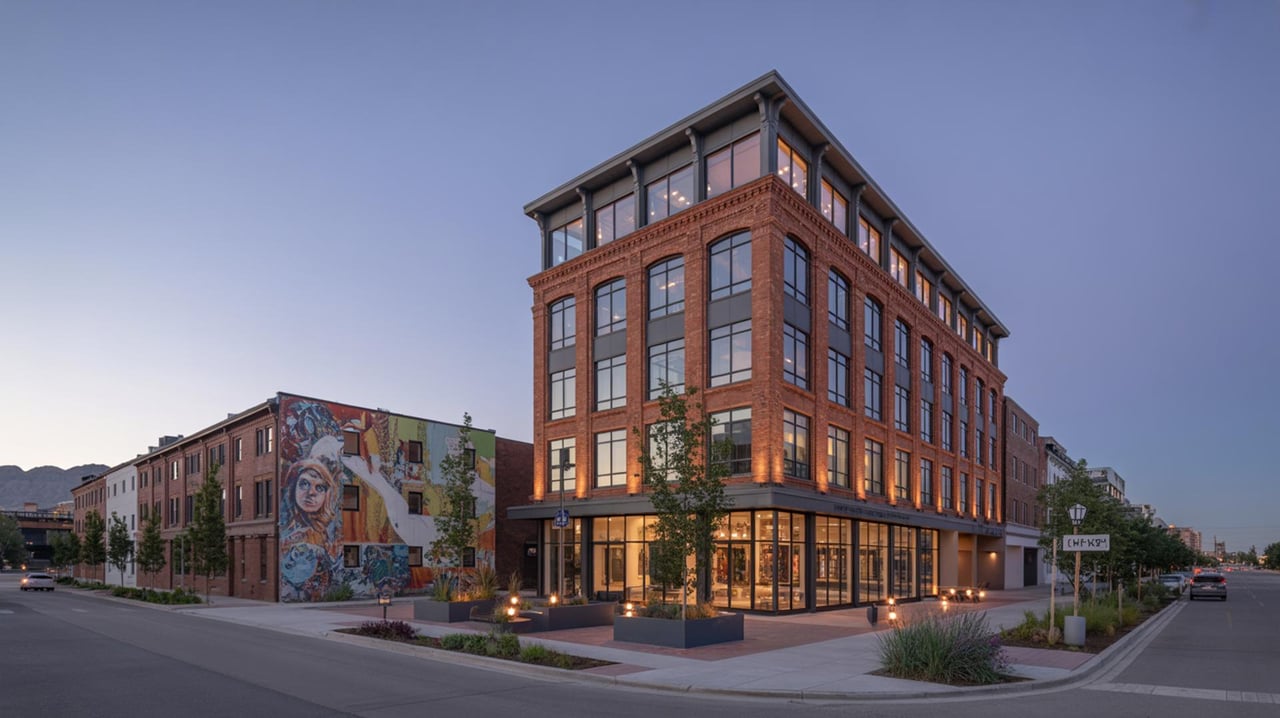
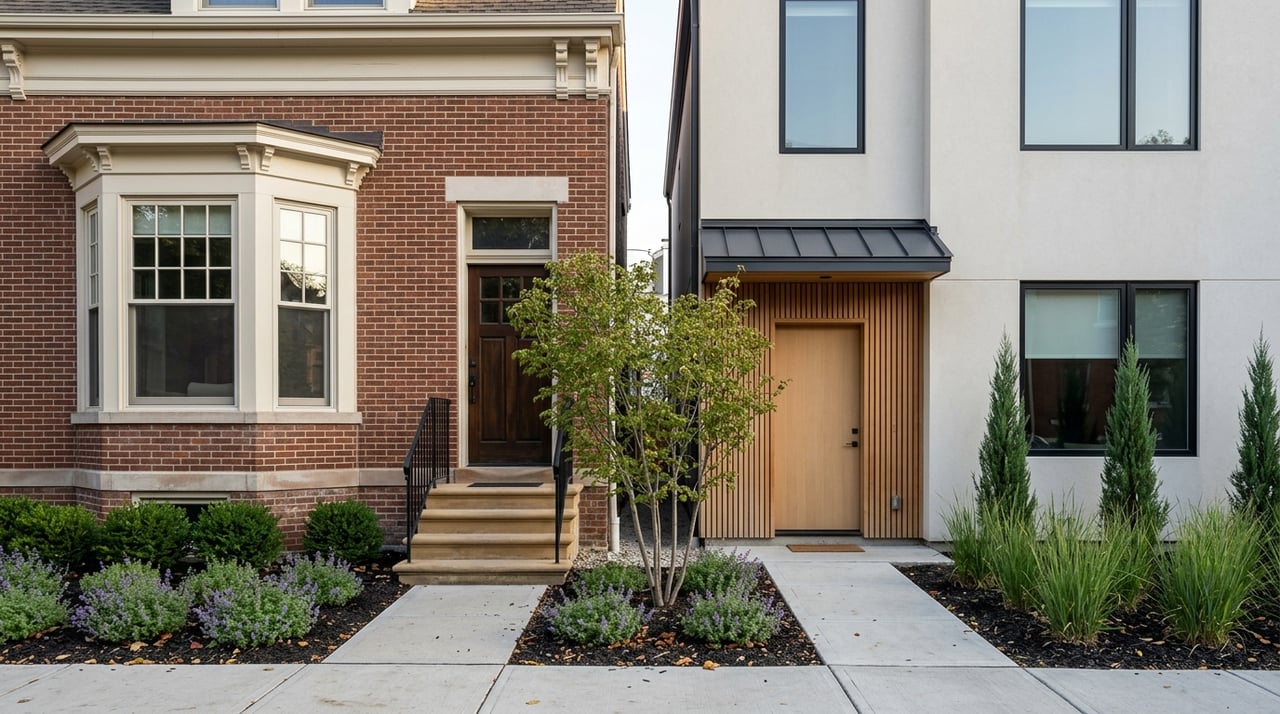
In and around Five Points, Denver preservation materials describe forms such as Italianate, Eastlake, Queen Anne, Victorian eclectic, Romanesque, French Second Empire, Gothic Revival, bungalow, foursquare, duplex, and rowhouse buildings. You will also find altered historic homes, vacant lots, and modern infill. In practical terms, that means your block may include late-19th-century details, 20th-century civic buildings, and newer residential construction side by side.
Landmark Buildings Shape the Streetscape
Several well-known properties help define the visual character of Five Points. The former Justina Ford House, now the Black American West Museum and Heritage Center, is a Victorian home built in 1890 with an Italianate façade. The Rossonian on Welton Street, originally opened in 1907 as the Baxter Hotel, is a Beaux Arts landmark that became one of the area’s defining jazz-era buildings.
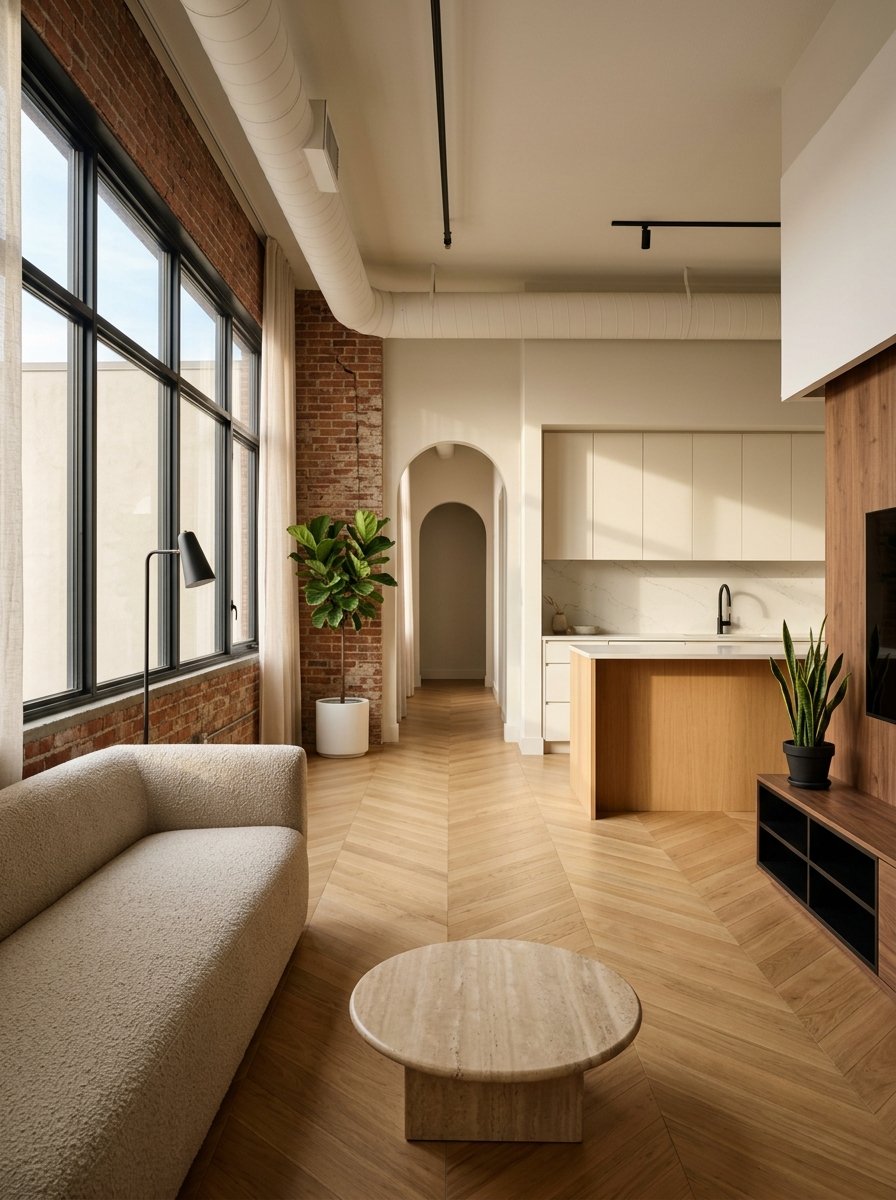
You can also see how civic and adaptive-reuse buildings add variety to the streetscape. Denver Fire Station #3, built in 1931, uses a Spanish Bungalow design intended to fit its neighborhood context. RedLine Contemporary Art Center shows another side of the area, reworking a 1960s building into a community-centered arts space with a more industrial-chic look.
Newer Infill Adds a Different Layer
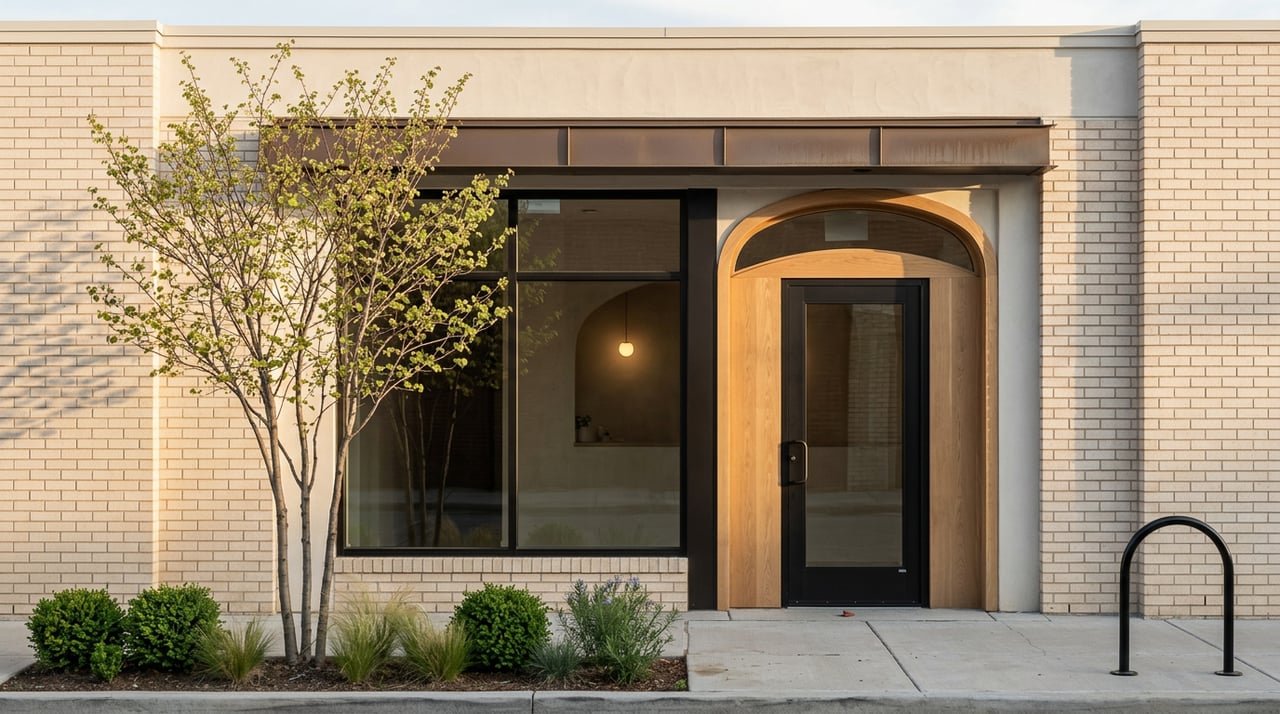
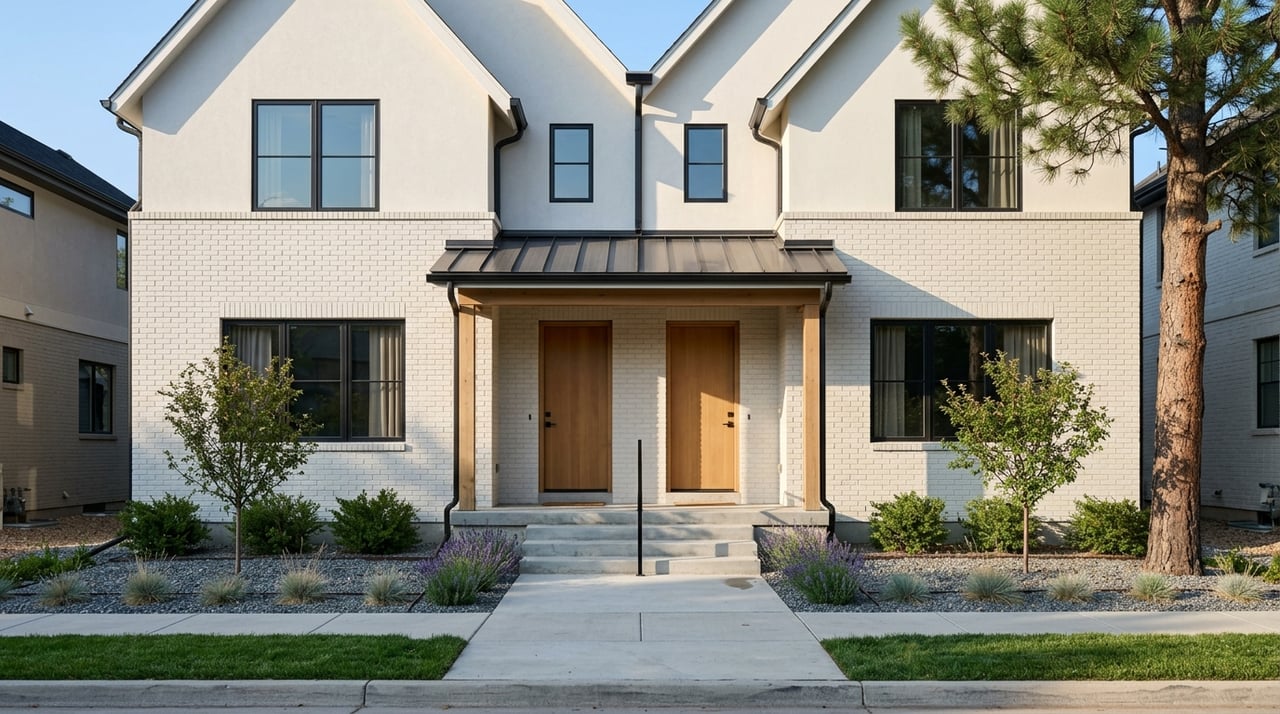
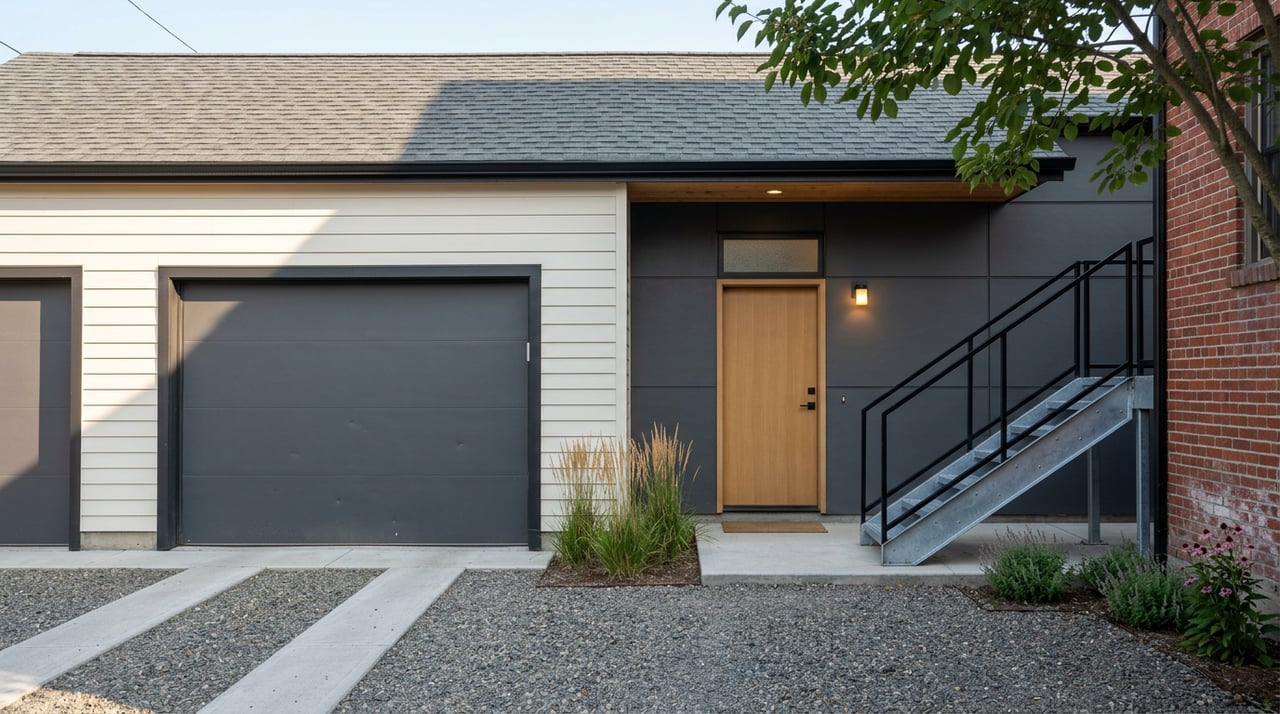
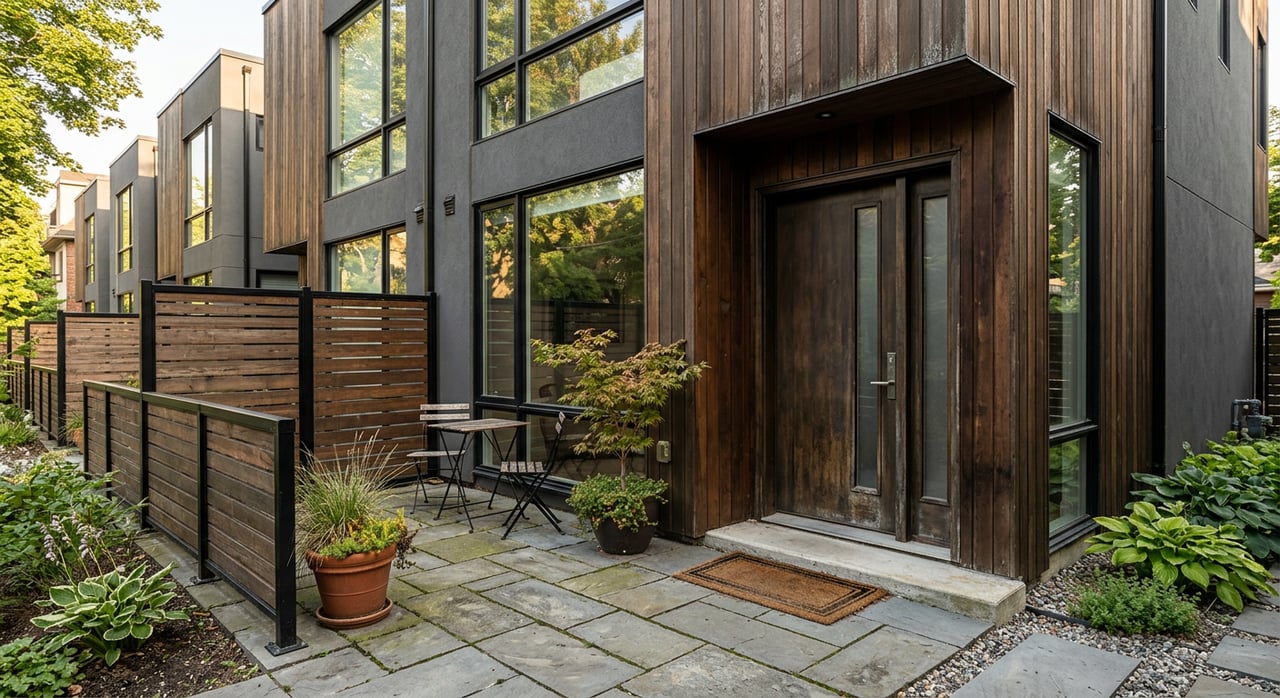
Five Points is not frozen in time. Modern projects such as S*Park, a 2018 mixed-use development with for-sale homes on Lawrence Street, show how new housing is becoming part of the neighborhood fabric. These projects help explain why some parts of Five Points feel newly built while others feel deeply historic.
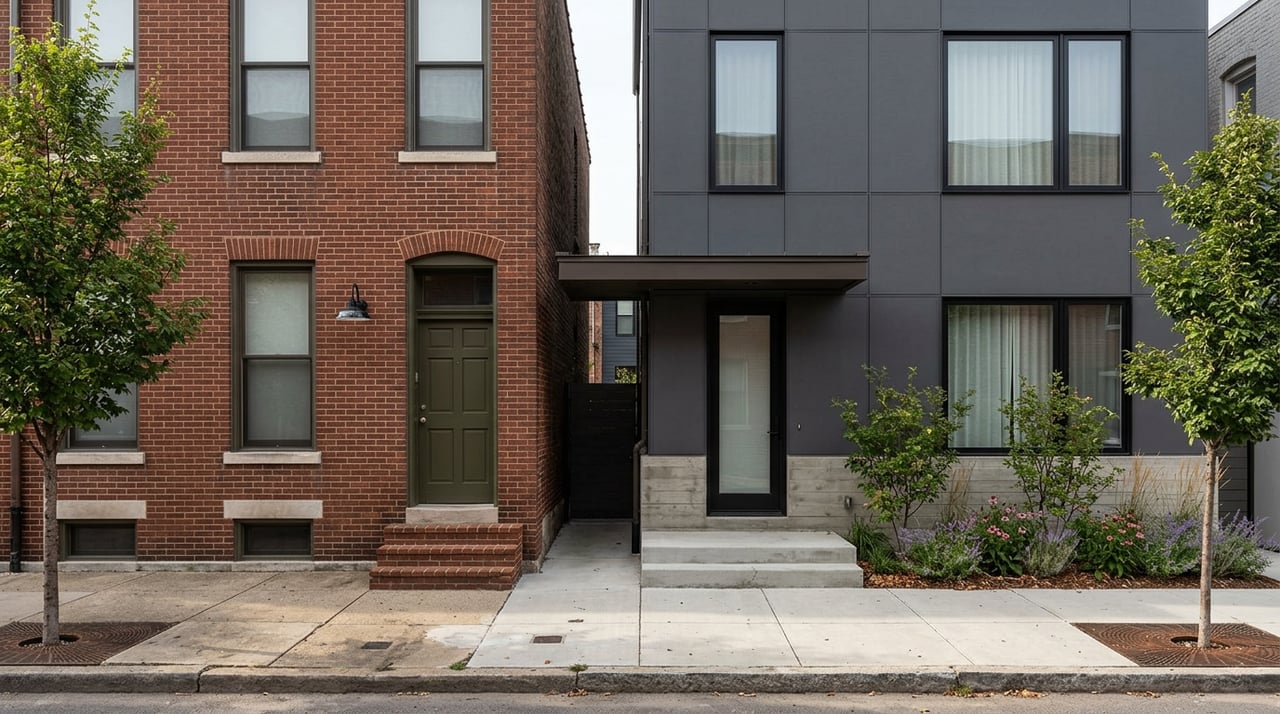
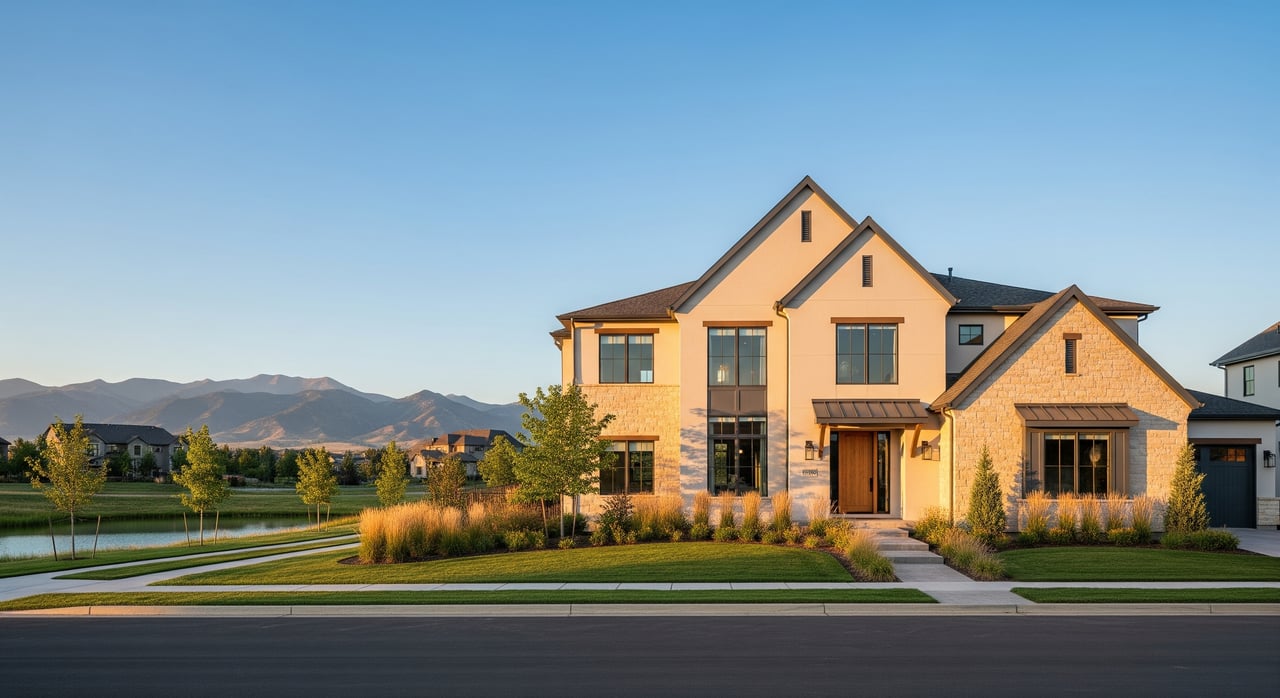
That said, newer development here is not meant to act like free-form suburban construction. In local historic areas, Denver expects new buildings to fit the surrounding context through massing, materials, and rhythm rather than copying old structures exactly. If you are shopping for newer construction, that context-sensitive approach is part of what gives the area a more cohesive feel.
Historic District Rules Matter
If you are considering a property inside the Five Points Historic Cultural District, design review is important to understand early. Denver designated the district in 2002, and local preservation rules apply to exterior work, signage, and new construction within district boundaries. That can affect how renovations, additions, and visible updates move forward.
For buyers, this is worth viewing as both a benefit and a responsibility. Preservation standards can help protect neighborhood character and support more compatible development over time. At the same time, if you plan to change a façade, replace exterior elements, or take on a major project, you will want to factor in review timelines and design requirements.
For sellers, this can also shape how you position a property. A home in a historic district may appeal to buyers who value architectural character and neighborhood continuity. Clear expectations around preservation oversight can help buyers understand what ownership may involve.
What Daily Life Feels Like
Architecture is only part of the story. In Five Points, the lifestyle is closely tied to walkable streets, cultural institutions, transit access, and street-level activity. The result is a more urban day-to-day experience than you may find in many Denver-area neighborhoods.
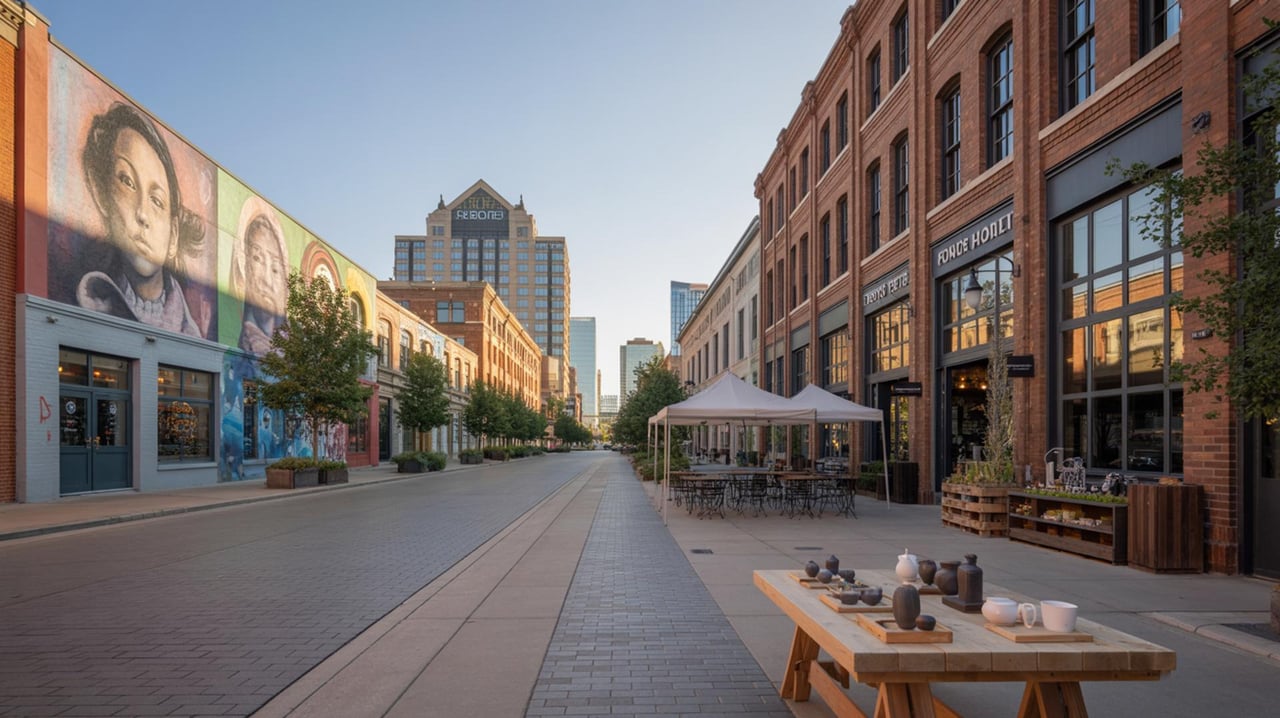
Welton Street plays a major role in that daily rhythm. It is where history, business activity, and cultural identity come together in a way that shapes how the neighborhood feels on foot. For many people, that street presence is just as important as the home itself.
Culture Is Part of Everyday Living
One of the neighborhood’s key anchors is the Blair-Caldwell African American Research Library. Denver Public Library describes it as the gateway to Five Points and the Welton Street Historic District, and it connects to Sonny Lawson Park by plaza. Because it includes a branch library, archives and research functions, plus museum and gallery space, it serves as both a practical amenity and a major cultural landmark.
That kind of civic presence gives Five Points a lived-in sense of place. You are not just near homes and businesses. You are in a neighborhood where public spaces and institutions help tell the story of Denver.
Food and Street Life Add Energy
Five Points is also known for a dining mix that includes Caribbean, soul food, catfish, and barbecue. Visit Denver also points to the Welton Street Cultural District walking tour and the Story Trek as ways to explore the neighborhood’s history. That blend of food and culture adds to the sense that daily life here happens out on the street, not only behind front doors.
For buyers, this can mean a neighborhood where local outings feel easy and spontaneous. For sellers, it is a reminder that the surrounding experience often matters as much as square footage when people picture life here.
Transit Shapes the Lifestyle
Transit access is one of the clearest lifestyle features in Five Points. RTD says the D Line runs from 30th Avenue and Downing through the Five Points Business District to I-25 and Broadway. Stations at 20th St/Welton and 27th St/Welton do not offer RTD parking, and 30th/Downing has only 27 spaces.
That limited parking helps reinforce what the neighborhood already suggests on the ground: Five Points is more transit-first and street-oriented than car-centered. If you want a neighborhood where rail access is part of your routine, this is a meaningful advantage. If you rely heavily on driving and easy parking, it is smart to weigh that lifestyle fit before you buy.
Public Spaces Are Still Evolving
Five Points is not only historic. It is still changing in visible ways. Denver’s planned 5280 Trail work on 21st Street is intended to connect Five Points with nearby neighborhoods and turn underused streets into more active corridors that highlight local culture, architecture, and history.
The city has also identified Five Points as a 2025 focus area for green-infrastructure work. At the Five Points Intersection Plaza, a street-mural pilot called for tables, chairs, and trees. Together, these public-realm efforts suggest a neighborhood that continues to invest in the pedestrian experience and shared spaces.
What Buyers Should Watch For
If you are buying in Five Points, it helps to think beyond the house itself. This is a neighborhood where architecture, transit, public space, and history all influence daily life. The right fit often comes down to whether you want a more layered urban experience.
A few things to keep in mind:
- Historic character may come with preservation review for exterior changes.
- The architecture can vary a lot from block to block.
- Transit access is strong, but parking may be limited depending on the location.
- Neighborhood appeal often comes from culture, walkability, and street activity as much as from the home.
- Newer development is part of the area, but it often follows contextual design expectations.
If you are a first-time buyer, this means asking practical questions about renovation plans, commuting habits, and how much value you place on being close to cultural and transit amenities. If you are buying for investment or a renovation project, neighborhood context and design rules deserve extra attention up front.
What Sellers Can Highlight
If you are selling in Five Points, the strongest story is usually not just about finishes or upgrades. It is about how your property fits into a neighborhood with deep roots, distinct architecture, and a connected urban lifestyle. Buyers are often drawn to the larger setting as much as the structure itself.
Depending on the property, it may help to emphasize:
- Historic context and architectural details
- Proximity to Welton Street activity and cultural landmarks
- Transit access and walkable urban living
- Compatibility with the neighborhood’s evolving but contextual design pattern
- Access to public spaces and ongoing area improvements
A thoughtful marketing strategy can help frame the home as part of Five Points’ larger story of preservation and change. That is especially important in a neighborhood where buyers may be comparing historic homes, adaptive-reuse spaces, and newer infill all within a relatively small area.
Why Five Points Appeals to So Many Buyers
Five Points appeals to people who want more than one thing from a neighborhood. You can find history, architecture, cultural institutions, transit access, and signs of ongoing reinvestment in the same place. That combination is not common, and it gives the area a strong sense of identity.
At the same time, the neighborhood asks for a realistic understanding of urban living. You may get more character, stronger transit access, and a richer street-level environment, but you may also need to navigate preservation oversight or a less car-focused setup. For many buyers and sellers, that tradeoff is exactly what makes Five Points compelling.
If you want help understanding how a specific block, property type, or renovation plan fits into Five Points, Luxe Realty can guide you with local insight, clear communication, and hands-on support tailored to your goals.
FAQs
What makes Five Points architecture different from other Denver neighborhoods?
- Five Points stands out because it is not defined by one housing style. The neighborhood includes historic landmarks, varied residential forms, adaptive reuse, and newer contextual infill that reflect many eras of development.
What should buyers know about historic district rules in Five Points?
- Buyers should know that properties inside the Five Points Historic Cultural District may be subject to Denver review for exterior work, signage, and new construction, which can affect renovation plans and timelines.
What is daily life like in Denver’s Five Points neighborhood?
- Daily life in Five Points tends to be more urban and street-oriented, with cultural institutions, dining along Welton Street, transit access, and public spaces playing a big role in the neighborhood experience.
What transit options are available in Five Points, Denver?
- RTD’s D Line runs through the Five Points Business District, and stations at 20th St/Welton, 27th St/Welton, and 30th/Downing support rail access, though station parking is limited.
What should sellers highlight when listing a home in Five Points?
- Sellers should highlight the property’s architectural character, connection to neighborhood history, transit access, nearby cultural landmarks, and the appeal of Five Points’ evolving urban lifestyle.