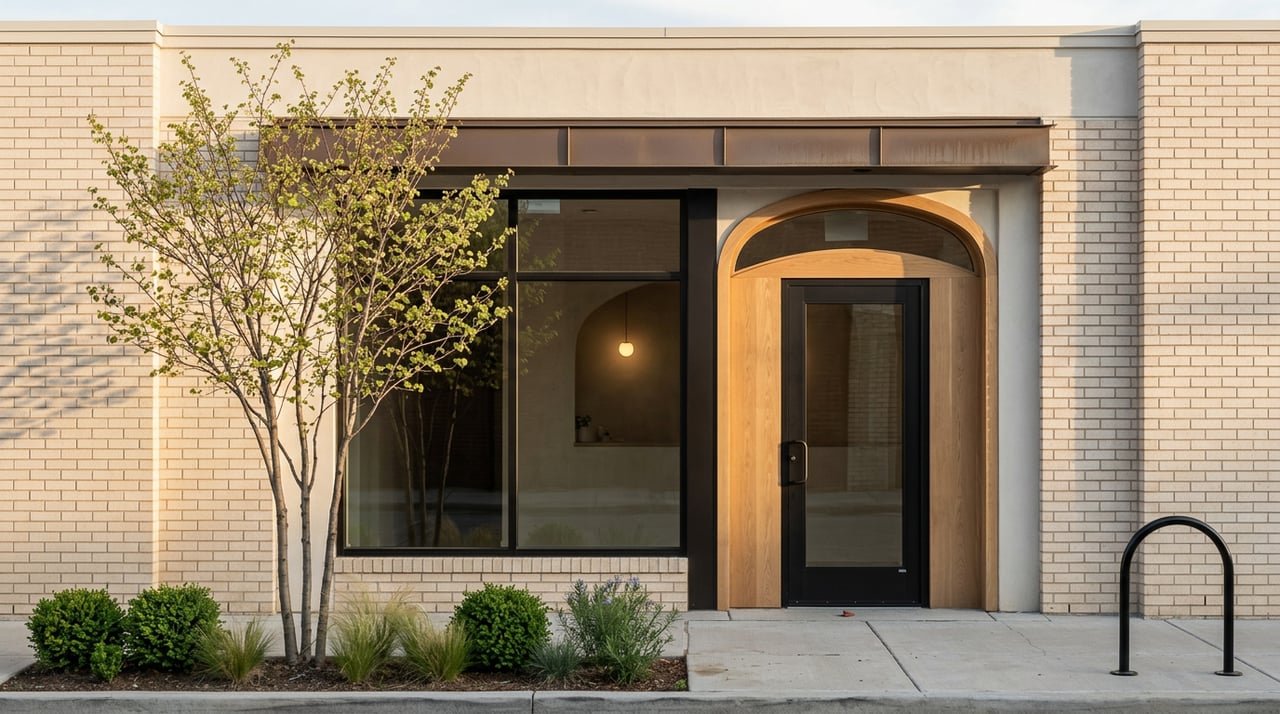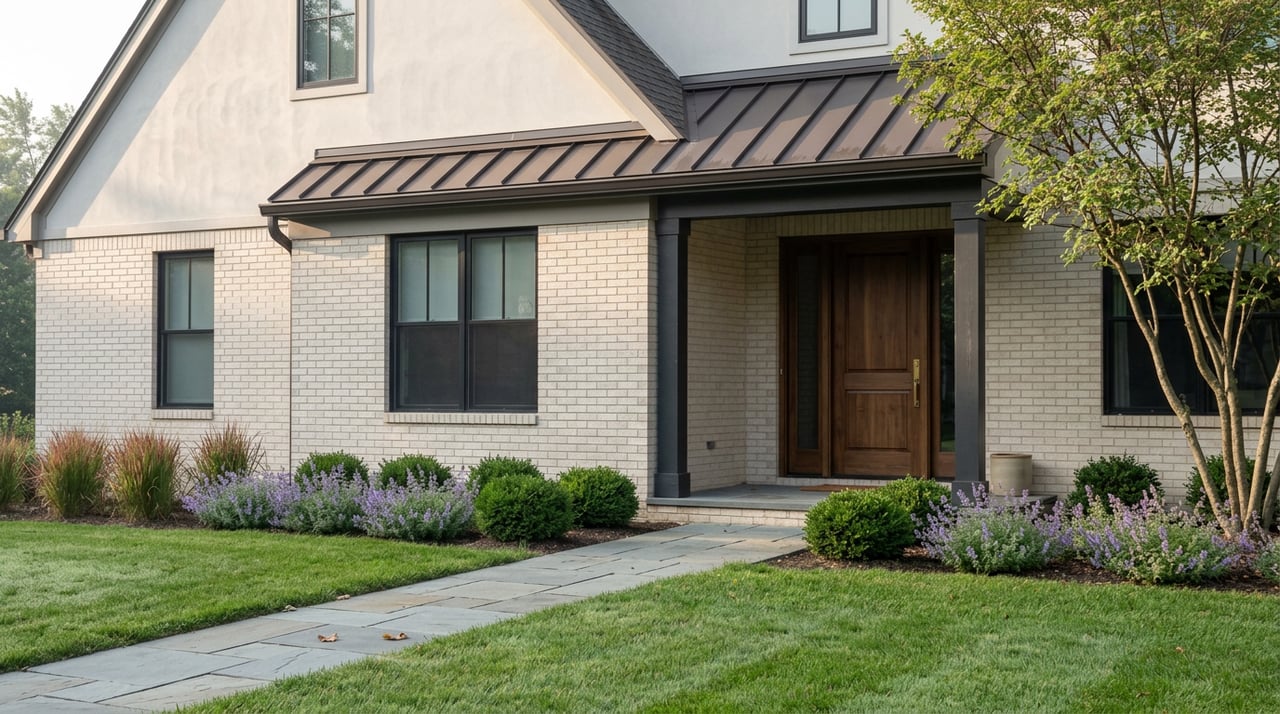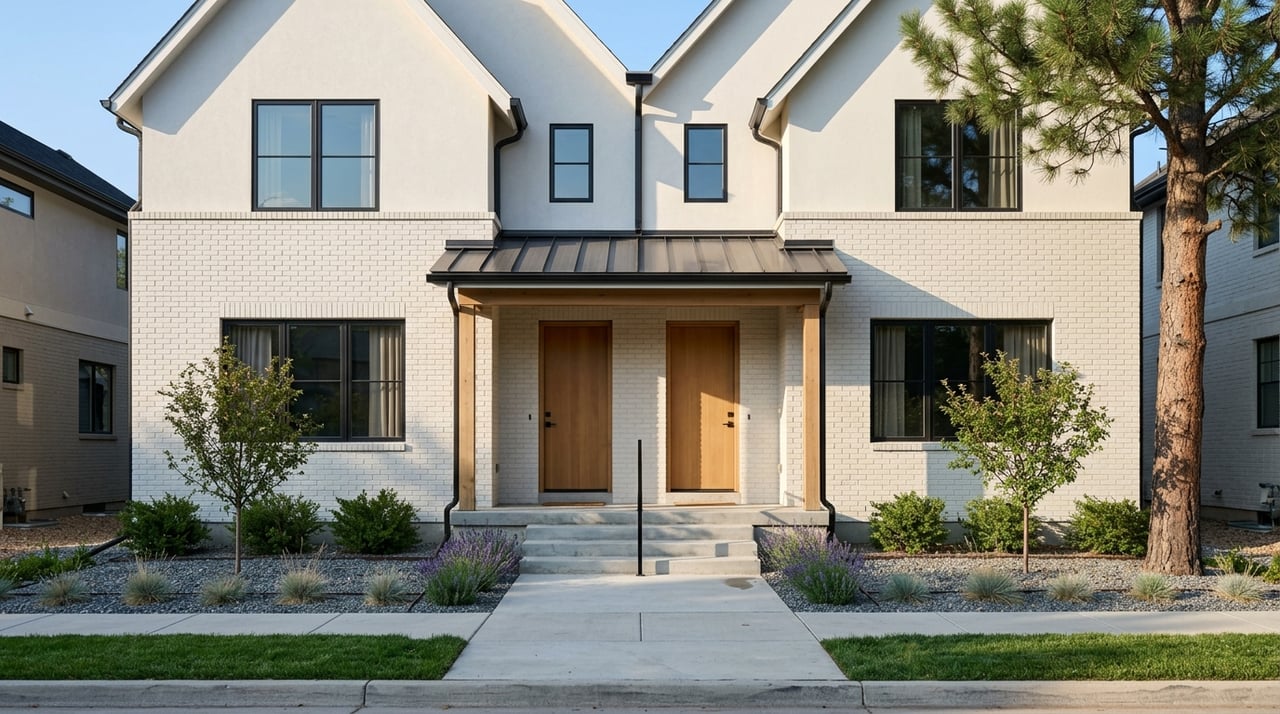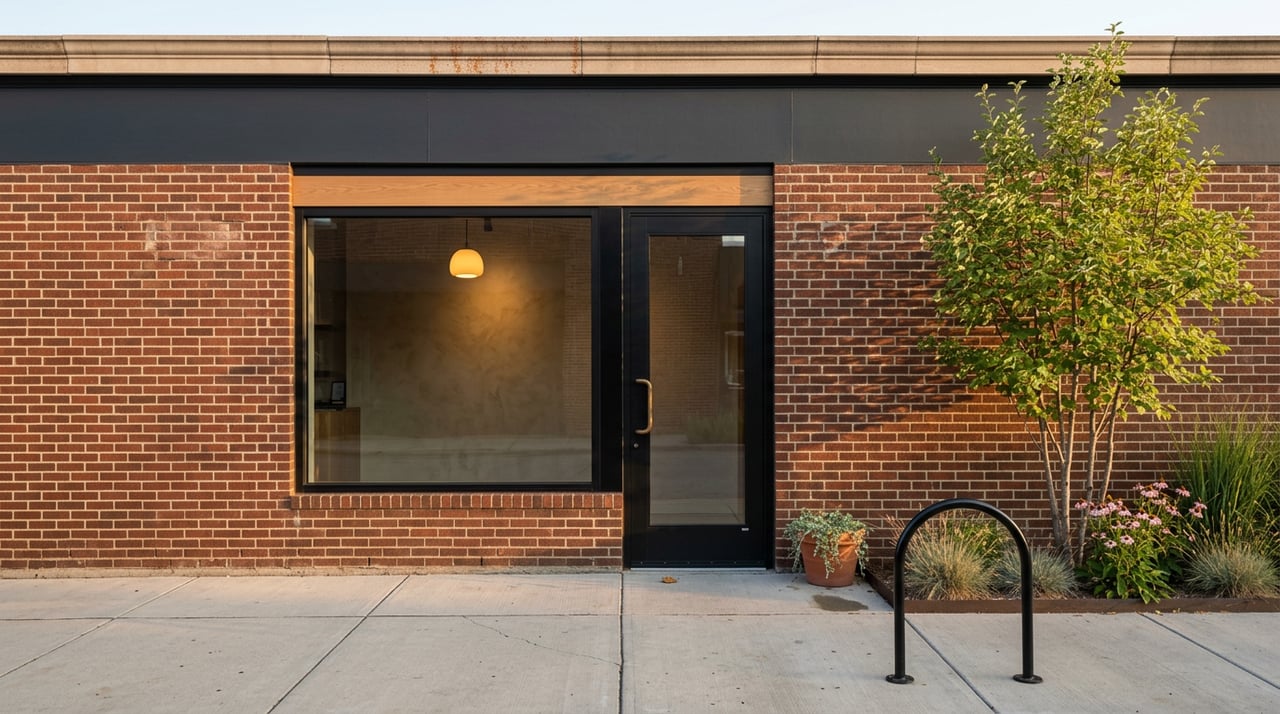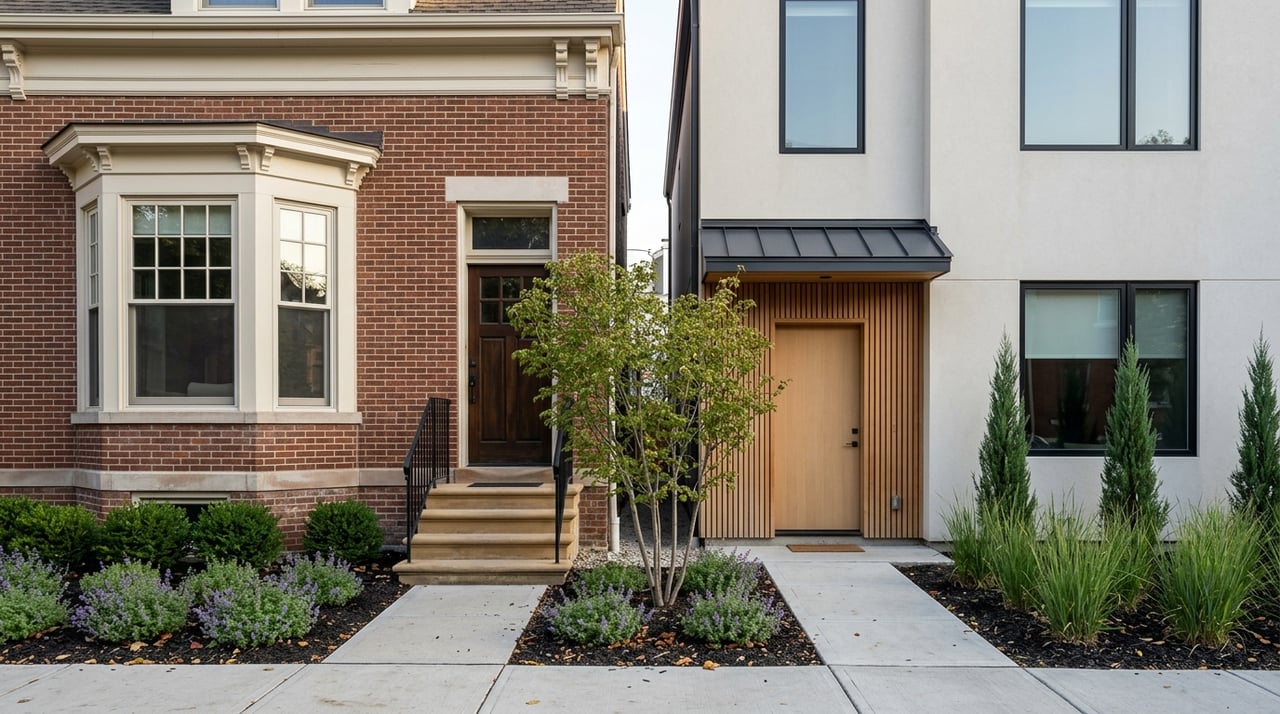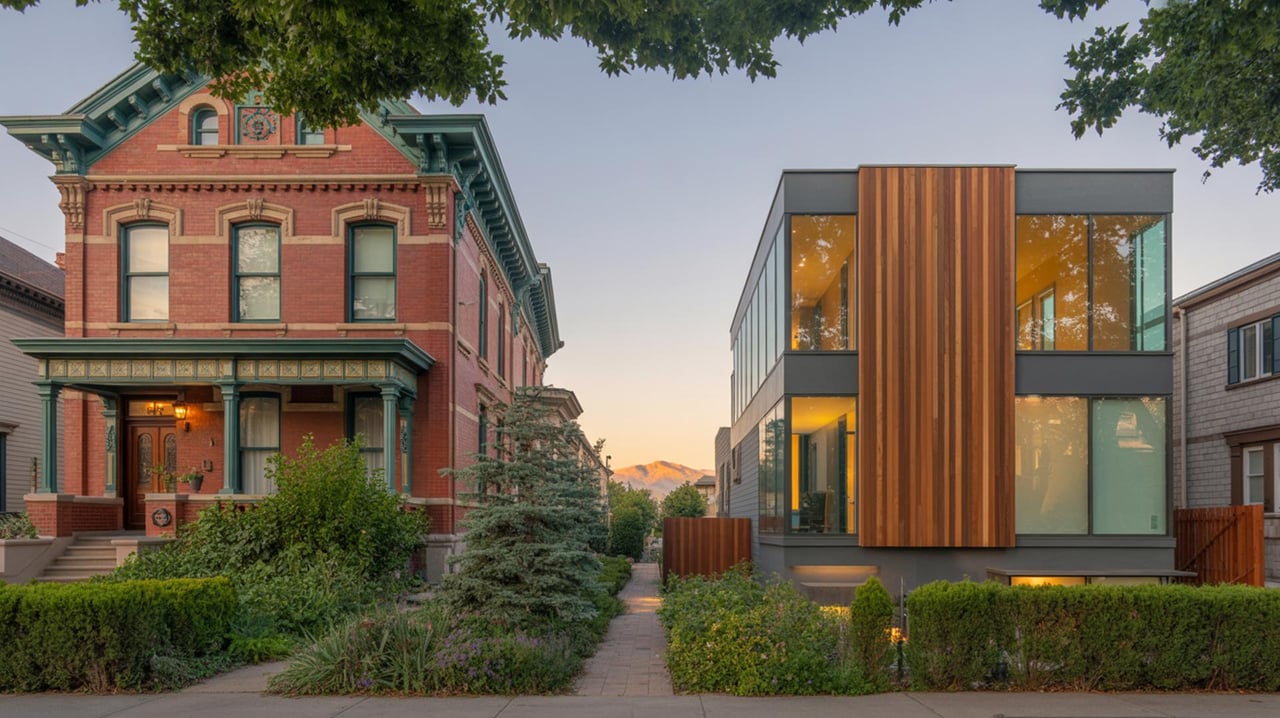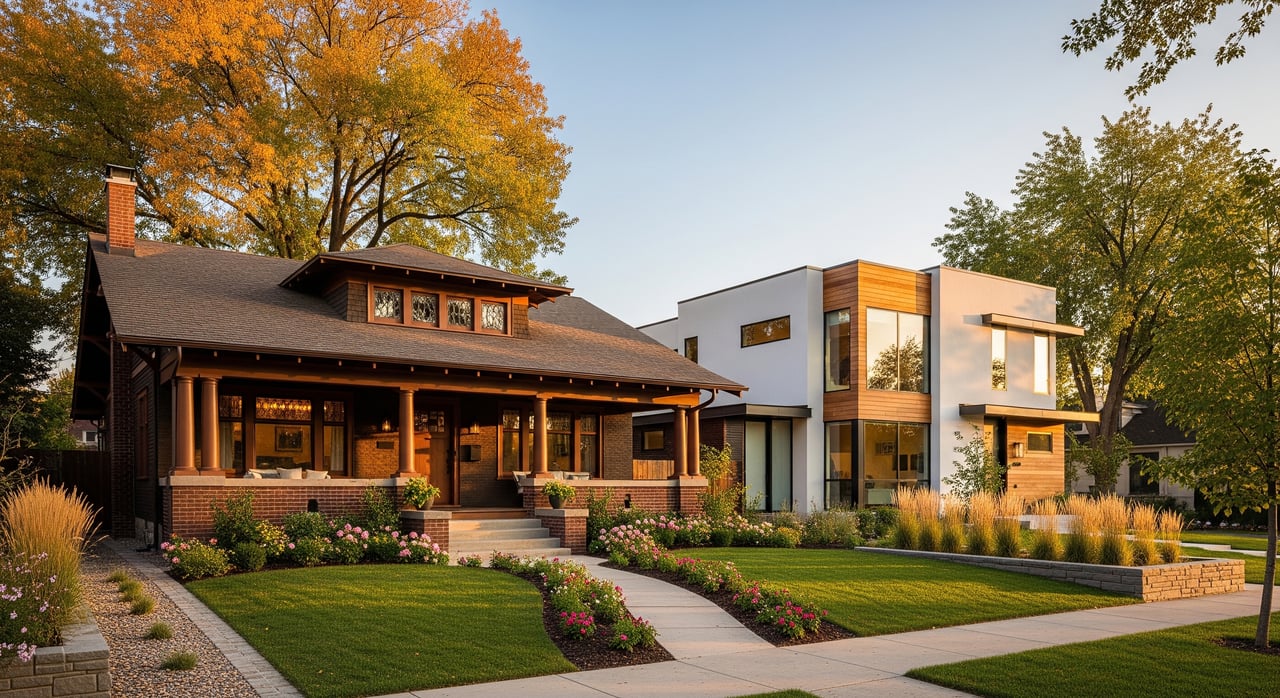
Love the tree-lined streets around Wash Park but not sure if a classic bungalow or a sleek new build fits you best? You are not alone. Many Denver buyers weigh charm against convenience, and budget against long-term upkeep. In this guide, you will learn how bungalows and new builds in Washington Park compare on layout, maintenance, energy use, financing, zoning, and resale so you can buy with confidence. Let’s dive in.
Wash Park at a glance
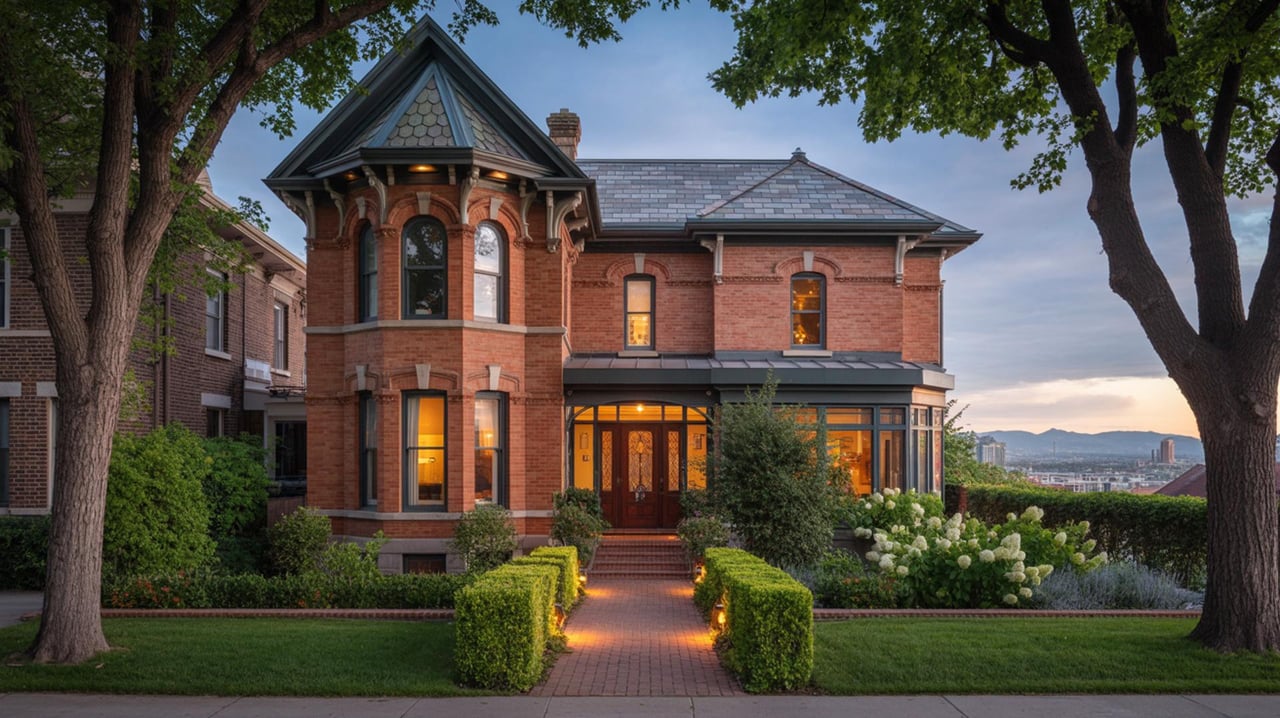
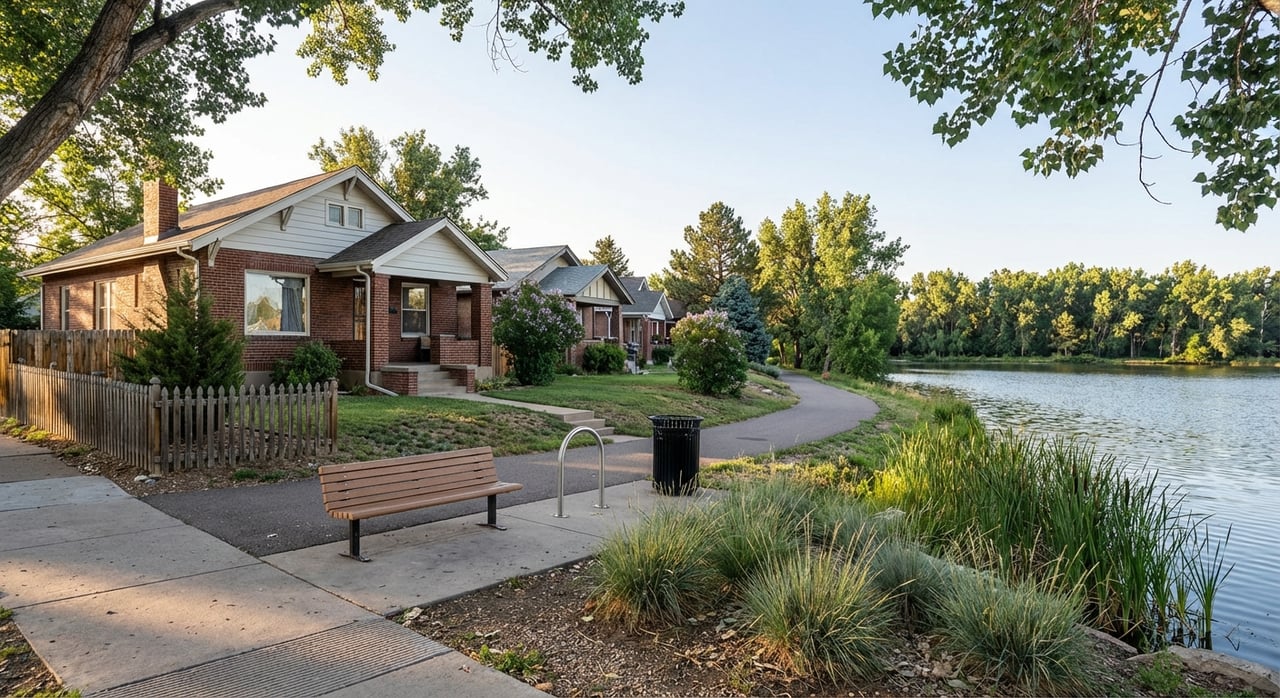
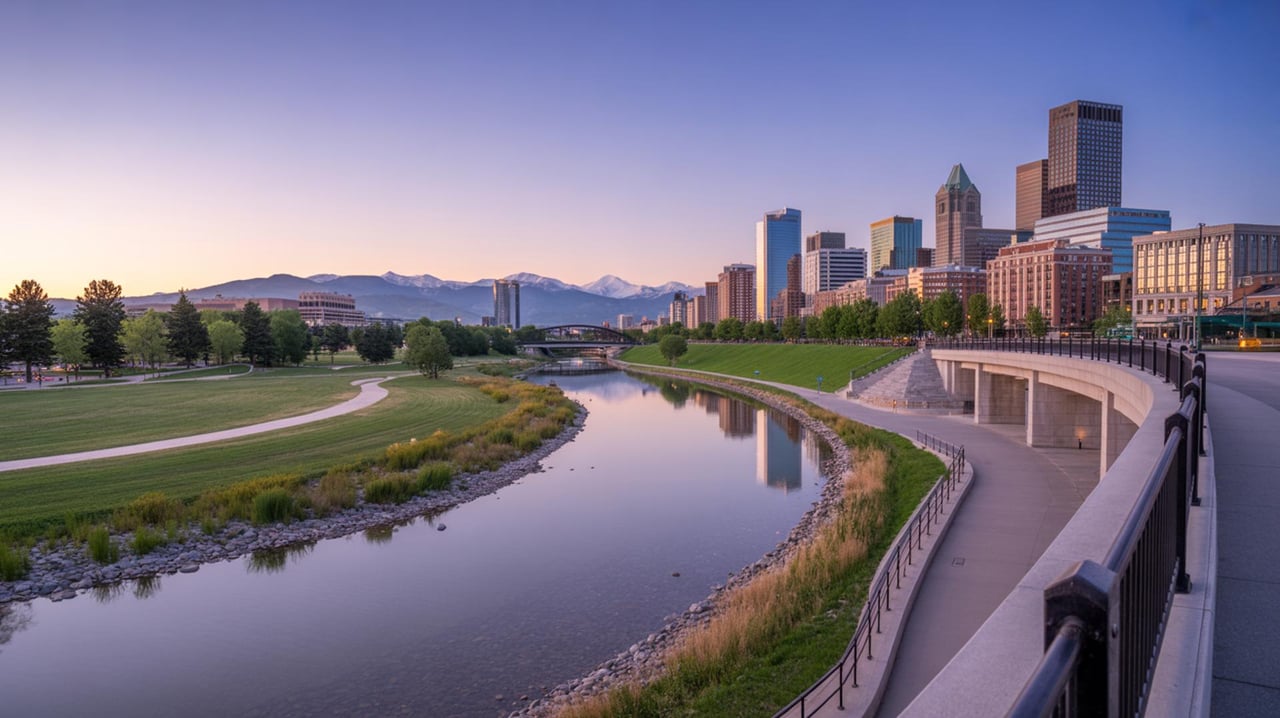
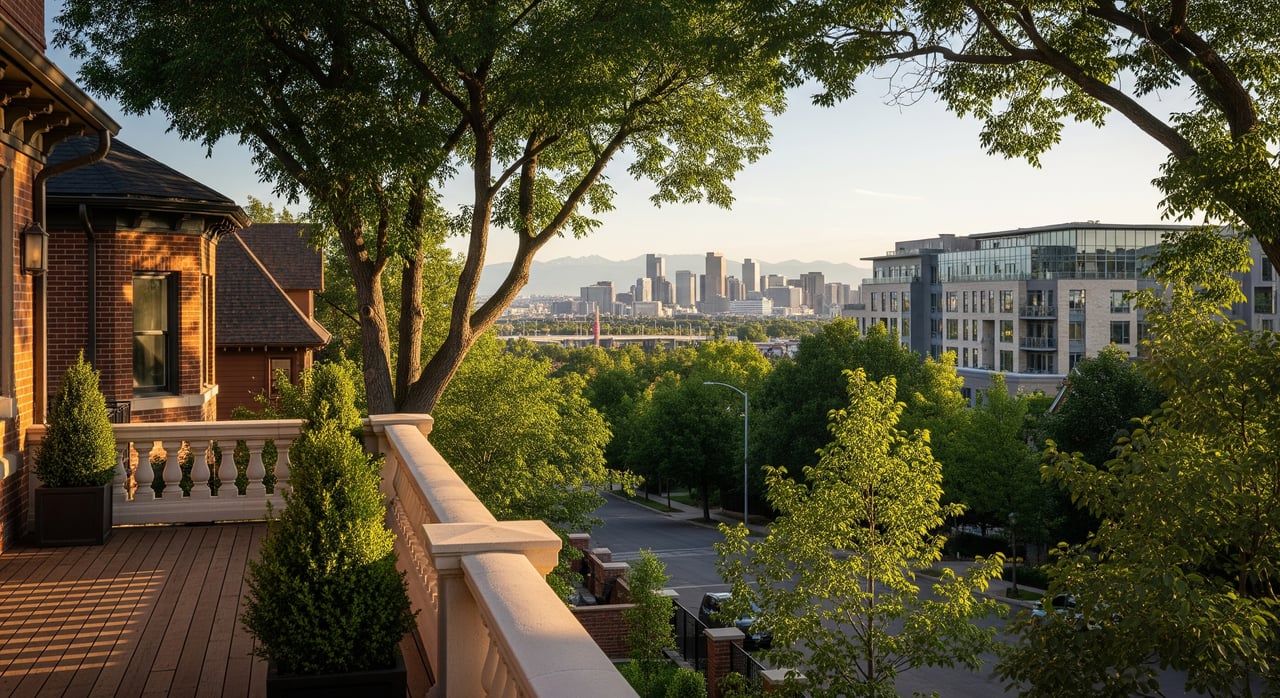
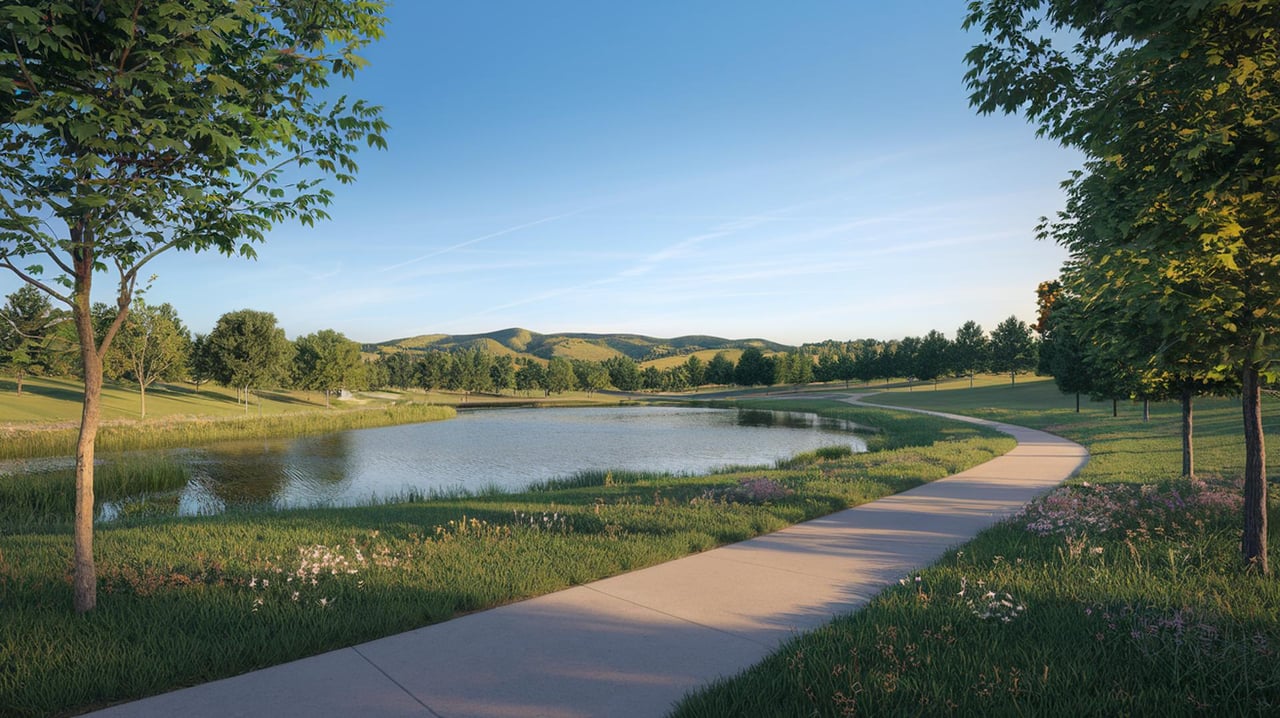
Washington Park is a mature, close-in Denver neighborhood centered around a large city park with lakes, trails, sports fields, and community programming. You will find strong walkability, early 20th-century architecture, and steady buyer demand.
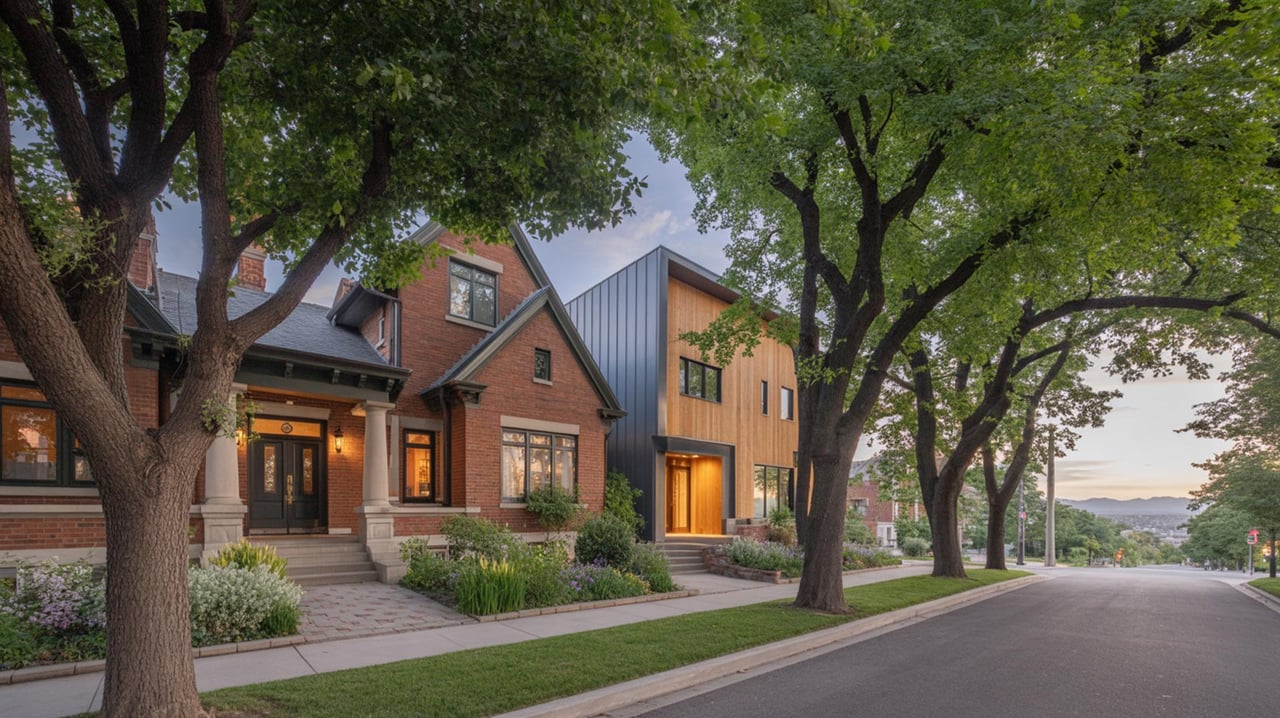
Many lots are narrower and deeper with alley access. Detached garages are common. New construction often builds up to 2 or 3 stories and can occupy more of the lot, which changes backyard size and the feel of some blocks. Inventory is usually limited, so both well-kept historic homes and quality new builds tend to command premium pricing.
Bungalows: what to expect
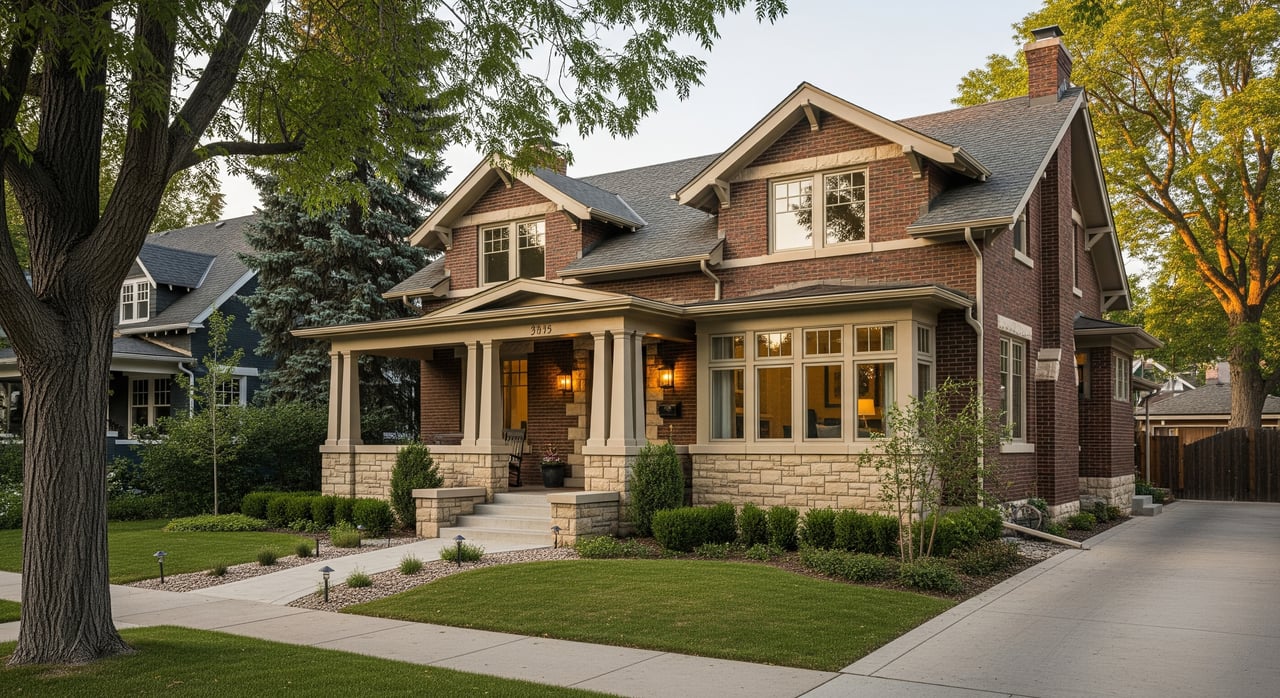
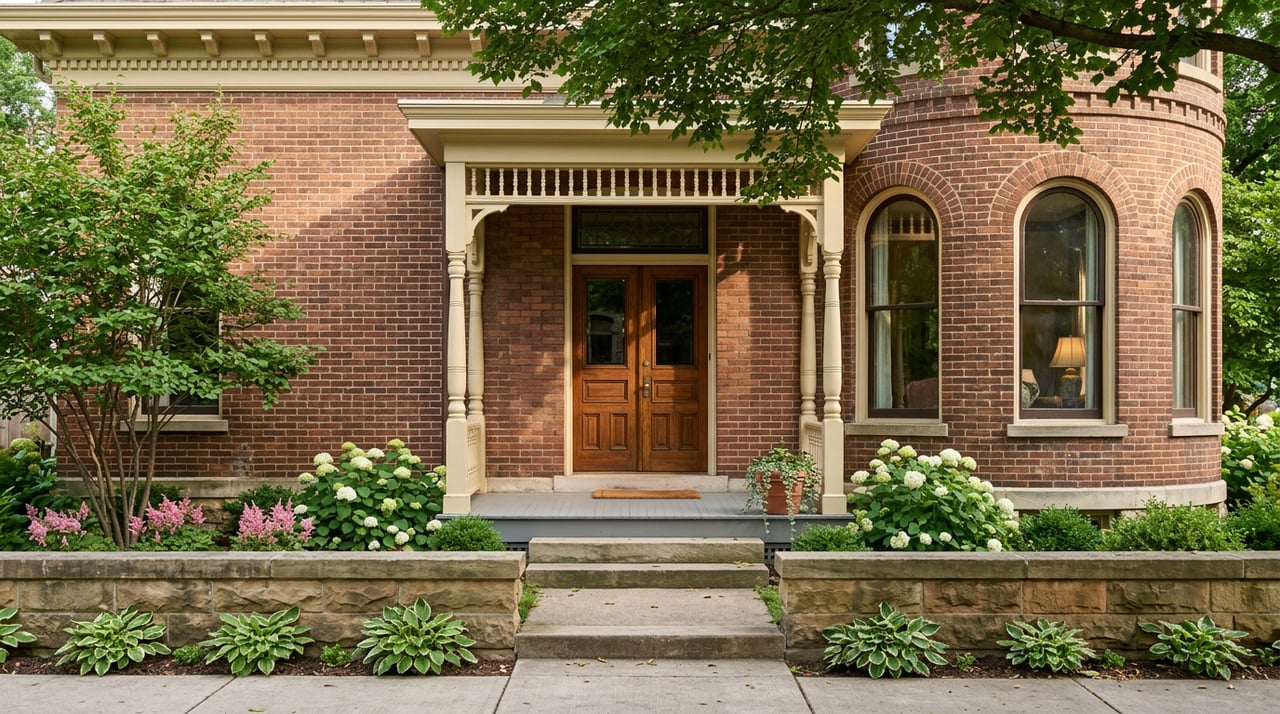
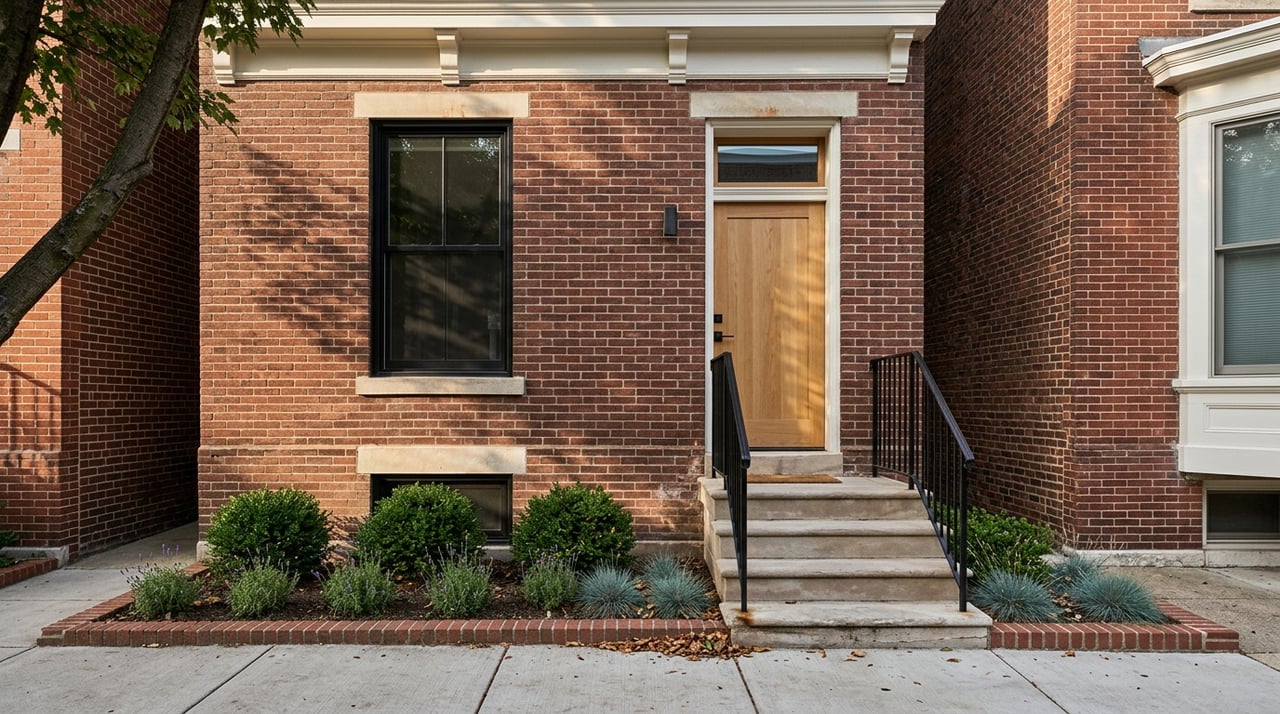
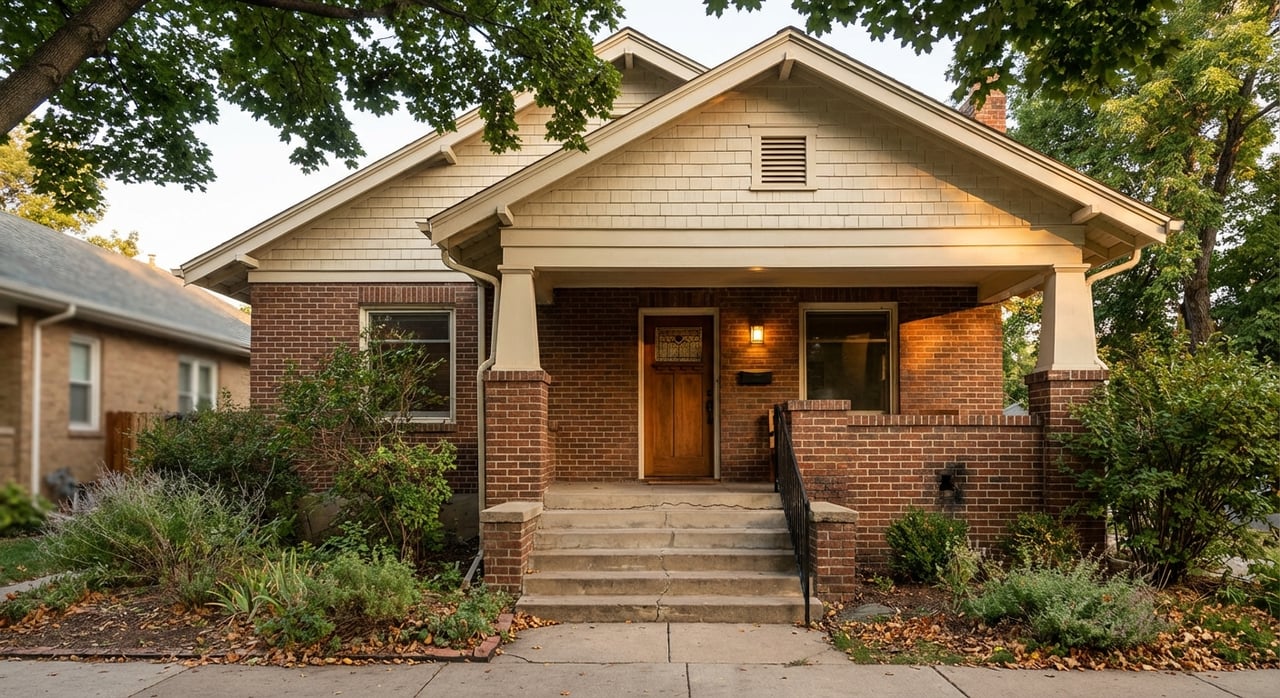
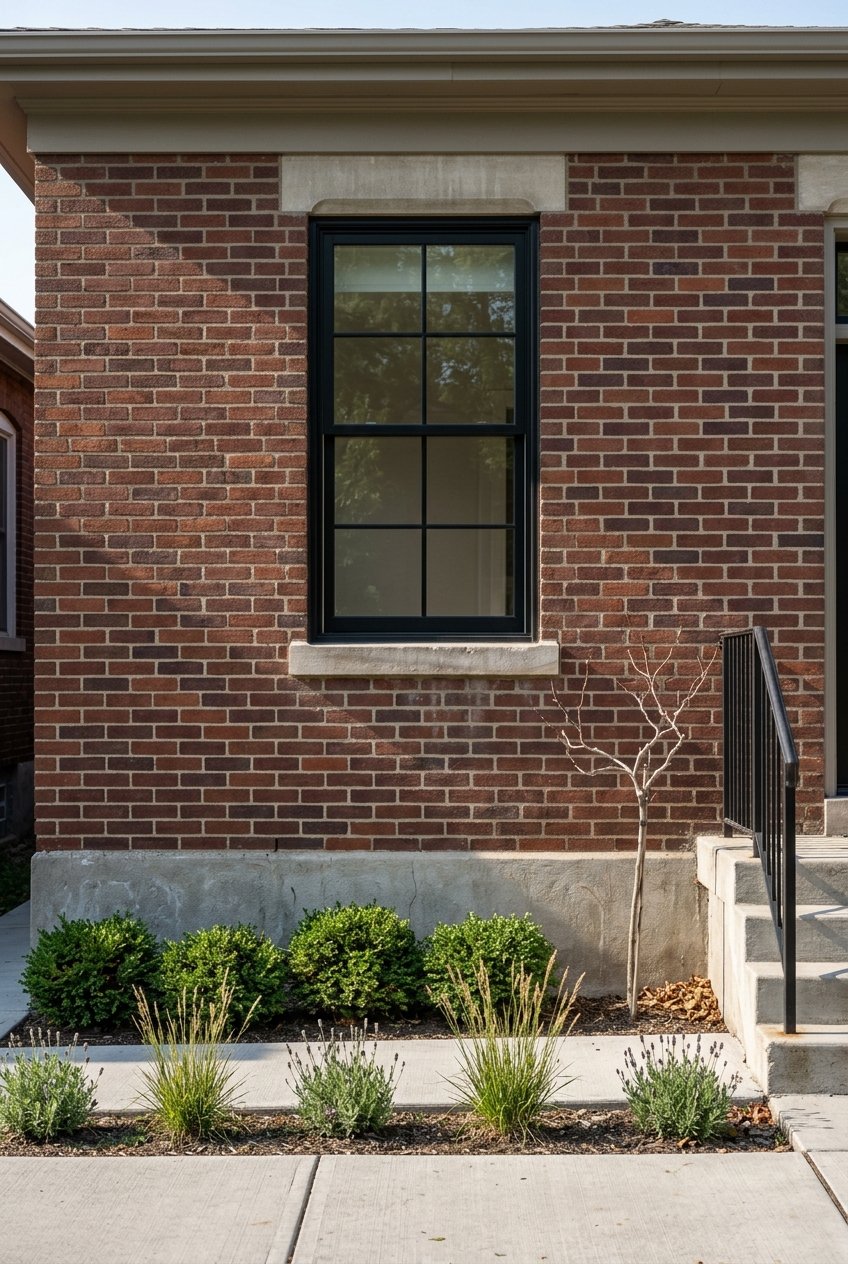
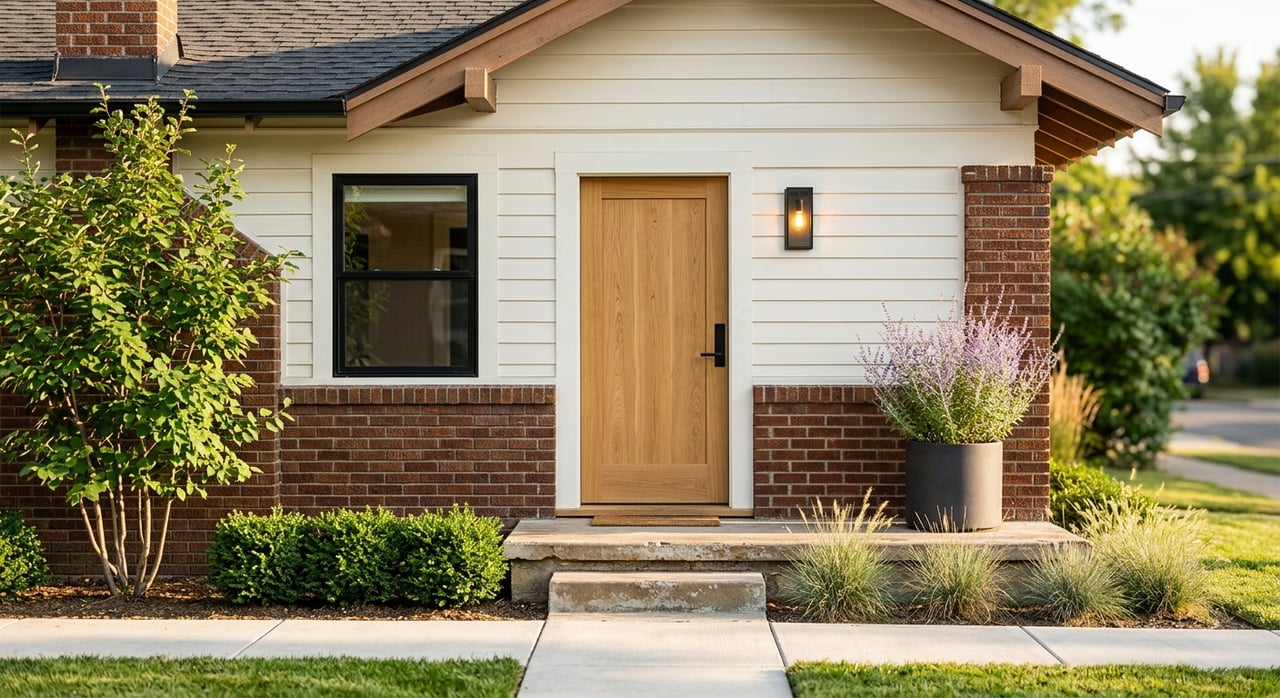
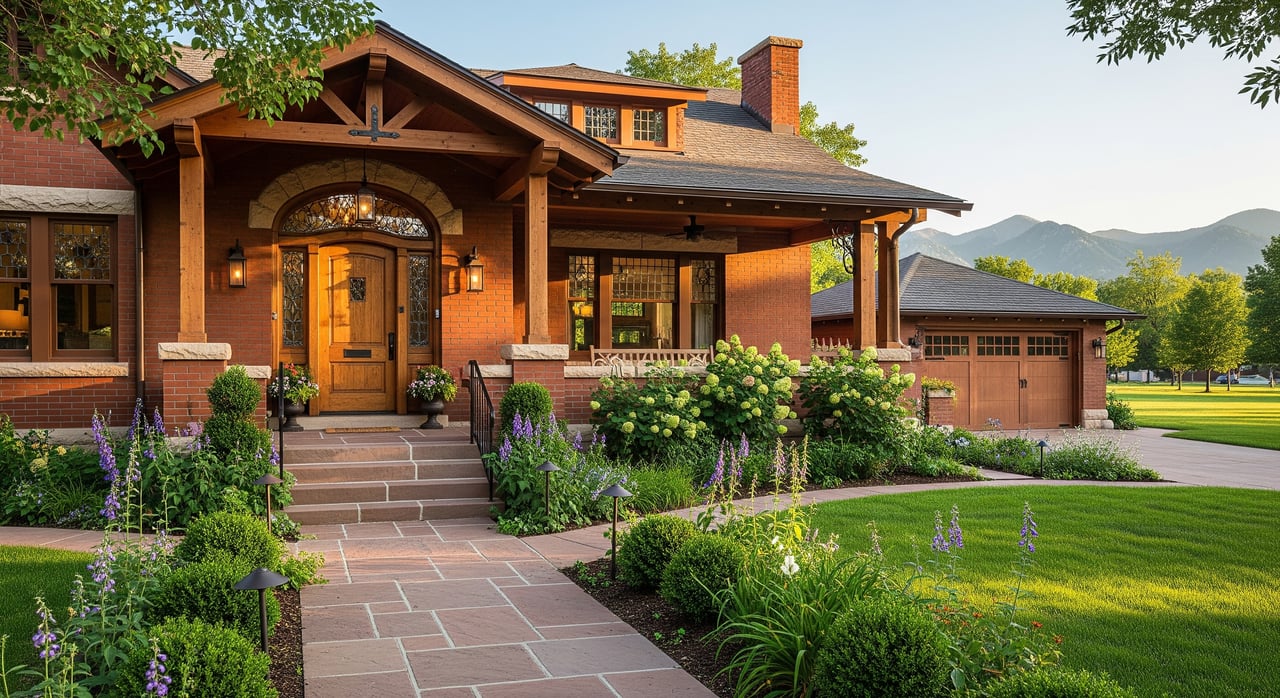
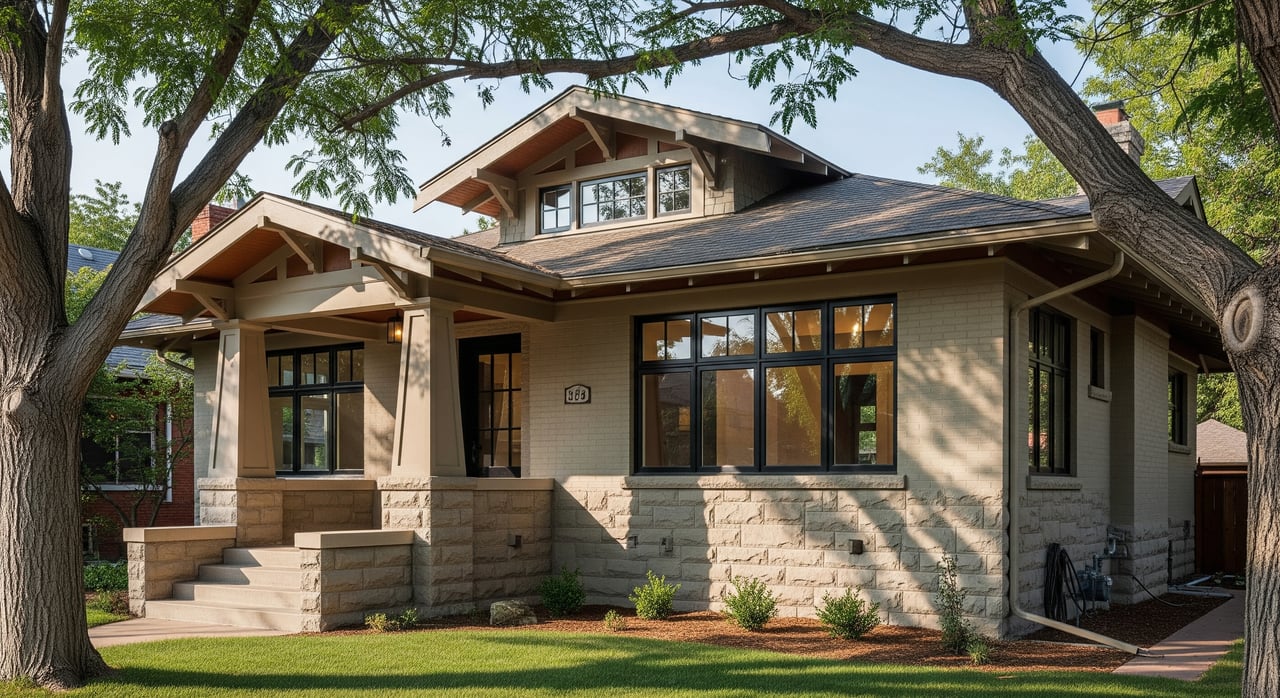
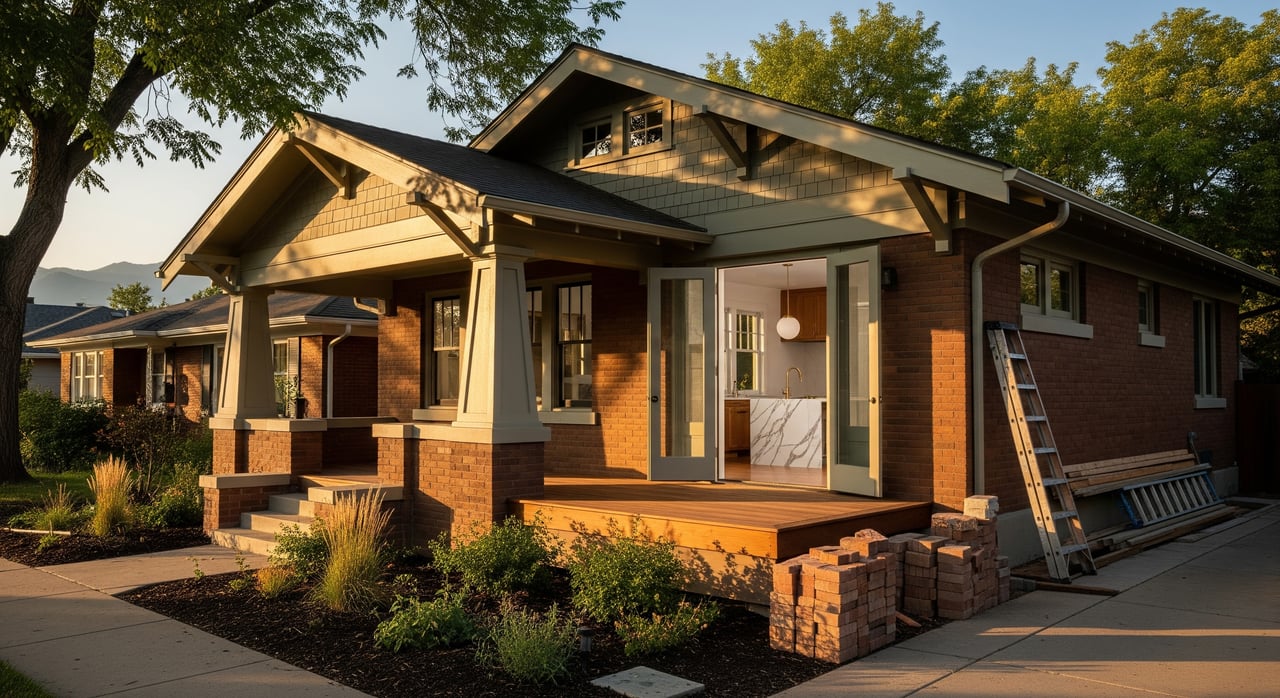
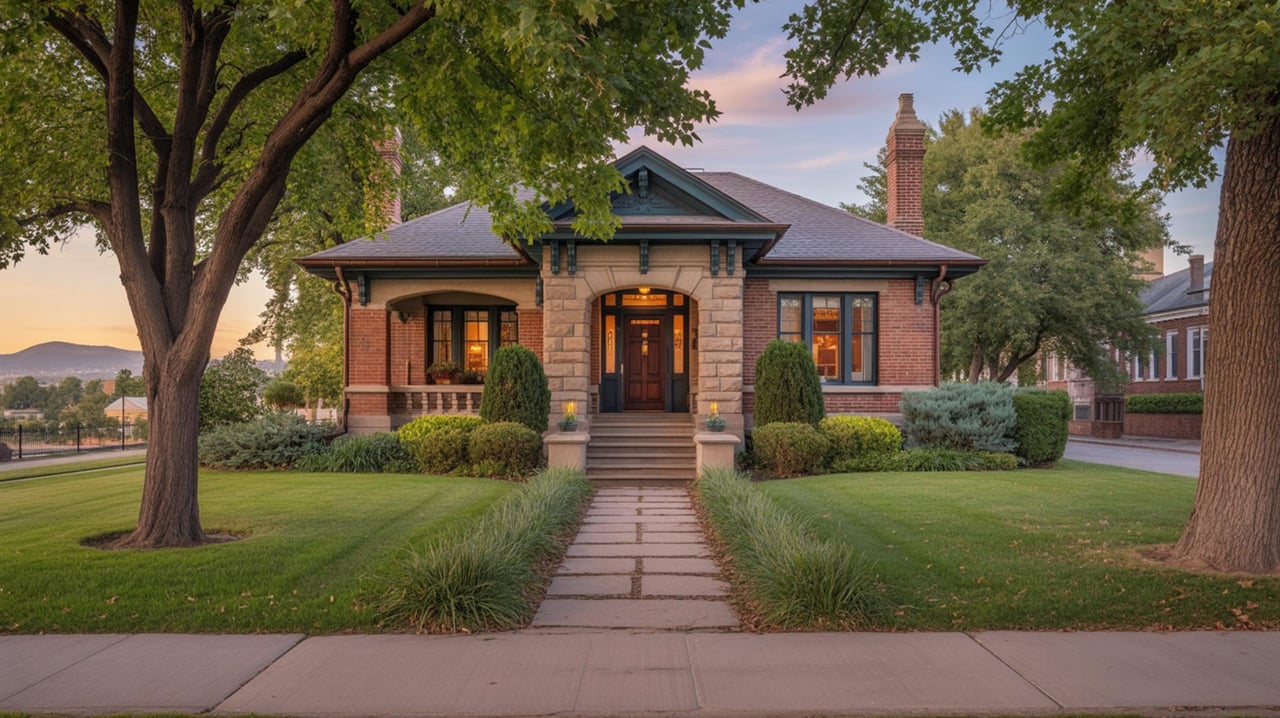
Classic Washington Park bungalows are often Craftsman or foursquare homes from the early 1900s. Most have smaller footprints and a cozy layout with formal living and dining rooms. Kitchens are smaller by today’s standards, and many homes include a full or partial basement.
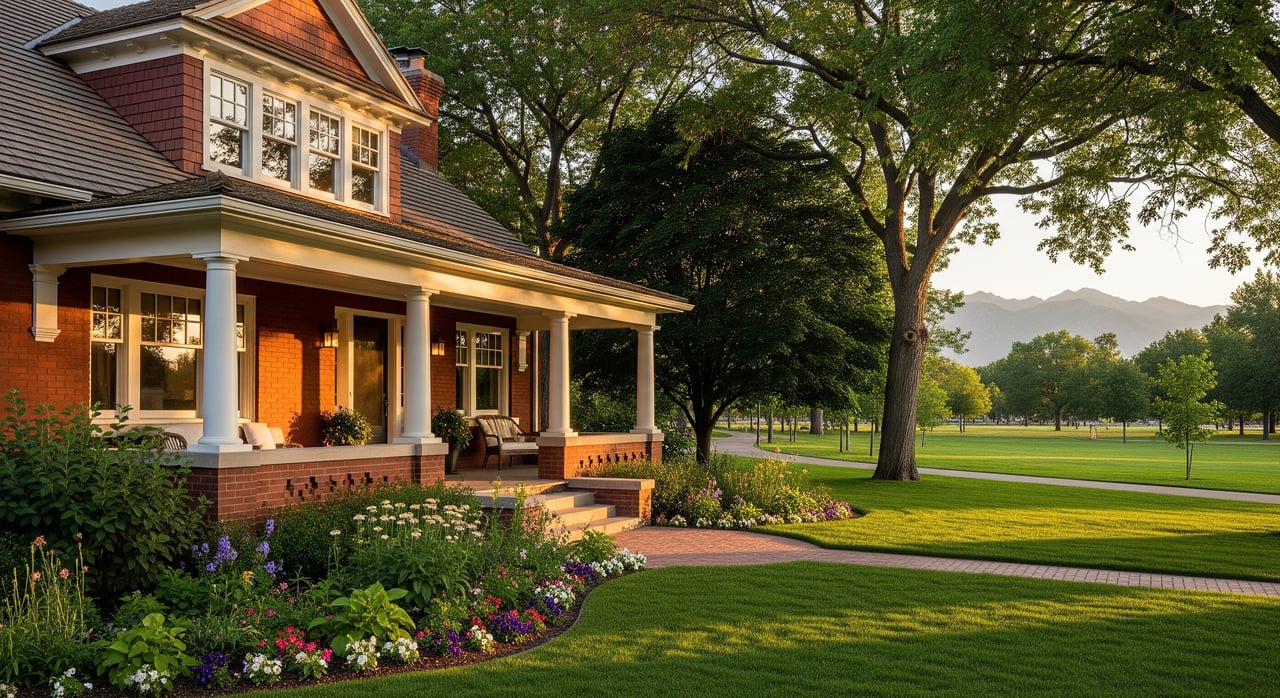
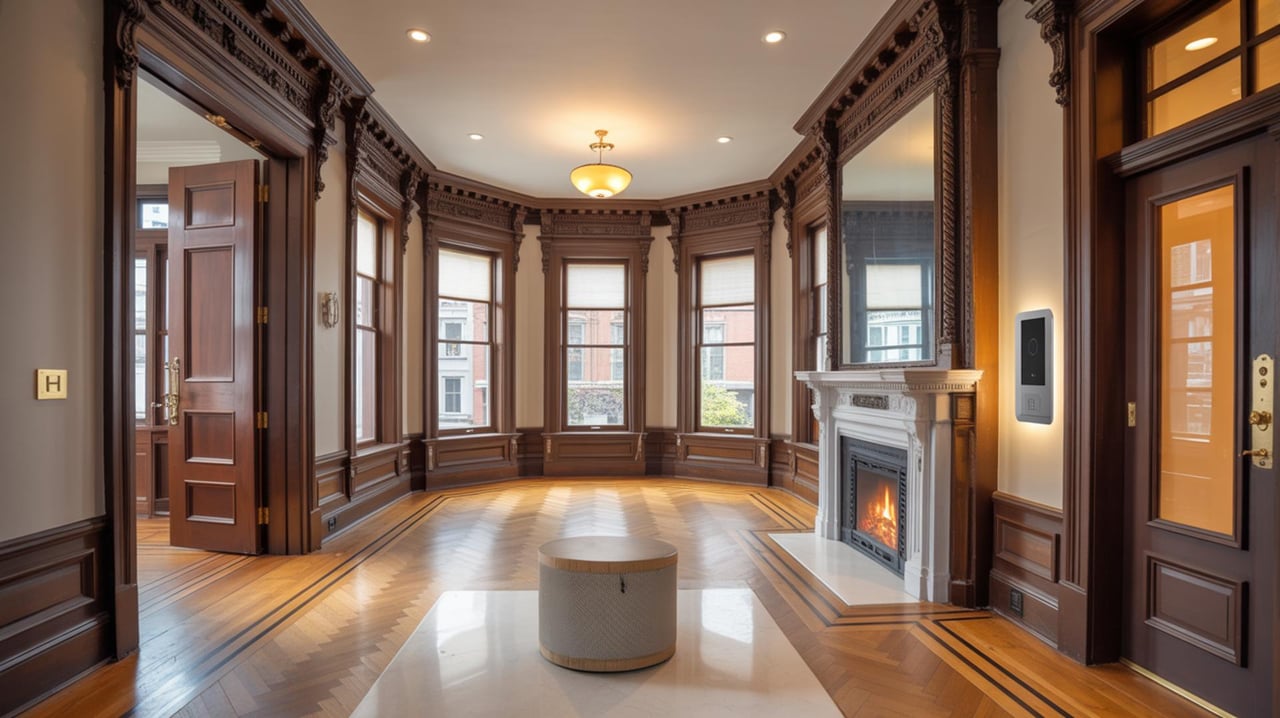
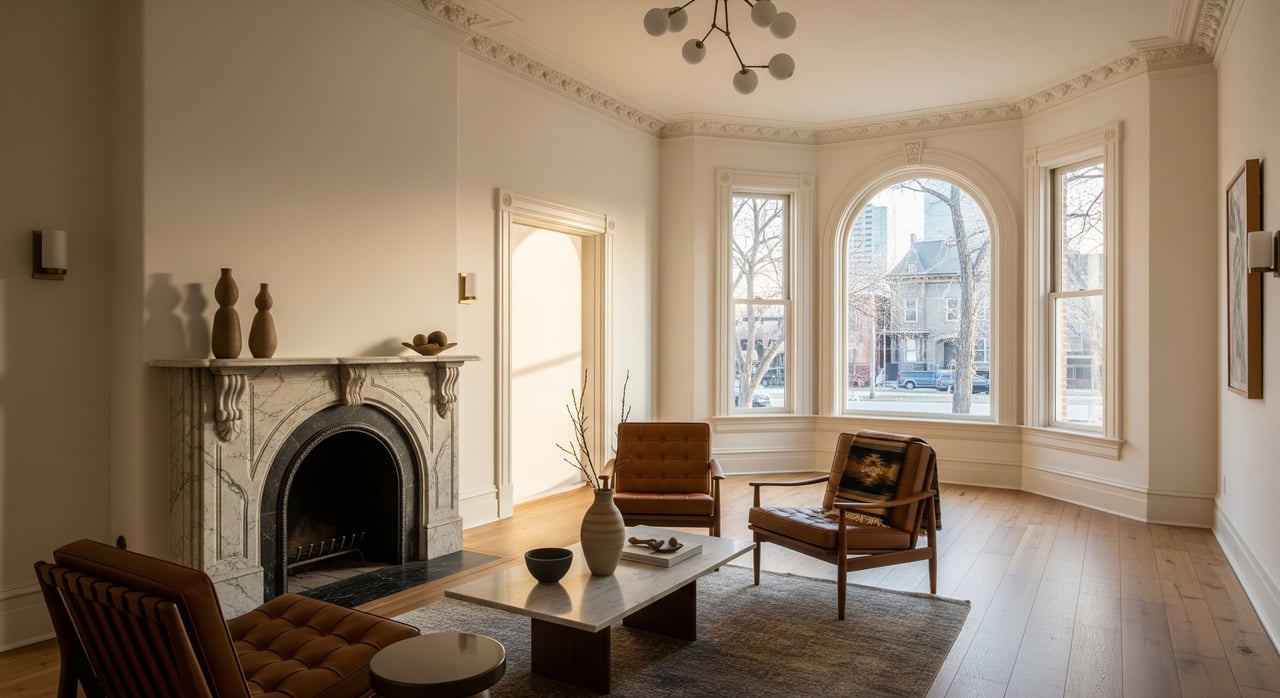
Inside, you may see original wood trim, built-ins, hardwood floors, and original windows. Closets are usually smaller, and ceiling heights can be lower in older or remodeled basements. Outside, mature trees, porches, and established landscaping add curb appeal. Rooms are more compartmentalized, which some buyers prefer for privacy and quieter entertaining.
Lifestyle highlights: charming details, front porch connection to the street, and proximity to park access points. You trade some storage and open flow for historic character and a human-scale presence on the block.
New builds: what to expect
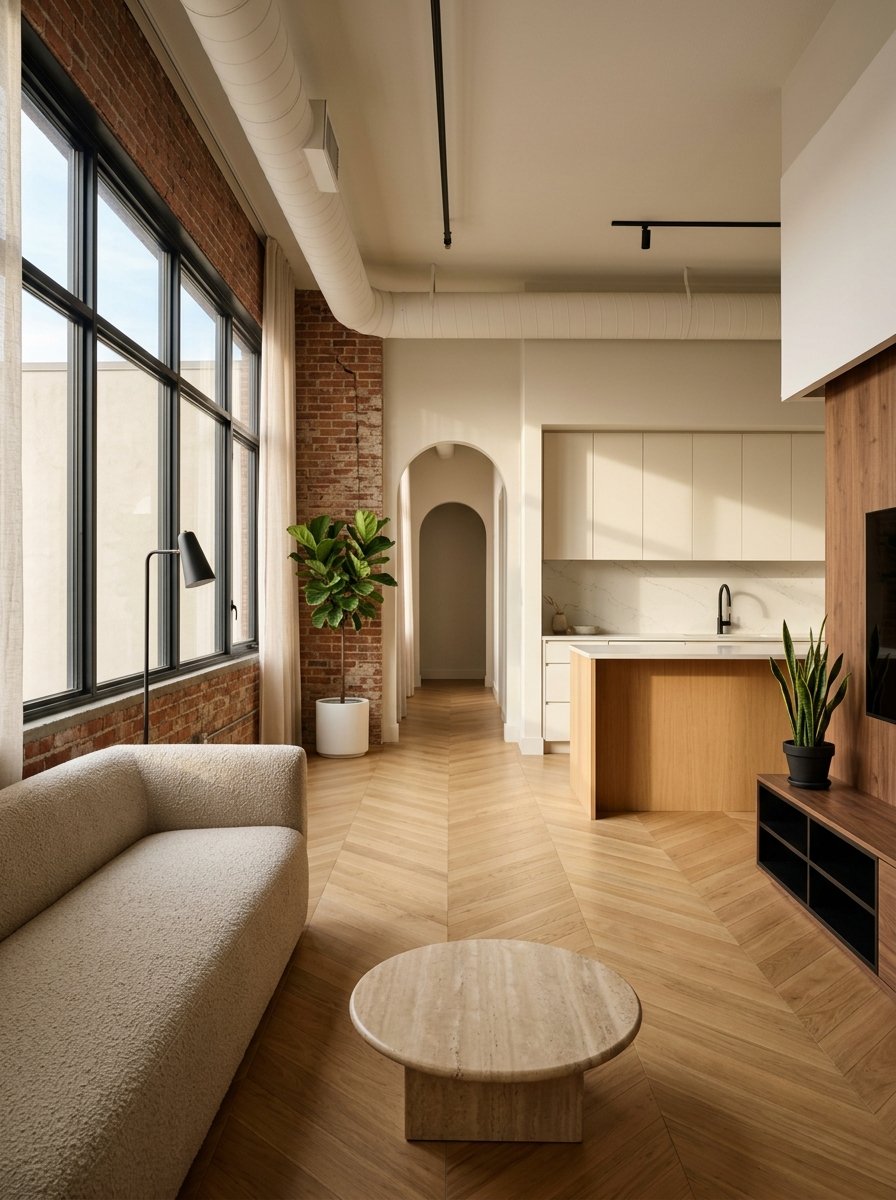
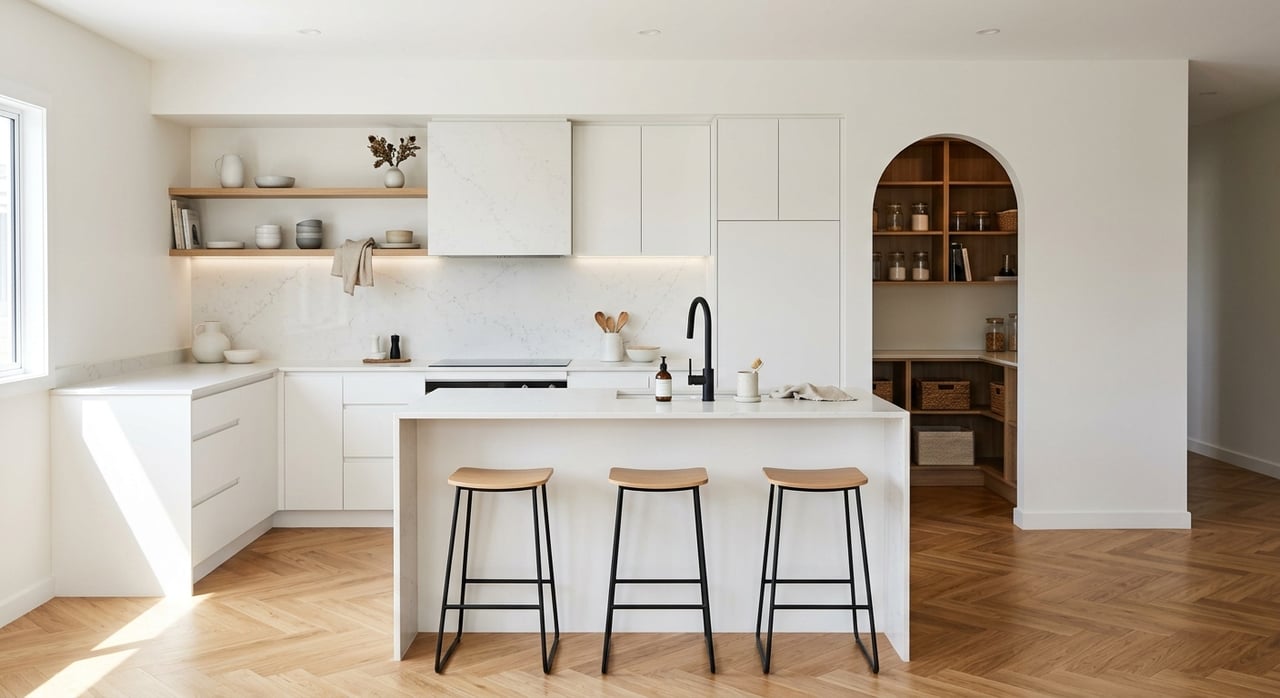
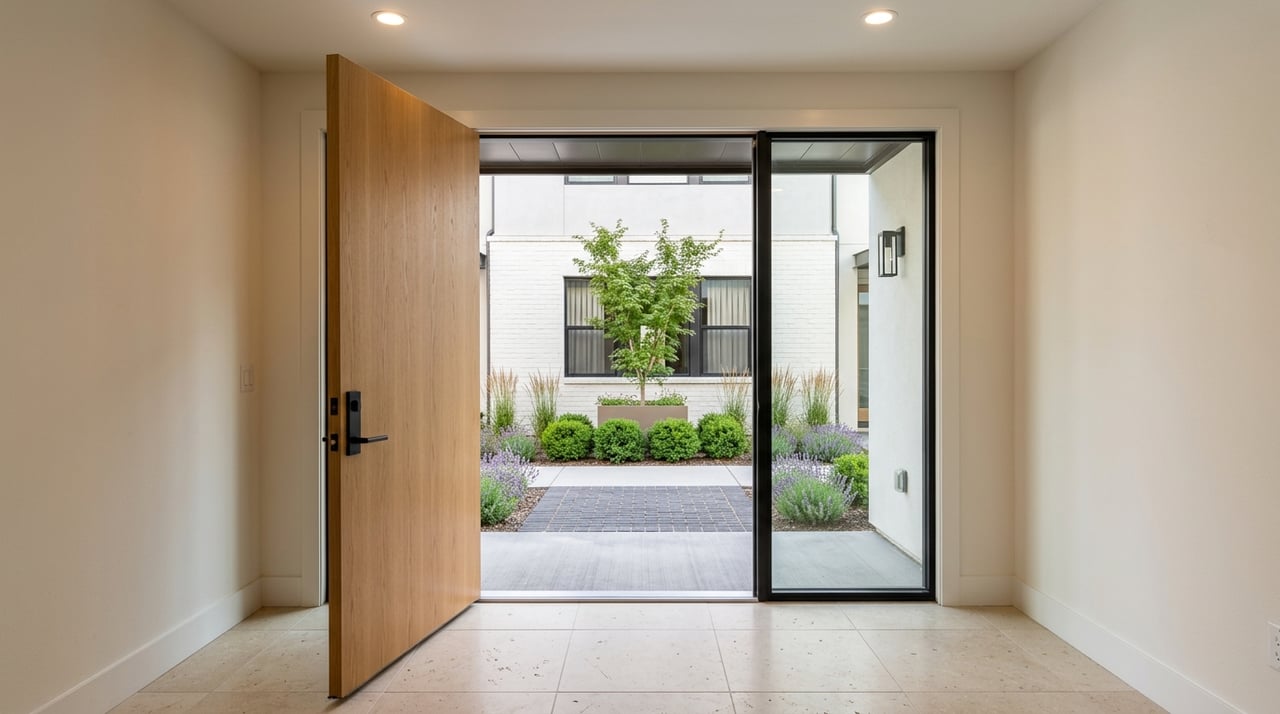
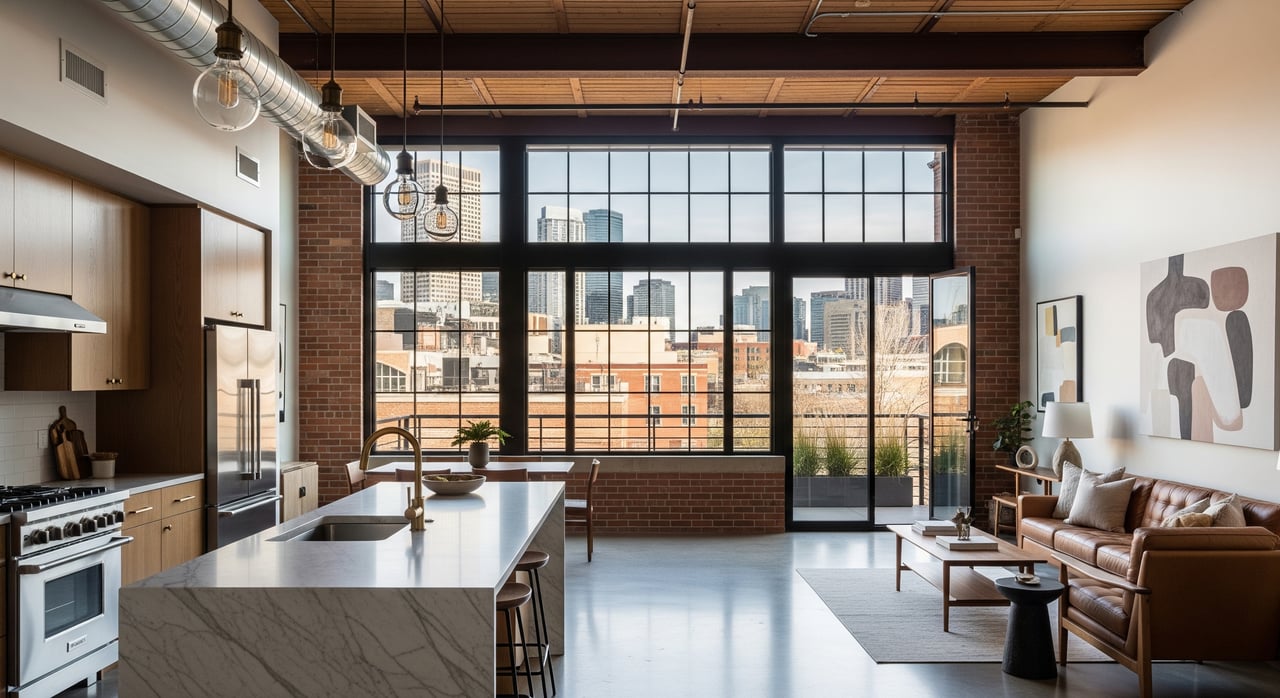
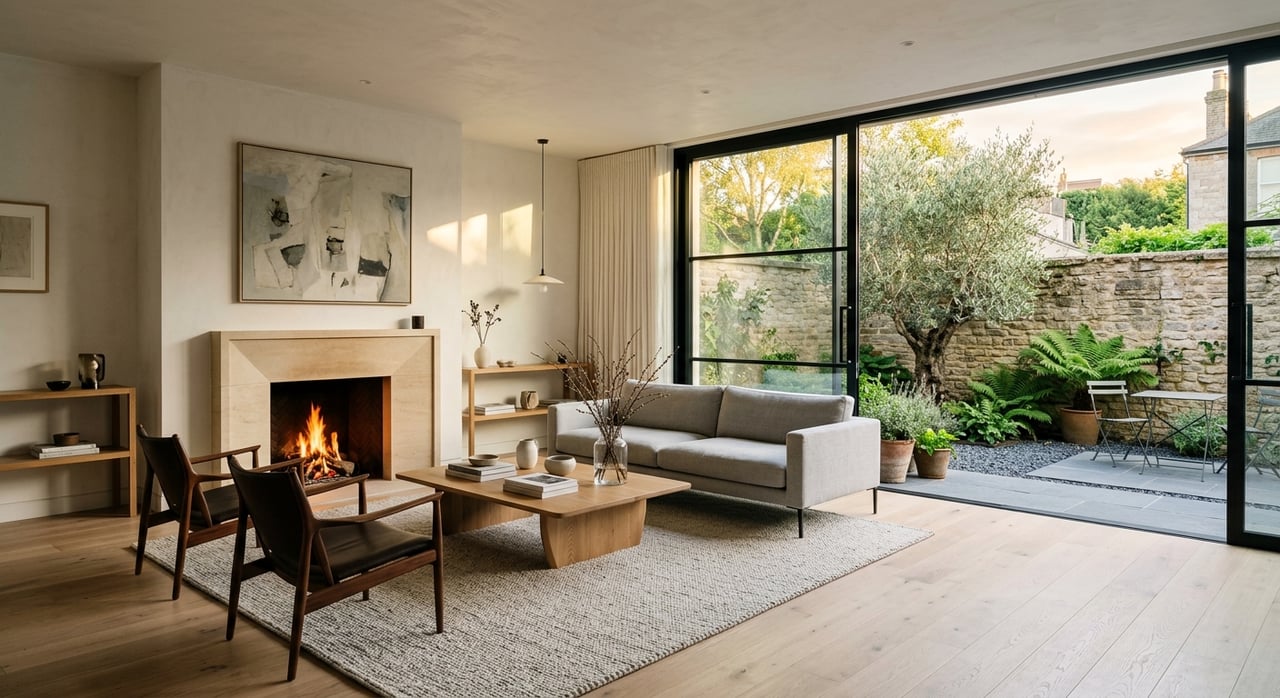
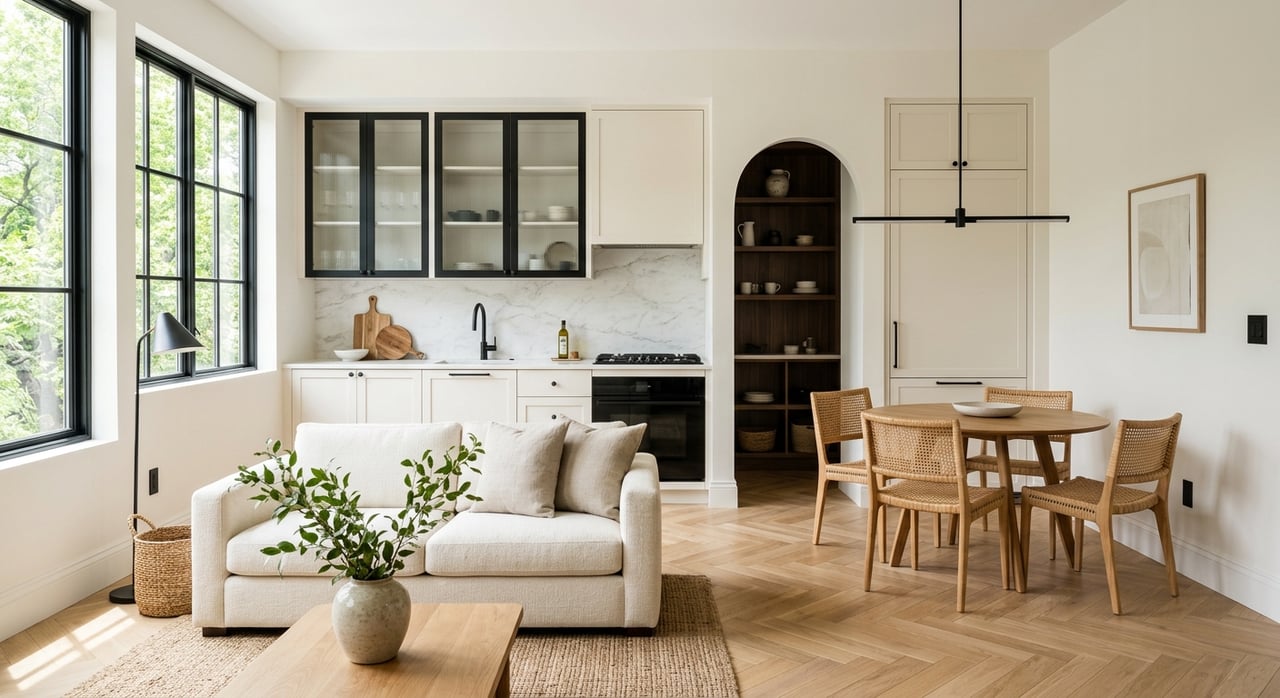
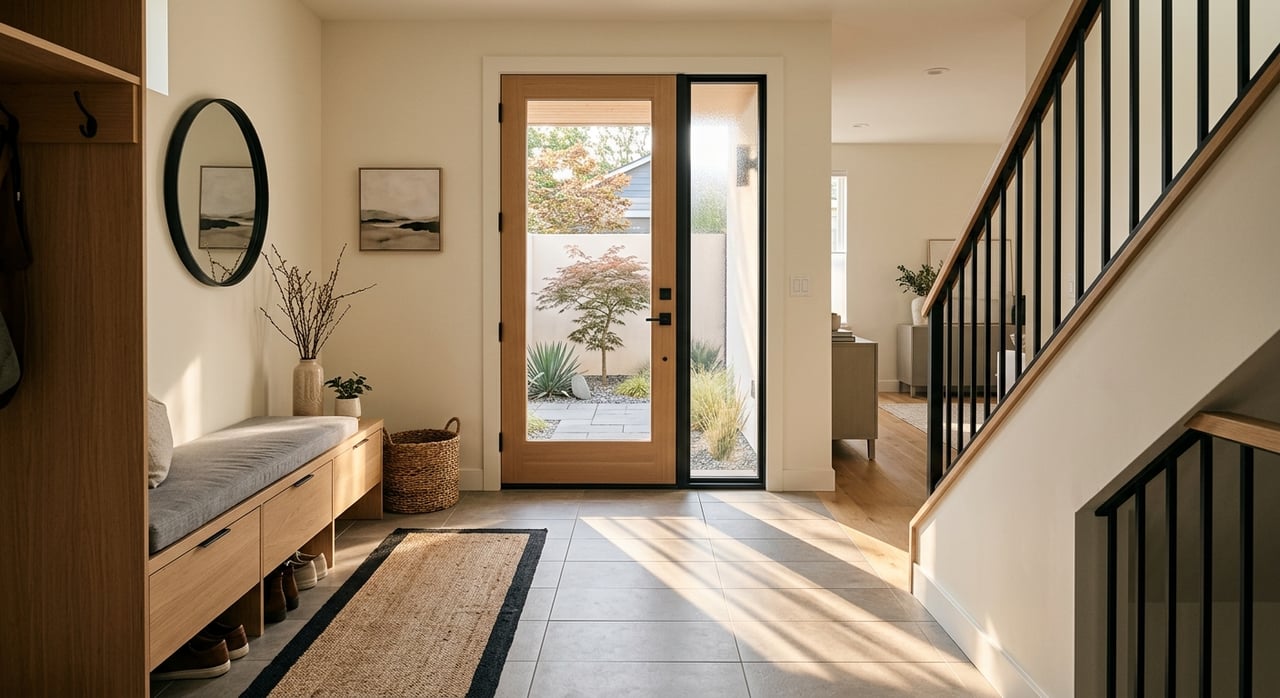
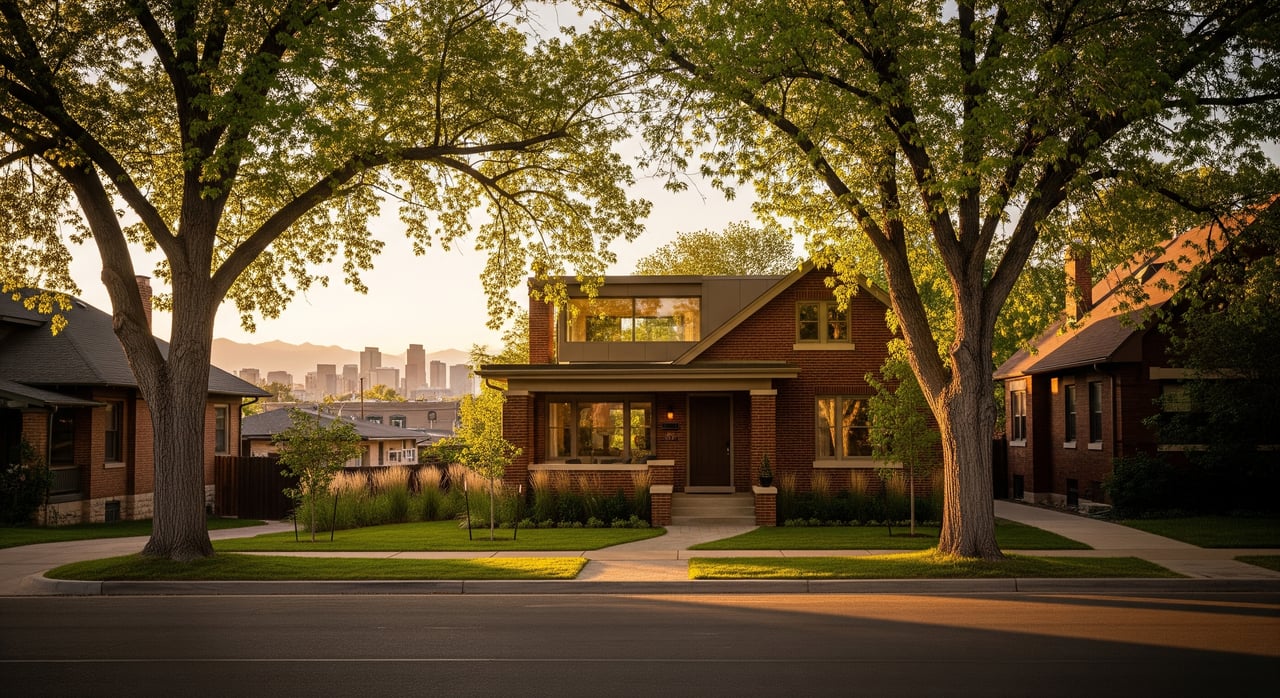
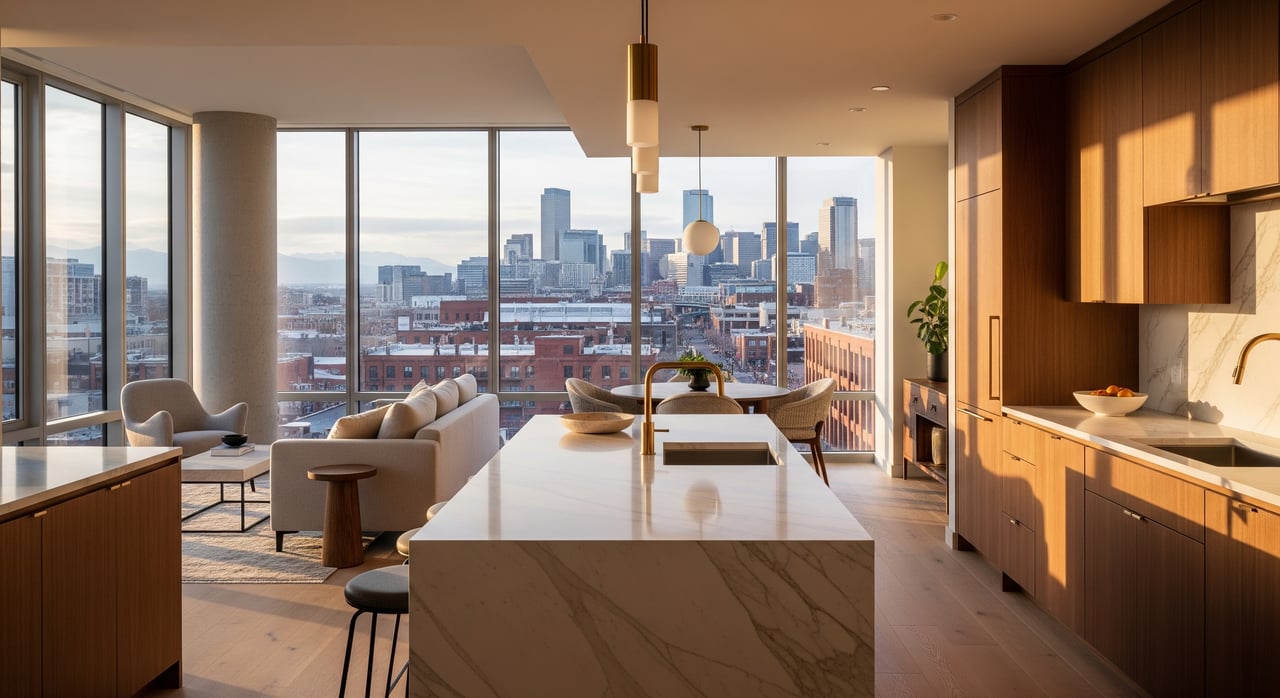
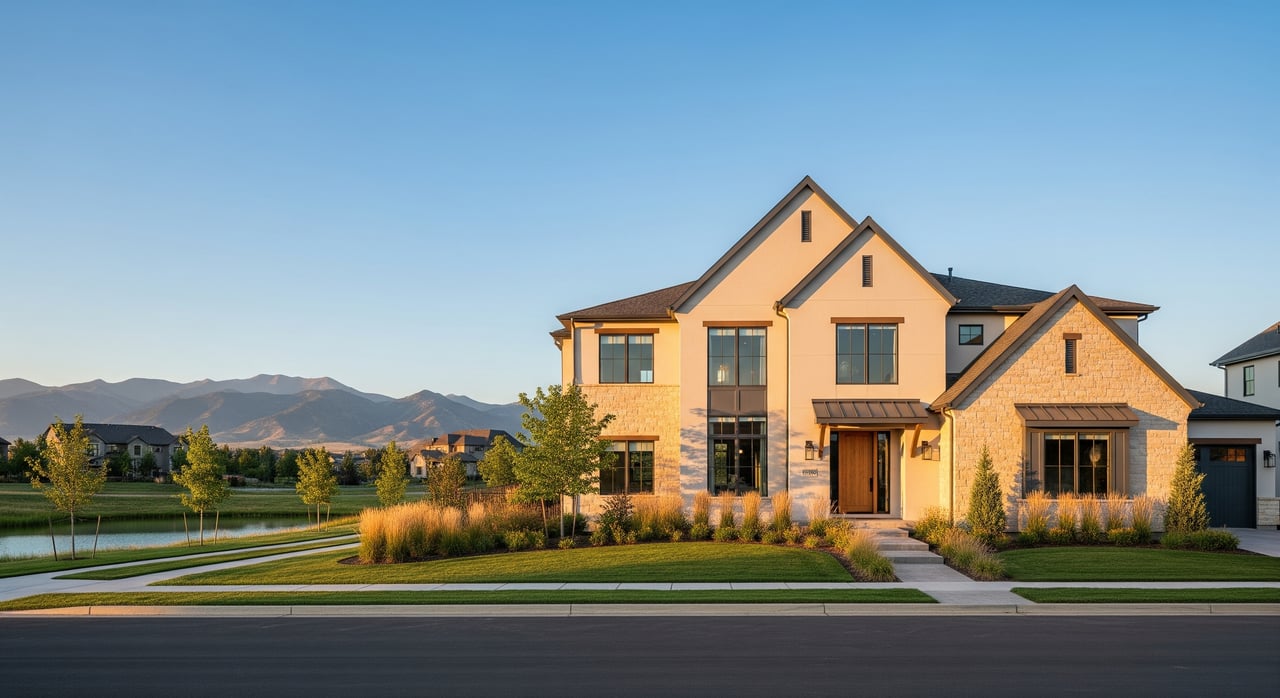
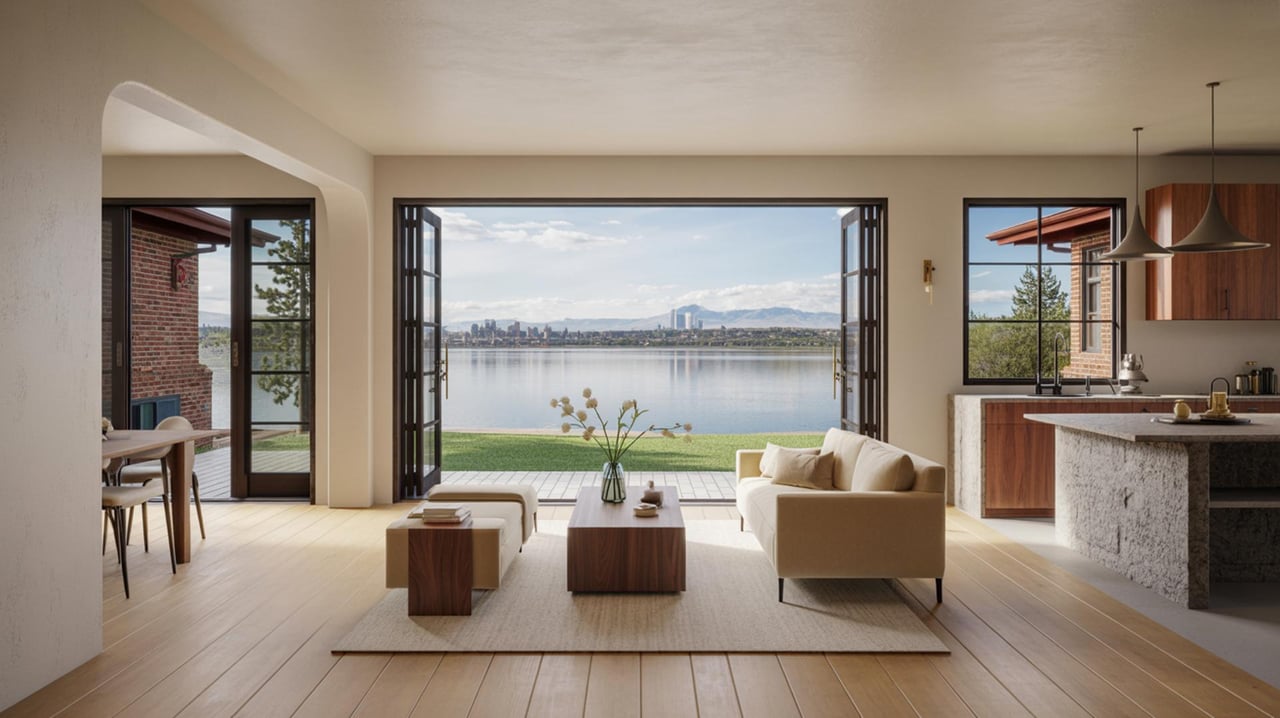
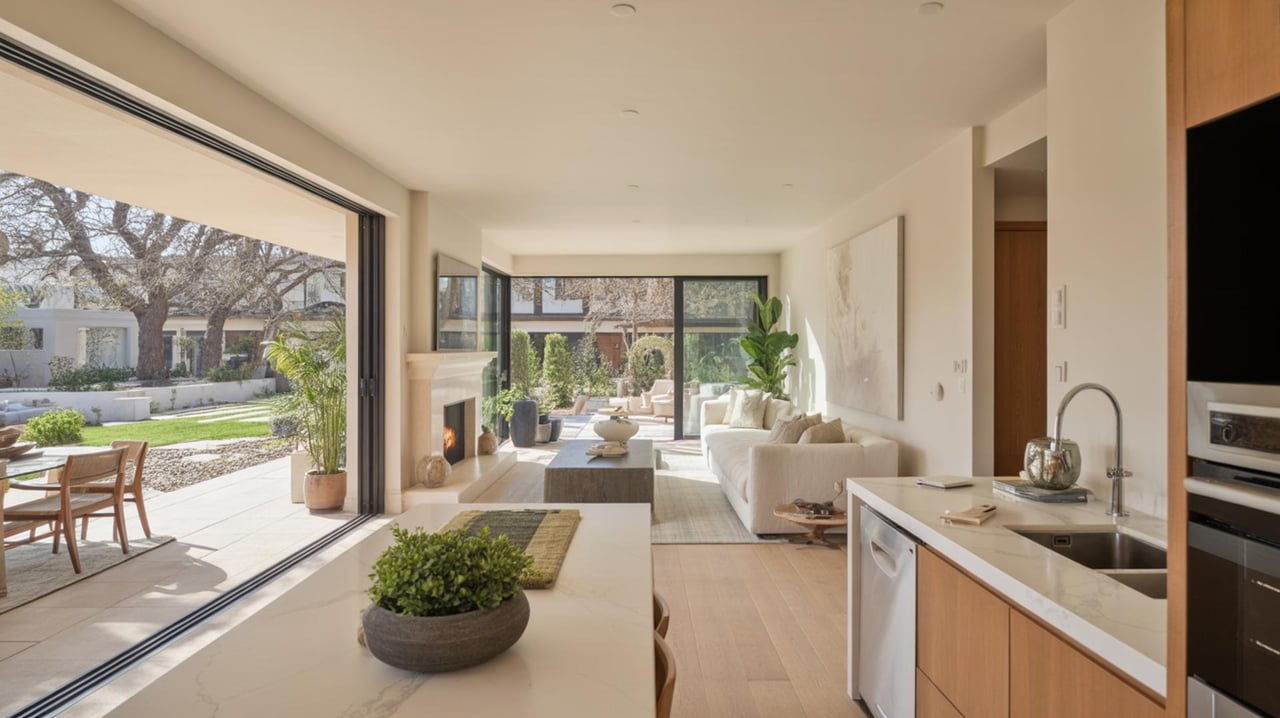
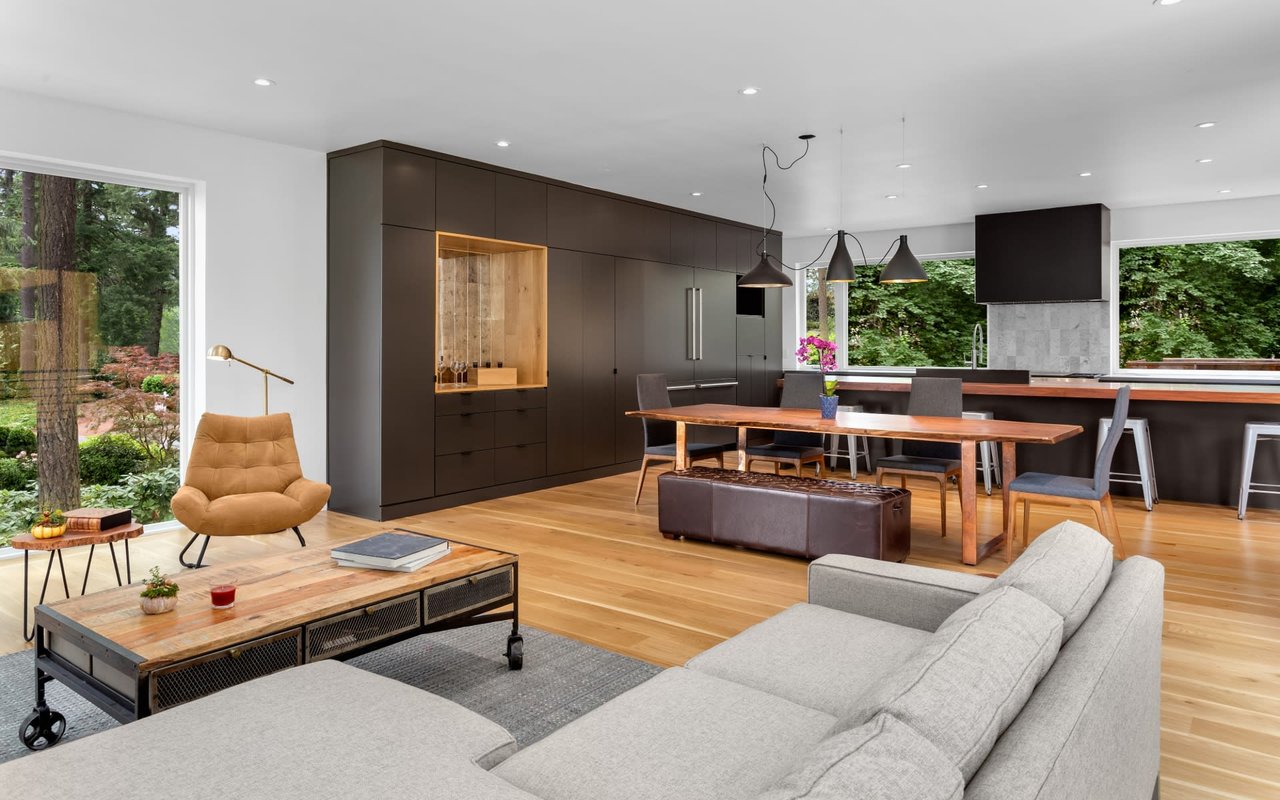
New construction in Wash Park often offers larger square footage, open-plan main levels, and multiple full baths. Expect a primary suite with an en-suite bath, a sizable kitchen with an island, and dedicated spaces like a home office or mudroom.
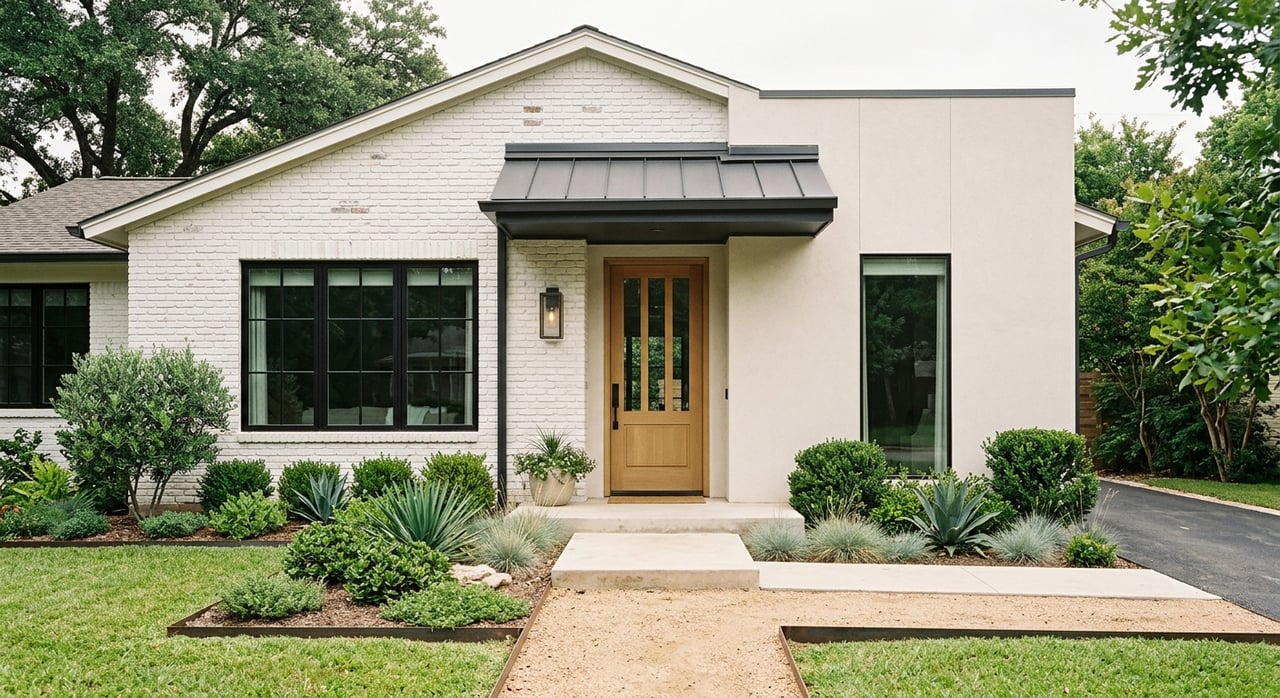
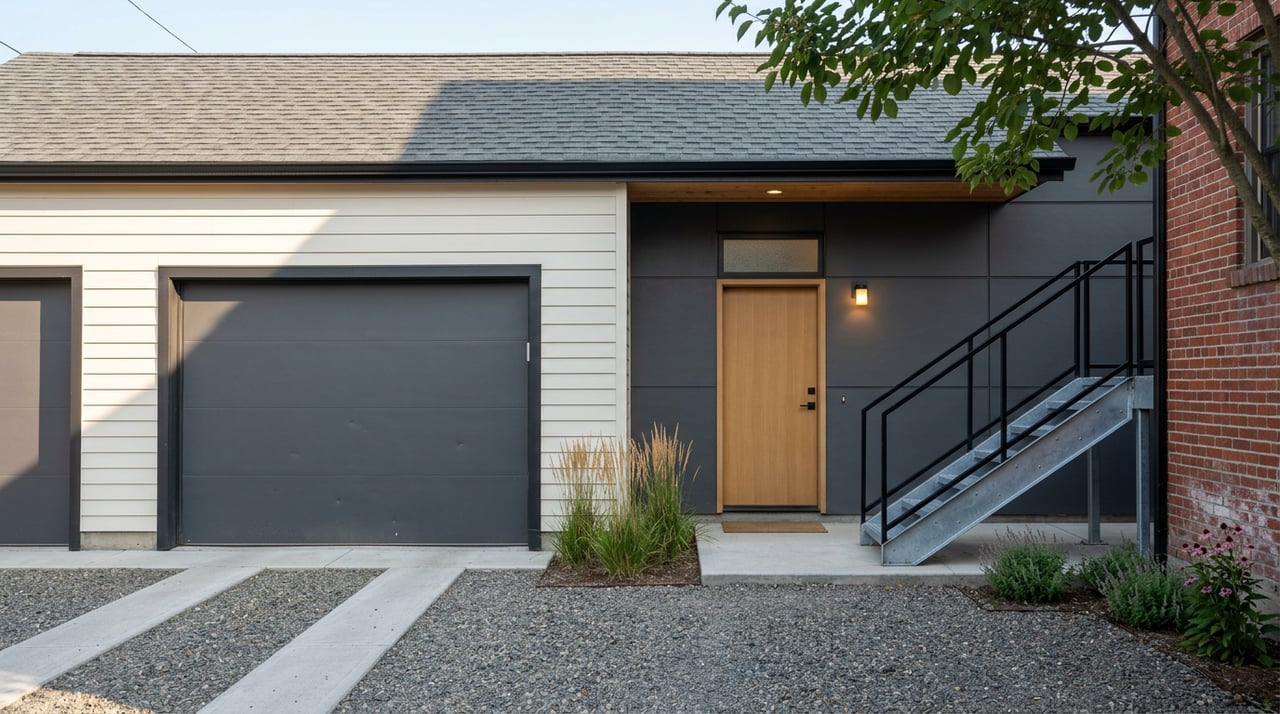
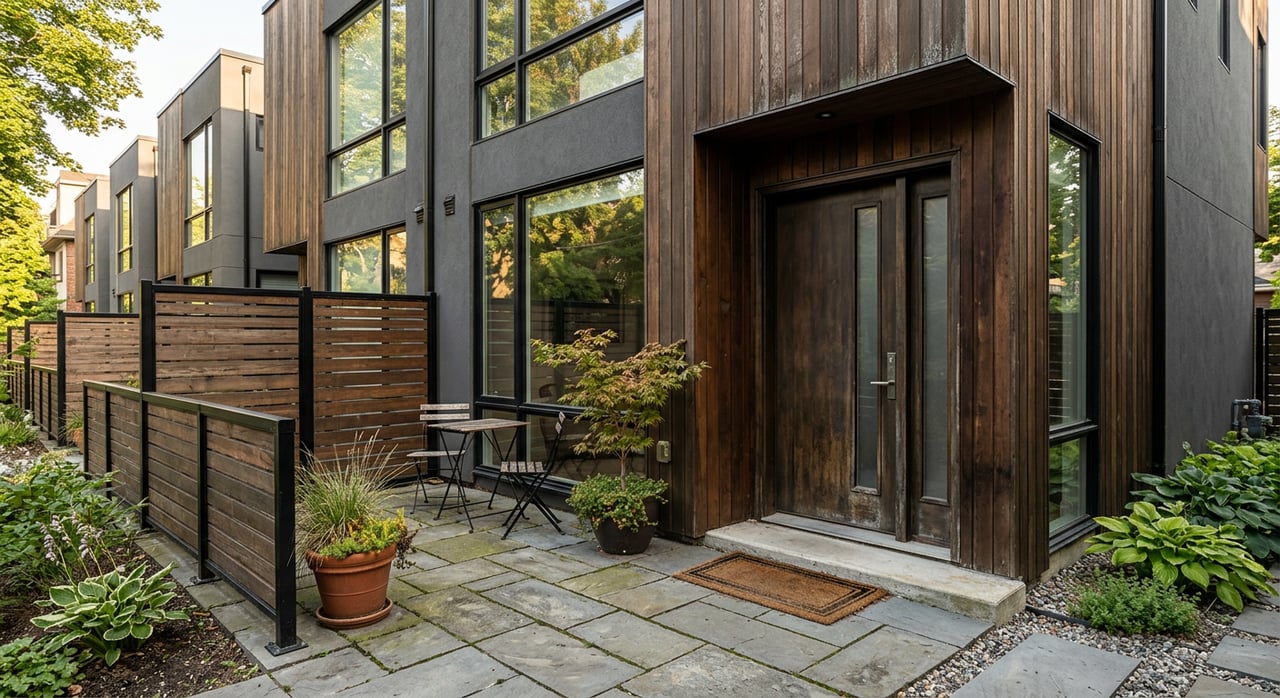
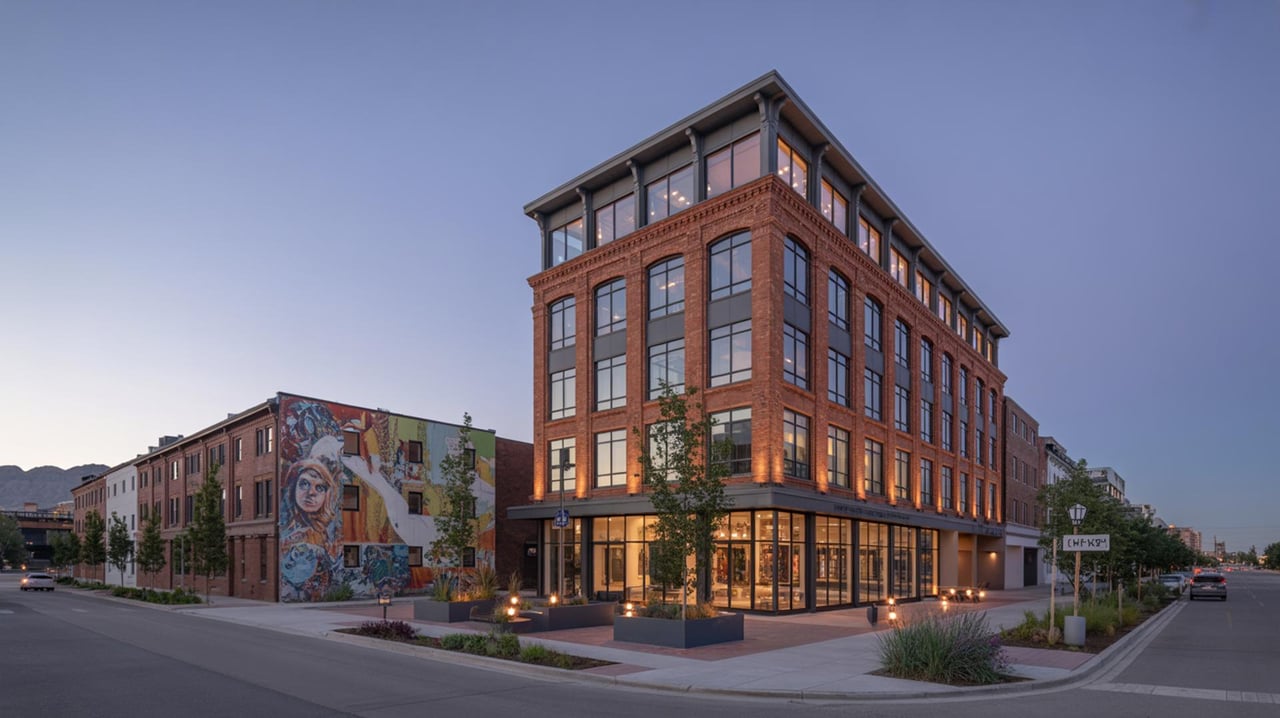
Vertical scale is common, with 2 to 3 stories or narrow-lot designs that maximize living area. Many new builds have attached garages and contemporary finishes. Yards can be smaller because newer homes sometimes occupy more lot area, but landscaping is often designed for low maintenance.
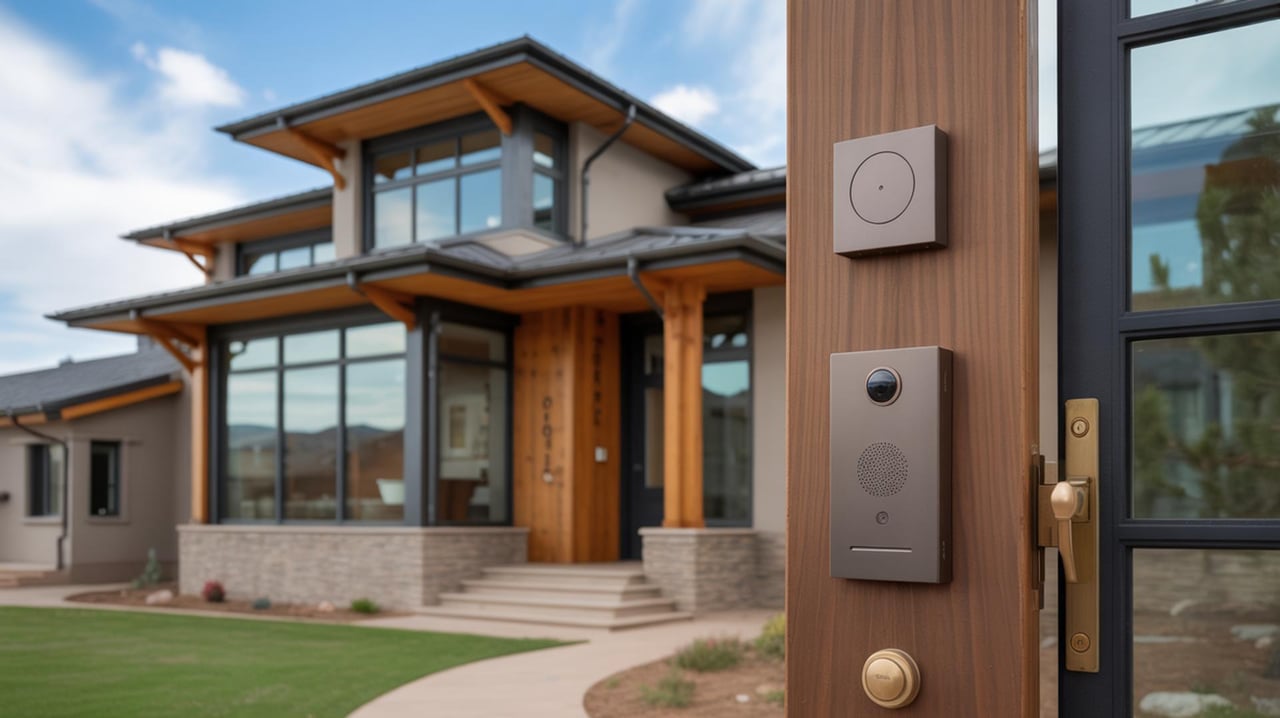
Lifestyle highlights: generous storage, more bathrooms, modern systems, and fewer immediate repairs. Some buyers can customize finishes or add energy and smart-home upgrades during construction.
Maintenance and energy
Older bungalows: key inspections
Plan a thorough inspection. Common focus areas include:
- Roof age and condition
- Sewer line material and health using a camera scope
- Electrical panel capacity and any older wiring
- Plumbing type, including cast-iron or galvanized pipe
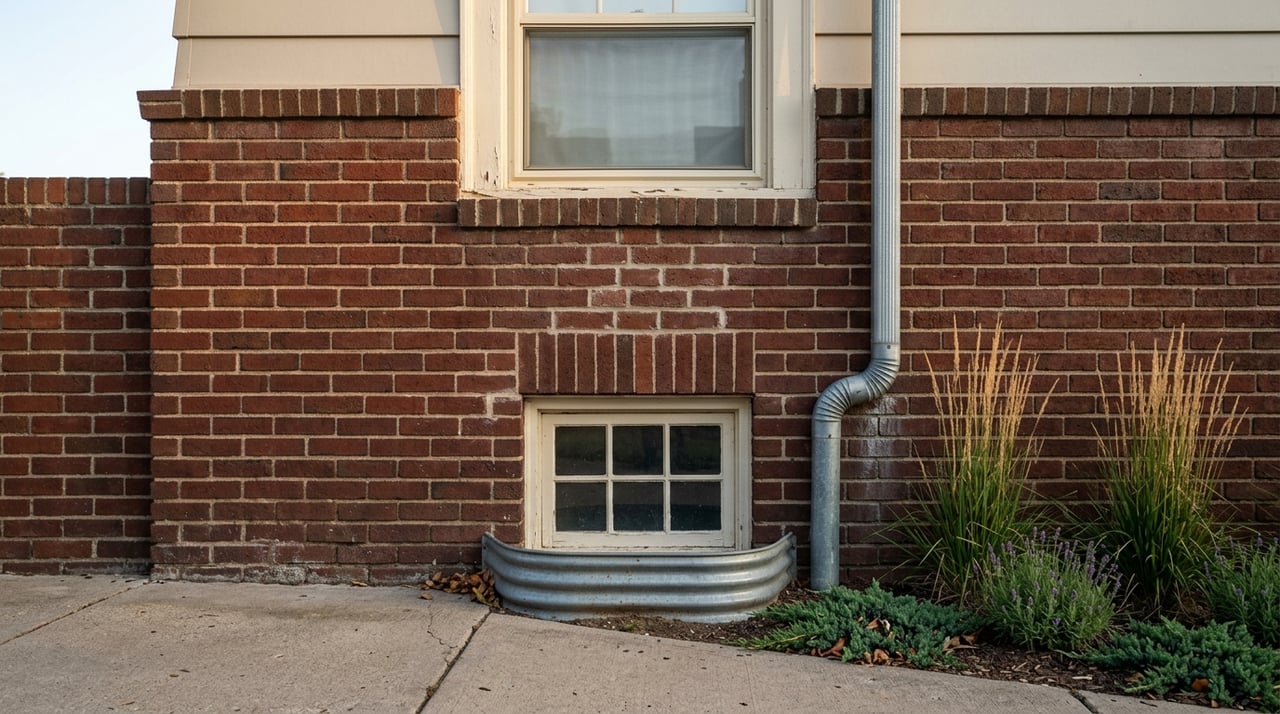
- Foundation settlement and basement moisture
- Original windows, insulation levels, and HVAC efficiency
- Potential presence of lead-based paint in pre-1978 homes and some asbestos-containing materials
Even if a bungalow looks updated, systems may need attention. Many buyers budget for kitchen and bath modernization, window improvements, insulation, and mechanical upgrades.
New builds: code and warranties
New homes must meet current Denver building and energy codes for insulation, windows, and HVAC efficiency. That usually means better thermal comfort and lower utility use at move-in. Builders typically offer limited warranties. These often include short-term coverage for finishes and workmanship, multi-year coverage for major systems, and some level of structural coverage. Review the warranty terms so you know what is included.
Energy, utilities, and insurance
New builds generally use less energy because of newer envelopes and systems. Older bungalows can have higher heating and cooling costs unless they have upgraded insulation, windows, and HVAC. For apples-to-apples comparisons, ask for 12 months of utility bills and consider an energy assessment during inspection.
Insurance premiums can be affected by roof age, plumbing and wiring types, and the home’s claims history. Newer systems in new builds often lead to lower comparable premiums. Always confirm coverage and pricing with your insurer.
Cost and financing
Price patterns
In Wash Park, smaller or original-condition bungalows may have lower headline prices than large new builds. That said, price per square foot varies. Well-renovated historic homes can command premiums for architectural integrity and location. New builds usually carry a premium for layout, size, and warranty benefits.
Renovation and hidden costs
If you plan to update a bungalow, factor in system replacements, kitchen and bath remodels, window upgrades, and any basement waterproofing or finishing you want. Renovations can be disruptive and may require temporary living arrangements. Contractor schedules can also add time, so plan ahead.
Financing differences
Builders sometimes offer incentives or preferred lender terms on new construction. If you buy before completion, you may use a construction-to-permanent loan. For older homes, significant deferred maintenance can trigger lender-required repairs. Government-backed loans have minimum property standards. Appraisals for both home types depend on recent comparable sales in the neighborhood.
Zoning and permits in Denver
Denver’s zoning and permitting rules shape what you can remodel or rebuild. Tear-downs and major additions must meet setback, height, lot coverage, parking, and design standards. Some properties may sit within historic overlays or have landmark status. That can limit exterior changes and demolition. Always verify current rules with the City and County of Denver.
Accessory dwelling units have seen updated policies in recent years. ADU potential can affect long-term flexibility and possible rental income. Confirm zoning, lot size, and any restrictions before you count on adding an ADU.
Resale outlook
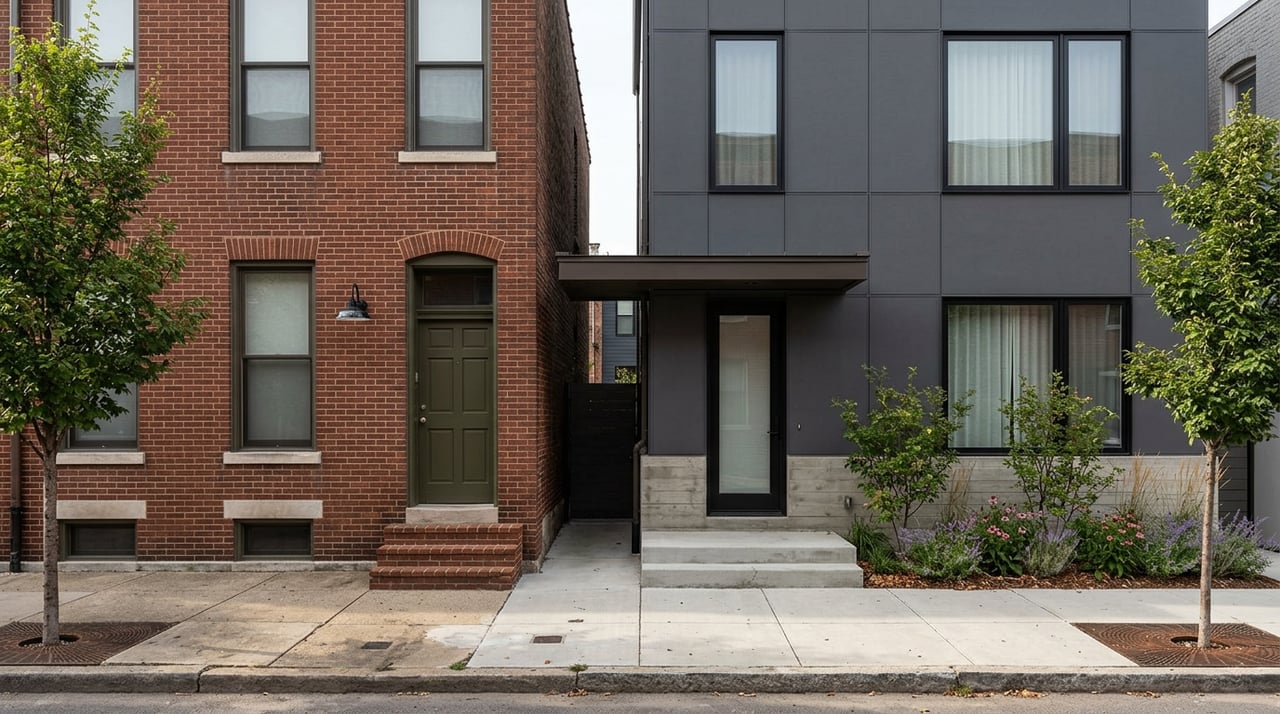
Both renovated bungalows and quality new builds tend to sell well in high-demand neighborhoods like Wash Park. The key is fit. Buyers who love character and established streetscapes often pay for tasteful historic renovations. Buyers who prioritize modern function, more bathrooms, and larger primary suites lean toward newer homes. Bedroom count, bath count, storage, and parking will drive time on market.
Quick decision framework
Use these prompts to clarify your best fit:
- Character or convenience: Do you value original woodwork and porch culture, or open flow with a big kitchen and attached garage?
- Budget lens: Are you focused on the initial purchase price, or total first-year costs including utilities and any renovation work?
- Lifestyle needs: How many bedrooms and baths do you need? Do you want a home office, mudroom, or larger closets?
- Outdoor priorities: Is a bigger backyard essential, or would a low-maintenance patio work?
- Maintenance tolerance: Are you ready for near-term projects, or do you prefer newer systems and warranties?
- Time horizon: Will you hold 5 or more years? Do you plan to remodel or add an ADU later?
Due diligence checklist
Consider this list as you tour homes and write offers:
- Confirm exact neighborhood boundaries, school assignment, and park access points
- Order a full home inspection plus sewer camera, roof, chimney, HVAC, electrical, and radon testing as needed
- Ask for 12 months of utility bills and seller disclosures for repairs and renovations
- Check City of Denver permitting history for additions or alterations and confirm there are no open violations
- Verify zoning if you plan a major addition, ADU, or a potential second story
- For new builds, request full warranty details, builder track record, and a list of included vs upgrade items; confirm completion and financing timelines
- Ask about property taxes and any recent reassessments for similar Wash Park properties
- Confirm garage type, alley access, and any easements or covenants
Which is right for you?
If you want charm, mature landscaping, and a close relationship with the street, a bungalow may give you the daily experience you crave. Plan for targeted upgrades and a more traditional layout. If you prefer open living, more bathrooms, and fewer immediate projects, a new build can deliver modern comfort and energy savings from day one.
Not sure where to start? Our team lives and works in the Denver area and understands how each block can change the feel of a home. We help you weigh near-term costs against long-term value so you can buy with clarity. Ready to explore Washington Park homes? Reach out to Luxe Realty for a personal game plan. ¿Hablas español? También te ayudamos.
FAQs
What should Wash Park buyers inspect in an older bungalow?
- Prioritize sewer line, roof condition, electrical panel and wiring, plumbing materials, foundation and basement moisture, insulation, windows, and HVAC.
Do new builds in Washington Park lower energy bills?
- New builds generally meet current energy codes with better insulation, windows, and efficient HVAC, which typically lowers immediate energy use compared to unrenovated older homes.
Can I add a second story to a Wash Park bungalow?
- Possibly, subject to Denver zoning, lot size, setbacks, and any historic restrictions. Always verify current rules with the City and County of Denver before planning.
How disruptive is renovating a Washington Park bungalow?
- Disruption can be high if you plan a gut remodel. Expect contractor lead times, temporary living arrangements, and careful budgeting for scope and contingencies.
Which has better resale in Wash Park, a bungalow or a new build?
- Both resell well when matched to buyer demand. Tastefully renovated bungalows can command premiums for character, while new builds attract buyers seeking modern function.
Will financing differ for an older home vs a new build?
- Builders may offer incentives or preferred lenders on new construction. Older homes with major issues can trigger lender-required repairs or limit certain loan types.