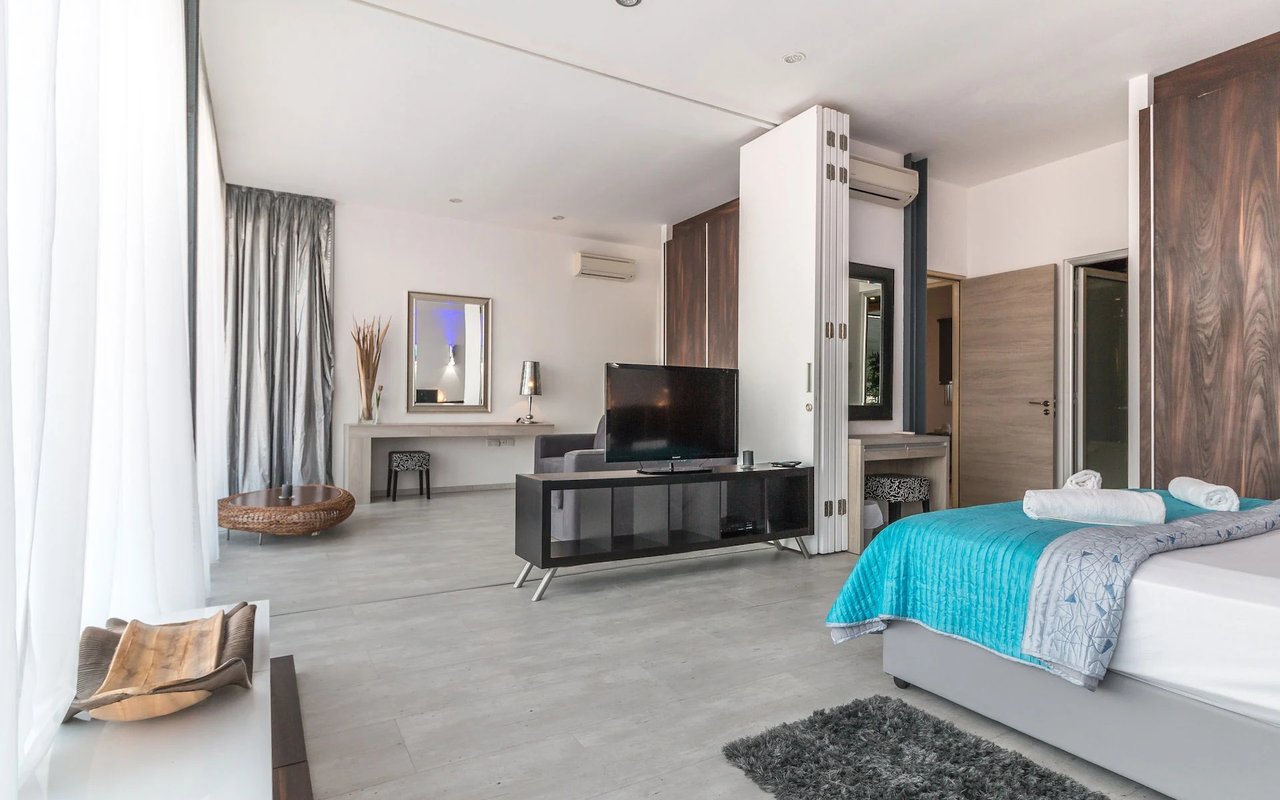
Thinking about a RiNo loft as an investment? You are not alone. The neighborhood’s art, dining, and walkable vibe draw renters and buyers who want an urban lifestyle, which can create strong income potential. The key is knowing how to separate a great unit from a risky one before you write an offer. In this guide, you will learn how to evaluate rentability, HOA and legal risks, financing, and exit strategies specific to RiNo lofts, plus a practical checklist you can use on your next tour. Let’s dive in.
Know RiNo’s value drivers
RiNo’s appeal is lifestyle-focused. Street art, galleries, breweries, restaurants, and creative offices attract young professionals, remote workers, and lifestyle renters who value walkability and nightlife. This amenity premium can support higher rents and faster lease-up in the right buildings and blocks.
At the same time, RiNo is active with development. New projects can add supply and pressure rents, especially for similar units. Demand is also sensitive to broader job and interest-rate trends, so plan with conservative rent growth and vacancy assumptions.
Loft types you will see
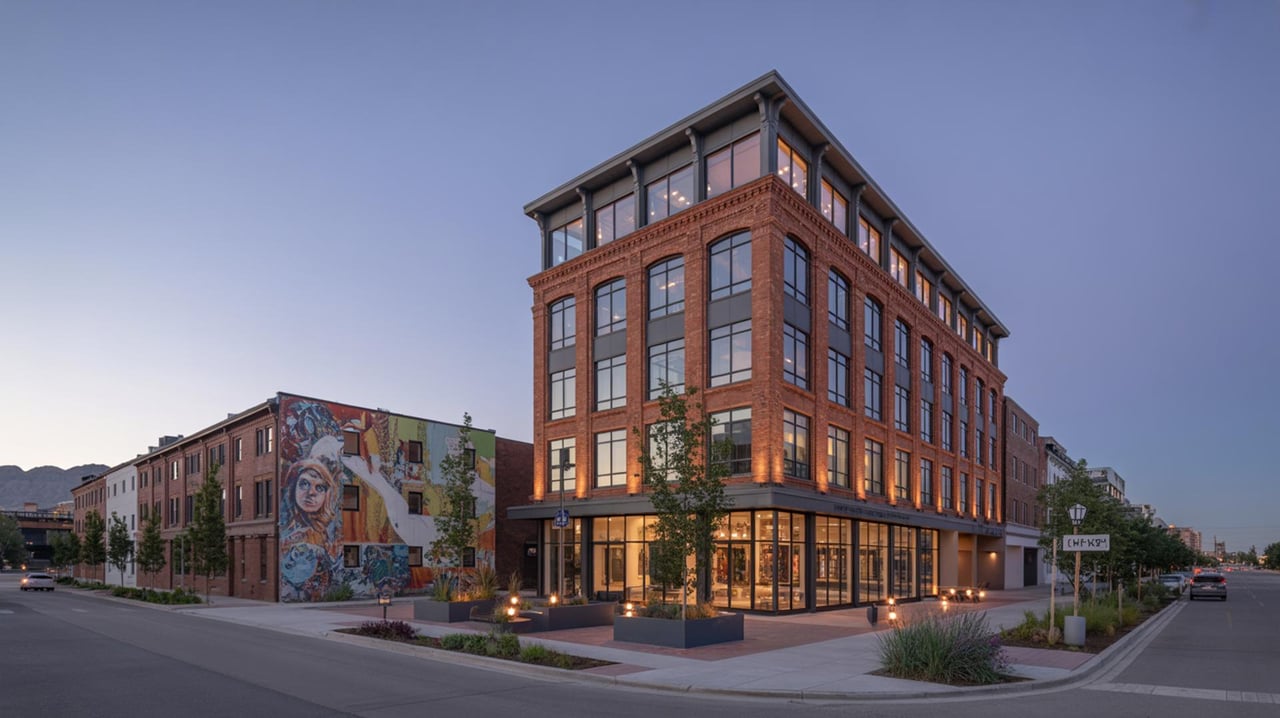
Converted industrial lofts
These are warehouse or factory conversions with exposed brick, ductwork, high ceilings, and big windows. They lease well to renters who prioritize character. Inspect systems carefully, including HVAC type and age, electrical capacity, and window condition, and evaluate sound transfer between units.
New-build loft-style condos
Modern buildings offer higher ceilings and open plans with newer systems and typical condo structures. Expect more predictable maintenance than older conversions, but still confirm HOA health, insurance coverage, and any rental restrictions.
Live/work or mixed-use units
Some buildings include live/work or mixed-use overlays. Mixed-use status can affect financing, insurance, and renovations. If a building may be historically designated, review rules through Denver Landmark Preservation before planning changes.
Unit features that drive rent
Renters in RiNo prioritize convenience and comfort. Units with the following features often command premiums:
- In-unit laundry and reliable AC/heat
- Off-street or deeded parking, or easy transit access
- High ceilings, natural light, and modern appliances
- Dedicated workspace or flexible floor plan for remote work
- Pet-friendly policies and nearby dog amenities
- Secure entry and package handling
Also consider floor plan efficiency. Loft volume is great, but usable square footage and built-in storage help units live larger and reduce turnover wear.
Parking, storage, and sound
Parking is scarce near popular corridors. Deeded parking, guest parking, and bike storage increase rentability. Ask about sound transfer in open-plan lofts, especially in buildings with wood framing. Concrete construction often performs better, but verify during inspection and by reviewing HOA noise rules.
Operations and vacancy planning
Understand utility setup. If the HOA includes water, gas, or trash, your operating expenses change and can reduce NOI. Plan for higher turnover costs in units with exposed brick or hardwoods, which may require specialized repairs. Model conservative vacancy, such as 5 to 10 percent, and stress test for a few months of downtime.
HOA and legal must-knows
A financially sound, investor-friendly HOA is critical. Review the budget, recent reserve study, and what dues cover. Low reserves or frequent special assessments can erode returns. Read the last 12 to 24 months of meeting minutes for upcoming capital projects, such as roofs, elevators, or façade work.
Check rental rules carefully. Some associations cap rentals, require minimum lease terms, or prohibit subleasing. Short-term rentals are heavily regulated in Denver and may be banned by the HOA. Learn the city rules through Denver’s Short-Term Rental Licensing and confirm HOA covenants before underwriting any STR income.
If you plan to rent long-term, confirm your compliance with Denver’s Residential Rental Licensing. Also screen for construction defect history, pending or recent litigation, mixed-use nuisances, and insurance claims that could raise costs.
Financing and insurance checklist
Investment condos often require higher down payments and carry higher interest rates than primary residences. Lenders also evaluate the project itself. If the building is not approved or does not meet lender standards for reserves and owner-occupancy, financing options can narrow. Check FHA/VA or project status early using HUD’s condo project lookup and review lender standards such as Fannie Mae’s project eligibility.
Insurance matters. Many associations carry a master policy that covers only the building shell, leaving interior finishes to the owner. Confirm whether the master policy is “bare walls” and price an HO-6 policy plus any needed riders. Unique materials in conversions can raise replacement costs, so get quotes during inspection.
Run the numbers with discipline
Know the core metrics before you write an offer:
- Gross Scheduled Income (GSI): market rent multiplied by 12.
- Effective Gross Income (EGI): GSI minus vacancy and concessions.
- Net Operating Income (NOI): EGI minus operating expenses, including HOA dues but excluding mortgage.
- Cap rate: NOI divided by purchase price.
- Cash-on-cash return: annual pre-tax cash flow divided by total cash invested.
Build a sensitivity analysis. Reduce rent assumptions by 5 to 10 percent and increase vacancy by 1 to 3 months to see if the deal still works. Add a line item for potential special assessments and refresh the numbers after you read HOA documents.
Exit strategies in RiNo
- Hold as a long-term rental for steady cash flow and potential appreciation. Confirm rental rules and budget for ongoing maintenance.
- Renovate and flip to an owner-occupant or investor. Confirm HOA approvals for interior improvements and plan around market timing and carry costs.
- Short-term rental, if allowed by both the city and the HOA. STRs require licensing, taxes, and intensive management per Denver’s STR rules.
- 1031 exchange to defer capital gains when selling and reinvesting in like-kind property. Review details with a CPA and start with IRS guidance on like-kind exchanges.
Due-diligence timeline
Pre-offer essentials
- Pull recent sales comps for true loft units by size, condition, and floor.
- Request HOA docs: CC&Rs, bylaws, budget, reserve study, insurance declaration, and rental policies.
- Confirm project status, developer control, and any warranties.
- Verify zoning and use; flag any commercial overlays.
- Confirm deeded parking, storage, and bike room access.
Under contract and inspections
- Order a building-savvy inspection focused on roof, envelope, windows, HVAC, plumbing, electrical capacity, and sound/fire separation.
- Consider pest and mold checks in older conversions.
- Review HOA master policy, HO-6 requirements, and any recent claims.
- Confirm utility metering and inclusions in dues.
- Check for pending nearby construction that could impact noise or access.
HOA and legal review
- Confirm no pending litigation against the HOA or developer.
- Verify rental caps, STR bans, lease minimums, and any post-purchase leasing wait periods.
- Read minutes for planned capital projects and how they will be funded.
- If the building is historic or mixed-use, verify restrictions with Landmark Preservation and consult a condo attorney if needed.
Financial checks
- Run a conservative pro forma that includes HOA dues, realistic utilities, management, and reserves for capital items.
- Secure lender pre-approval for the unit and confirm the project meets lender standards using resources like Fannie Mae’s project eligibility.
- If planning a value-add or flip, obtain contractor estimates during the objection period.
Post-close setup
- Update locks and access codes per HOA rules.
- Confirm insurance coverage aligns with the HOA master policy.
- If renting, complete Denver rental registration, set up deposits and disclosures, and prepare leasing materials per local statutes and Residential Rental Licensing.
One-page checklist for RiNo lofts
- Verify the condo project is mortgage-friendly; confirm project approval status.
- Review HOA budget, reserve study, dues coverage, and rental rules.
- Confirm deeded parking, storage, and utility metering.
- Inspect roof, envelope, windows, HVAC, plumbing, and electrical capacity.
- Check for pending litigation and special assessments.
- Benchmark true loft rent comps with property managers.
- Confirm STR rules with both the city and HOA.
- Lock in a financing path early and verify lender acceptance of the project.
- Model conservative pro forma and stress test your returns.
When to bring in local pros
Loop in specialists early. A buyer’s agent with RiNo experience can source the right buildings, read HOA health quickly, and negotiate timelines that protect your inspection rights. Add a condo-savvy lender, an inspector experienced with conversions, a condo attorney for complex CC&Rs or mixed-use issues, an insurance agent for HO-6 gaps, a property manager for rent comps, and a local CPA for depreciation and 1031 strategy. If an HOA has low reserves, litigation, or strict rental caps, bring in a reserve specialist or attorney before waiving objections.
Ready to evaluate a RiNo loft with confidence? Reach out to the local team that knows the buildings, the blocks, and the bylaws. Connect with Luxe Realty to get building-level insights, comps, and a tailored acquisition plan.
FAQs
What makes a RiNo loft rent faster?
- Units with in-unit laundry, reliable AC, strong natural light, secure entry, and deeded parking or easy transit access typically lease faster in amenity-driven RiNo.
How do Denver short-term rental rules affect a RiNo condo?
- Denver requires STR licensing and compliance, and many HOAs prohibit STRs, so you must confirm both city rules and HOA covenants before assuming STR income.
Are converted lofts harder to finance than new builds?
- Sometimes, because some conversions and small associations may not meet lender project standards, so verify project approval and reserves with your lender early.
What HOA red flags should investors watch for in RiNo?
- Low reserves, frequent or upcoming special assessments, rental caps, pending litigation, and unclear insurance coverage all signal higher risk and lower resale liquidity.
How do I estimate cap rate on a RiNo loft?
- Calculate NOI by subtracting operating expenses (including HOA dues) from effective rental income, then divide by the purchase price to compare opportunities.