Looking at a sleek LoDo loft but not sure if you can finance it? You’re not alone. In Lower Downtown Denver, a building’s “warrantable” status can make or break your loan options, down payment, and timeline. In this guide, you’ll learn what warrantable vs. non-warrantable really means, how lenders evaluate LoDo condo projects, what to expect for rates and down payments, and the exact steps to prepare. Let’s dive in.
What “warrantable” really means
A condo is considered warrantable when the building meets the eligibility rules used by major investors like Fannie Mae and Freddie Mac. When a project qualifies, you typically get easier conventional financing, lower down payment options, and a wider choice of lenders. FHA and VA have their own approval processes and lists, which are separate from conventional guidelines.
If the building does not meet those standards, it is often labeled non-warrantable. That does not end your purchase plans, but it can change your loan choices, pricing, and cash needed to close.
Why LoDo condos face warrantability questions
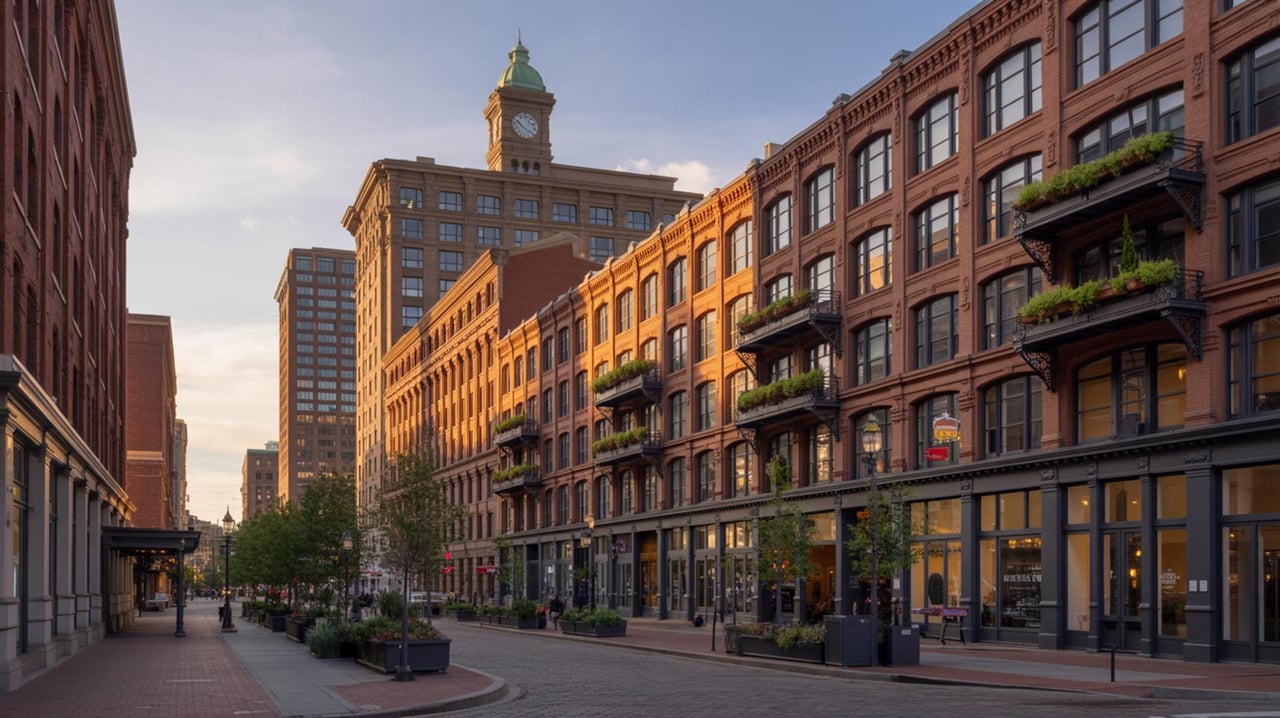
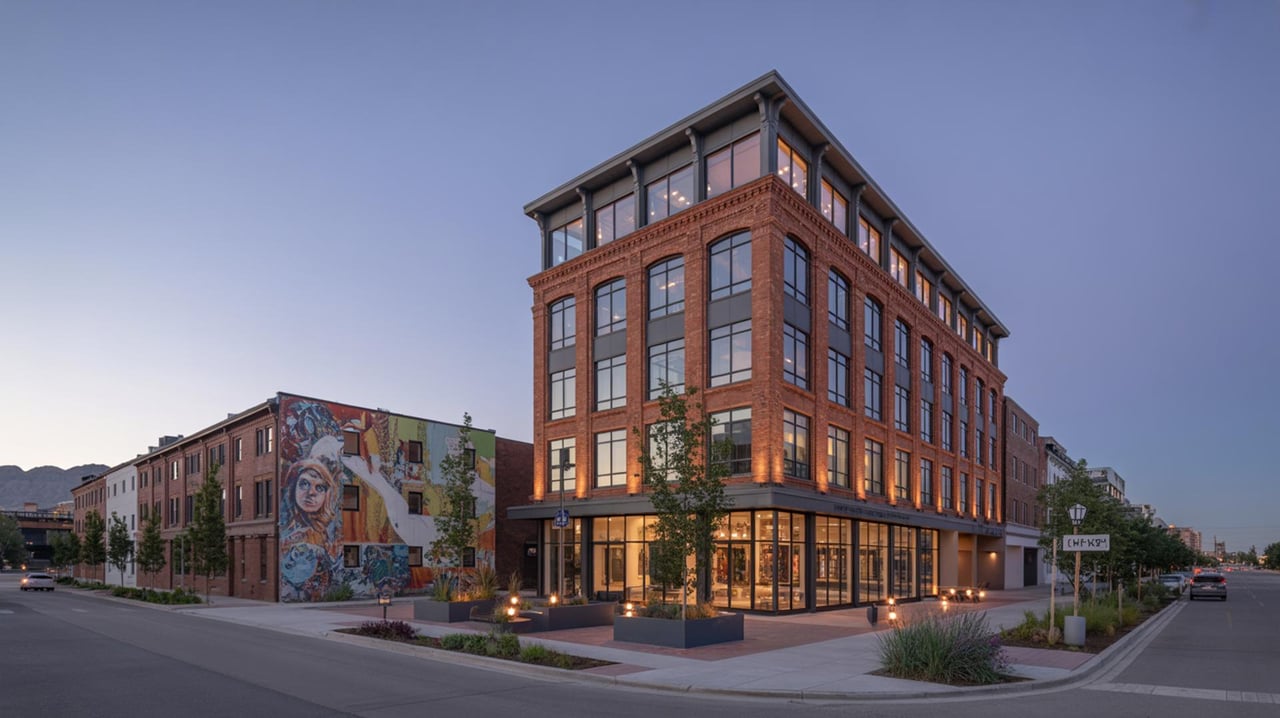
LoDo is full of historic warehouse conversions, mixed-use projects, and small HOAs near Union Station and Coors Field. These buildings often include ground-floor retail, unique legal documents, and complex maintenance needs that lenders scrutinize.
Investor ownership is also common in downtown areas. Higher investor ratios, smaller HOAs with limited reserves, and occasional litigation related to common elements or rules are all issues that can impact financing. Two condos on the same block can have completely different warrantability outcomes, so always evaluate each building individually.
How lenders evaluate condo projects
Lenders review the building’s overall health, structure, and documentation. Exact cutoffs vary by program and by lender overlays, but these are the most common categories they check.
Owner occupancy and investor ratio
Lenders look at the percentage of owner-occupied units versus investor-owned rentals. A higher share of investor units is a frequent reason a project becomes non-warrantable. Many conventional programs commonly look for owner occupancy around 50 percent or higher, though specifics vary by lender and program.
Single-entity ownership concentration
If one person or company owns a large number of units, lenders see higher risk. A single owner holding around 10 percent or more is often a red flag and can lead to extra documentation or ineligibility depending on the program.
Commercial space and mixed-use
Many LoDo buildings include retail or office space. Lenders often limit the amount of commercial square footage in a project. Typical limits fall in the 10 to 25 percent range, but each lender evaluates the impact differently.
Litigation and disputes
Pending or threatened litigation involving the HOA or common elements can make a project ineligible for many conventional loans until resolved or clarified. Lenders want to see whether the dispute affects structural integrity or the HOA’s finances.
HOA budget, reserves, and assessments
Underwriters review the current budget, reserve study, and reserve balances. Projects with minimal reserves or frequent special assessments face more scrutiny. A commonly cited expectation is reserves around 10 percent of the operating budget, considered alongside other financial factors.
Insurance and property management
The HOA needs adequate master insurance, including appropriate limits and deductibles. Lenders also look for fidelity coverage for HOA funds and competent management practices.
Documentation and disclosures
Expect to provide recorded governing documents, amendments, recent board minutes, a current budget, a reserve study, insurance certificates, and clear disclosures about any pending litigation. Clean, complete documents help lenders move faster.
Warrantable vs. non-warrantable: what it means for your loan
Here’s how financing usually differs. Exact terms depend on your lender and program.
| Factor | Warrantable Condo | Non-Warrantable Condo |
|---|---|---|
| Down payment | As low as 3 to 5 percent for some conventional owner-occupant programs, often 5 to 20 percent depending on credit and loan type | Commonly 15 to 25 percent or more |
| Interest rate | Market-competitive conventional pricing | Higher rates and possible pricing adjustments |
| Product variety | Broad menu of fixed and adjustable programs | Fewer choices; often limited to portfolio products |
| Lender availability | Wide pool of national and local lenders | Fewer lenders; rely on portfolio or specialty programs |
| Appraisal focus | Standard conventional appraisal approach | Greater emphasis on comps and market liquidity |
| Market impact | Larger buyer pool and smoother closings | Smaller buyer pool, which can affect price and time on market |
Documents your lender will request
Gathering the right items early can save days in underwriting. Expect requests for:
- Recorded governing documents: declaration, bylaws, amendments, and plats.
- Project details: project name, addresses, number of units, and your unit number.
- Current HOA operating budget and most recent financials.
- Latest reserve study and current reserve account balances.
- Recent HOA board meeting minutes, often 12 to 24 months.
- Master insurance certificate and evidence of fidelity coverage.
- Litigation letter or disclosure from the HOA attorney.
- Owner-occupancy and investor breakdown.
- Estoppel certificate from the HOA or manager.
- Management company information and contract.
- Notes on capital projects, special assessments, or pending declaration changes.
Tip: Many Denver lenders ask the HOA or management company to complete a standard condo questionnaire. Start that process as soon as you go under contract.
Financing options if a building is non-warrantable
Non-warrantable does not mean “no financing.” It just changes the path.
- Portfolio loans from local banks or credit unions. Loans are kept in-house and customized, often with larger down payments and higher pricing.
- Portfolio programs from certain national lenders. Some accept higher investor ratios or mixed-use characteristics with stricter terms.
- FHA or VA loans if the project appears on their approved lists. These programs have separate approval standards and may be an option.
- Jumbo or portfolio jumbo loans for higher-priced units. Terms vary and typically require more money down.
- Bridge, hard-money, or private financing for short-term needs. Costs are higher and best for niche scenarios.
- Seller financing in rare cases, structured with legal guidance due to complexity.
Each lender treats issues differently. One portfolio lender may accept a LoDo building another will not. Ask for building-specific guidance early.
Step-by-step for LoDo condo buyers
- Request the full HOA package immediately. Ask for the operating budget, reserve study, board minutes, insurance certificate, condominium declaration, and occupancy breakdown.
- Check program eligibility. Confirm whether the building appears on FHA or VA approval lists, or ask your lender to run a project review for conventional options.
- Choose a lender experienced with downtown Denver condos. Experience with LoDo projects speeds up review and helps avoid surprises.
- Get a pre-approval that references condo warrantability. Make sure the letter reflects how the lender views your target building and the down payment required.
- If non-warrantable, get written program terms. Ask for minimum down payment, expected rate range, documentation needs, and timeline.
Step-by-step for LoDo condo sellers
- Assemble your HOA package before listing. Include the budget, reserve study, minutes, insurance, litigation letter, and occupancy data.
- Discuss warrantability with your listing agent. If you suspect non-warrantable status, set buyer expectations up front to reduce fall-through risk.
- Consider updating the reserve study or clarifying financials. Clear, current information helps buyers and lenders feel confident.
Pro tips for a smoother LoDo closing
- Start the condo review early. Building-level checks can take longer in mixed-use or historic conversions.
- Verify owner-occupancy and investor ratios with the HOA. A small shift can affect program eligibility.
- Read the minutes and litigation letter carefully. These often reveal issues that drive underwriting decisions.
- Watch for commercial elements. Identify retail square footage and how it impacts insurance and reserves.
- Prepare for appraisal questions. In investor-heavy pockets, your appraiser may lean on strong comparable sales to support value.
Ready to move on a LoDo condo?
Whether you’re buying a loft or listing a condo in Lower Downtown, preparation wins. Know your building’s status, gather documents early, and choose a lender familiar with Denver’s urban condo landscape. If you want a strategy tailored to your goals, reach out. We offer hands-on guidance, neighborhood expertise, and bilingual service to help you move with confidence. Connect with Luxe Realty to get started.
FAQs
How do I check if a LoDo condo is warrantable?
- Request the HOA package and share it with a lender experienced in Denver condos who will run a project review of occupancy, reserves, insurance, litigation, and governing documents.
Can I still buy a non-warrantable LoDo condo?
- Yes, but expect fewer loan options, larger down payment requirements, and higher rates, often through portfolio or specialty lenders.
Who decides whether a condo is warrantable?
- Program rules from Fannie Mae, Freddie Mac, FHA, and VA plus individual lender overlays determine eligibility through a lender’s condo project review.
Does litigation make a building ineligible forever?
- Not necessarily, but material or unresolved litigation often pauses eligibility for standard programs until resolved or shown to have minimal financial impact.
What documents should I gather first as a buyer?
- Focus on the HOA budget, latest reserve study, board minutes, insurance certificate, and a current litigation letter, which reveal most financing issues.