Thinking about selling your LoDo loft but not sure where to start? You are not alone. Downtown condos move on a different rhythm than suburban homes, and the details matter. In this guide, you will learn how to prepare, what to gather, and how to market the unique character of a LoDo space so you can sell with confidence. Let’s dive in.
Know your LoDo selling edge
LoDo’s appeal is simple: history, transit access, and nightlife in one walkable district anchored by Union Station and Coors Field. The city’s downtown plan highlights LoDo’s mix of historic warehouses and modern living, which is a major draw for buyers who value convenience and character. You can reference the city’s Downtown Area Plan to frame your location benefits in marketing copy.
Many LoDo buildings sit in designated historic blocks. Exterior changes often need design or landmark review, which affects what you can promise about rooftop spaces, windows, and facades. If you are considering exterior work before listing, check the city’s Lower Downtown Design Review Commission first.
Tackle disclosures and HOA docs early
Colorado uses standard Commission forms for the Seller’s Property Disclosure. Start this form early and be complete. You can find the current version through the Colorado Division of Real Estate.
If your property lies in a metropolitan district, Colorado’s 2023 law requires you to disclose the district web address to buyers. Review the statute and gather what you need so you do not miss a deadline. See the legislative summary for SB23-110 on the Colorado General Assembly site.
If your building predates 1978, federal law requires a lead-based paint pamphlet and signed disclosure. Many LoDo lofts are warehouse conversions with older components, so include this in your checklist. Learn more from the EPA’s lead disclosure guidance.
Order the condo resale packet right away
Buyers expect a condo resale packet that includes governing documents, financials, reserve information, rules, insurance, and account status. Waiting to order this often delays or derails closings. Place the request as soon as you decide to sell and budget for the HOA’s prep fee. For a clear overview of what buyers expect, review this overview of a condo resale certificate.
Pro tip: Confirm your HOA’s policies on photography, signage, drone images, and broker open houses. Some associations have specific rules and approval steps.
Check financing: warrantable or not
A big factor for condo buyers is whether the building is eligible for conventional financing sold to Fannie Mae or Freddie Mac. Lenders use Fannie Mae’s Condo Project Manager to check if a project is eligible. If a building is considered non-warrantable, the buyer pool can shrink or financing can become more expensive. Ask the HOA or your lender about current status in Fannie Mae’s Condo Project Manager and be prepared to explain options to buyers.
If your HOA has pending litigation, recent special assessments, or low reserves, expect more questions from lenders and buyers. Gather minutes, budgets, and insurance certificates early so you can respond quickly.
Prep your loft: inspection and records
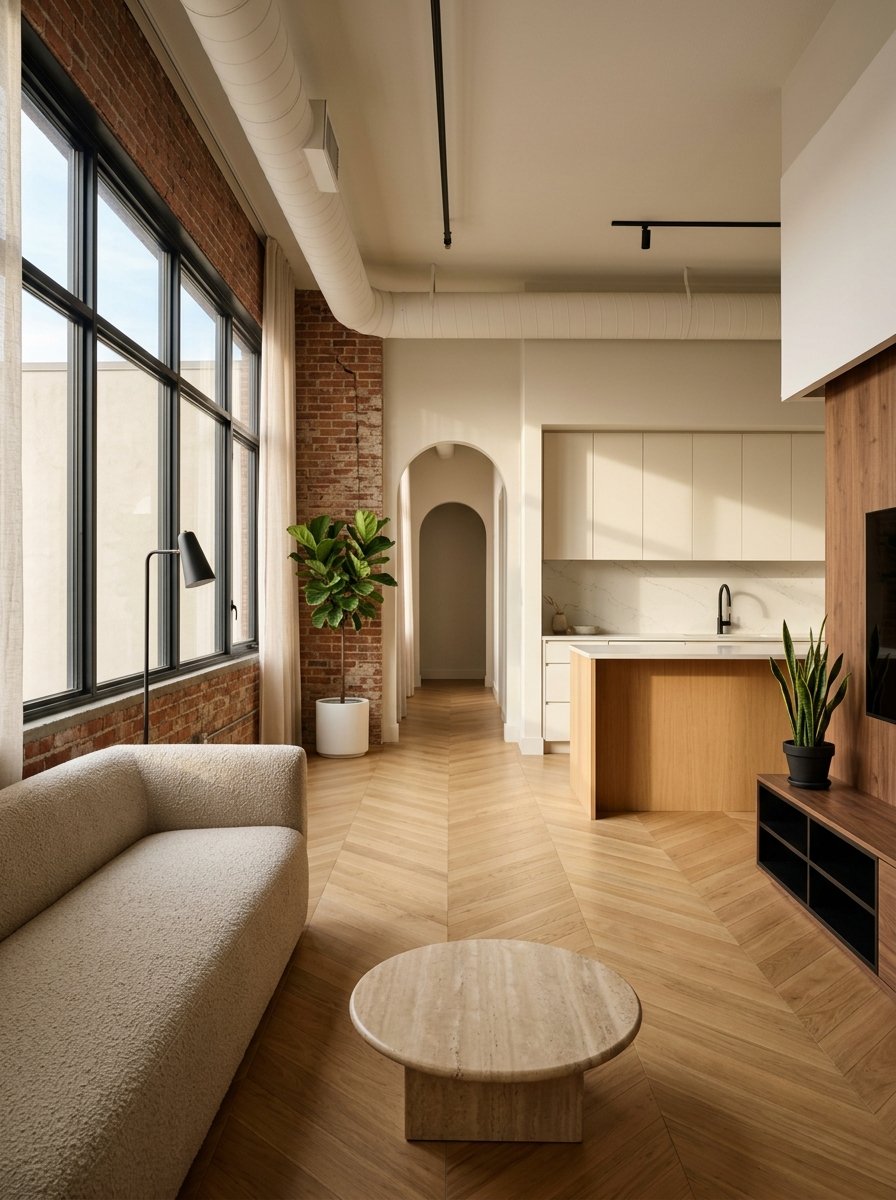
Converted lofts can include exposed brick, large industrial windows, and older systems. Buyers and appraisers look closely at building envelope integrity, window performance, roof and parapets, elevator and fire systems, and in-unit electrical and HVAC updates. If you plan any exterior repair, remember that some work in historic districts may need review. Keep invoices and permits handy.
It helps to schedule a pre-listing walk-through or inspection focused on roof, plumbing, mechanical, and moisture concerns. Having receipts for recent system updates builds buyer confidence. For general tips on caring for historic materials, see this city preservation resource on historic maintenance.
Stage for open-plan success
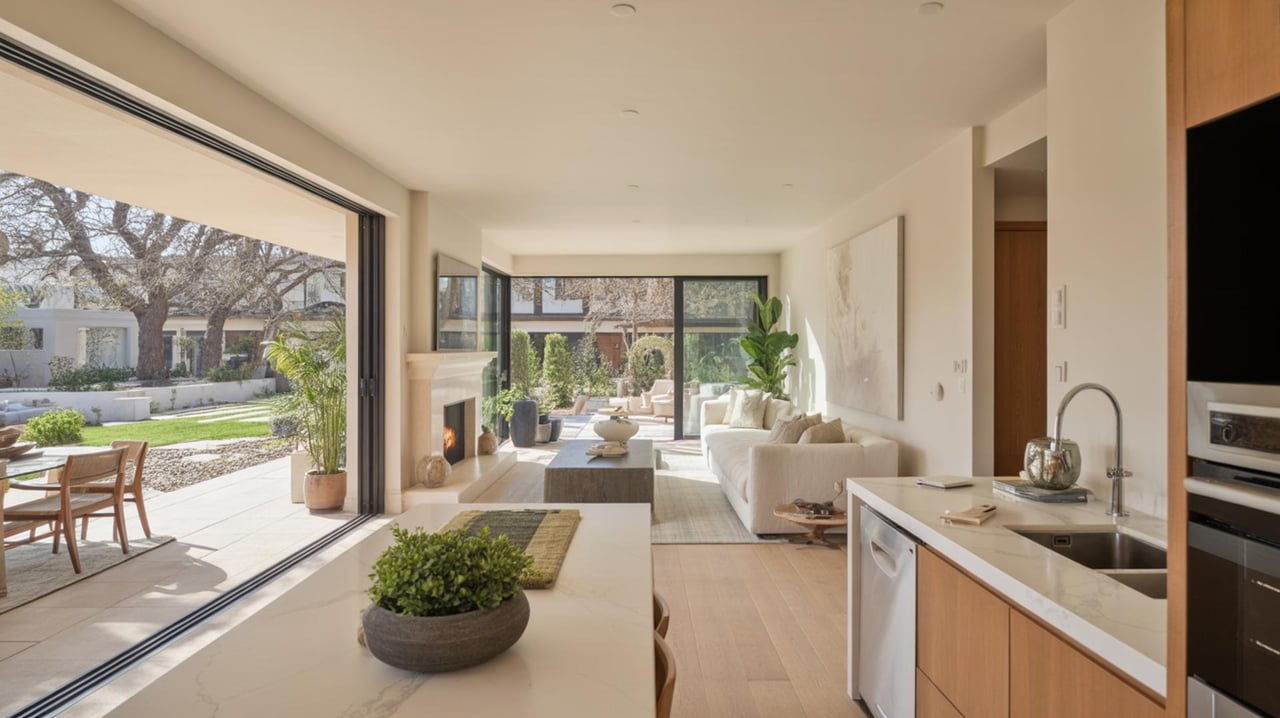
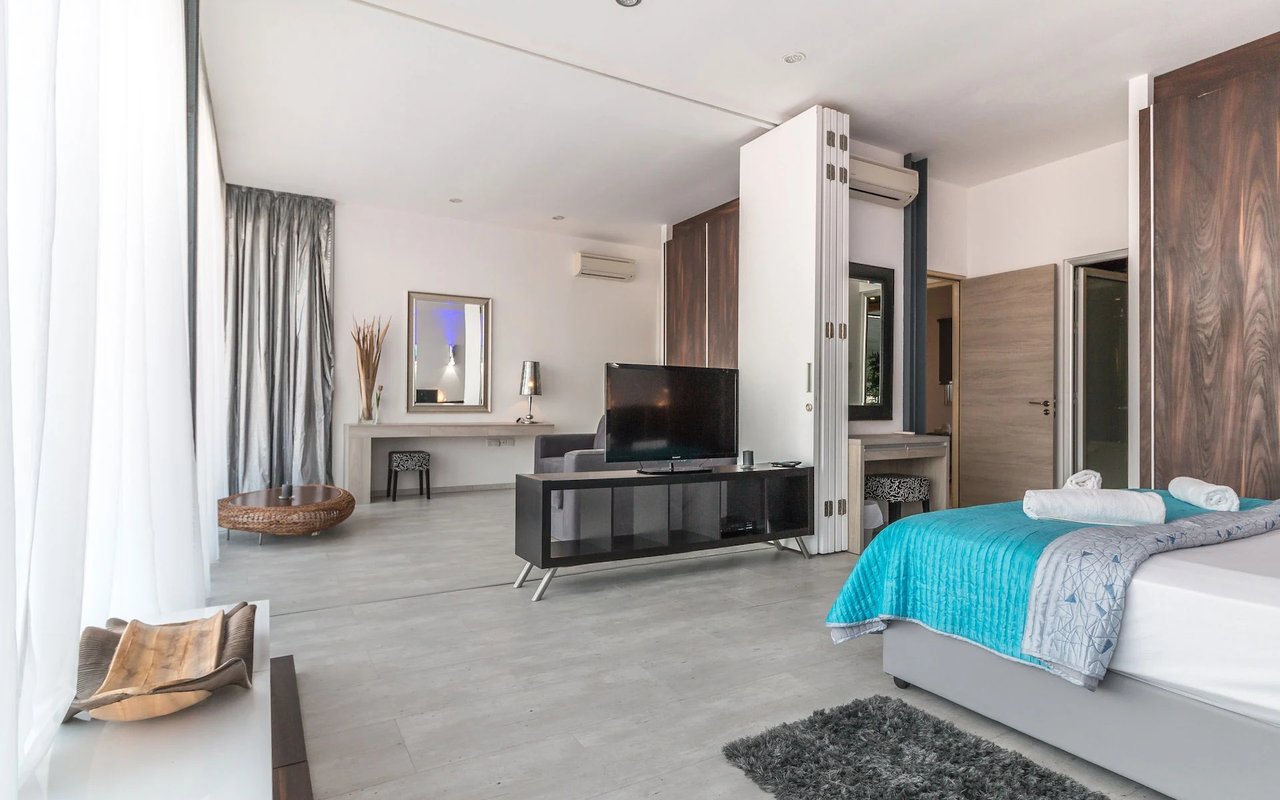
Lofts shine when buyers can see how to live in the space. Define zones for sleeping, working, dining, and relaxing without hiding the loft’s character. Use rugs, modular furniture, low shelving, and layered lighting to create flow while keeping sightlines open.
Staging is more than decor. It helps buyers visualize the home. In the National Association of Realtors’ Profile of Home Staging, most buyer’s agents said staging made it easier for clients to see themselves in a property, and many sellers’ agents reported staging reduced time on market. You can skim the findings in NAR’s 2023 Profile of Home Staging.
Build the media stack buyers expect
Strong visuals get you more qualified showings. Plan for:
- Professional HDR photography that shows volume and ceiling height, plus a twilight exterior if views or facade matter.
- A measured floor plan and an interactive 3D tour so buyers can understand the layout before they visit.
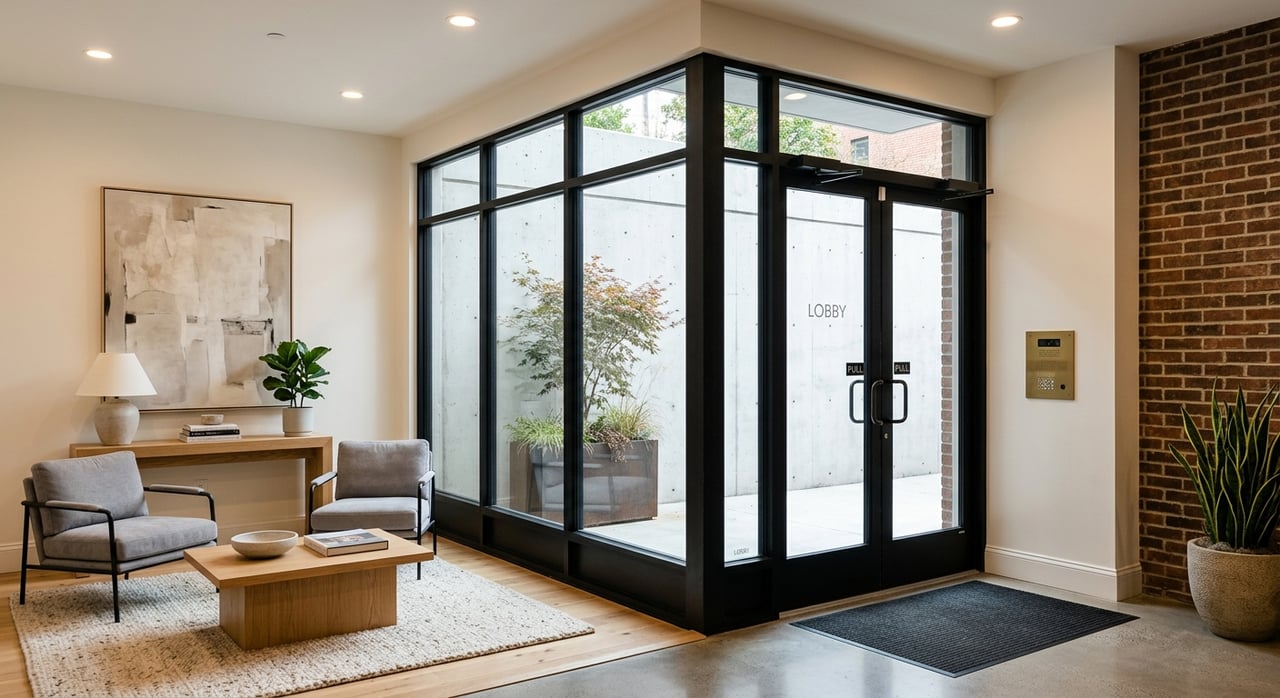
- Amenity photos that highlight rooftops, gyms, storage, loading access, parking entrances, and lobby security.
Industry guidance from NAR shows that virtual tours help buyers screen properties more effectively, which can boost engagement for downtown listings. Review NAR’s tips on creating virtual tours to plan your assets.
Pricing strategy for LoDo lofts
Price with precision. Use comps from the same building or nearby warehouse conversions, and align on bed count, floor level, view, deeded parking, storage, and recent renovations. HOA fees and what they cover can significantly change the monthly cost, so include a clear breakdown in your marketing.
Avoid chasing broad neighborhood averages. Micro-factors like view corridors, window quality, sound attenuation, and a building’s financing eligibility can shift price per square foot. The most reliable approach is a fresh CMA based on current MLS data and your unit’s features.
When to hit the market
Seasonal patterns often favor spring for downtown condos, but the best timing depends on current interest rates, inventory in your building, and your readiness. If your loft is photo-ready early in the year, listing in late March or April can capture strong activity in many years. Confirm timing with a local CMA and real-time MLS trends rather than relying only on national averages.
What to highlight in your listing
Call out the decision points buyers ask about upfront. That transparency can speed showings and offers.
- Parking status. Is it deeded or assigned, and where is it located? Include the stall number and a copy of the deed if available.
- Storage and loading. Note any storage locker, cage, or bike room. Mention loading dock or freight elevator access if applicable.
- HOA and building updates. Share recent roof work, elevator upgrades, or safety system improvements.
- Rental rules. If the HOA allows or restricts short-term rentals, state it clearly. Denver has specific short-term rental licensing rules; you can review the city’s STR licensing page for context.
- Utilities and inclusions. Be specific about what HOA fees cover, plus in-unit laundry and appliance inclusions.
Your pre-listing checklist and timeline
Use this simple countdown to stay ahead of buyer and lender requests.
2–6 weeks before listing
- Order the HOA resale packet and governing documents, and calendar follow-ups until delivered. See this condo resale packet overview for what to expect.
- Start the Seller’s Property Disclosure and compile repair and upgrade receipts. Use the current forms from the Colorado Division of Real Estate.
- If applicable, prepare the federal lead pamphlet and disclosure for pre-1978 properties using the EPA guidance.
- Consider a pre-listing inspection for roof, plumbing, and mechanical systems. Gather permits and invoices for recent work.
1–2 weeks before listing
- Declutter, deep clean, touch up paint in neutral tones, and stage zones to define use without closing the space.
- Confirm HOA rules on photography, signage, and drones. Get written permission if needed.
Listing week
- Hire a photographer to capture HDR images, a floor plan, and a 3D tour. See NAR’s guidance on virtual tours for ideas.
- Prepare a one-page fact sheet: square footage source, HOA fee breakdown, parking and storage details, building updates, and key disclosures.
Common buyer questions to prepare for
Being ready with documents and clear answers can speed negotiations.
- Is parking deeded or assigned? Keep recorded documents or assignments ready to share.
- Are there special assessments or pending litigation? Provide recent minutes and budget notes in the resale packet.
- Can I finance with a conventional loan? If the project is not eligible, explain alternatives and share what you know about Fannie Mae’s Condo Project Manager status.
- What do HOA fees cover? Offer a clean summary with utilities, amenities, services, and any unusual inclusions like heat or concierge.
Ready to list your LoDo loft?
Selling a downtown loft is as much about preparation as it is about marketing. When you gather disclosures early, confirm the building’s financing status, stage for an open plan, and market with stronger visuals, you reduce friction and increase buyer confidence. If you want a building-specific pricing strategy and a checklist tailored to your HOA, connect with our local team.
Have questions or want a free CMA and marketing plan for your building? Reach out to Luxe Realty to get started.
FAQs
What is a condo resale packet in Denver and why does it matter?
- It is the HOA’s bundle of governing documents, financials, insurance, rules, minutes, and your account status that buyers and lenders review to approve the purchase.
Do LoDo lofts need approval for exterior changes before listing?
- Many buildings in Lower Downtown sit in a historic district, so exterior changes often require review by the city’s Lower Downtown Design Review Commission before work is done.
How do I know if my building is warrantable for conventional loans?
- Ask your HOA or a lender to check Fannie Mae’s Condo Project Manager and be ready to share HOA financials, reserves, insurance, and any litigation details with buyers.
What disclosures are required when selling a Denver loft?
- Complete the Colorado Seller’s Property Disclosure, provide metro district info if applicable under SB23-110, and include the EPA lead disclosure for pre-1978 properties.
When is the best time to list a LoDo loft?
- Spring often brings stronger buyer activity downtown, but your best window depends on current MLS trends, interest rates, and how ready your loft is for market.