Buying in RiNo and hearing about appraisal gaps from friends or your lender? You are not alone. In fast-changing urban neighborhoods like the River North Art District, the appraised value can land below the contract price. That gap can affect your loan, your cash needs, and your closing timeline.
In this guide, you will learn what an appraisal gap is, why RiNo buyers encounter it more often, and the exact steps to prepare your offer and budget. You will also see real-world scenarios and a checklist you can use before you write your next offer. Let’s dive in.
Appraisal gap, explained
An appraisal gap is the difference between your contract price and the appraiser’s opinion of value used by your lender. If you go under contract at 900,000 and the appraisal comes in at 860,000, the appraisal gap is 40,000.
Why it matters: lenders base your maximum loan on the lesser of the purchase price or the appraised value. If the appraisal is lower than your contract price, the lender will not raise the loan to cover the difference without changes to the loan structure. You and the seller must decide how to handle the gap.
Common outcomes include paying the gap in cash, renegotiating the price, asking for a review or second appraisal through your lender, or cancelling if your contract allows. The right path depends on your financing, your cash cushion, and your contingency terms.
Why gaps are common in RiNo
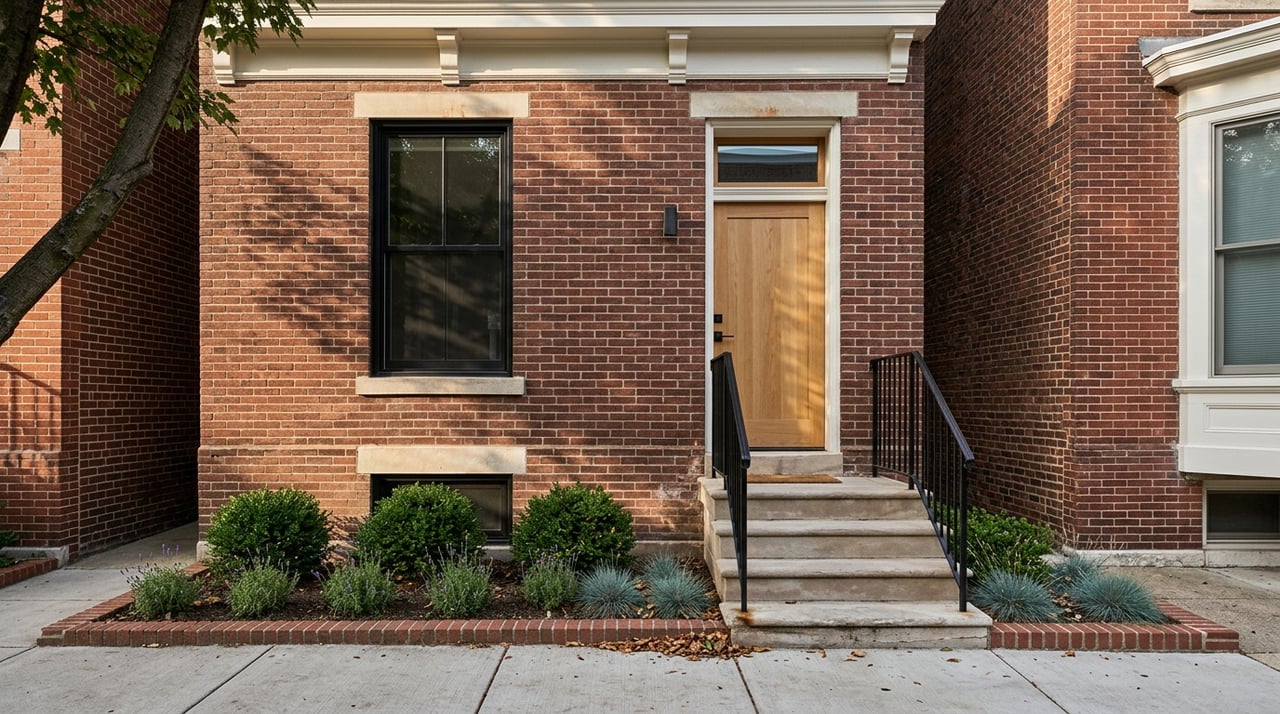
RiNo is an urban infill district with limited land, rapid redevelopment, and a wide mix of property types. That mix makes valuation harder, especially when recent closed sales do not fully reflect the current pace of demand.
- Limited comparable sales. Converted warehouses, boutique condos, and one-off floor plans can leave appraisers with few truly similar sales.
- Strong demand for walkable living. Restaurants, breweries, art venues, and proximity to downtown pull buyers in, which can push contract prices ahead of recent comps.
- New construction and custom upgrades. Unique finishes and new-build pricing can outpace nearby sales data the appraiser must rely on.
- Investor and cash activity. More cash deals can lift prices without creating lender-based comparable sales for appraisers to use.
How to prepare before you offer
Strong preparation reduces surprises later. A few focused steps can protect your budget and still keep your offer competitive.
- Get hyper-local comps. Ask your agent to pull the closest closed sales, plus relevant pending and active listings for the last 30 to 90 days. Focus on the same building, block, or property type when possible.
- Plan your cash cover. Decide the maximum cash you can contribute to a gap without straining your reserves. Line up proof of funds.
- Talk to your lender early. Confirm how your loan amount is set relative to the appraisal. Ask about their reconsideration of value policy and whether a second appraisal is possible if needed.
- Structure a smart offer. Consider a limited appraisal gap guarantee instead of waiving your appraisal protection entirely. Capping your exposure can make your offer competitive while managing risk.
Choose the right appraisal contingency
- Full appraisal contingency. You can cancel or renegotiate if the appraisal is low. This protects your earnest money but may be less competitive in multiple offers.
- Capped appraisal gap guarantee. You agree to pay a set amount toward any gap. If the gap exceeds your cap, you can renegotiate or cancel per the contract.
- Waived appraisal contingency. You remove appraisal protection to stand out. This is higher risk because you take on the full difference if the appraisal is low.
If your appraisal comes in low
If the number is not what you hoped, you still have options. The right move depends on your contract terms and lender program.
- Pay the gap in cash. This is the fastest solution if you have funds, but it reduces your liquidity.
- Renegotiate the price. You and the seller can reduce the price or split the difference. Sellers may be open to keeping the deal intact.
- Request a review or second appraisal. Your lender can consider a reconsideration of value, or in some cases order a second appraisal based on their policies.
- Cancel if allowed. If you have an appraisal contingency and cannot bridge the gap, you may be able to terminate and protect your earnest money by the deadline in your contract.
- Adjust your loan structure. You may increase your down payment to preserve your target loan-to-value or consider a different loan program if available.
Loan program considerations
- Conventional loans. Lenders generally use the appraised value to determine loan-to-value. You can ask for a reconsideration and provide better comps.
- FHA and VA loans. Appraisals include condition and property guidelines. Required repairs can impact timing and value.
- Jumbo loans. Policies vary by lender. Flexibility may differ, but value still guides approval.
How to support a reconsideration of value
- Provide nearby closed sales the appraiser may have missed, ideally in the same building or block.
- Include pending sales context and proof of multiple offers if available. Pending sales carry less weight than closed comps but can help.
- Document unique features and upgrades with photos and itemized costs when market-supported.
- For condos, include HOA financials, assessments, and relevant building data that affect value.
RiNo condos, new builds, and live-work units
Condos in RiNo often hinge on the health of the HOA, building-specific comps, and special assessments. Unique floor plans and limited recent sales in the same building can lead to more conservative appraisals.
New construction may appraise lower when there are few closed sales to support list pricing. Ask the builder for the most recent closed comps within the project. Be prepared for a review or supplemental appraisal and have a plan for a modest gap if needed.
Live-work or mixed-use homes can add complexity. Zoning, income potential, and use restrictions affect which comps are appropriate. Your agent can help frame the property for the appraiser with clear, factual details.
Two quick scenarios
- Scenario A: Condo in RiNo under contract at 650,000. The appraisal comes in at 610,000. You planned 20 percent down on a conventional loan. Options include paying the 40,000 gap, renegotiating the price, or splitting the difference with the seller. If you waived appraisal protection, you are responsible for the difference or you risk closing issues.
- Scenario B: New construction townhome at 900,000 with few nearby comps. Your agent and the builder provide recent closed sales in the same parcel to the lender. After a lender review, you choose to cover a modest gap to keep the contract.
Buyer checklist for RiNo
Use this list to prepare your budget and your offer.
- Confirm current median price and price per square foot for RiNo using MLS or local reports.
- Ask your lender: How is my maximum loan calculated if the appraisal is low? Do you allow reconsiderations or second appraisals? What are the timelines?
- Decide your cash cushion and how you would fund an appraisal gap guarantee if needed.
- Have your agent compile 5 to 10 of the closest closed comps and relevant pending sales for the appraiser.
- For condos: gather HOA financials, insurance, and any special assessment details.
- Review contract options with your agent and consult an attorney if you want legal advice about clause language.
Risks to weigh before you waive
- Loss of earnest money. If you remove appraisal protection or miss a deadline, you could lose your deposit if you cannot close.
- Extra cash needs. Paying a gap reduces reserves and can affect future mortgage qualification or your comfort level after closing.
- Overpaying risk. If your price is far above market, refinancing or selling later could be more difficult.
- Seller-side risks. Low appraisals can add time and uncertainty. Understanding the seller’s position can help you negotiate a fair solution.
Colorado contracts and timing
Colorado buyers and sellers typically use standardized forms that include clear appraisal and objection deadlines. Know your appraisal objection date, resolution date, and loan deadlines so you can act quickly if value comes in low. Ask your agent to stay on top of timing, and consult an attorney if you need legal advice on your rights or contract language.
Ready to compete in RiNo?
You can write a confident offer in RiNo when you know your numbers, your plan, and your limits. With the right comps, a clear appraisal strategy, and a tailored contingency, you can protect your budget and still stand out in multiple offers.
If you are weighing an appraisal gap guarantee or deciding how much cash to set aside, our local team can help you model scenarios and craft a smart offer. Hablamos español. Connect with Luxe Realty to schedule a quick strategy call.
FAQs
What is an appraisal gap in RiNo and why does it happen?
- It is the difference between your contract price and the appraised value used by your lender, which is common in RiNo due to limited comparable sales, rapid redevelopment, and strong buyer demand.
Can I make my lender raise the loan if the appraisal is low?
- No. Lenders base the loan on the lesser of the purchase price or the appraised value under program rules, though you can request a reconsideration of value.
Who usually pays for a second appraisal in Denver transactions?
- Policies vary, but the buyer often pays if the lender allows a second appraisal, unless there is a different agreement with the seller.
Are appraisals different for RiNo condos or new construction?
- Yes. Condos depend heavily on HOA health and comparable condo sales, while new construction often lacks enough closed comps, which can lead to lower appraised values.
Is waiving the appraisal contingency safe in competitive RiNo offers?
- It can strengthen your offer but increases your financial risk because you take on the full difference if the appraisal is low; consider a capped guarantee instead.
Can appraisal issues delay closing timelines in Colorado?
- Yes. Low values, required repairs on certain loans, and reconsideration reviews can add time, which makes knowing your contract deadlines essential.