Rent can feel predictable until you realize how little control it gives you. If you are thinking about buying your first place in Capitol Hill, you are probably weighing monthly cost, walkability, building condition, and whether condo ownership really makes sense for your lifestyle. The good news is that Capitol Hill offers a wide mix of condo options, and with the right guidance, you can shop smarter and avoid common first-time buyer surprises. Let’s dive in.
Why Capitol Hill Appeals to First-Time Buyers
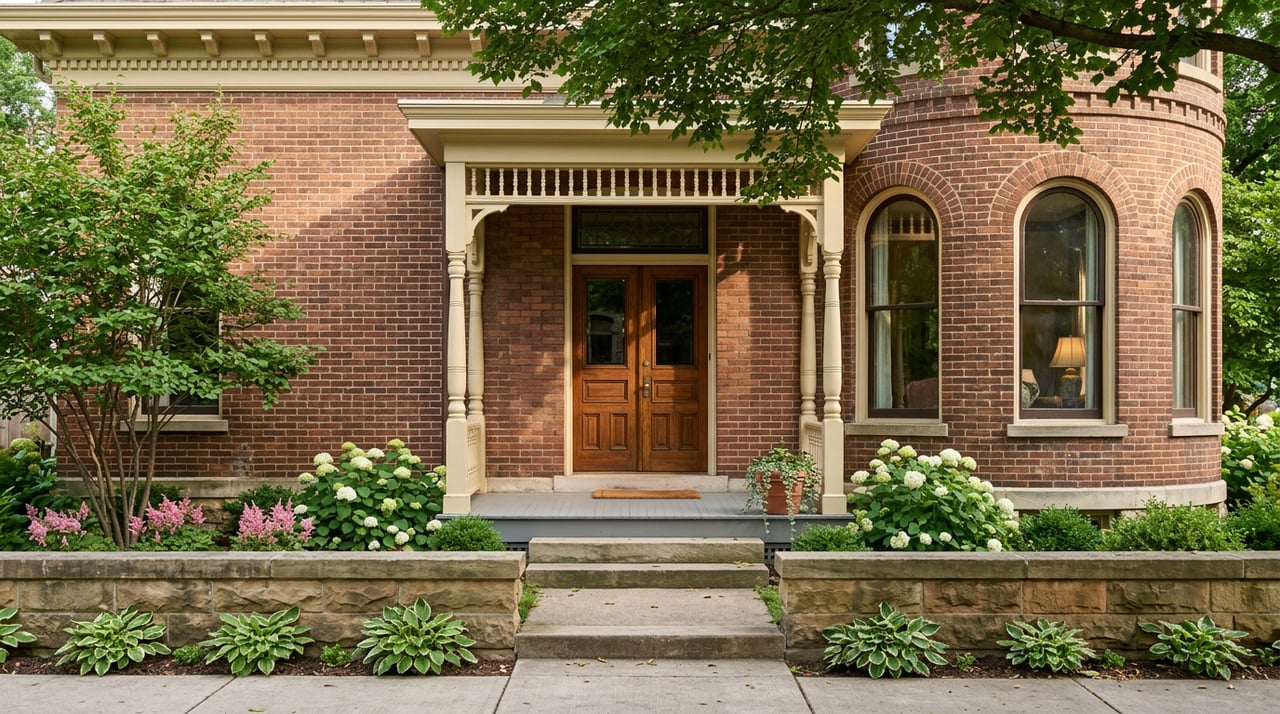
Capitol Hill stands out because it blends history, city convenience, and everyday livability. According to the Denver Public Library’s neighborhood history guide, the area evolved from a mansion district into a neighborhood with older homes, apartments, condos, and newer townhomes.
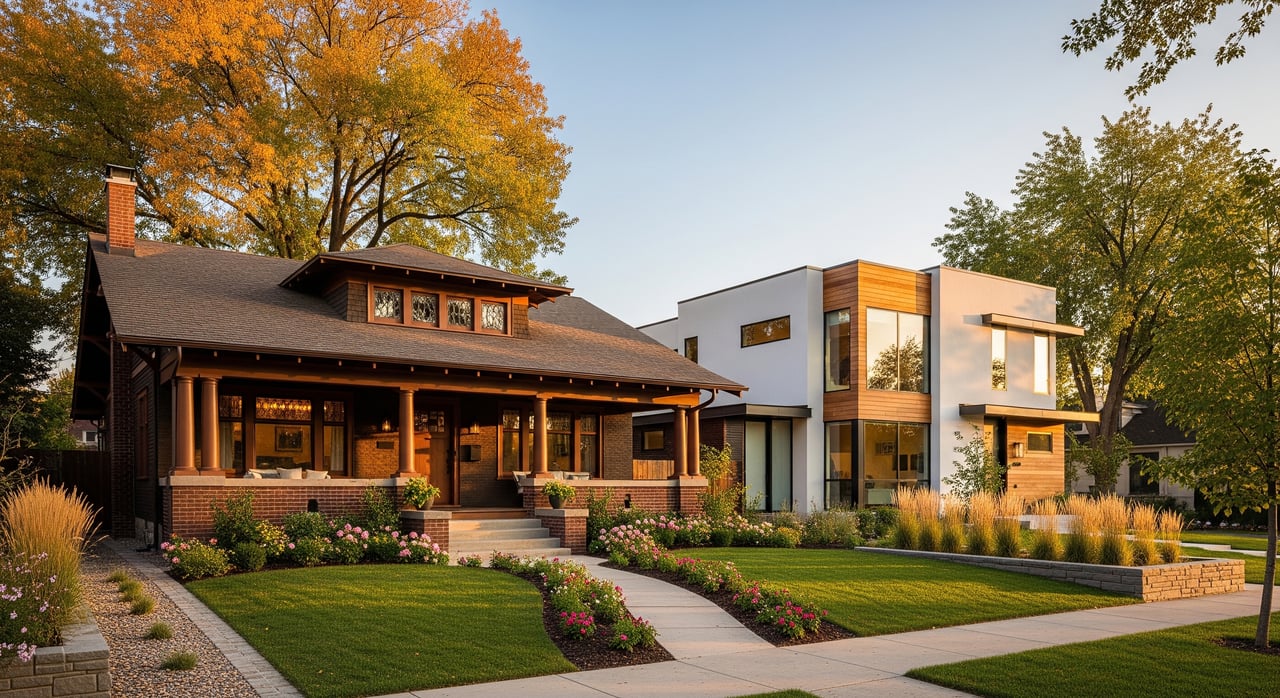
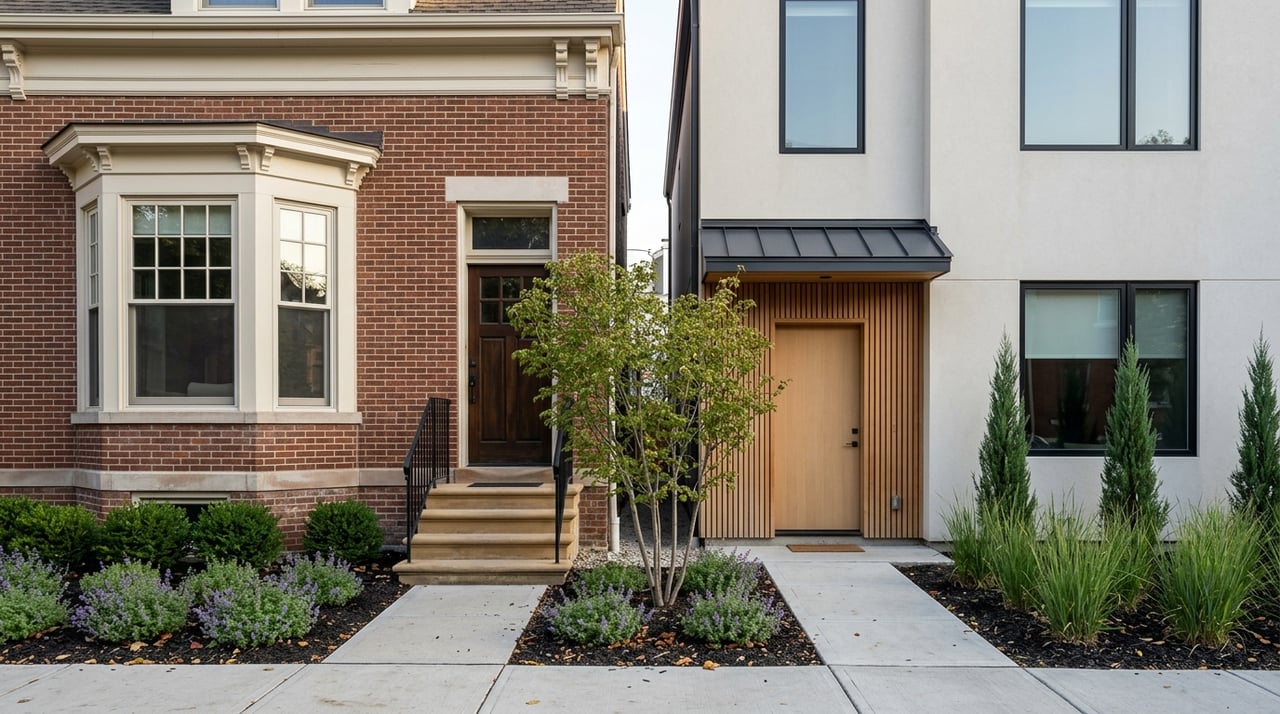
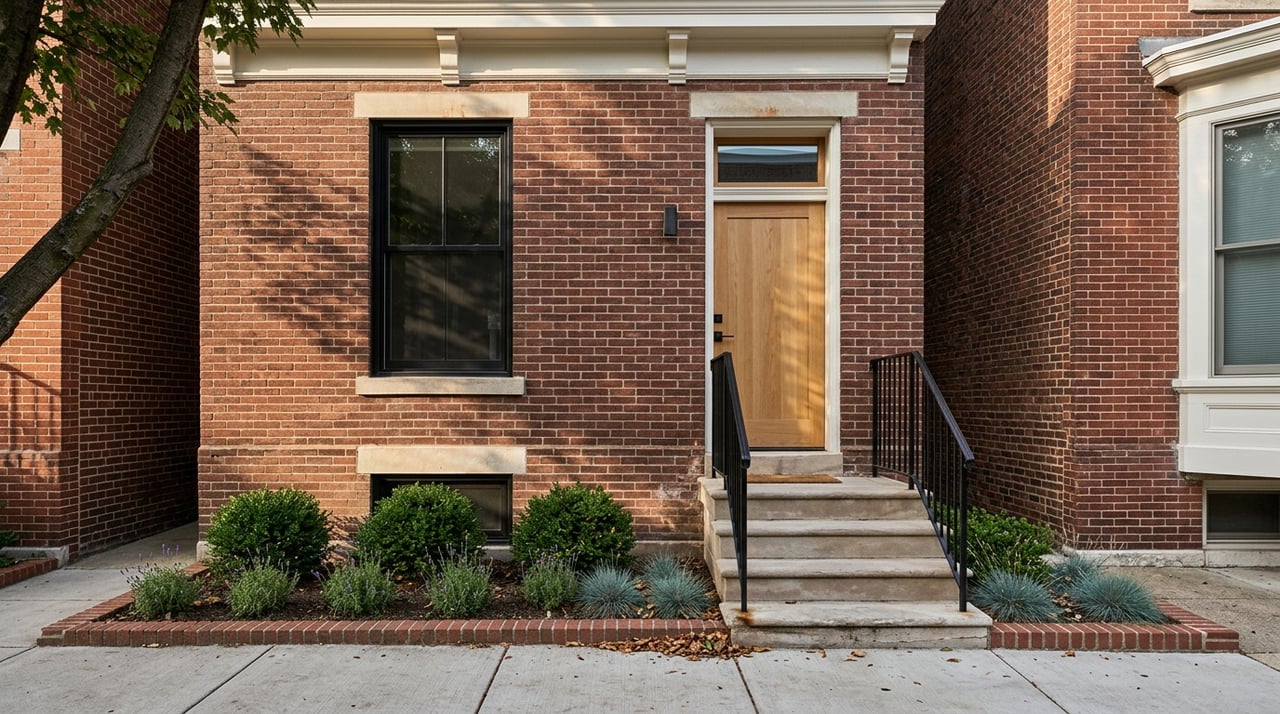
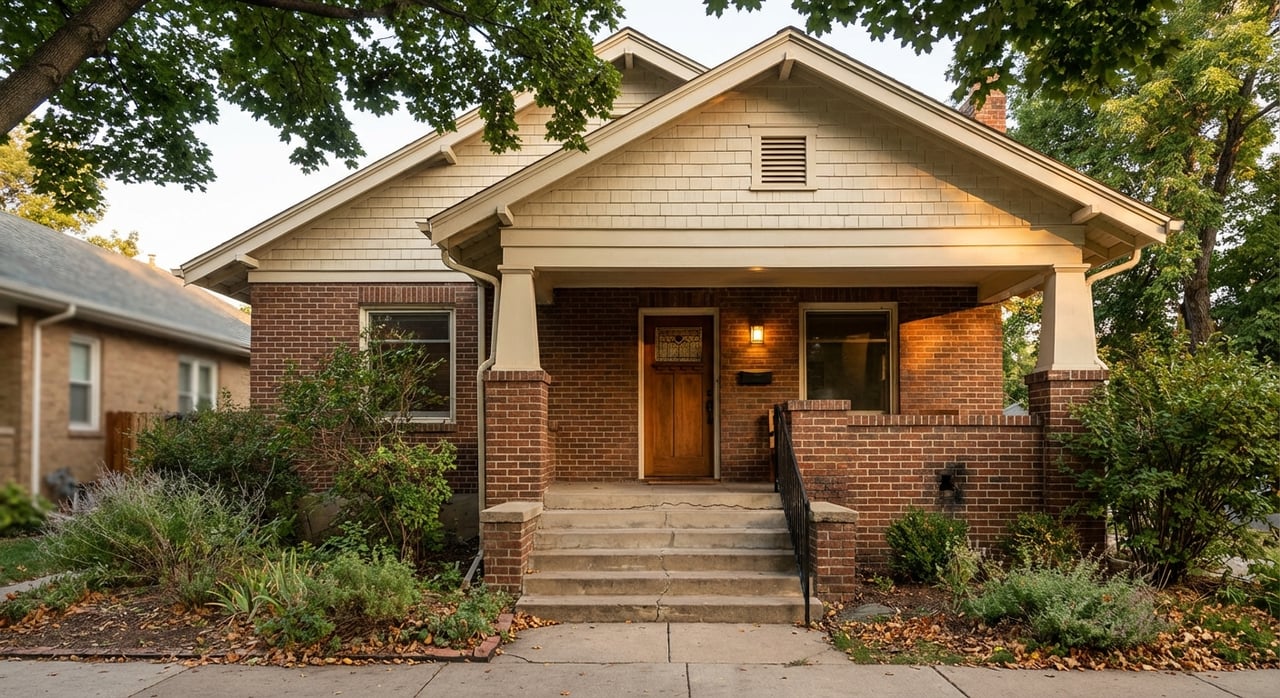
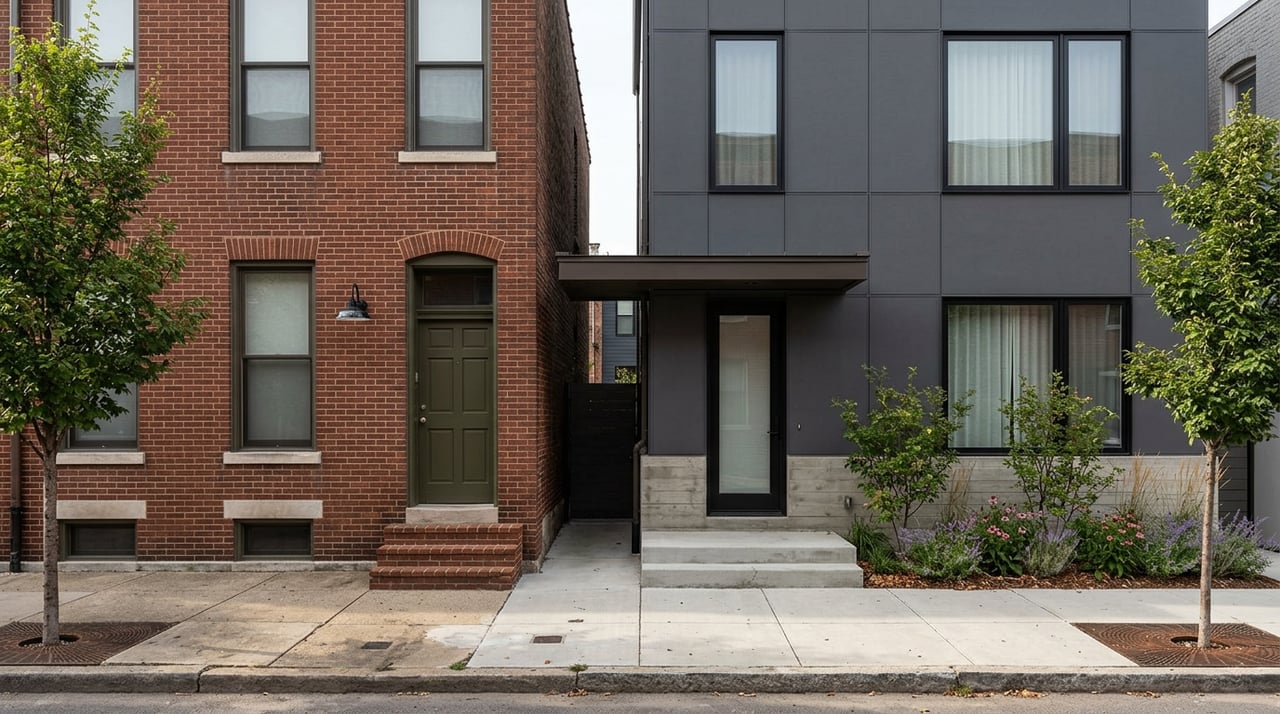
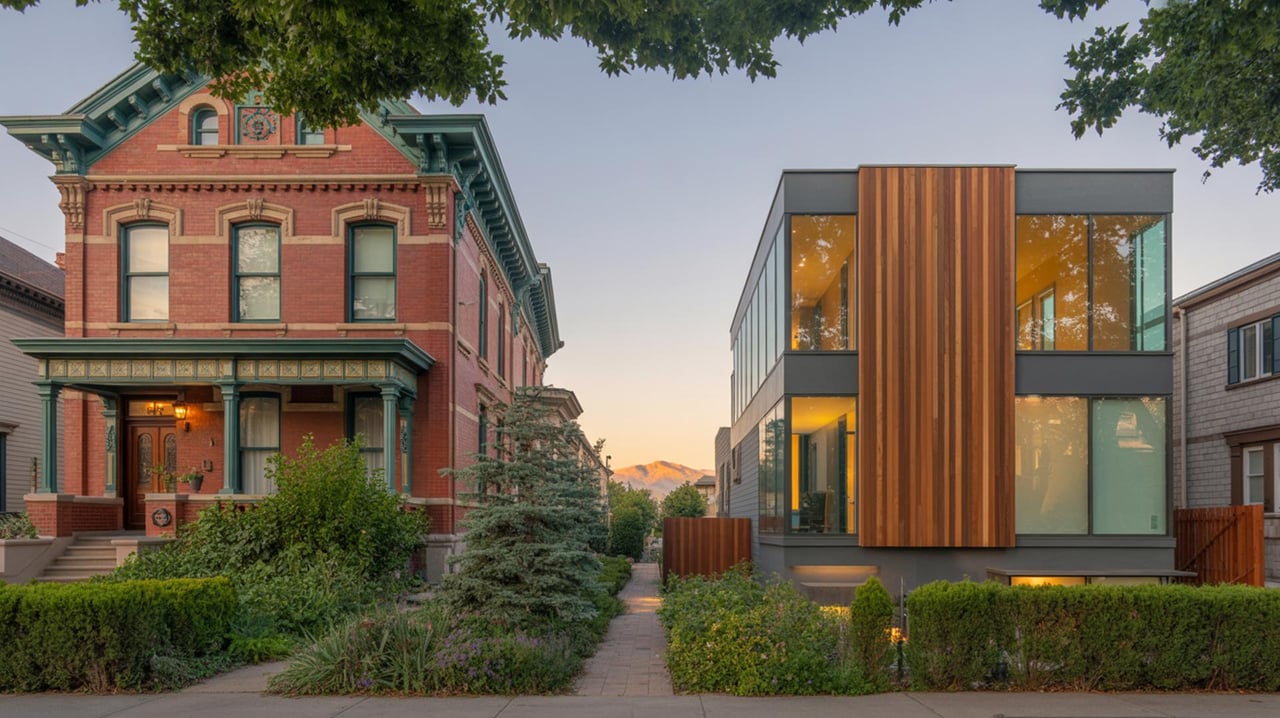
That mix gives you more than one version of condo living. You might find a historic conversion with vintage details, an older walk-up with a lower-key feel, or a newer building with more modern finishes. In Cap Hill, your experience often depends more on the building than the block.
The neighborhood also offers strong location convenience. VISIT DENVER describes Capitol Hill and nearby Golden Triangle as an arts-and-culture district with the Colorado State Capitol, Civic Center Park, museums, galleries, restaurants, coffeehouses, nightlife, and an easy-to-explore-on-foot layout.
Outdoor access is part of the appeal too. Cheesman Park spans 80 acres and sits in the heart of one of Denver’s most densely populated neighborhoods, giving residents a major green space nearby.
Why Cap Hill Condos Feel Different
Capitol Hill is not the kind of neighborhood where every condo search looks the same. The housing stock is mixed, and that means two units with similar square footage can come with very different ownership realities.
One building may have older systems, a different maintenance history, and a very different HOA than another building a few blocks away. That is why buying here is often less about picking a neighborhood and more about choosing the right building.
This matters because condos are shared communities, not just individual units. Fannie Mae explains that project condition, insurance, and litigation can affect the entire condo project since owners share financial responsibility for common elements.
Think Beyond the Mortgage Payment
One of the biggest shifts from renting to owning is learning what your true monthly housing cost looks like. With a condo, your payment picture usually includes more than principal and interest.
The Consumer Financial Protection Bureau says HOA dues are usually paid directly to the association and are not included in your mortgage payment. Those dues can range from a few hundred dollars a month to more than $1,000, so they need to be treated as their own budget line.
Lenders also generally require homeowner’s insurance, which adds another monthly or annual cost to plan for. If you are comparing renting versus owning, make sure you are looking at the full number, not just the loan payment.
Why Financing Can Make or Break a Deal
A condo purchase is not only about whether you qualify for a loan. It is also about whether the building meets lending standards.
For FHA financing, HUD says condo projects must meet requirements related to insurance coverage, financial condition, title, pending legal action, and physical condition. HUD also notes that single-unit approval may be possible in some non-approved projects if the project has at least five dwelling units and is complete and ready for occupancy.
For conventional financing, Fannie Mae says lenders use Condo Project Manager to review whether a project meets requirements. Common issues that can make a project ineligible include critical repairs, inadequate insurance, significant litigation, and condo-hotel or short-term-rental-style operations.
This is why a beautiful unit is not always the right unit. If the project has unresolved problems, financing can become more difficult even when you are otherwise ready to buy.
A Smart Renter-to-Owner Path
If you want a smoother first purchase in Capitol Hill, a step-by-step approach helps. Here is the path many buyers benefit from most.
Start With Condo-Savvy Pre-Approval
Before you fall in love with a listing, talk with a lender who understands condo lending. The Colorado HOA office recommends asking whether the lender has experience with HOA questionnaires and condo-related due diligence.
That matters because condo underwriting can move differently from a single-family home purchase. A lender with project experience can help you spot possible issues earlier.
Choose the Building First
In Capitol Hill, building-by-building differences matter. Because the neighborhood includes historic buildings, older conversions, and newer condos, the unit itself is only part of the story.
When you tour, pay attention to the overall condition of common areas, the age of the building, and how the property is managed. Your long-term ownership experience will be shaped by those factors just as much as your interior finishes.
Review HOA Documents Early
After contract acceptance, HOA review becomes one of the most important parts of the process. The Colorado Division of Real Estate says buyers can access CC&Rs from the county clerk and recorder before going under contract, while fuller HOA documents are typically reviewed after a contract is in place.
The same Colorado HOA guidance on due diligence recommends reviewing:
- The declaration and plat map
- Assessments and restrictions
- Physical condition concerns
- Litigation risk
- HOA registration status
- Signs of deferred maintenance
- Possible special assessments
This step can tell you a lot about how the association operates and whether future costs may be on the horizon.
Confirm the Project Is Financeable
Do not assume the lender review will be simple just because the unit looks updated. Condo financing depends on the project as a whole.
Both HUD and Fannie Mae emphasize that project health affects loan eligibility. If the association has unresolved repairs, weak insurance coverage, or litigation issues, your financing options may narrow.
Build a Real Ownership Budget
Owning in Capitol Hill can still make strong sense for the right buyer, but your monthly plan should reflect reality. Include your mortgage, HOA dues, insurance, and a cushion for expected ownership costs.
A clear budget helps you shop with confidence. It also protects you from stretching too far for a payment that looks manageable only on paper.
What to Watch in Older Condo Buildings
Many Capitol Hill buyers love the character of older buildings, and for good reason. Historic and older properties can offer charm, location, and architectural details that are hard to replicate.
At the same time, older buildings can come with more questions about maintenance, reserves, and future repairs. The Colorado Division of Real Estate notes that under CCIOA, associations must have a reserve-study policy addressing timing, funding, and whether the study is physical and financial, though reserve studies themselves are not required to occur.
The agency also notes that some communities created before July 1, 1992 may still be governed under older law. In practical terms, this is another reason to review association documents carefully instead of assuming every HOA operates the same way.
How a Local Guide Helps
Buying your first condo in Capitol Hill is not just about finding a place you like. It is about understanding the building, the HOA, the financing path, and the full monthly cost before you commit.
That is where local, hands-on guidance can make the process feel less overwhelming. When you have someone helping you compare buildings, ask better questions, and stay focused on the full picture, you can move from renter to owner with more clarity and fewer surprises.
If you are thinking about making that move in Capitol Hill, Luxe Realty can help you navigate the process with practical advice, local insight, and personalized support.
FAQs
What makes Capitol Hill condos different from condos in other Denver neighborhoods?
- Capitol Hill has a mixed condo market with historic conversions, older walk-ups, and newer buildings, so comparing building condition and HOA health is often more important than comparing blocks.
What monthly costs should first-time Capitol Hill condo buyers budget for?
- You should budget for your mortgage, HOA dues, and homeowner’s insurance, since HOA dues are usually separate from the mortgage payment.
Why does the condo building matter so much when buying in Capitol Hill?
- The building matters because project condition, insurance, litigation, and association finances can affect both your ownership experience and your financing options.
Can you buy a Capitol Hill condo with FHA financing?
- Possibly, but the project must meet HUD requirements related to insurance, financial condition, legal issues, title, and physical condition, and some projects may qualify through single-unit approval.
What HOA documents should buyers review for a Capitol Hill condo?
- Buyers should review items such as the declaration, plat map, assessments, restrictions, physical condition concerns, litigation risk, HOA registration status, and signs of deferred maintenance or special assessments.