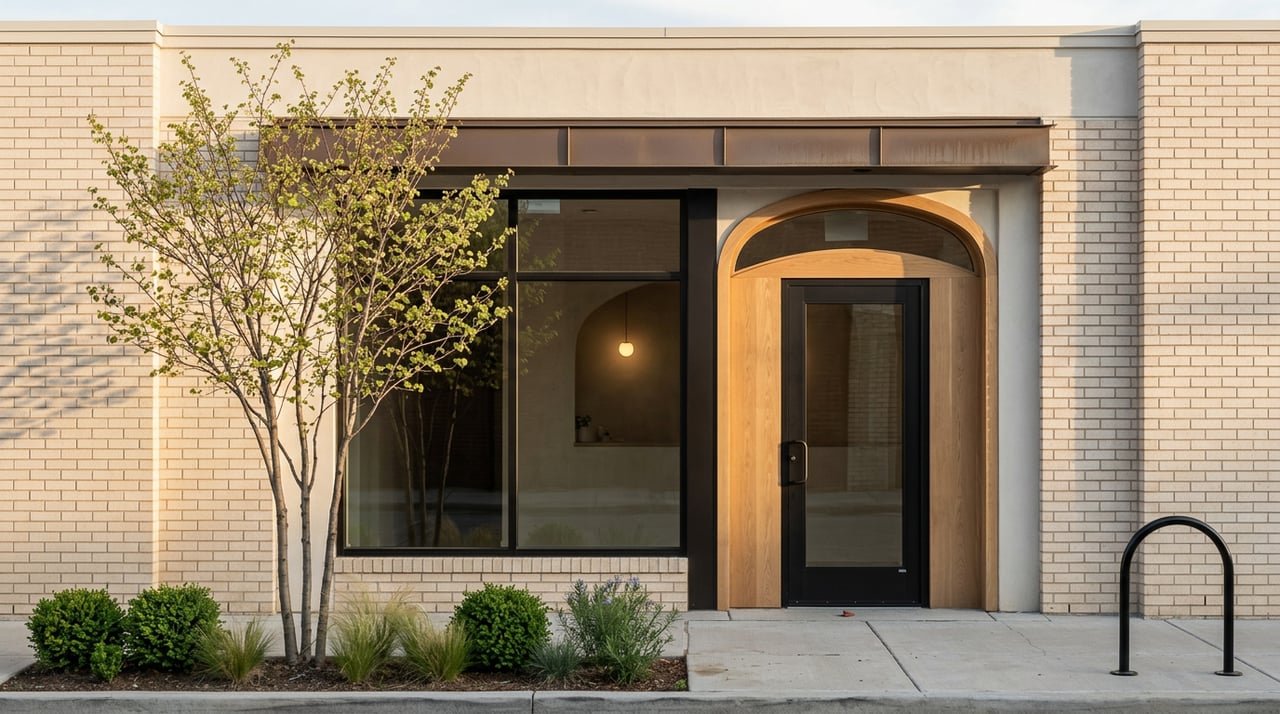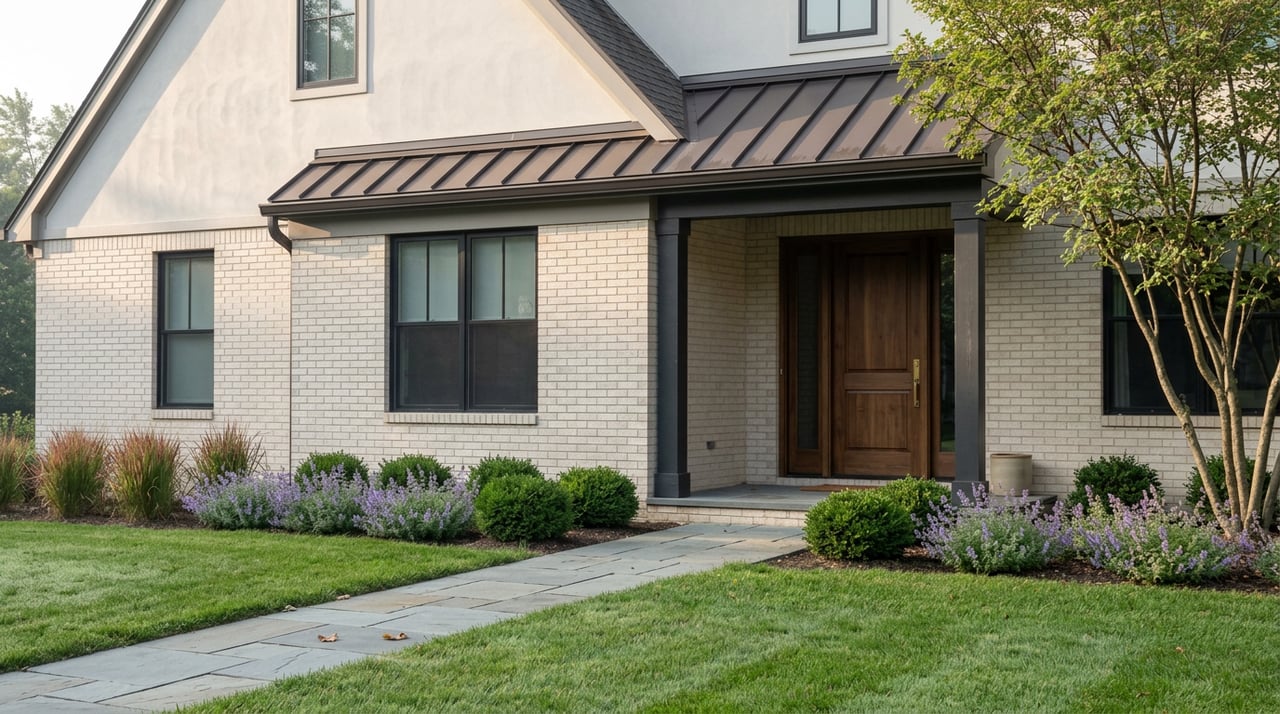
What if your next home in Berkeley could help pay the mortgage? If you like the idea of living near Tennyson Street and turning part of your property into income, house hacking might be your path. In this guide, you will learn practical strategies for duplexes, ADUs, and small multi-unit properties, plus the local rules and financing paths that matter in Denver. Let’s dive in.
Why Berkeley works for house hacking
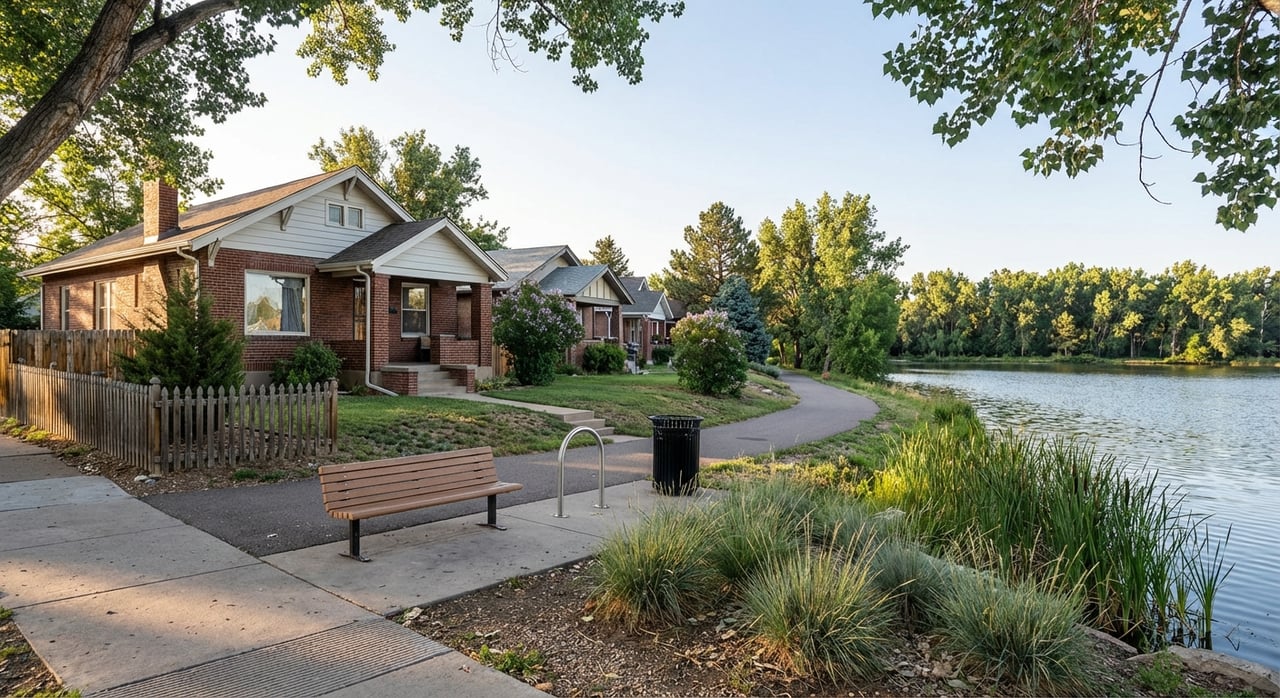
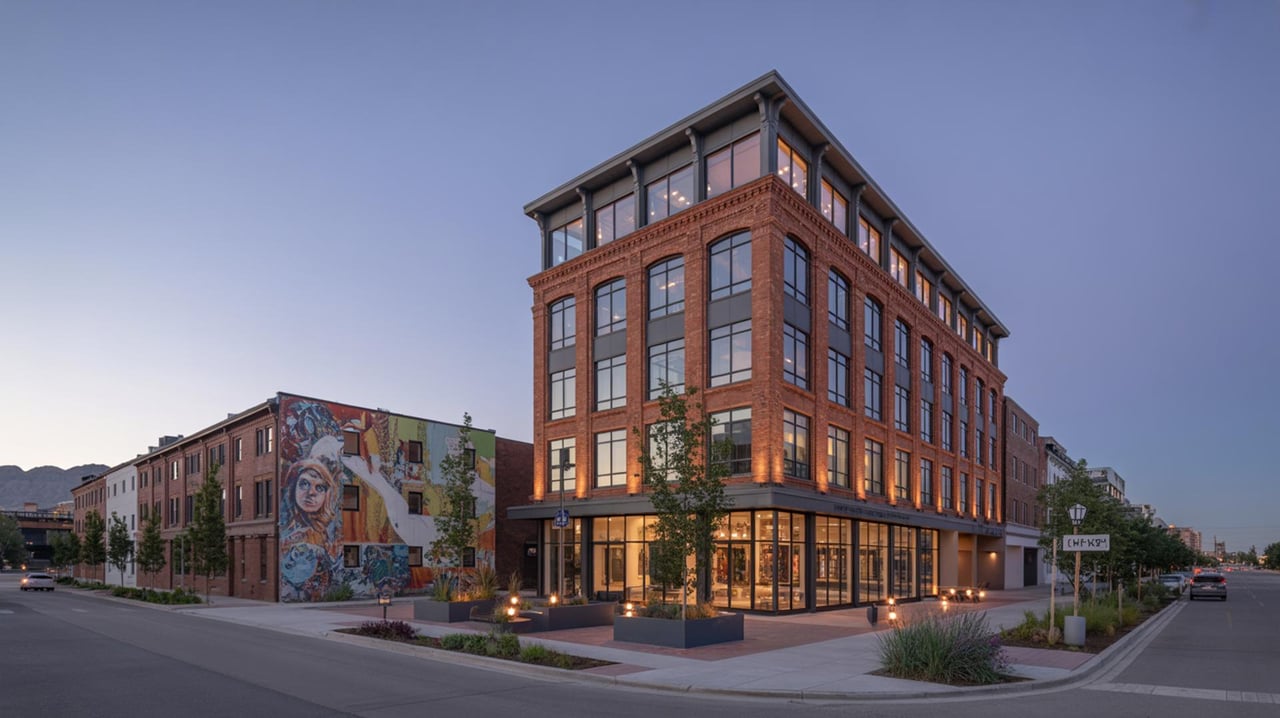
Berkeley sits in northwest Denver, roughly between I-70 and West 38th Avenue, from Federal to Sheridan, with Berkeley Lake Park and the Tennyson Street corridor at its heart. This mix of parks, shops, and easy access is a strong draw for renters and owners alike. You can explore the neighborhood’s background and boundaries in the city overview on Wikipedia’s Berkeley page.
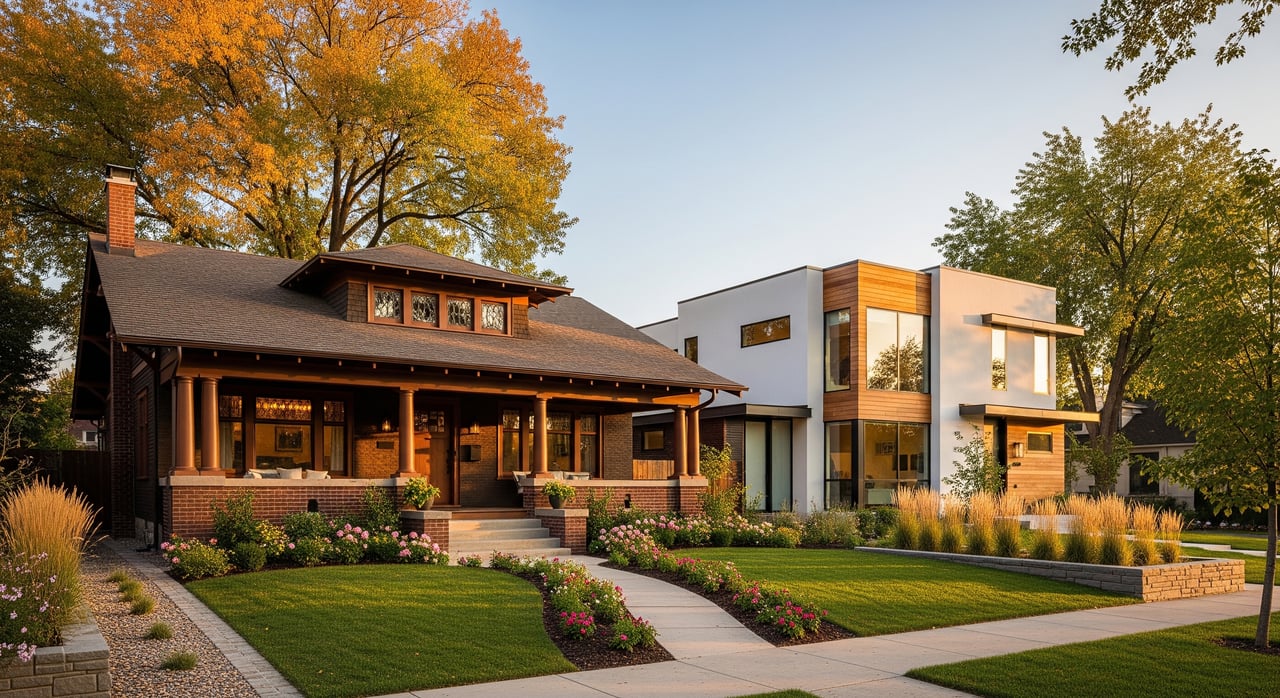
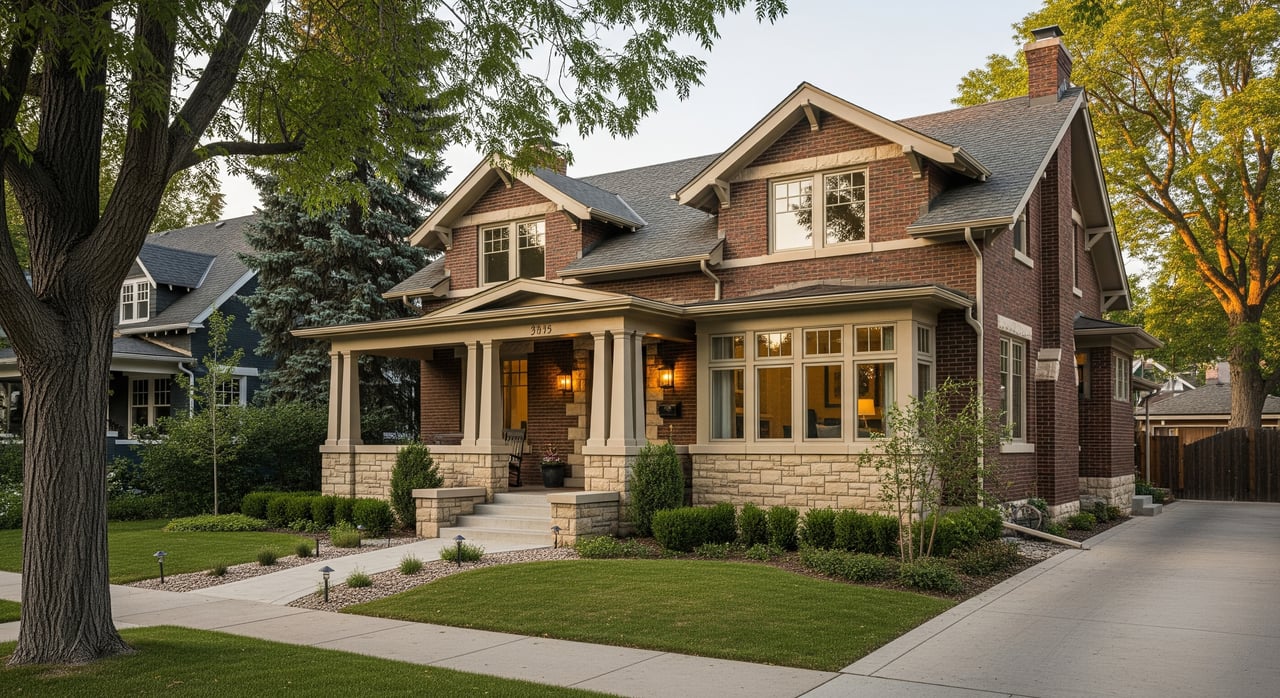
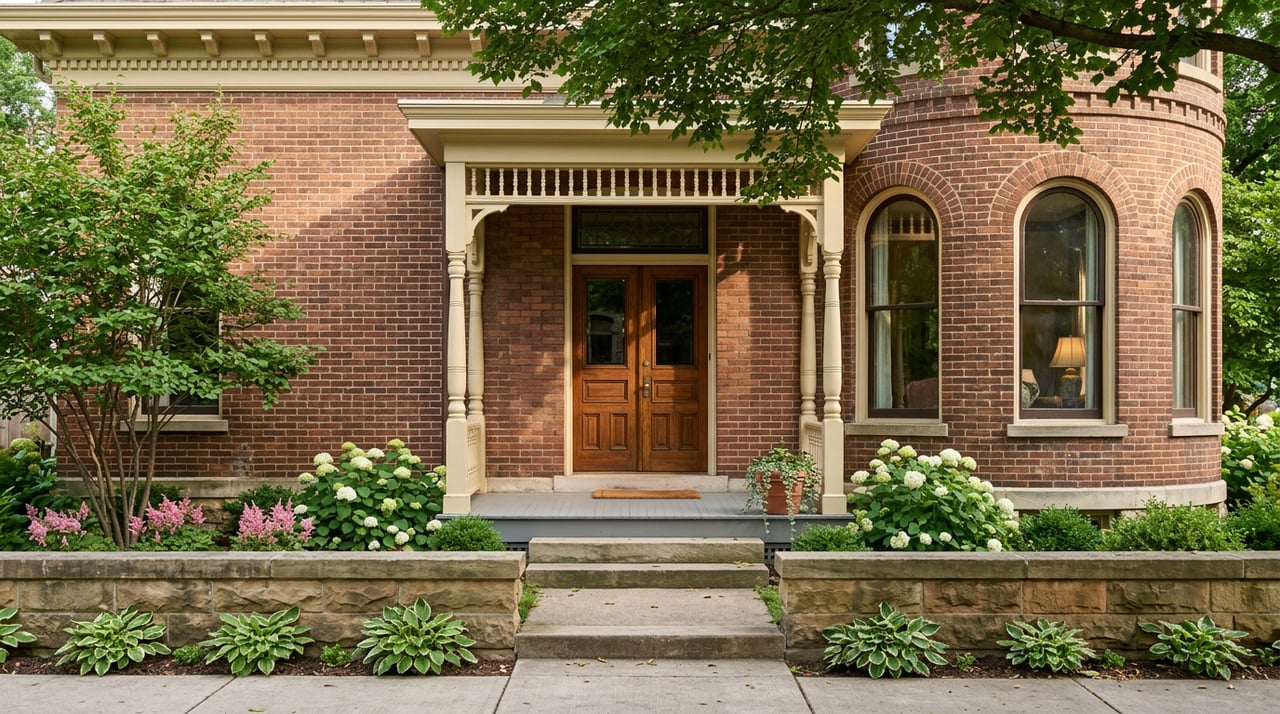
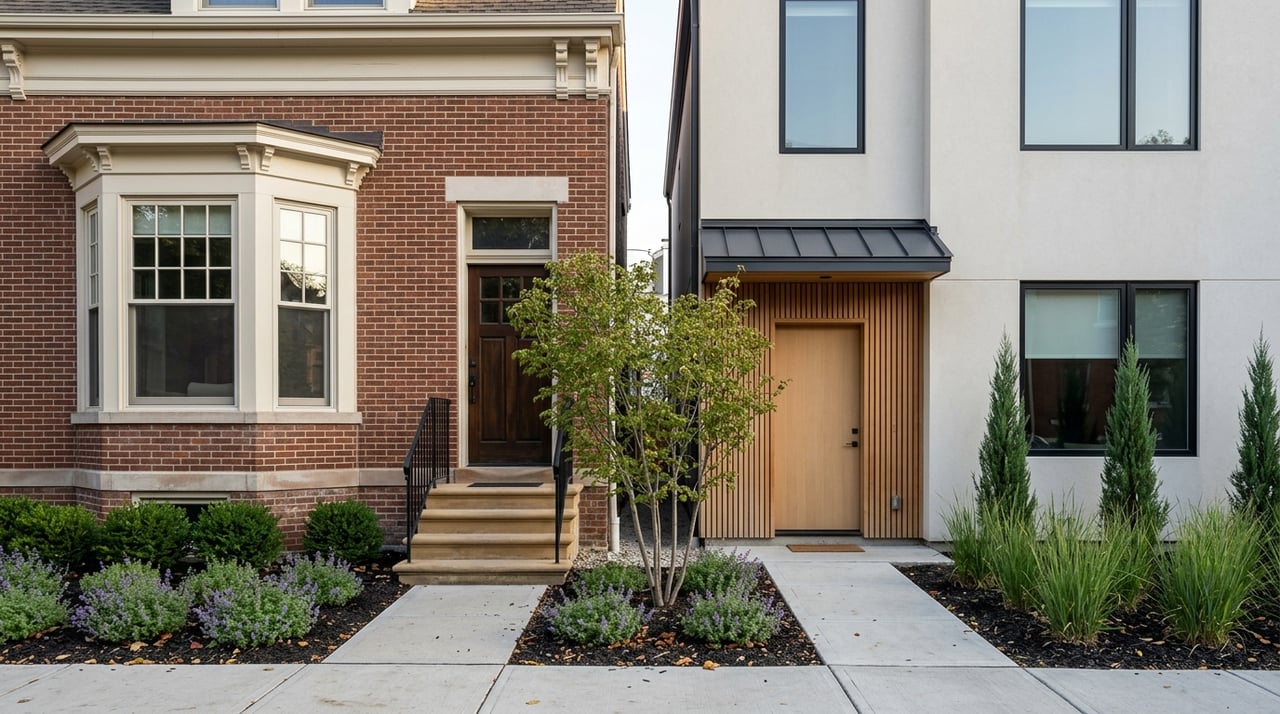
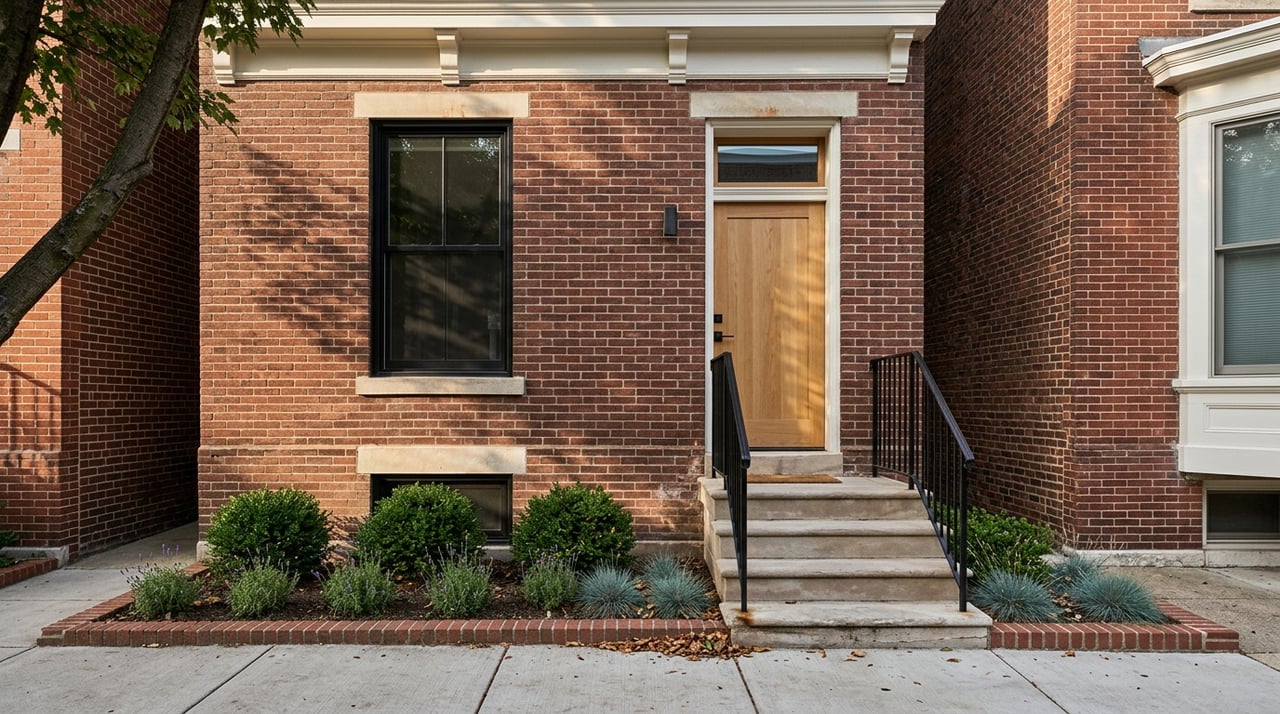
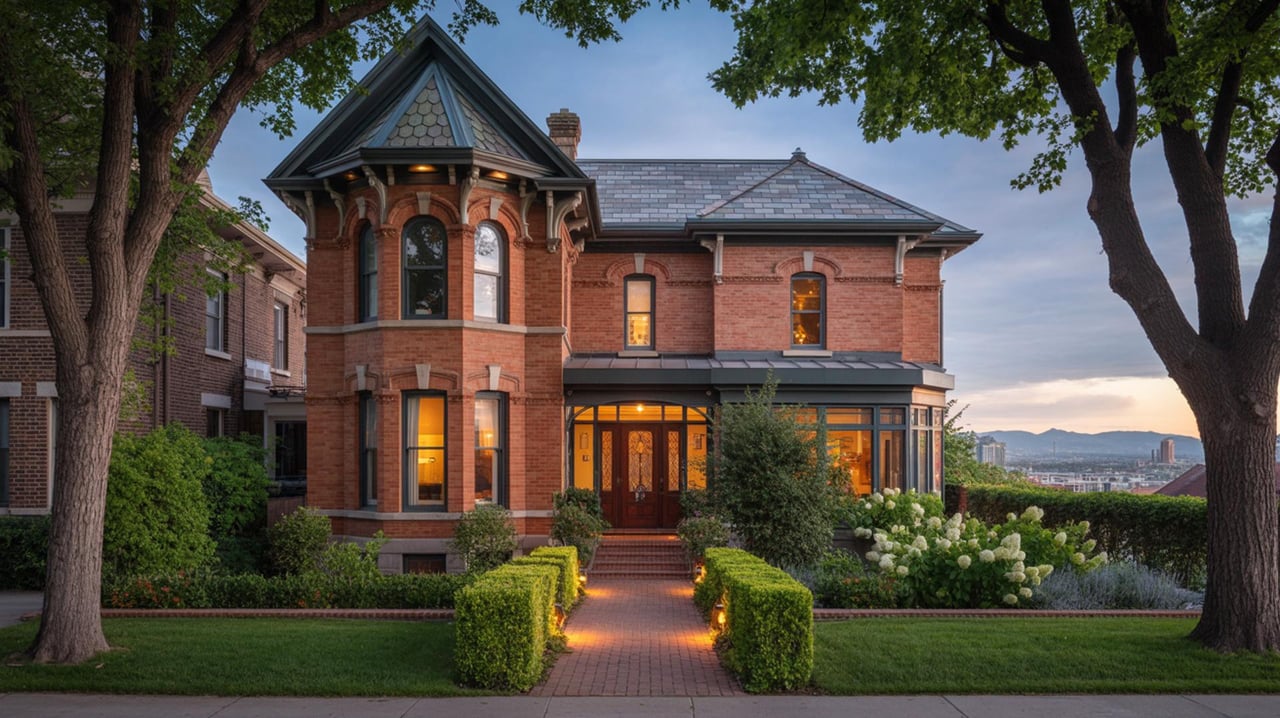
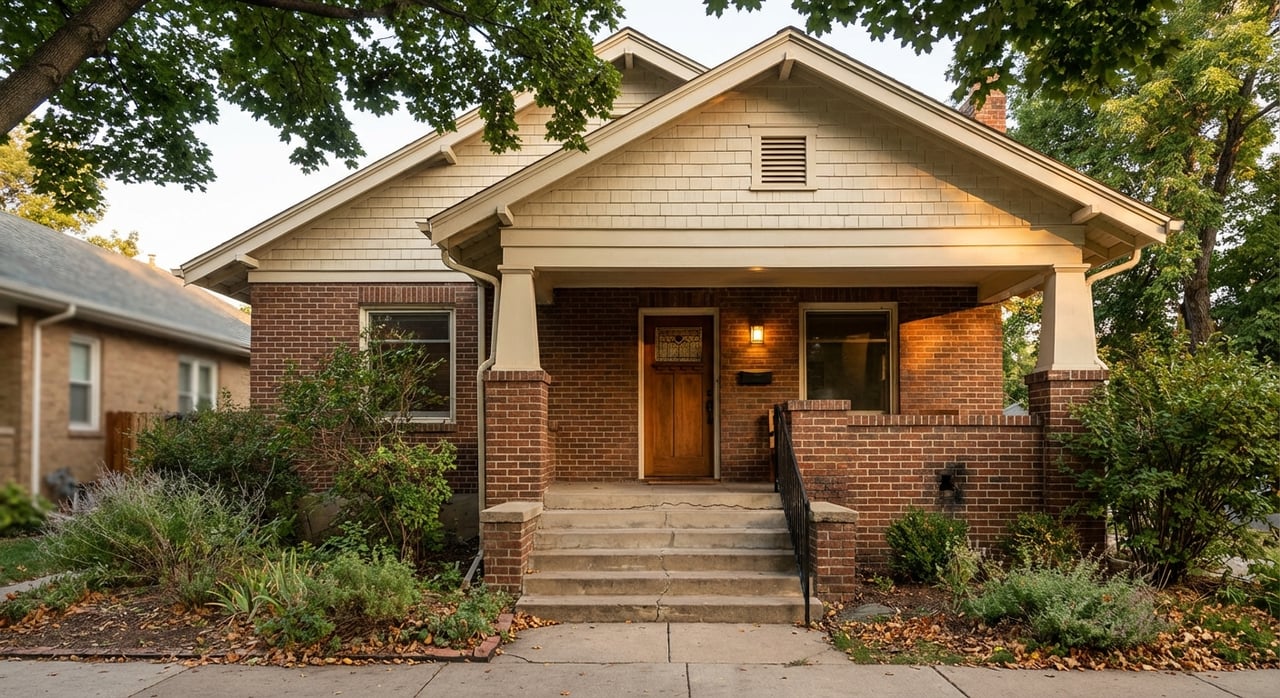
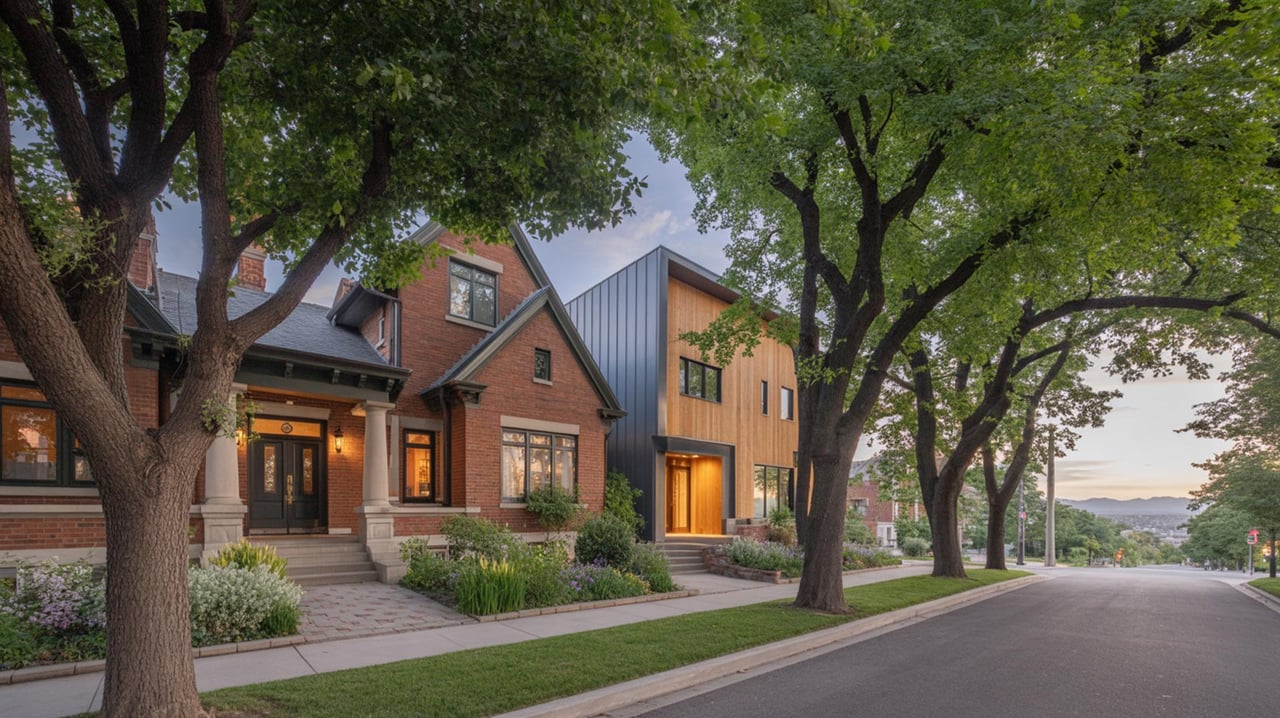
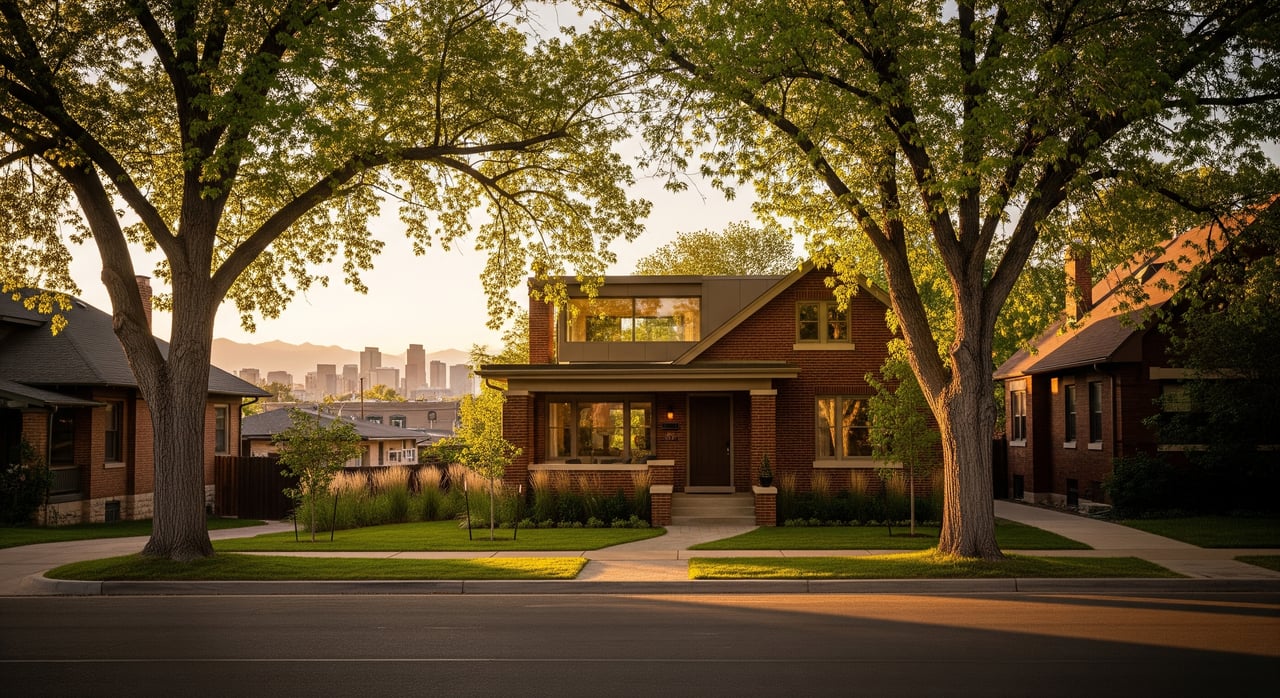
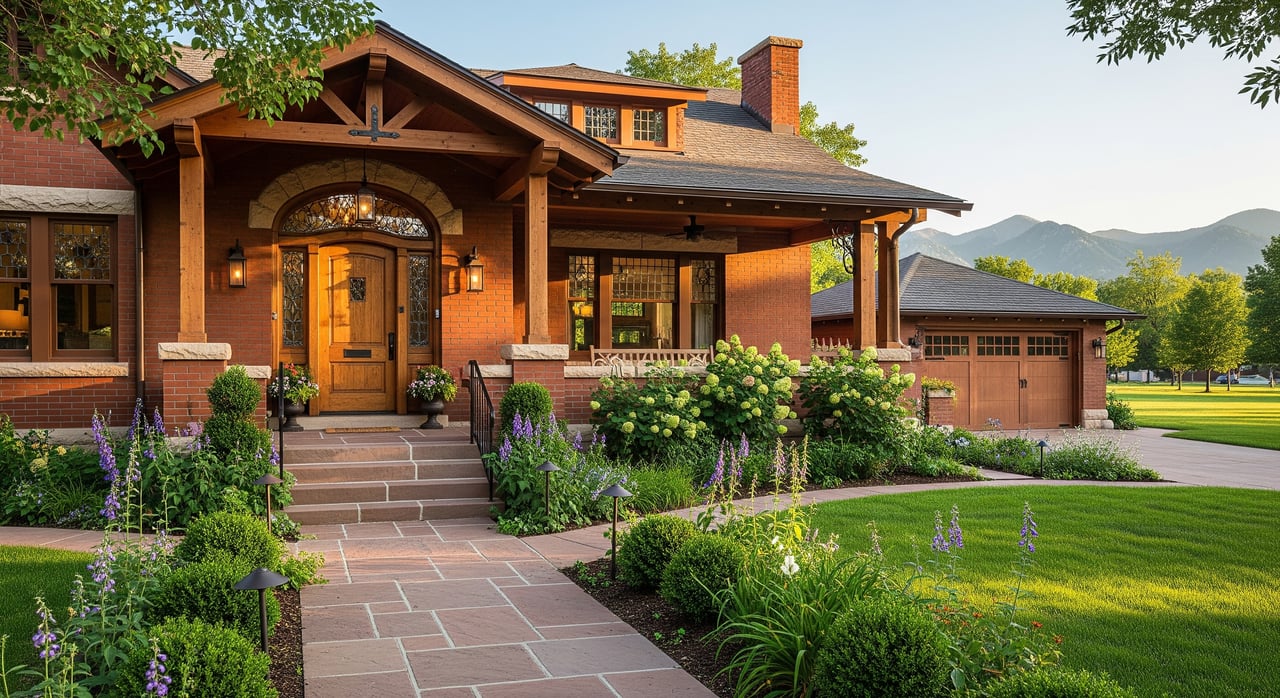
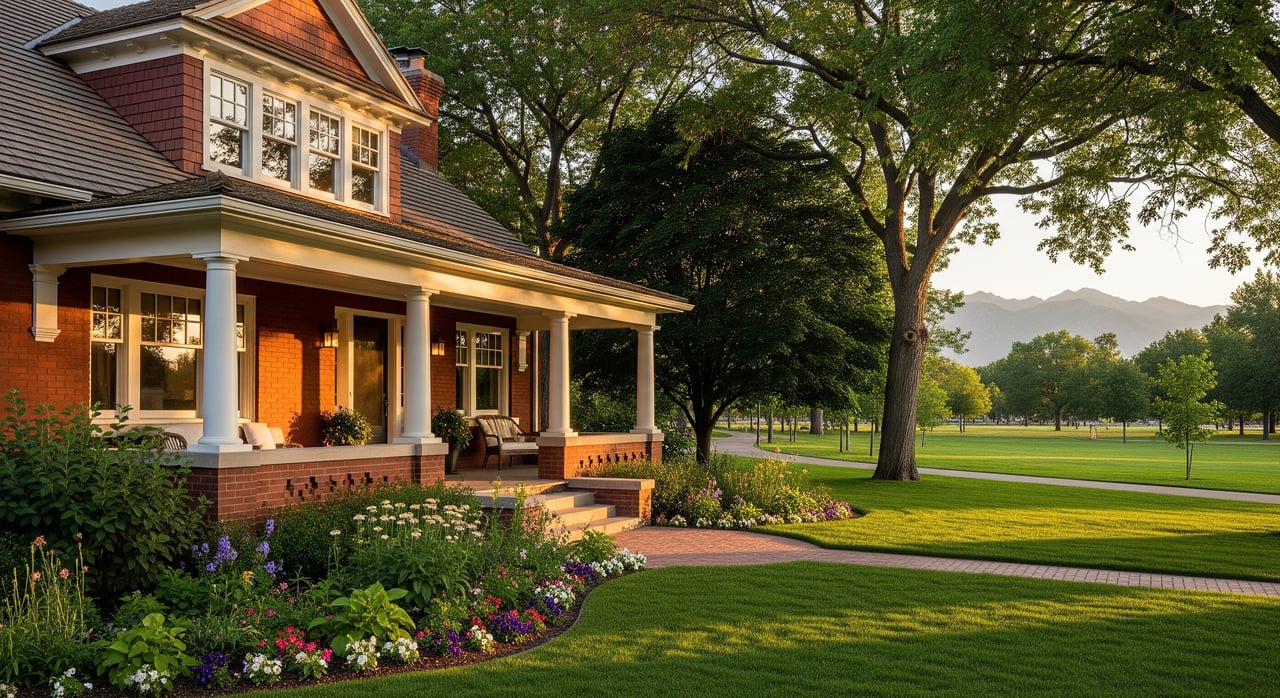
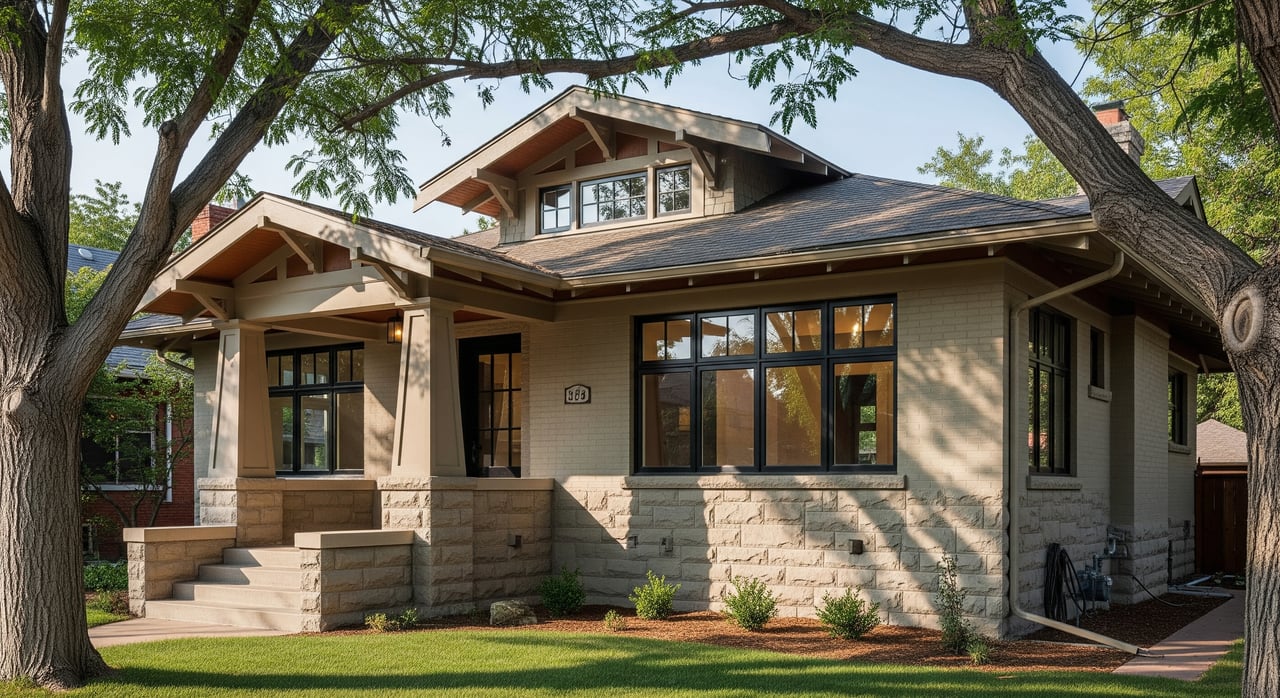
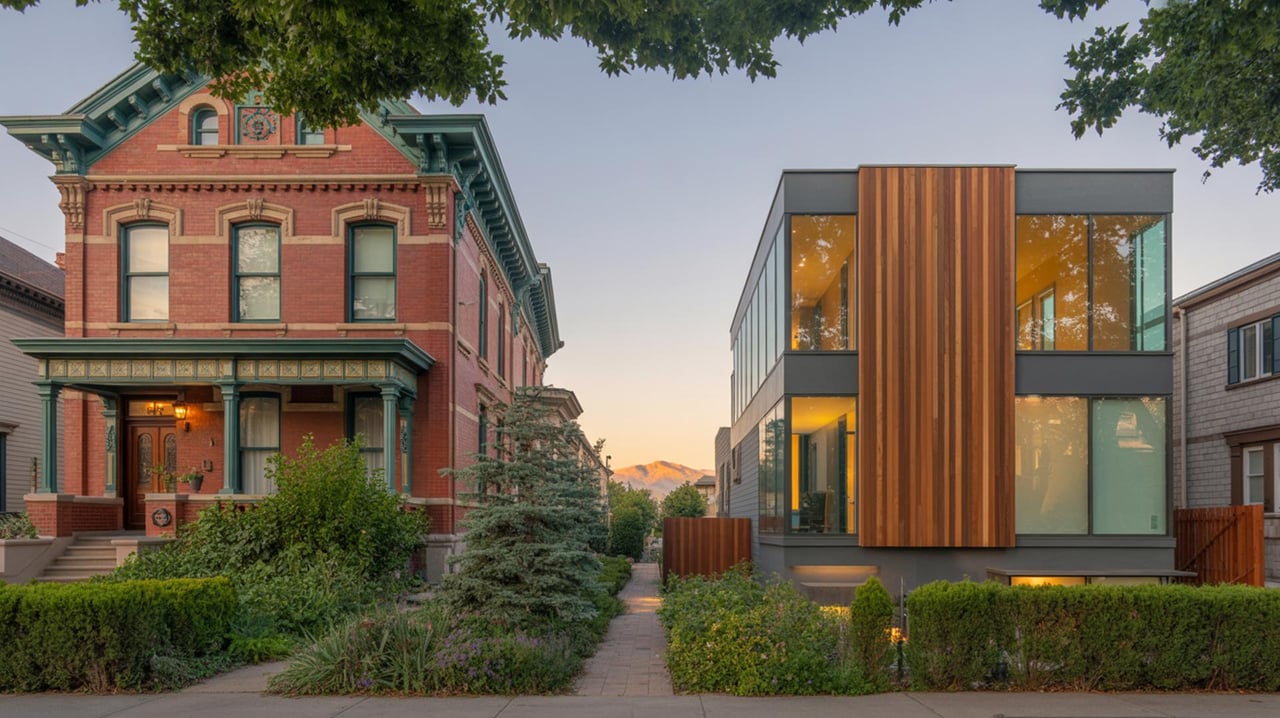
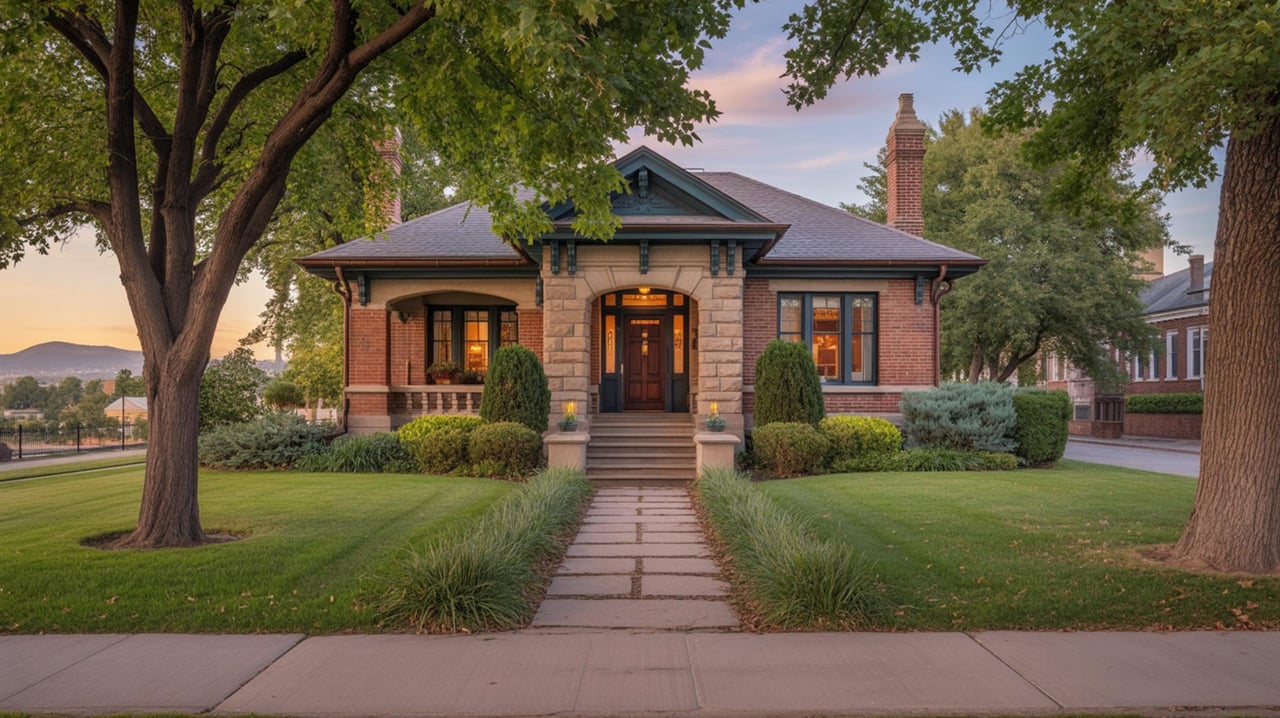
You will find early 1900s bungalows, brick duplexes, small multi-unit buildings, and newer infill townhomes. That variety creates entry points for living in one unit and renting another, or adding an ADU later. As a neighborhood benchmark, Realtor.com showed a median listing price around $810,500 and a median rent near $2,225 per month in early 2026. Treat those as a reference point, not a rule for every block or property.
Three ways to house hack in Berkeley
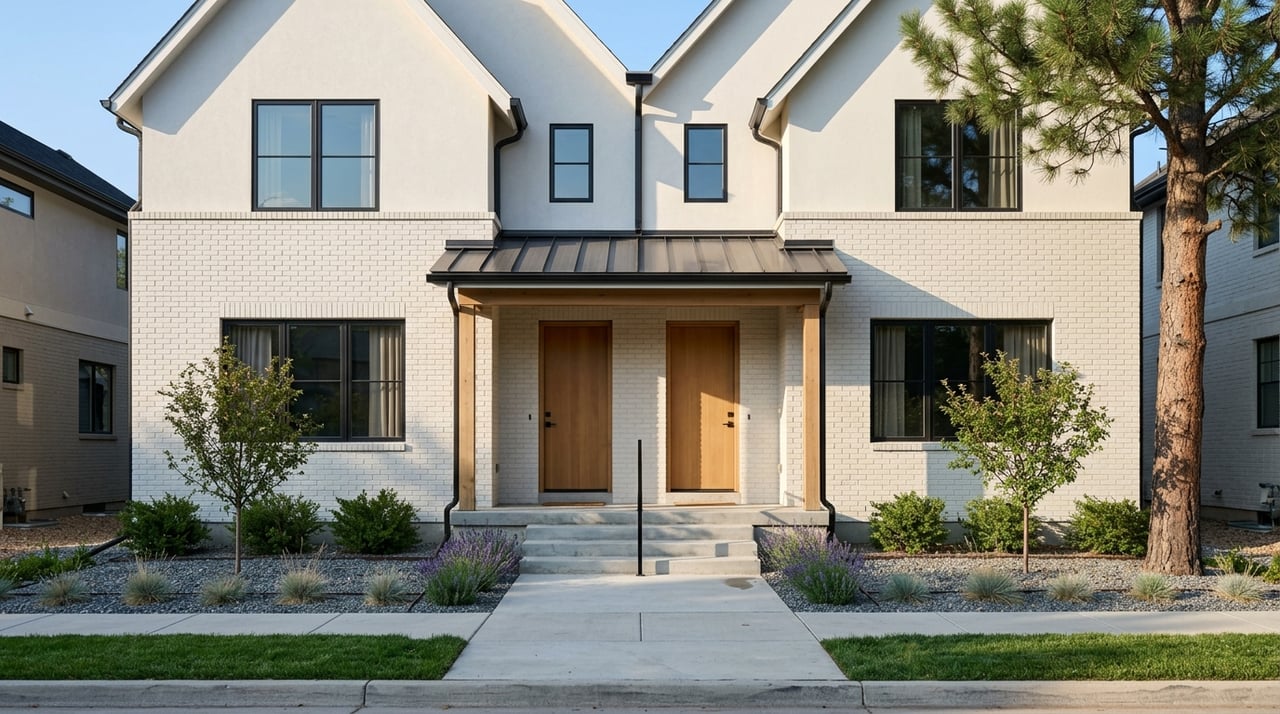
Live in a duplex or 2–4 unit
Buying a duplex, triplex, or fourplex lets you live in one unit and rent the others. Lenders use a small residential income appraisal to estimate market rent for each unit, often with Fannie Mae Form 1025. That report helps your lender assess how much of the rent can count toward your loan qualifying. Look for “legal duplex” notes, separate entrances, and clear rental history when you scan listings.
Buy a home and add an ADU
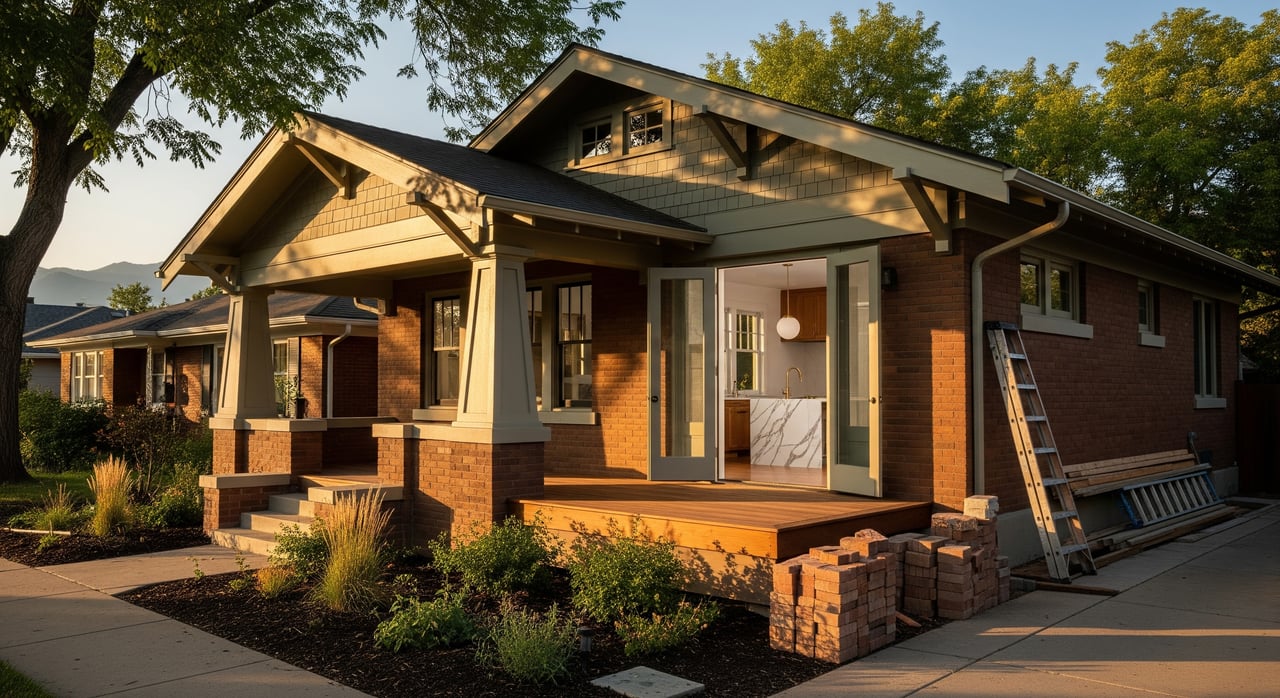
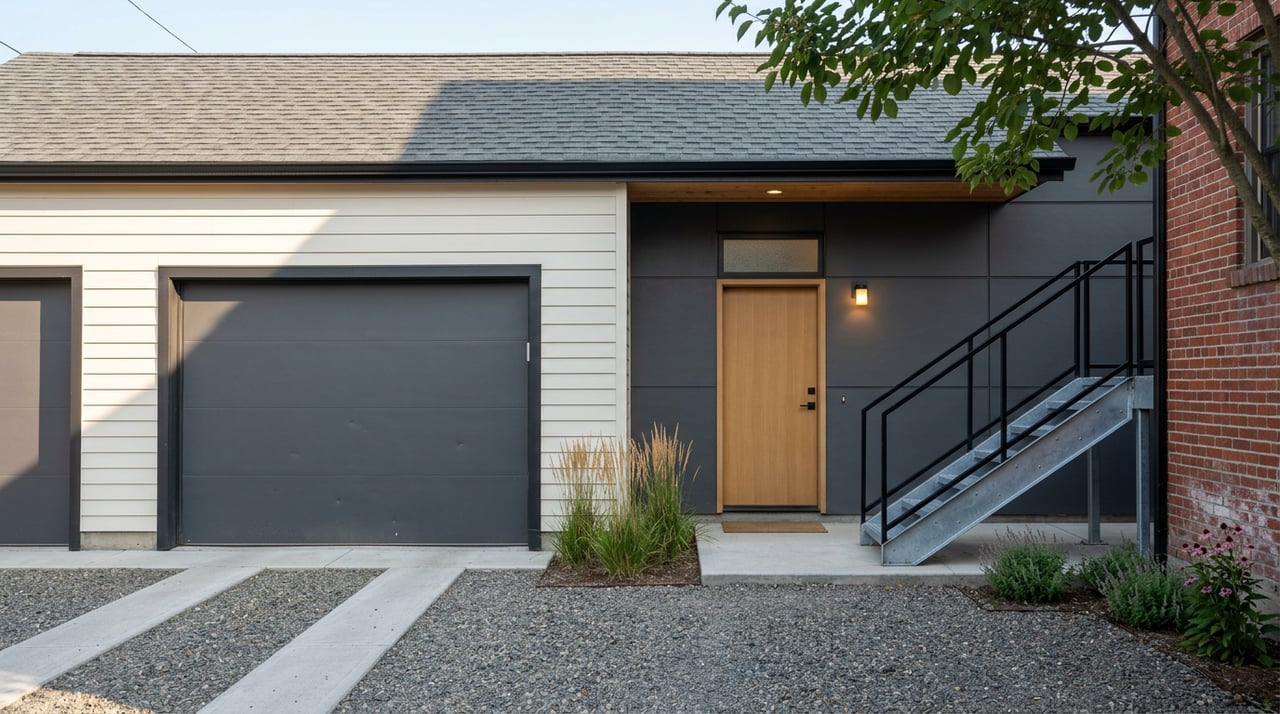
An accessory dwelling unit can turn a single-family lot into a two-home setup. Denver permits ADUs on lots where single-unit homes are allowed, subject to size, height, and placement limits. Review the city’s ADU permits and checklist for steps, submittal requirements, and licensing details.
Key points to remember:
- Only one ADU is allowed per primary dwelling and it must be permitted and receive a Certificate of Occupancy before it can be rented.
- Owner-occupancy rules apply to properties with ADUs.
- ADUs must have their own address. Size caps and design rules vary by lot.
Start your feasibility check with the city’s ADU background report and the interactive ADU map.
Target ADU-ready lots
If you prefer to build your income stream over time, buy a single-family home on a lot that fits ADU criteria. Use the city’s interactive ADU map to screen zoning, then verify setbacks, alley access, and Denver Water requirements during due diligence. These details affect design options and utility costs, so check them early.
Rules you must know
ADU permits and inspections
Denver requires zoning, building, and sewer use and drainage permits for ADUs. Trade permits for electrical, mechanical, and plumbing are also required. Projects must be built by licensed contractors and must obtain a Certificate of Occupancy before use. The city’s ADU permits page includes templates and a checklist. Avoid renting any unpermitted space.
Rental licensing in Denver
Denver’s residential rental property licensing program requires a third-party inspection and a license for most rentals. Multi-unit properties phased in during 2023, and single-unit rentals followed in 2024. Learn what applies to you on the city’s rental property licensing overview. Unlicensed rentals may face fines.
Short-term rental rules
Short-term rentals are regulated separately and require their own permitting and safety compliance. If you plan to pursue STR income, confirm eligibility and licensing requirements with the city before you buy or advertise.
Financing options for owner-occupants
FHA for 2–4 units
FHA financing is a common path for house hackers because it allows low down payments when you live in one unit. FHA’s 203(b) program permits 2–4 unit purchases for owner-occupants, with a minimum down payment often cited at 3.5 percent for qualified borrowers. Three and four unit deals add self-sufficiency and reserve rules. Review FHA basics in this overview of the FHA 203(b) program.
VA loans for eligible buyers
Eligible veterans can buy up to 4 units with VA financing, provided they occupy one unit. Many borrowers can purchase with no down payment, subject to entitlement and funding fee rules. See a high-level explanation of VA multi-unit eligibility.
Conventional low down paths
Conventional programs like Fannie Mae’s HomeReady and DU pathways can offer lower down payments on 2–4 unit owner-occupied purchases under certain conditions. Program rules and minimum borrower contributions vary by underwriting method. Review current Fannie Mae eligibility matrices with your lender.
Appraisals and rent documentation
For 2–4 units, lenders typically require a small-income appraisal that estimates fair market rent by unit. The standard is Fannie Mae Form 1025. Many lenders use a conservative share of projected rent, such as 75 percent, to account for vacancy and expenses, and some programs require self-sufficiency on 3–4 units. Ask your lender exactly how they will count rents.
Loan limits matter
Conforming loan limits are county-based and vary by the number of units. Denver County ceilings for 2–4 units are higher than for single-unit homes, which can expand your options. Check the latest county limits in the FHFA loan limits list.
Listing checklist for Berkeley
Use this quick filter when scanning new listings:
- Legal duplex or multi-family classification. Confirm permits and tax parcel status. Lenders and appraisers rely on legal use, often documented in reports like Form 1025.
- Separate kitchens and distinct addresses. These support unit independence and clean rental underwriting.
- Separate utilities or meters. If not present, plan for submetering or a clear billing approach during budgeting. Utility needs are addressed during ADU permitting.
- Evidence of prior rental use. Leases, rent rolls, or Schedule E history can help lenders validate income or support the appraiser’s rent conclusions.
- ADU permit or potential. Screen lots with the city’s ADU map, then verify setbacks, alley access, and design limits using the ADU background report.
- Watch for red flags. Unpermitted basements, missing egress, shared baths between units, or structural concerns can derail financing and increase costs. Follow the city’s permit guidance and get professional inspections.
Sample numbers template
Here is a simple way to frame the math for a duplex purchase. Update each step with current rates, taxes, and insurance when you run the numbers.
- Estimate payment. Ask your lender for a full monthly PITI and mortgage insurance estimate for the target price and program.
- Estimate rent. Use the appraiser’s projected market rent or a conservative rent estimate per unit. Apply a safety factor, such as 75 percent, to account for vacancy and expenses.
- Net housing cost. Subtract the adjusted rent from your total monthly payment to see your post-rent housing cost. Recheck at higher and lower rent levels to stress test the plan.
How Luxe Realty helps
House hacking success in Berkeley starts with the right property and a plan that fits Denver’s rules. Our local team pre-screens for legal duplexes, ADU potential, and small multi-unit listings near Tennyson and Berkeley Lake. We coordinate early with lenders who understand multi-unit appraisals and rental income, and we connect you with permit-savvy contractors so you can plan costs and timelines with confidence. If you prefer Spanish, our team is bilingual and ready to help.
Ready to explore a Berkeley house hack that fits your goals? Let’s talk about your budget, your timeline, and the neighborhoods you like. Connect with Luxe Realty to start your plan today.
FAQs
Can I buy a duplex in Denver with 3.5 percent down?
- With FHA 203(b) financing you may be able to buy a 2 unit property with 3.5 percent down if you will live in one unit, subject to credit, reserves, appraisal, and rent documentation requirements.
Can I add an ADU in Berkeley to offset my mortgage?
- Denver allows ADUs in zones that permit single-unit homes, but you must pull permits, follow size and height limits, and obtain a Certificate of Occupancy; owner-occupancy rules also apply.
Do I need a rental license for my Berkeley unit?
- Yes; Denver’s program requires a third-party inspection and a license, with multi-unit properties phased in during 2023 and single-unit rentals in 2024, and fines can apply if you are unlicensed.
How do lenders verify rental income on a duplex?
- Lenders typically rely on an appraiser’s market-rent estimate using Fannie Mae Form 1025, existing leases, or tax history, and many apply a conservative share of rent in underwriting.
Where is Berkeley and why does it fit house hacking?
- Berkeley is in northwest Denver between I-70 and 38th Avenue from Federal to Sheridan; it blends parks and Tennyson Street retail with a mix of duplexes, small multi-units, and ADU-ready lots that support rental demand.